
J. Benton Jones, Jr. – författare
Visar alla böcker från författaren J. Benton Jones, Jr.. Handla med fri frakt och snabb leverans.
19 produkter
19 produkter
Häftad, Engelska, 2001
2 068 kr
Skickas inom 10-15 vardagar
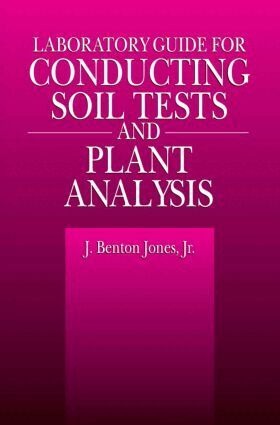
With the help of this guide, you can use obtained test results to evaluate the fertility status of soils and the nutrient element status of plants for crop production purposes. It serves as an instructional manual on the techniques used to perform chemical and physical characteristic tests on soils. Laboratory Guide for Conducting Soil Tests and Plant Analysis describes the basis and procedures for each test in detail, including analytical instrumentation procedures and laboratory quality assurance requirements.
Inbunden, Engelska, 2002
2 619 kr
Skickas inom 10-15 vardagar
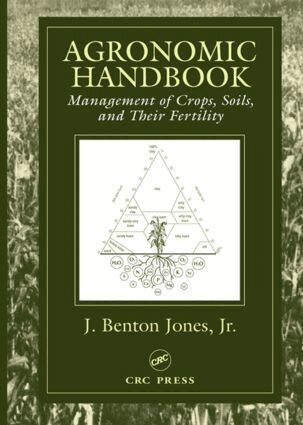
Many agronomic reference books either focus on a single crop, several related crops, or specific soil topics but not on a full range of both crop and soil subjects. This unique handbook covers both major agronomic fields. Containing essential data and information on the culture of the world's major agronomic grain, oil, fiber, and sugar crops grown on a wide range of soil types, Agronomic Handbook: Management of Crops, Soils, and Their Fertility serves as a practical reference on the management of crops and soils from planting to harvest. This handbook provides you with:A list of definitions A glossary of botanical terms Nutrient element requirement levels for the major agronomic crops A list of troublesome weeds A key to nutrient element deficiency syndrome of legumes A summary of the characteristics of the major elements and micronutrients The basic information needed to develop cultural, liming, and fertilizer recommendations Diagnostic procedures for assessing the fertility status of soils and the nutrient element status of plants Written in the author's trademark, practical style, this handbook describes the genetic history, yield characteristics, cultural requirements, and nutritional requirements of the major agronomic crops; the physical and chemical properties of major soil types; and the composition, formulation, and uses of fertilizers. Crop characteristics are provided including national and international statistics, world production figures, and information on changing crop conditions.With its wide range of fundamental information on crops and soils, the Agronomic Handbook will be an invaluable reference for those preparing for the Certified Crop Advisor Exam and anyone engaged in agronomic production, study, and research. Dependency
Inbunden, Engelska, 2004
2 824 kr
Skickas inom 10-15 vardagar
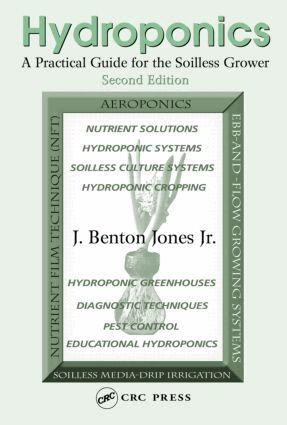
Revolutionary hydroponic/soilless advances are being achieved by efficiently improving results with the application of new concepts, methods, and equipment. The new edition of a bestseller, Hydroponics: A Practical Guide for the Soilless Grower has been revised to reflect these advances with new chapters that provide essential information on greenhouse design, function, and methods for crop production and management. With approximately 40% additional material in the second edition, the book is a state-of-the-art, comprehensive guide.The second edition begins with the concepts of how plants grow and then describes the requirements necessary to be successful when using various hydroponic and soilless growing methods. The major focus is on the nutritional requirements of plants and how best to prepare and use nutrient solutions for different plants using various growing systems under a wide range of environmental conditions. Supported by a wealth of tables, figures, and nutrient formulas the book provides clear explanations of the advantages and disadvantages of each hydroponic growth system. Appropriate for a wide audience, this edition is a practical guide, overview, and handy reference for advanced hobbyists, commercial growers, and researchers.
Inbunden, Engelska, 2007
2 689 kr
Skickas inom 10-15 vardagar
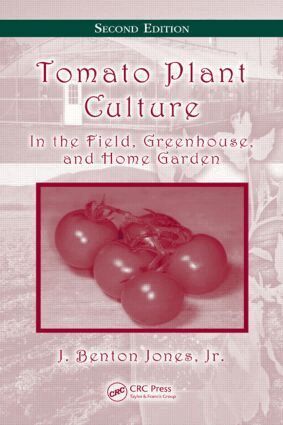
While tomatoes continue to be one of the most widely grown plants, the production and distribution of tomato fruits have been changing worldwide. Smaller, flavorful tomatoes are becoming more popular than beefsteak tomatoes, greenhouse-grown tomatoes have entered the marketplace, and home gardeners are using the Internet to obtain information for growing tomatoes. Encompassing these changes, Tomato Plant Culture: In the Field, Greenhouse, and Home Garden, Second Edition clearly presents the characteristics, nutritional information, environmental requirements, and production aspects of tomato plants and fruits.Authored by one of the foremost experts in hydroponics, the book outlines the history of the tomato plant and fruit and delves into the author's personal experiences with tomato plant cultivation. It discusses the characteristics and composition of the plant as well as seedling and seed production. The author elucidates the physical features of the fruit and the mineral nutrition of the plant. He also examines the physical and chemical characteristics of soils most desirable for plant growth, makes fertilizer recommendations, and explores the factors involved in greenhouse tomato production. In addition, the book looks at ways to identify and control plant diseases and insect pests.With scientific data, trivia, and troubleshooting advice, this technical yet accessible book enables scientists, commercial growers, and home gardeners to cultivate a successful crop of tomatoes.
E-bok
PDF, Engelska, 20212 606 kr
Läs direkt efter köp
With the renewed current emphasis on agricultural production efficiency and environmental quality, the technology of soil and plant analysis has taken on even greater importance. Several states now require soil testing as part of their nutrient management programs. Soil testing and plant analysis are important components of the Food Security Act and under consideration as safeguards for the new Clean Water Act.The Council on Soil Testing and Plant Analysis, established in 1969, promotes soil testing and plant analysis, including efficient use of nutrient resources, maximizing profits, and encouraging proper soil management and environmental protection. Compiled by the Council in response to the growing need for information about soil testing and plant analysis laboratories, Soil and Plant Analysis Laboratory Registry for the United States and Canada, Second Edition provides up-to-date information about public and private laboratory services, including:
E-bok
Engelska, 20212 515 kr
Läs direkt efter köp
With the renewed current emphasis on agricultural production efficiency and environmental quality, the technology of soil and plant analysis has taken on even greater importance. Several states now require soil testing as part of their nutrient management programs. Soil testing and plant analysis are important components of the Food Security Act and under consideration as safeguards for the new Clean Water Act.The Council on Soil Testing and Plant Analysis, established in 1969, promotes soil testing and plant analysis, including efficient use of nutrient resources, maximizing profits, and encouraging proper soil management and environmental protection. Compiled by the Council in response to the growing need for information about soil testing and plant analysis laboratories, Soil and Plant Analysis Laboratory Registry for the United States and Canada, Second Edition provides up-to-date information about public and private laboratory services, including:
3 194 kr
Läs direkt efter köp
While tomatoes continue to be one of the most widely grown plants, the production and distribution of tomato fruits have been changing worldwide. Smaller, flavorful tomatoes are becoming more popular than beefsteak tomatoes, greenhouse-grown tomatoes have entered the marketplace, and home gardeners are using the Internet to obtain information for growing tomatoes. Encompassing these changes, Tomato Plant Culture: In the Field, Greenhouse, and Home Garden, Second Edition clearly presents the characteristics, nutritional information, environmental requirements, and production aspects of tomato plants and fruits.Authored by one of the foremost experts in hydroponics, the book outlines the history of the tomato plant and fruit and delves into the author's personal experiences with tomato plant cultivation. It discusses the characteristics and composition of the plant as well as seedling and seed production. The author elucidates the physical features of the fruit and the mineral nutrition of the plant. He also examines the physical and chemical characteristics of soils most desirable for plant growth, makes fertilizer recommendations, and explores the factors involved in greenhouse tomato production. In addition, the book looks at ways to identify and control plant diseases and insect pests.With scientific data, trivia, and troubleshooting advice, this technical yet accessible book enables scientists, commercial growers, and home gardeners to cultivate a successful crop of tomatoes.
E-bok
Engelska, 20023 110 kr
Läs direkt efter köp
Many agronomic reference books either focus on a single crop, several related crops, or specific soil topics but not on a full range of both crop and soil subjects. This unique handbook covers both major agronomic fields. Containing essential data and information on the culture of the world's major agronomic grain, oil, fiber, and sugar crops grown
Inbunden, Engelska, 2017
2 969 kr
Skickas inom 10-15 vardagar
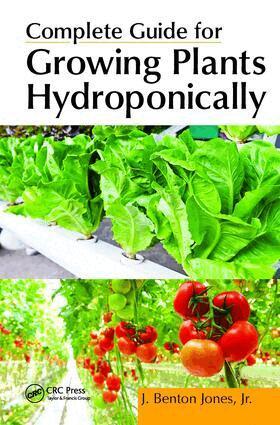
With the continued implementation of new equipment and new concepts and methods, such as hydroponics and soilless practices, crop growth has improved and become more efficient. Focusing on the basic principles and practical growth requirements, the Complete Guide for Growing Plants Hydroponically offers valuable information for the commercial grower, the researcher, the hobbyist, and the student interested in hydroponics. It provides details on methods of growing that are applicable to a range of environmental growing systems.The author begins with an introduction that covers the past, present, and future of hydroponics. He also describes the basic concepts behind how plants grow, followed by several chapters that present in-depth practical details for hydroponic growing systems:The essential plant nutrient elements The nutrient solution Rooting media Systems of hydroponic culture Hydroponic application factorsThese chapters cover the nutritional requirements of plants and how to best prepare and use nutrient solutions to satisfy plant requirements, with different growing systems and rooting media, under a variety of conditions. The book gives many nutrient solution formulas and discusses the advantages and disadvantages of various hydroponic systems. It also contains a chapter that describes a school project, which students can follow to generate nutrient element deficiency symptoms and monitor their effects on plant growth.
Inbunden, Engelska, 2017
3 322 kr
Skickas inom 10-15 vardagar
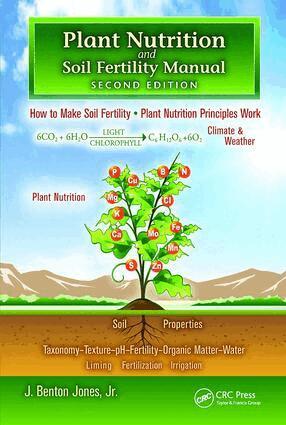
As soil and crop management procedures have become more complex, County Agricultural Agents, farm advisors, consultants, and fertilizer and chemical dealers have had to specialize in some aspect of soil fertility and crop nutrition management procedures, limiting their ability to provide a range of advice and services. Most farmers and growers can no longer turn to just one source for the information and instruction needed to achieve their production goals.With over 70 percent new material, the second edition of the Plant Nutrition and Soil Fertility Manual discusses the principles determining how plants grow and the elements essential for successful crop production, with a focus on the principles of soil fertility and plant nutrition. The book covers physical and chemical properties of soil, chemical and organic fertilizers, soil acidity and alkalinity, liming and liming materials, and micronutrients essential to plant growth. It also describes elements toxic to plants, soil testing, and plant analysis. The topics and discussion in this self-contained book are practical and user-friendly, yet comprehensive enough to cover material presented in upper-level soil and plant science courses. It allows practitioners with general background knowledge to feel confident applying the principles presented to soil/crop production systems.
Inbunden, Engelska, 2017
2 969 kr
Skickas inom 10-15 vardagar
With the help of this guide, you can use obtained test results to evaluate the fertility status of soils and the nutrient element status of plants for crop production purposes. It serves as an instructional manual on the techniques used to perform chemical and physical characteristic tests on soils. Laboratory Guide for Conducting Soil Tests and Plant Analysis describes the basis and procedures for each test in detail, including analytical instrumentation procedures and laboratory quality assurance requirements.
Inbunden, Engelska, 2017
2 828 kr
Skickas inom 10-15 vardagar
With the renewed current emphasis on agricultural production efficiency and environmental quality, the technology of soil and plant analysis has taken on even greater importance. Several states now require soil testing as part of their nutrient management programs. Soil testing and plant analysis are important components of the Food Security Act and under consideration as safeguards for the new Clean Water Act.The Council on Soil Testing and Plant Analysis, established in 1969, promotes soil testing and plant analysis, including efficient use of nutrient resources, maximizing profits, and encouraging proper soil management and environmental protection. Compiled by the Council in response to the growing need for information about soil testing and plant analysis laboratories, Soil and Plant Analysis Laboratory Registry for the United States and Canada, Second Edition provides up-to-date information about public and private laboratory services, including:
E-bok
Engelska, 20121 664 kr
Läs direkt efter köp
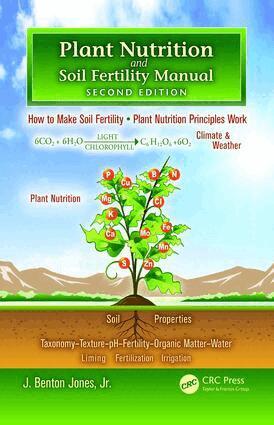
As soil and crop management procedures have become more complex, County Agricultural Agents, farm advisors, consultants, and fertilizer and chemical dealers have had to specialize in some aspect of soil fertility and crop nutrition management procedures, limiting their ability to provide a range of advice and services. Most farmers and growers can no longer turn to just one source for the information and instruction needed to achieve their production goals.With over 70 percent new material, the second edition of the Plant Nutrition and Soil Fertility Manual discusses the principles determining how plants grow and the elements essential for successful crop production, with a focus on the principles of soil fertility and plant nutrition. The book covers physical and chemical properties of soil, chemical and organic fertilizers, soil acidity and alkalinity, liming and liming materials, and micronutrients essential to plant growth. It also describes elements toxic to plants, soil testing, and plant analysis. The topics and discussion in this self-contained book are practical and user-friendly, yet comprehensive enough to cover material presented in upper-level soil and plant science courses. It allows practitioners with general background knowledge to feel confident applying the principles presented to soil/crop production systems.
E-bok
PDF, Engelska, 2007657 kr
Läs direkt efter köp
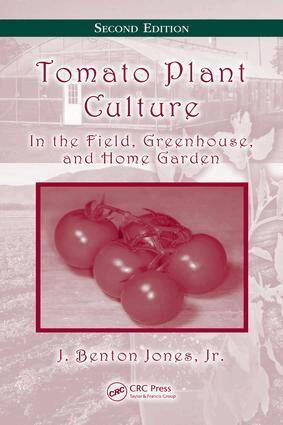
While tomatoes continue to be one of the most widely grown plants, the production and distribution of tomato fruits have been changing worldwide. Smaller, flavorful tomatoes are becoming more popular than beefsteak tomatoes, greenhouse-grown tomatoes have entered the marketplace, and home gardeners are using the Internet to obtain information for growing tomatoes. Encompassing these changes, Tomato Plant Culture: In the Field, Greenhouse, and Home Garden, Second Edition clearly presents the characteristics, nutritional information, environmental requirements, and production aspects of tomato plants and fruits.Authored by one of the foremost experts in hydroponics, the book outlines the history of the tomato plant and fruit and delves into the author's personal experiences with tomato plant cultivation. It discusses the characteristics and composition of the plant as well as seedling and seed production. The author elucidates the physical features of the fruit and the mineral nutrition of the plant. He also examines the physical and chemical characteristics of soils most desirable for plant growth, makes fertilizer recommendations, and explores the factors involved in greenhouse tomato production. In addition, the book looks at ways to identify and control plant diseases and insect pests.With scientific data, trivia, and troubleshooting advice, this technical yet accessible book enables scientists, commercial growers, and home gardeners to cultivate a successful crop of tomatoes.
Häftad, Engelska, 2012
1 403 kr
Skickas inom 10-15 vardagar
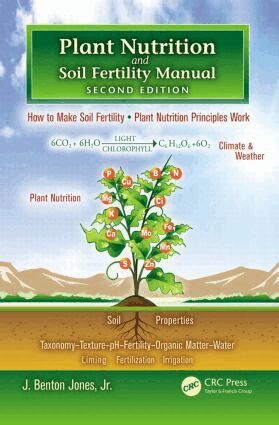
As soil and crop management procedures have become more complex, County Agricultural Agents, farm advisors, consultants, and fertilizer and chemical dealers have had to specialize in some aspect of soil fertility and crop nutrition management procedures, limiting their ability to provide a range of advice and services. Most farmers and growers can no longer turn to just one source for the information and instruction needed to achieve their production goals.With over 70 percent new material, the second edition of the Plant Nutrition and Soil Fertility Manual discusses the principles determining how plants grow and the elements essential for successful crop production, with a focus on the principles of soil fertility and plant nutrition. The book covers physical and chemical properties of soil, chemical and organic fertilizers, soil acidity and alkalinity, liming and liming materials, and micronutrients essential to plant growth. It also describes elements toxic to plants, soil testing, and plant analysis. The topics and discussion in this self-contained book are practical and user-friendly, yet comprehensive enough to cover material presented in upper-level soil and plant science courses. It allows practitioners with general background knowledge to feel confident applying the principles presented to soil/crop production systems.
E-bok
PDF, Engelska, 20121 664 kr
Läs direkt efter köp
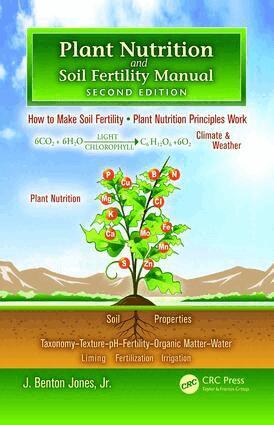
As soil and crop management procedures have become more complex, County Agricultural Agents, farm advisors, consultants, and fertilizer and chemical dealers have had to specialize in some aspect of soil fertility and crop nutrition management procedures, limiting their ability to provide a range of advice and services. Most farmers and growers can no longer turn to just one source for the information and instruction needed to achieve their production goals.With over 70 percent new material, the second edition of the Plant Nutrition and Soil Fertility Manual discusses the principles determining how plants grow and the elements essential for successful crop production, with a focus on the principles of soil fertility and plant nutrition. The book covers physical and chemical properties of soil, chemical and organic fertilizers, soil acidity and alkalinity, liming and liming materials, and micronutrients essential to plant growth. It also describes elements toxic to plants, soil testing, and plant analysis. The topics and discussion in this self-contained book are practical and user-friendly, yet comprehensive enough to cover material presented in upper-level soil and plant science courses. It allows practitioners with general background knowledge to feel confident applying the principles presented to soil/crop production systems.
Häftad, Engelska, 2014
980 kr
Skickas inom 10-15 vardagar
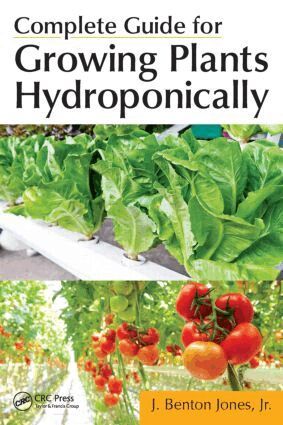
With the continued implementation of new equipment and new concepts and methods, such as hydroponics and soilless practices, crop growth has improved and become more efficient. Focusing on the basic principles and practical growth requirements, the Complete Guide for Growing Plants Hydroponically offers valuable information for the commercial grower, the researcher, the hobbyist, and the student interested in hydroponics. It provides details on methods of growing that are applicable to a range of environmental growing systems.The author begins with an introduction that covers the past, present, and future of hydroponics. He also describes the basic concepts behind how plants grow, followed by several chapters that present in-depth practical details for hydroponic growing systems: The essential plant nutrient elementsThe nutrient solutionRooting mediaSystems of hydroponic cultureHydroponic application factorsThese chapters cover the nutritional requirements of plants and how to best prepare and use nutrient solutions to satisfy plant requirements, with different growing systems and rooting media, under a variety of conditions. The book gives many nutrient solution formulas and discusses the advantages and disadvantages of various hydroponic systems. It also contains a chapter that describes a school project, which students can follow to generate nutrient element deficiency symptoms and monitor their effects on plant growth.
Häftad, Engelska, 1999
2 193 kr
Skickas inom 10-15 vardagar
With the renewed current emphasis on agricultural production efficiency and environmental quality, the technology of soil and plant analysis has taken on even greater importance. Several states now require soil testing as part of their nutrient management programs. Soil testing and plant analysis are important components of the Food Security Act and under consideration as safeguards for the new Clean Water Act.The Council on Soil Testing and Plant Analysis, established in 1969, promotes soil testing and plant analysis, including efficient use of nutrient resources, maximizing profits, and encouraging proper soil management and environmental protection. Compiled by the Council in response to the growing need for information about soil testing and plant analysis laboratories, Soil and Plant Analysis Laboratory Registry for the United States and Canada, Second Edition provides up-to-date information about public and private laboratory services, including:
E-bok
Engelska, 2002761 kr
Läs direkt efter köp
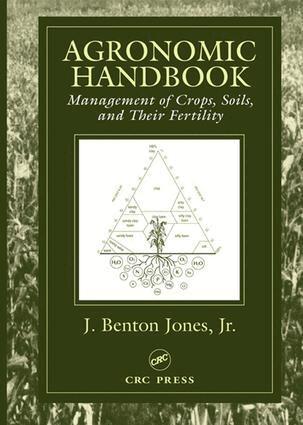
Many agronomic reference books either focus on a single crop, several related crops, or specific soil topics but not on a full range of both crop and soil subjects. This unique handbook covers both major agronomic fields. Containing essential data and information on the culture of the world's major agronomic grain, oil, fiber, and sugar crops grown