J. de Beer – författare
Visar alla böcker från författaren . Handla med fri frakt och snabb leverans.
3 produkter
3 produkter
Inbunden, Engelska, 2000
1 083 kr
Skickas inom 10-15 vardagar
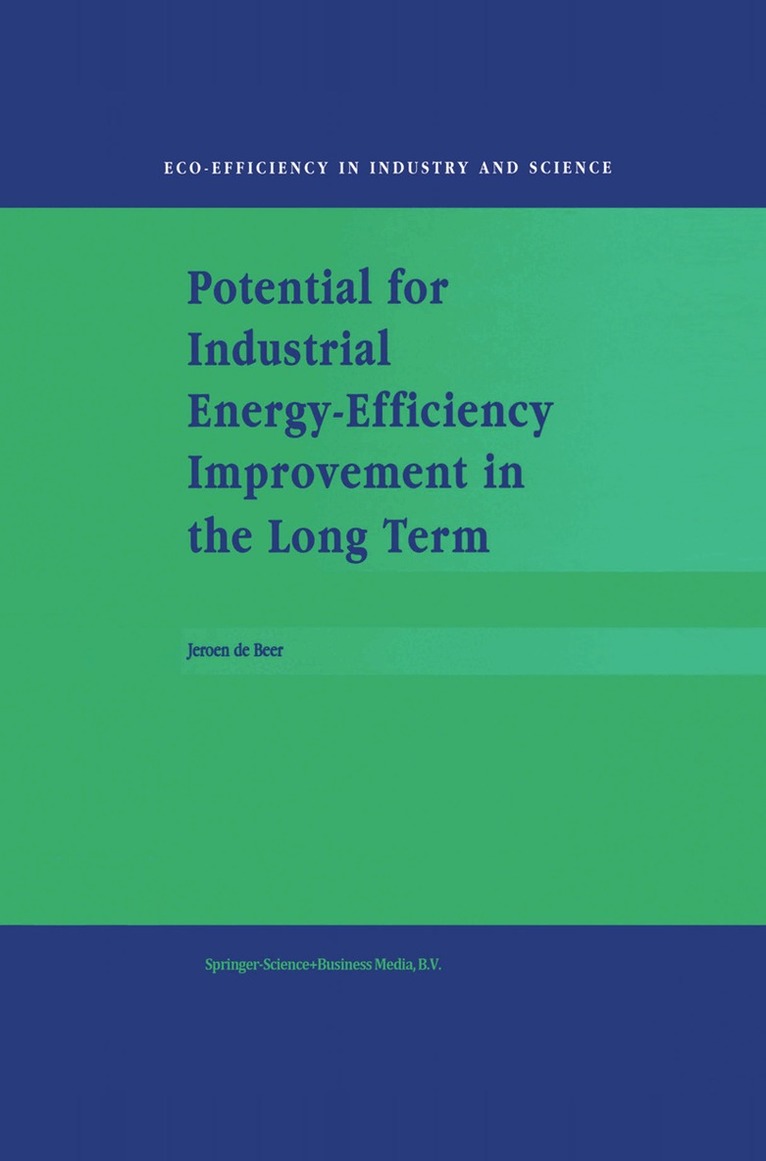
It is essential that we find out what opportunities exist for the improvement of energy efficiency, and their limitations, since this is the most cost-effective way to reduce greenhouse gas emissions. This study presents a method for identifying potential technologies which can contribute to the long-term improvement of energy efficiency. An objective measurement of maximum improvement is derived by calculating the theoretical minimum specific energy required to perform a task. Next, a list is drawn up of technologies that could conceivably improve efficiency, extending beyond those normally found in literature on the subject. This method is applied to three major energy-consuming branches of industry: paper and board; iron and steel; and nitrogen fertilizer. Each of the studies provides an in-depth analysis of the industry and an extensive survey of possible ways to improve it.
Häftad, Engelska, 2010
1 083 kr
Skickas inom 10-15 vardagar
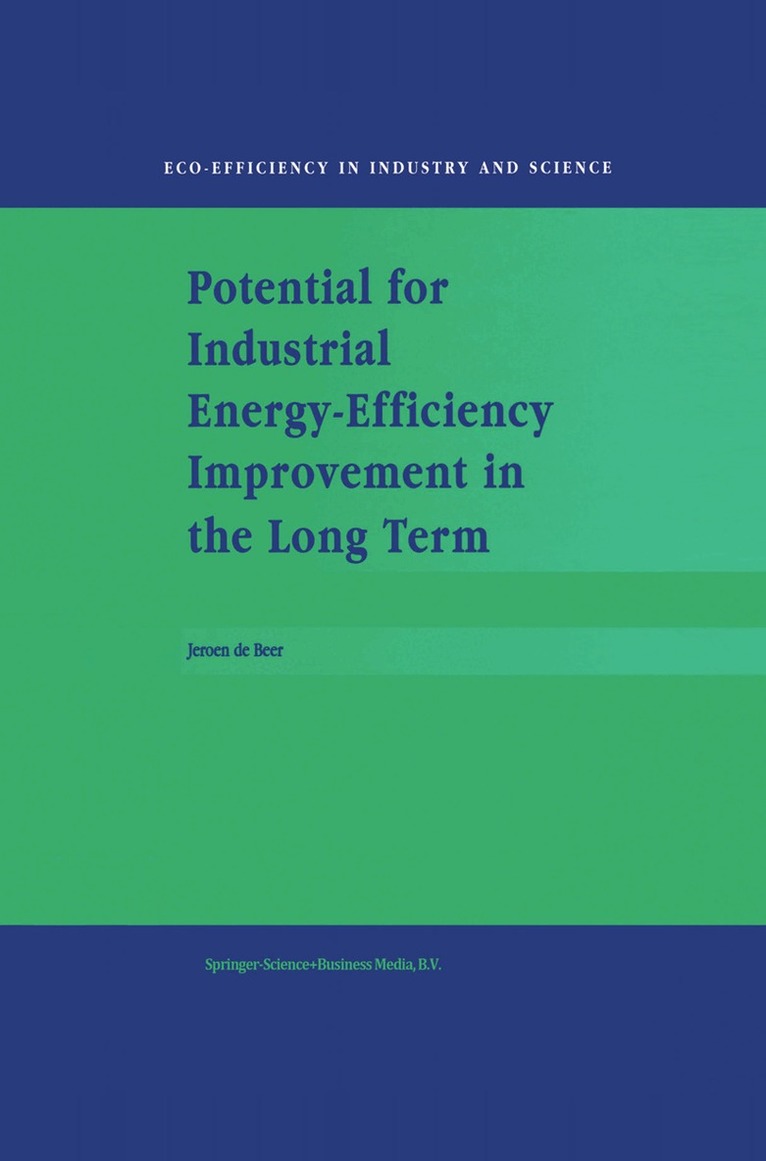
This book does not give a prediction of what the efficiency will be of the energy use of industrial processes in the future. However, it does give an exploration of limits to the efficiency of current processes and an indication of what might be achieved if new technologies can be developed. At the Department of Science, Technology and Society of Utrecht University research had been done to the opportunities for improvement of the energy efficiency in the short term since the 1980's. This had resulted in a comprehensive database on energy efficient measures. This database and a possible application are described in Chapter 3 of this book. The use of the database induced new research themes around efficiency improvement, e.g. concerning barriers for implementation of measures. It was around 1993 that I did a preliminary study to the potential for efficiency improvement in the long term. Historical analysis had shown us that the short term potential stayed constant over the years. It seemed to be replenished by the introduction of new technologies. This lead to the question whether there are limits to the efficiency, taking into account both thermodynamic considerations and ideas on the development and dissemination of new technologies.
E-bok
PDF, Engelska, 20131 379 kr
Läs direkt efter köp
This book does not give a prediction of what the efficiency will be of the energy use of industrial processes in the future. However, it does give an exploration of limits to the efficiency of current processes and an indication of what might be achieved if new technologies can be developed. At the Department of Science, Technology and Society of Utrecht University research had been done to the opportunities for improvement of the energy efficiency in the short term since the 1980''s. This had resulted in a comprehensive database on energy efficient measures. This database and a possible application are described in Chapter 3 of this book. The use of the database induced new research themes around efficiency improvement, e.g. concerning barriers for implementation of measures. It was around 1993 that I did a preliminary study to the potential for efficiency improvement in the long term. Historical analysis had shown us that the short term potential stayed constant over the years. It seemed to be replenished by the introduction of new technologies. This lead to the question whether there are limits to the efficiency, taking into account both thermodynamic considerations and ideas on the development and dissemination of new technologies.