J. LeBlanc – författare
Visar alla böcker från författaren J. LeBlanc. Handla med fri frakt och snabb leverans.
6 produkter
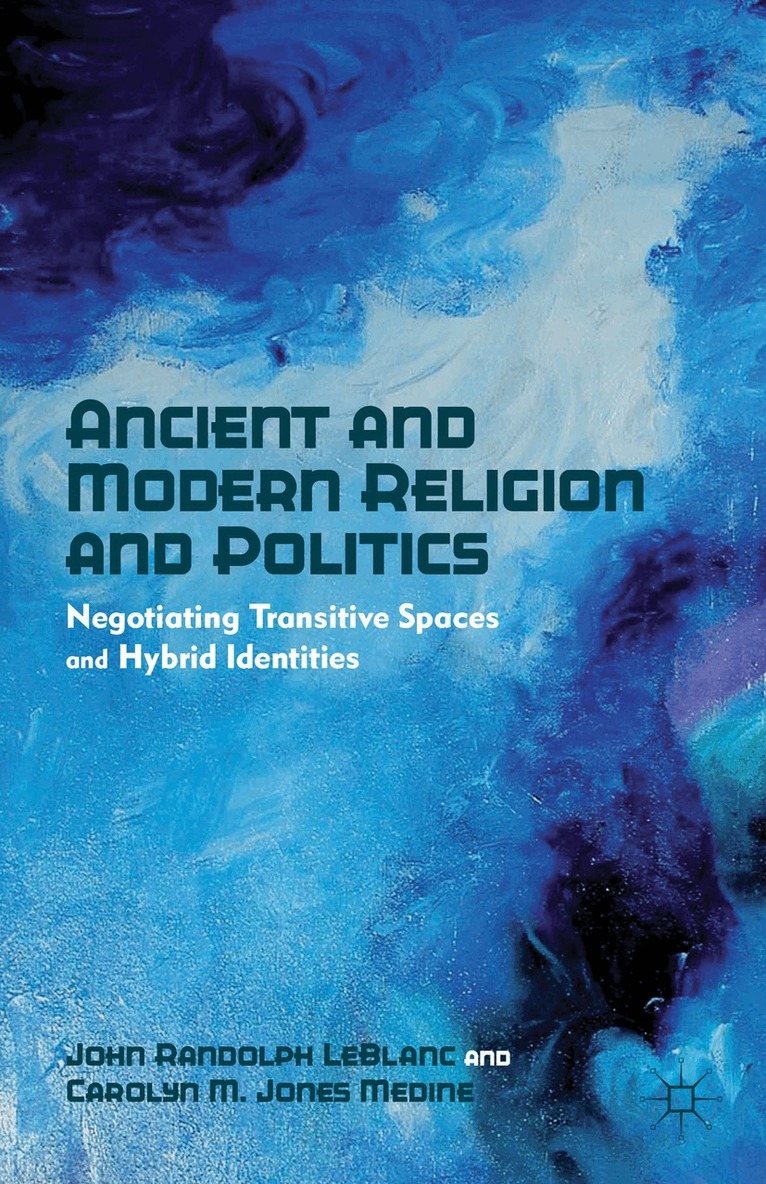
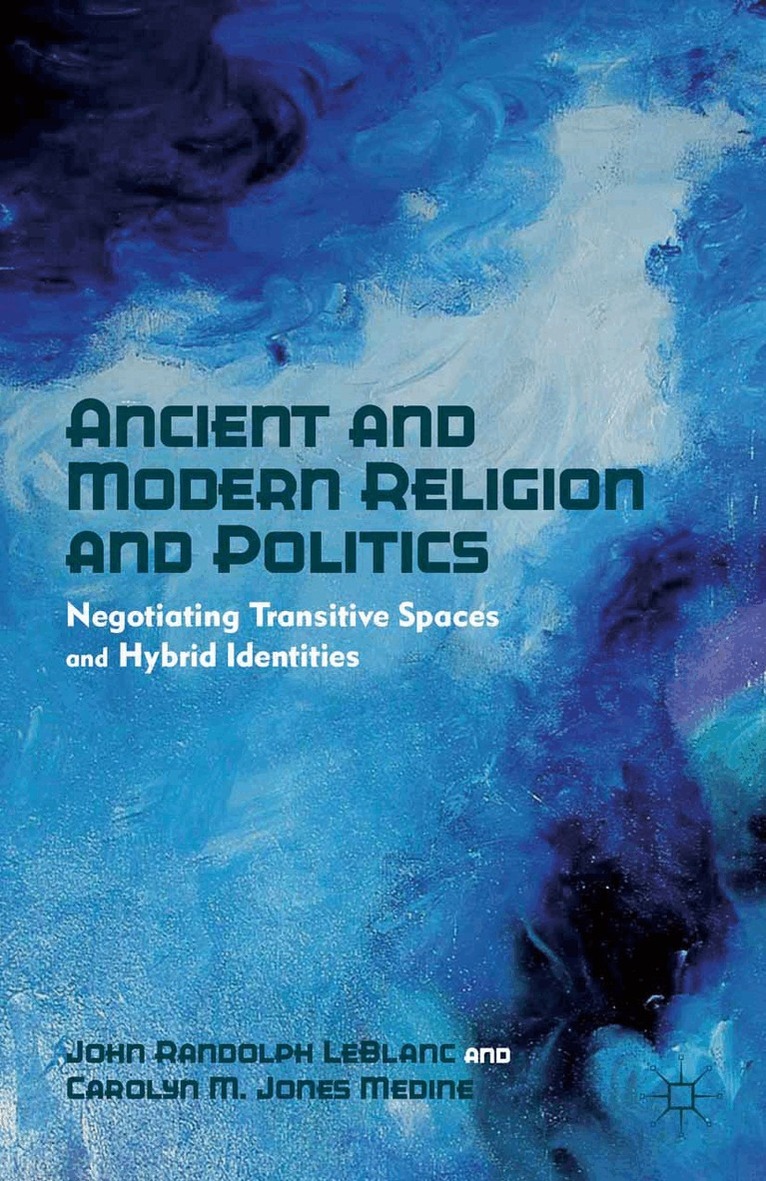
Ancient and Modern Religion and Politics
Negotiating Transitive Spaces and Hybrid Identities
Av J. LeBlanc, Carolyn M. Jones Medine
Inbunden, 2012
551 kr
Lägg i varukorg
This book brings a variety of voices into conversation about the issues of identity, community, tension and violence, and peace in the West: from Sophocles to Alice Walker, from Lincoln to Martin Luther King, Jr. and from Euripides to Edward Said.
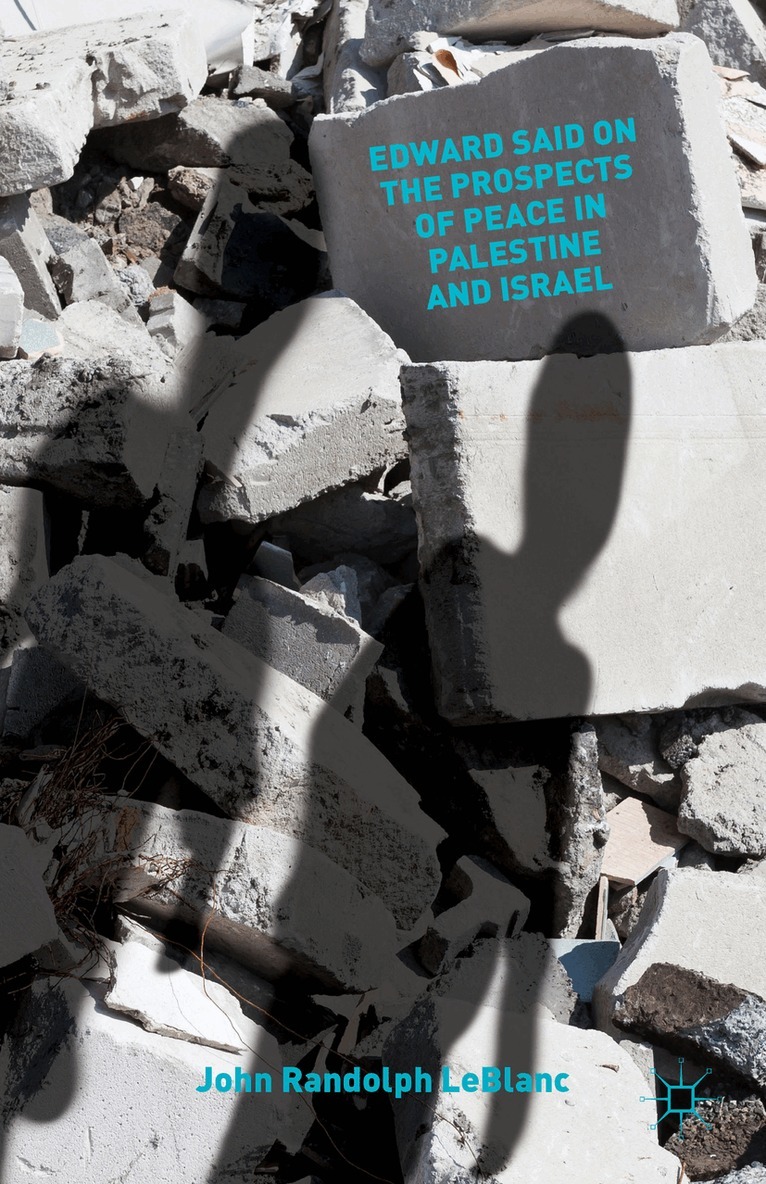
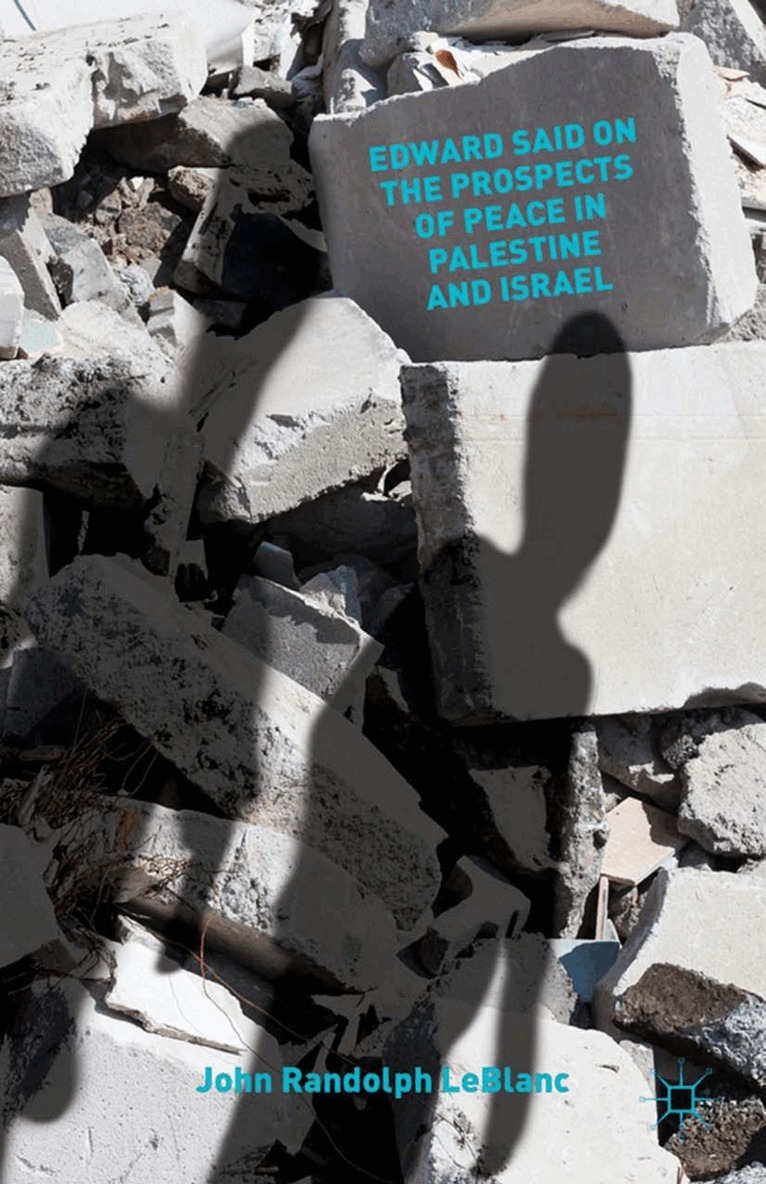
Edward Said on the Prospects of Peace in Palestine and Israel
Av J. LeBlanc
Inbunden, 2013
551 kr
Lägg i varukorg
John Randolph LeBlanc examines the political oeuvre of critic and activist Edward Said and finds that Said preferred "reconciliation" to segregation in Palestine/Israel. LeBlanc argues that Said's criticism speaks to the importance of negotiating the troubling, proximate, and unsettling presence of …
Edward Said on the Prospects of Peace in Palestine and Israel
Av J. LeBlanc
E-bok, 2013
779 kr
Lägg i varukorg
John Randolph LeBlanc examines the political oeuvre of critic and activist Edward Said and finds that Said preferred "reconciliation" to segregation in Palestine/Israel. LeBlanc argues that Said''s criticism speaks to the importance of negotiating the troubling, proximate, and unsettling presence …
Ancient and Modern Religion and Politics
Negotiating Transitive Spaces and Hybrid Identities
Av Carolyn M. Jones Medine, J. LeBlanc
E-bok, 2012
877 kr
Lägg i varukorg
This book brings a variety of voices into conversation about the issues of identity, community, tension and violence, and peace in the West: from Sophocles to Alice Walker, from Lincoln to Martin Luther King, Jr. and from Euripides to Edward Said.
Ancient and Modern Religion and Politics
Negotiating Transitive Spaces and Hybrid Identities
Av J. LeBlanc, Carolyn M. Jones Medine
Häftad, 2012
634 kr
Lägg i varukorg
This book brings a variety of voices into conversation about the issues of identity, community, tension and violence, and peace in the West: from Sophocles to Alice Walker, from Lincoln to Martin Luther King, Jr. and from Euripides to Edward Said.
Edward Said on the Prospects of Peace in Palestine and Israel
Av J. LeBlanc
Häftad, 2013
551 kr
Lägg i varukorg
John Randolph LeBlanc examines the political oeuvre of critic and activist Edward Said and finds that Said preferred "reconciliation" to segregation in Palestine/Israel. LeBlanc argues that Said's criticism speaks to the importance of negotiating the troubling, proximate, and unsettling presence of …