J. Mayone Stycos – författare
Visar alla böcker från författaren J. Mayone Stycos. Handla med fri frakt och snabb leverans.
8 produkter
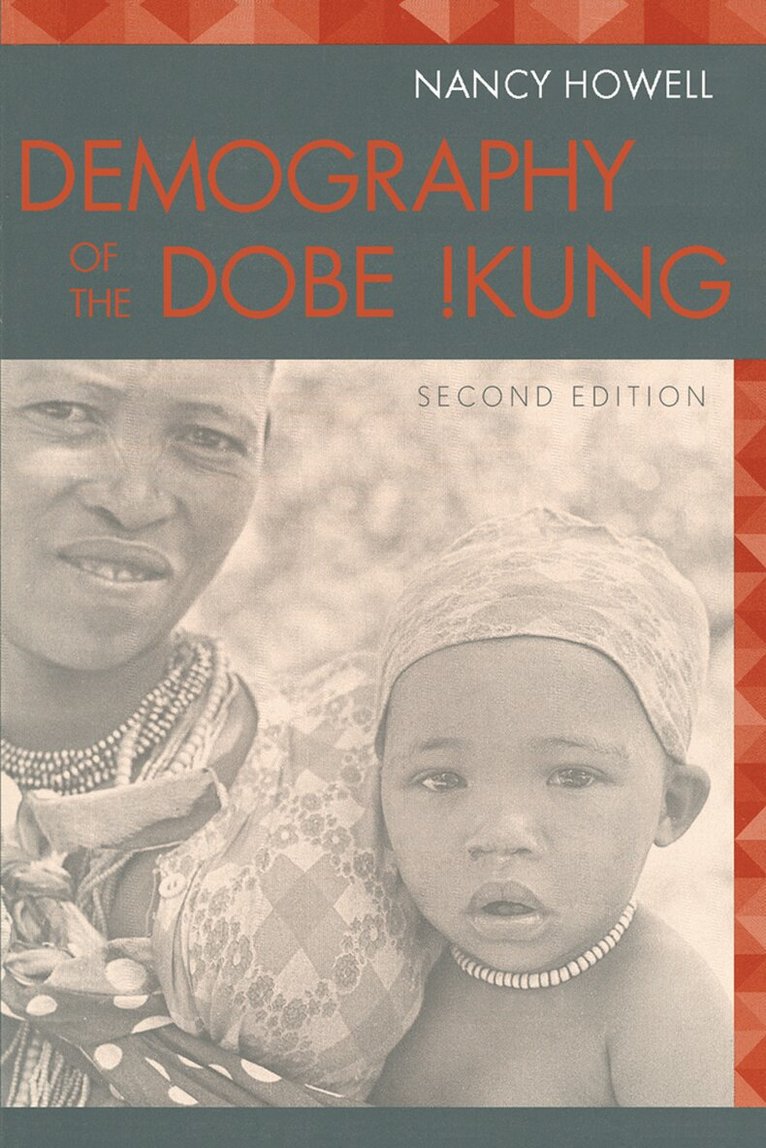
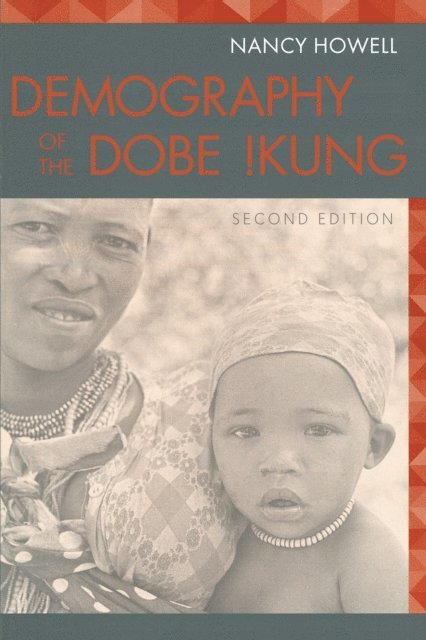
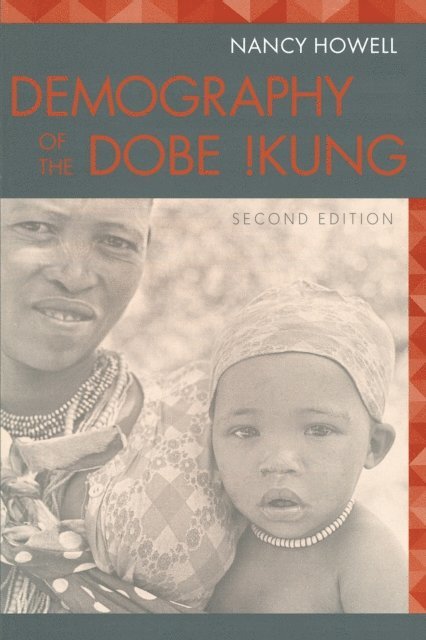
Demography of the Dobe! Kung
Av Nancy Howell, J. Mayone Stycos
Häftad, 2001
747 kr
Lägg i varukorg
First published in 1979, this is a classic study of the population of the Bushmen of the Kalahari Deselt of Botswana. Using methods that are simple and fully illustrated, the author presents empirical descriptions of the fertility, mortality, and marriage patterns of the now famous !Kung …
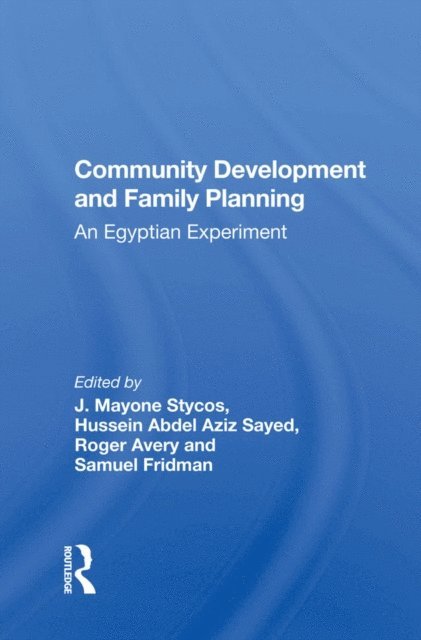
Community Development and Family Planning
An Egyptian Experiment
Inbunden, 2019
2504 kr
Lägg i varukorg
Program evaluation is not among the most popular of exercises, since it carries risks for all associated with it. Because every important program has friends and enemies anxious for its prosperity or demise, the investigators and their findings will normally be attacked from at least one side and …
Community Development and Family Planning
An Egyptian Experiment
Häftad, 2021
689 kr
Lägg i varukorg
This book focuses on carrying out a national rural survey specifically designed to assess the village-based Population and Development Program (PDP) and gathering data on villages included in the survey. It provides some background regarding earlier surveys from the point of view of PDP impact.
Community Development And Family Planning
An Egyptian Experiment
E-bok, 2019
814 kr
Lägg i varukorg
Program evaluation is not among the most popular of exercises, since it carries risks for all associated with it. Because every important program has friends and enemies anxious for its prosperity or demise, the investigators and their findings will normally be attacked from at least one side and …
Community Development And Family Planning
An Egyptian Experiment
E-bok, 2019
814 kr
Lägg i varukorg
Program evaluation is not among the most popular of exercises, since it carries risks for all associated with it. Because every important program has friends and enemies anxious for its prosperity or demise, the investigators and their findings will normally be attacked from at least one side and …
Demography of the Dobe! Kung
Av Nancy Howell, J. Mayone Stycos
E-bok, 2017
883 kr
Lägg i varukorg
First published in 1979, this is a classic study of the population of the Bushmen of the Kalahari Deselt of Botswana. Using methods that are simple and fully illustrated, the author presents empirical descriptions of the fertility, mortality, and marriage patterns of the now famous !Kung …
Demography of the Dobe! Kung
Av Nancy Howell, J. Mayone Stycos
E-bok, 2017
864 kr
Lägg i varukorg
First published in 1979, this is a classic study of the population of the Bushmen of the Kalahari Deselt of Botswana. Using methods that are simple and fully illustrated, the author presents empirical descriptions of the fertility, mortality, and marriage patterns of the now famous !Kung …
Demography of the Dobe! Kung
Av Nancy Howell, J. Mayone Stycos
Inbunden, 2001
1099 kr
Tillfälligt slut
First published in 1979, this is a classic study of the population of the Bushmen of the Kalahari Deselt of Botswana. Using methods that are simple and fully illustrated, the author presents empirical descriptions of the fertility, mortality, and marriage patterns of the now famous !Kung …