Jacob Mapara – författare
Visar alla böcker från författaren Jacob Mapara. Handla med fri frakt och snabb leverans.
4 produkter
4 produkter
444 kr
Läs direkt efter köp
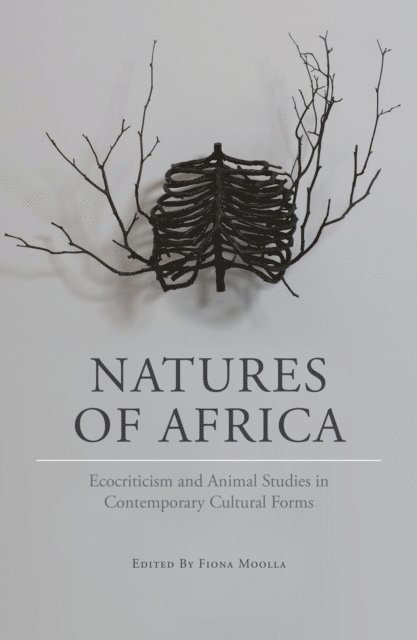
Environmental and animal studies are rapidly growing areas of interest across a number of disciplines. Natures of Africa is one of the first edited volumes which encompasses transdisciplinary approaches to a number of cultural forms, including fiction, non-fiction, oral expression and digital media. The volume features new research from East Africa and Zimbabwe, as well as the ecocritical and eco-activist ‘powerhouses’ of Nigeria and South Africa. The chapters engage one another conceptually and epistemologically without an enforced consensus of approach. In their conversation with dominant ideas about nature and animals, they reveal unexpected insights into forms of cultural expression of local communities in Africa. The analyses explore different apprehensions of the connections between humans, animals and the environment, and suggest alternative ways of addressing the challenges facing the continent. These include the problems of global warming, desertification, floods, animal extinctions and environmental destruction attendant upon fossil fuel extraction. There are few books that show how nature in Africa is represented, celebrated, mourned or commoditised. Natures of Africa weaves together studies of narratives – from folklore, travel writing, novels and popular songs – with the insights of poetry and contemporary reflections of Africa on the worldwide web. The chapters test disciplinary and conceptual boundaries, highlighting the ways in which the environmental concerns of African communities cannot be disentangled from social, cultural and political questions. This volume draws on and will appeal to scholars and teachers of oral tradition and indigenous cultures, literature, religion, sociology and anthropology, environmental and animal studies, as well as media and digital cultures in an African context.
E-bok
PDF, Engelska, 2016428 kr
Läs direkt efter köp
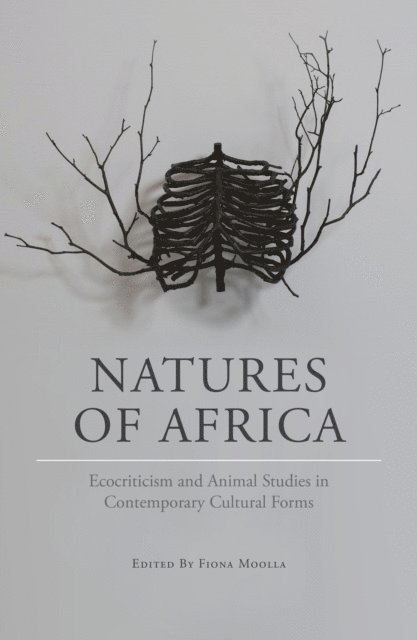
Environmental and animal studies are rapidly growing areas of interest across a number of disciplines. Natures of Africa is one of the first edited volumes which encompasses transdisciplinary approaches to a number of cultural forms, including fiction, non-fiction, oral expression and digital media. The volume features new research from East Africa and Zimbabwe, as well as the ecocritical and eco-activist ‘powerhouses’ of Nigeria and South Africa. The chapters engage one another conceptually and epistemologically without an enforced consensus of approach. In their conversation with dominant ideas about nature and animals, they reveal unexpected insights into forms of cultural expression of local communities in Africa. The analyses explore different apprehensions of the connections between humans, animals and the environment, and suggest alternative ways of addressing the challenges facing the continent. These include the problems of global warming, desertification, floods, animal extinctions and environmental destruction attendant upon fossil fuel extraction. There are few books that show how nature in Africa is represented, celebrated, mourned or commoditised. Natures of Africa weaves together studies of narratives – from folklore, travel writing, novels and popular songs – with the insights of poetry and contemporary reflections of Africa on the worldwide web. The chapters test disciplinary and conceptual boundaries, highlighting the ways in which the environmental concerns of African communities cannot be disentangled from social, cultural and political questions. This volume draws on and will appeal to scholars and teachers of oral tradition and indigenous cultures, literature, religion, sociology and anthropology, environmental and animal studies, as well as media and digital cultures in an African context.
Häftad, Engelska, 2013
516 kr
Skickas inom 5-8 vardagar
E-bok
PDF, Engelska, 2013590 kr
Läs direkt efter köp
This book draws on the case of the Shona and other Bantu people of Africa to argue that names are not mere identity tags. Names are an important cultural symbol of the people who give and bear them. The book challenges linguists and other social scientists to pay particular attention to the significance of names in the study of language use in society. Equally, it demonstrates the importance of names as part of the distinctive repertoire of Shona cultural heritage. Each Shona sentential name is a statement about that reality of being Shona. Carried in each name are sentiments that reflect on prevalent social, economic and political relations. The book focuses in particular on social names, religious names and war names inspired by such events as Zimbabwe,s war of liberation.