Jacob S. Eder – författare
Visar alla böcker från författaren Jacob S. Eder. Handla med fri frakt och snabb leverans.
6 produkter
6 produkter
Inbunden, Engelska, 2016
620 kr
Skickas inom 5-8 vardagar
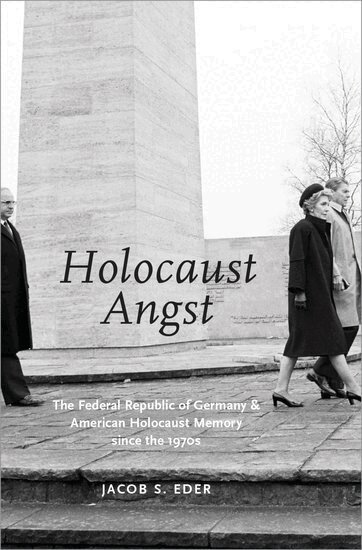
In the face of an outpouring of research on Holocaust history, Holocaust Angst takes an innovative approach. It explores how Germans perceived and reacted to how Americans publicly commemorated the Holocaust. It argues that a network of mostly conservative West German officials and their associates in private organizations and foundations, with Chancellor Kohl located at its center, perceived themselves as the "victims" of the afterlife of the Holocaust in America. They were concerned that public manifestations of Holocaust memory, such as museums, monuments, and movies, could severely damage the Federal Republic's reputation and even cause Americans to question the Federal Republic's status as an ally. From their perspective, American Holocaust memorial culture constituted a stumbling block for (West) German-American relations since the late 1970s. Providing the first comprehensive, archival study of German efforts to cope with the Nazi past vis-à-vis the United States up to the 1990s, this book uncovers the fears of German officials -- some of whom were former Nazis or World War II veterans -- about the impact of Holocaust memory on the reputation of the Federal Republic and reveals their at times negative perceptions of American Jews. Focusing on a variety of fields of interaction, ranging from the diplomatic to the scholarly and public spheres, the book unearths the complicated and often contradictory process of managing the legacies of genocide on an international stage. West German decision makers realized that American Holocaust memory was not an "anti-German plot" by American Jews and acknowledged that they could not significantly change American Holocaust discourse. In the end, German confrontation with American Holocaust memory contributed to a more open engagement on the part of the West German government with this memory and eventually rendered it a "positive resource" for German self-representation abroad. Holocaust Angst offers new perspectives on postwar Germany's place in the world system as well as the Holocaust culture in the United States and the role of transnational organizations.
E-bok
PDF, Engelska, 2016354 kr
Läs direkt efter köp
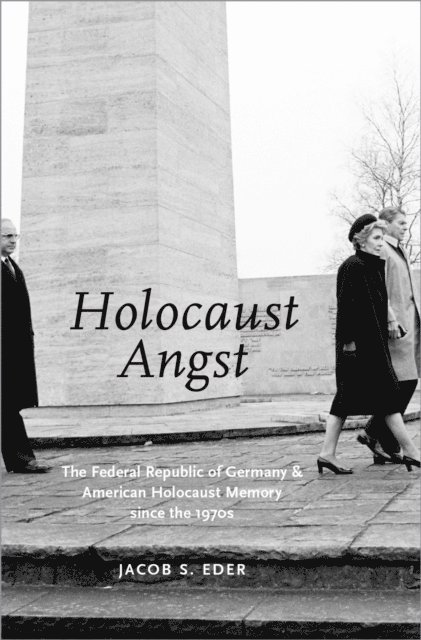
In the face of an outpouring of research on Holocaust history, Holocaust Angst takes an innovative approach. It explores how Germans perceived and reacted to how Americans publicly commemorated the Holocaust. It argues that a network of mostly conservative West German officials and their associates in private organizations and foundations, with Chancellor Kohl located at its center, perceived themselves as the "victims" of the afterlife of the Holocaust in America. They were concerned that public manifestations of Holocaust memory, such as museums, monuments, and movies, could severely damage the Federal Republic''s reputation and even cause Americans to question the Federal Republic''s status as an ally. From their perspective, American Holocaust memorial culture constituted a stumbling block for (West) German-American relations since the late 1970s.Providing the first comprehensive, archival study of German efforts to cope with the Nazi past vis-à-vis the United States up to the 1990s, this book uncovers the fears of German officials-some of whom were former Nazis or World War II veterans-about the impact of Holocaust memory on the reputation of the Federal Republic and reveals their at times negative perceptions of American Jews. Focusing on a variety of fields of interaction, ranging from the diplomatic to the scholarly and public spheres, the book unearths the complicated and often contradictory process of managing the legacies of genocide on an international stage. West German decision makers realized that American Holocaust memory was not an "anti-German plot" by American Jews and acknowledged that they could not significantly change American Holocaust discourse. In the end, German confrontation with American Holocaust memory contributed to a more open engagement on the part of the West German government with this memory and eventually rendered it a "positive resource" for German self-representation abroad.Holocaust Angst offers new perspectives on postwar Germany''s place in the world system as well as the Holocaust culture in the United States and the role of transnational organizations.
E-bok
Engelska, 2016367 kr
Läs direkt efter köp
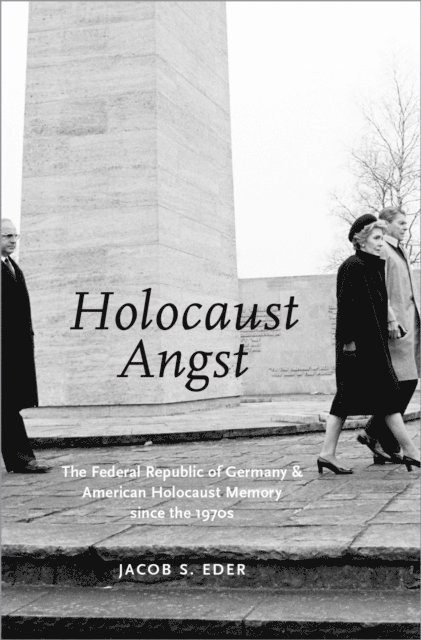
In the face of an outpouring of research on Holocaust history, Holocaust Angst takes an innovative approach. It explores how Germans perceived and reacted to how Americans publicly commemorated the Holocaust. It argues that a network of mostly conservative West German officials and their associates in private organizations and foundations, with Chancellor Kohl located at its center, perceived themselves as the "victims" of the afterlife of the Holocaust in America. They were concerned that public manifestations of Holocaust memory, such as museums, monuments, and movies, could severely damage the Federal Republic''s reputation and even cause Americans to question the Federal Republic''s status as an ally. From their perspective, American Holocaust memorial culture constituted a stumbling block for (West) German-American relations since the late 1970s.Providing the first comprehensive, archival study of German efforts to cope with the Nazi past vis-à-vis the United States up to the 1990s, this book uncovers the fears of German officials-some of whom were former Nazis or World War II veterans-about the impact of Holocaust memory on the reputation of the Federal Republic and reveals their at times negative perceptions of American Jews. Focusing on a variety of fields of interaction, ranging from the diplomatic to the scholarly and public spheres, the book unearths the complicated and often contradictory process of managing the legacies of genocide on an international stage. West German decision makers realized that American Holocaust memory was not an "anti-German plot" by American Jews and acknowledged that they could not significantly change American Holocaust discourse. In the end, German confrontation with American Holocaust memory contributed to a more open engagement on the part of the West German government with this memory and eventually rendered it a "positive resource" for German self-representation abroad.Holocaust Angst offers new perspectives on postwar Germany''s place in the world system as well as the Holocaust culture in the United States and the role of transnational organizations.
Häftad, Engelska, 2021
421 kr
Skickas inom 5-8 vardagar
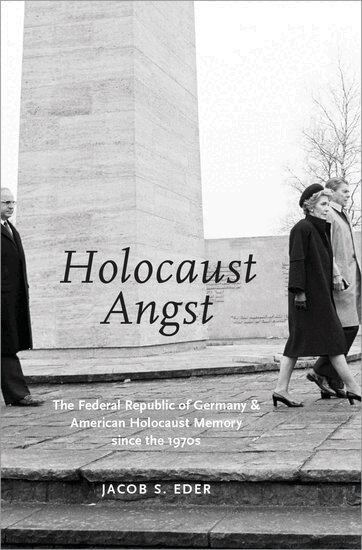
In the face of an outpouring of research on Holocaust history, Holocaust Angst takes an innovative approach. It explores how Germans perceived and reacted to how Americans publicly commemorated the Holocaust. It argues that a network of mostly conservative West German officials and their associates in private organizations and foundations, with Chancellor Kohl located at its center, perceived themselves as the "victims" of the afterlife of the Holocaust in America. They were concerned that public manifestations of Holocaust memory, such as museums, monuments, and movies, could severely damage the Federal Republic's reputation and even cause Americans to question the Federal Republic's status as an ally. From their perspective, American Holocaust memorial culture constituted a stumbling block for (West) German-American relations since the late 1970s. Providing the first comprehensive, archival study of German efforts to cope with the Nazi past vis-Ã -vis the United States up to the 1990s, this book uncovers the fears of German officials-some of whom were former Nazis or World War II veterans-about the impact of Holocaust memory on the reputation of the Federal Republic and reveals their at times negative perceptions of American Jews. Focusing on a variety of fields of interaction, ranging from the diplomatic to the scholarly and public spheres, the book unearths the complicated and often contradictory process of managing the legacies of genocide on an international stage. West German decision makers realized that American Holocaust memory was not an "anti-German plot" by American Jews and acknowledged that they could not significantly change American Holocaust discourse. In the end, German confrontation with American Holocaust memory contributed to a more open engagement on the part of the West German government with this memory and eventually rendered it a "positive resource" for German self-representation abroad. Holocaust Angst offers new perspectives on postwar Germany's place in the world system as well as the Holocaust culture in the United States and the role of transnational organizations.
E-bok
PDF, Engelska, 2017317 kr
Läs direkt efter köp
Aus einer globalen Perspektive werden Entwicklung und Funktion der Erinnerung an den Holocaust in nationalen und regionalen Kontexten untersucht.Die Erinnerung an den Holocaust ist zentraler Bestandteil des historischen Bewusstseins und der politischen Kultur im wiedervereinigten Deutschland, in Israel und in den USA. Doch lässt sich das auch für andere Teile der Welt so sagen? Wie haben sich Gesellschaften, die nicht von Besatzung und Vernichtungsmaßnahmen des NS-Regimes betroffen waren, mit dem Erbe des Holocaust auseinandergesetzt? Wie haben Minderheiten mit einer eigenen Verfolgungserfahrung auf konkrete Erinnerungsakte reagiert? Wie wirkt sich der demografische Wandel auf die Erinnerung aus? In welcher Form haben sich Einwanderer mit der zentralen Bedeutung des Holocaust auseinandergesetzt?Aus einer globalen Perspektive und in unterschiedlichen nationalen und regionalen Kontexten analysieren internationale Experten den weltweiten Wandel des Holocaust-Gedenkens. Die insgesamt vierzehn Fallbeispiele konzentrieren sich auf die Genese und die Funktionen des Gedenkens in Europa, Nord- und Südamerika, Israel, Nordafrika, Südafrika und Asien. Im Band werden Widersprüche und Herausforderungen in einem Prozess aufgespürt und diskutiert, der häufig als »Globalisierung« oder »Universalisierung« des Holocaust-Gedenkens bezeichnet wird.
E-bok
PDF, Tyska, 2020385 kr
Läs direkt efter köp
Von der "Last der Geschichte" zur "besonderen Verantwortung".Der Umgang der amerikanischen Politik, Kultur und Gesellschaft mit dem Holocaust hat dessen Nachgeschichte seit den siebziger Jahren weltweit geprägt - ob durch die Fernsehserie "Holocaust", das Washingtoner Museum, den Film "Schindlers Liste" oder die Goldhagen-Debatte. Wie hat man in Deutschland auf diese Entwicklung reagiert? Auf der Basis erstmals zugänglicher Quellen zeigt Jacob S. Eder, dass das Umfeld von Helmut Kohl, aber auch der Kanzler selbst, die zunehmende Beschäftigung der Amerikaner mit dem nationalsozialistischen Judenmord als Gefahr für die politischen Interessen und das Ansehen der Bundesrepublik betrachteten. Vor allem amerikanische Juden und jüdische Organisationen galten als Gegenspieler, denen man bisweilen unlautere Motive unterstellte. Bonn versuchte deshalb, den Diskurs in den USA gezielt zu beeinflussen und ihm ein positives Deutschlandbild entgegenzusetzen. Im Laufe der neunziger Jahre wurde freilich klar, dass der Umgang des Auslands mit dem Holocaust nicht zu steuern war - und wie wichtig ein eindeutiges Bekenntnis zur historischen Verantwortung ist.