Jacob Steere-Williams - Böcker
Visar alla böcker från författaren Jacob Steere-Williams. Handla med fri frakt och snabb leverans.
3 produkter
3 produkter
549 kr
Skickas inom 7-10 vardagar
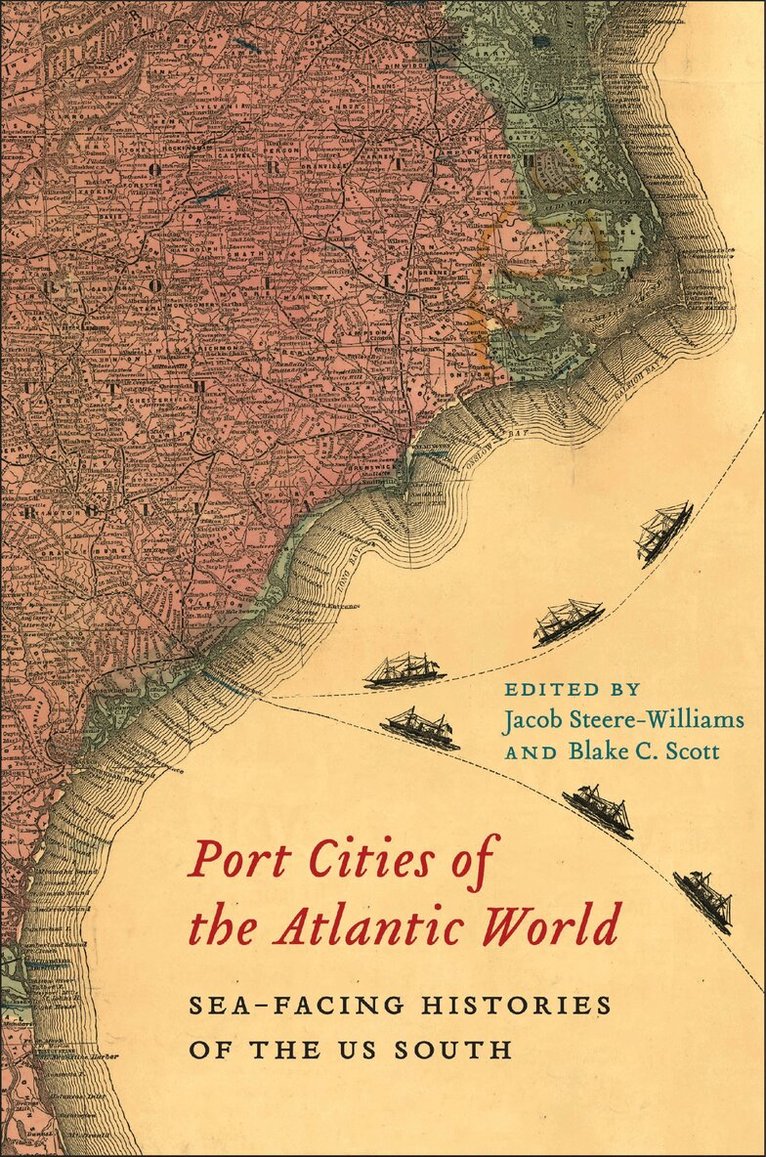
Traces the maritime routes and the historical networks that link port cities around the Atlantic worldPort Cities of the Atlantic World brings together a collection of essays that examine the centuries-long trans-Altlantic transportation of people, goods, and ideas with a focus on the impact of that trade on what would become the American South. Employing a wide temporal range and broad geographic scope, the scholars contributing to this volume call for a sea-facing history of the South, one that connects that terrestrial region to this expansive maritime history. By bringing the study up to the 20th century in the collection's final section, the editors, Jacob Steere-Williams and Blake C. Scott, make the case for the lasting influence of these port cities—and Atlantic world history—on the economy, society, and culture of the contemporary South.
Del 49 - Rochester Studies in Medical History
Filth Disease
Typhoid Fever and the Practices of Epidemiology in Victorian England
Inbunden, Engelska, 2020
1 195 kr
Skickas inom 7-10 vardagar
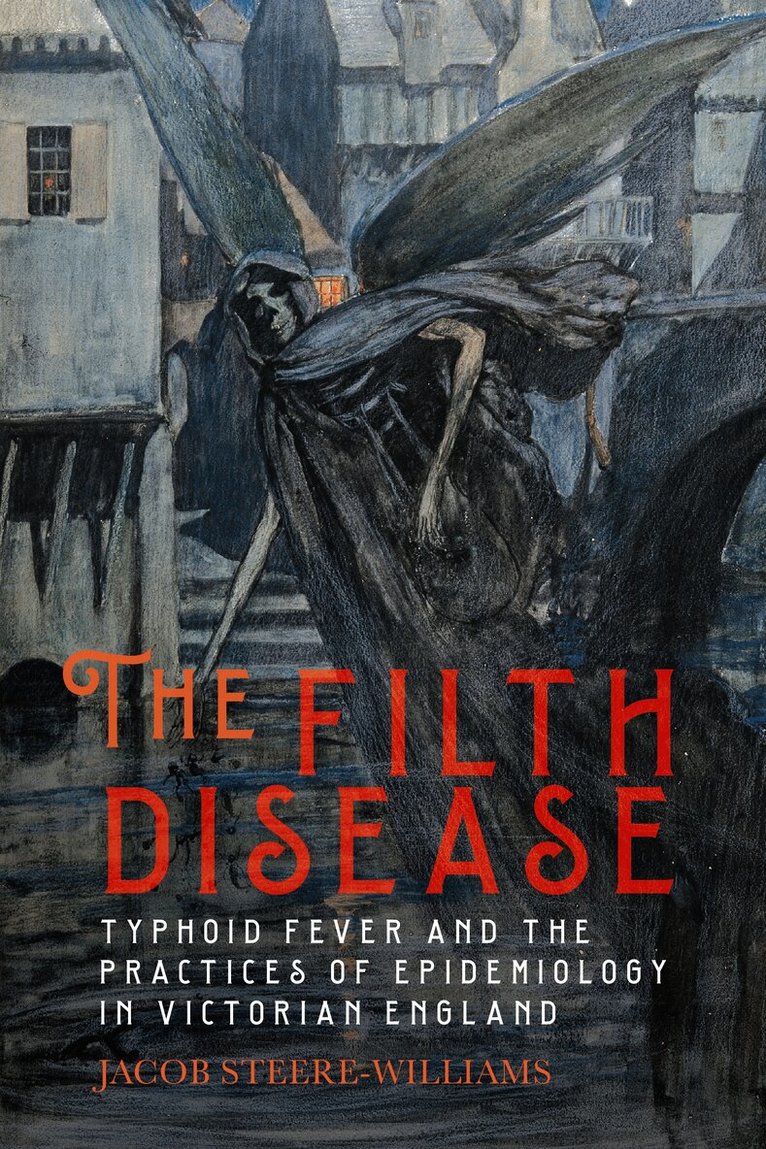
Shows how the investigation of local outbreaks of typhoid fever in Victorian Britain led to the emergence of the modern discipline of epidemiology as the leading science of public healthTyphoid fever is a food- and water-borne infectious disease that was insidious and omnipresent in Victorian Britain. It was one of the most prolific diseases of the Industrial Revolution. There was a palpable public anxiety aboutthe disease in the Victorian era, no doubt fueled by media coverage of major outbreaks across the nation, but also because Queen Victoria's husband, Prince Albert, died of the disease in 1861. Their son and heir, Prince Albert Edward, contracted and nearly succumbed to typhoid a decade later in 1871.The Filth Disease shows that typhoid was at the center of a number of critical debates about health, science, and governance. Victorian public health reformers, the book argues, working in central and local government, framed typhoid as the most pressing public health problem in order to persuade local officials to implement sanitary infrastructure to prevent the spread of disease. In this period British epidemiologists uncovered how typhoid is spread via food and water supplies, disrupting the longstanding idea that typhoid was spread via filth. In the process the modern disciple of epidemiology emerged as the chief science of public health. Typhoid was as much a social and political problem as it was a scientific one, and The Filth Disease provides a striking reminder of the cultural context in which infectious diseases strike populations and how scientists study them.
Del 49 - Rochester Studies in Medical History
Filth Disease
Typhoid Fever and the Practices of Epidemiology in Victorian England
Häftad, Engelska, 2024
345 kr
Skickas inom 7-10 vardagar
Shows how the investigation of local outbreaks of typhoid fever in Victorian Britain led to the emergence of the modern discipline of epidemiology as the leading science of public healthTyphoid fever is a food- and water-borne infectious disease that was insidious and omnipresent in Victorian Britain. It was one of the most prolific diseases of the Industrial Revolution. There was a palpable public anxiety aboutthe disease in the Victorian era, no doubt fueled by media coverage of major outbreaks across the nation, but also because Queen Victoria's husband, Prince Albert, died of the disease in 1861. Their son and heir, Prince Albert Edward, contracted and nearly succumbed to typhoid a decade later in 1871.The Filth Disease shows that typhoid was at the center of a number of critical debates about health, science, and governance. Victorian public health reformers, the book argues, working in central and local government, framed typhoid as the most pressing public health problem in order to persuade local officials to implement sanitary infrastructure to prevent the spread of disease. In this period British epidemiologists uncovered how typhoid is spread via food and water supplies, disrupting the longstanding idea that typhoid was spread via filth. In the process the modern disciple of epidemiology emerged as the chief science of public health. Typhoid was as much a social and political problem as it was a scientific one, and The Filth Disease provides a striking reminder of the cultural context in which infectious diseases strike populations and how scientists study them.