Jacques de Ville - Böcker
Visar alla böcker från författaren Jacques de Ville. Handla med fri frakt och snabb leverans.
6 produkter
6 produkter
671 kr
Skickas inom 10-15 vardagar
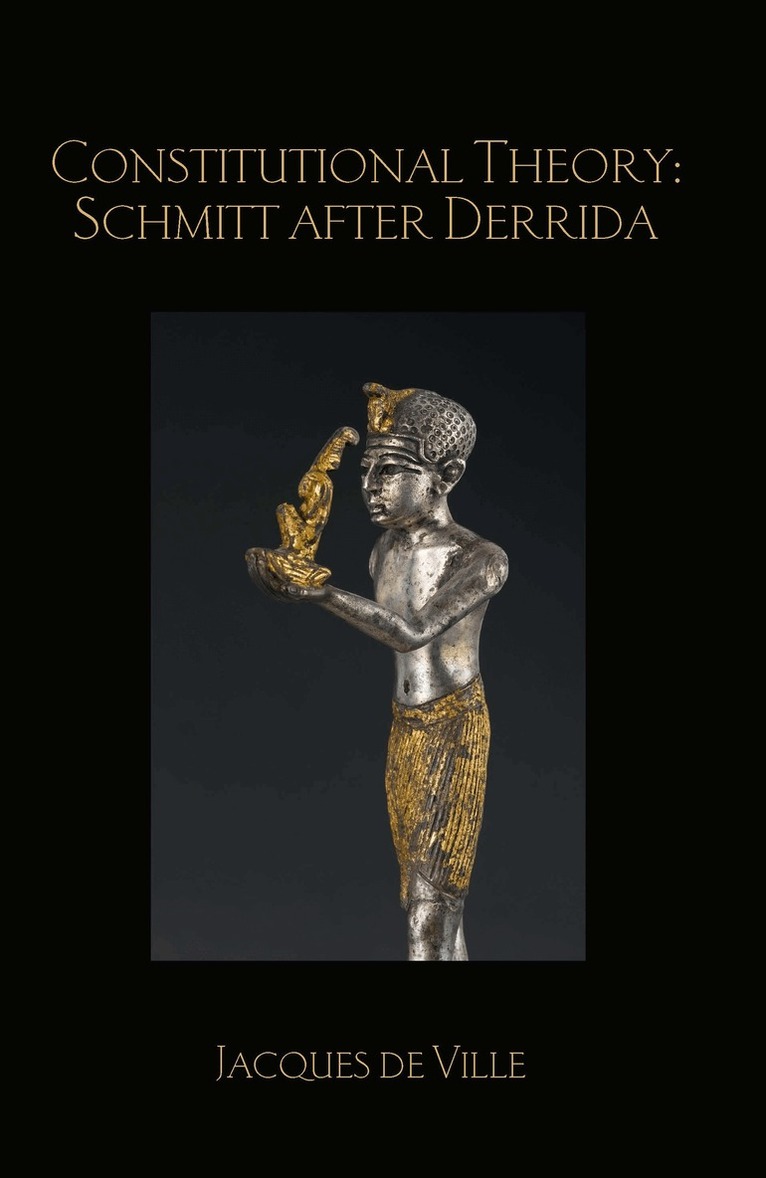
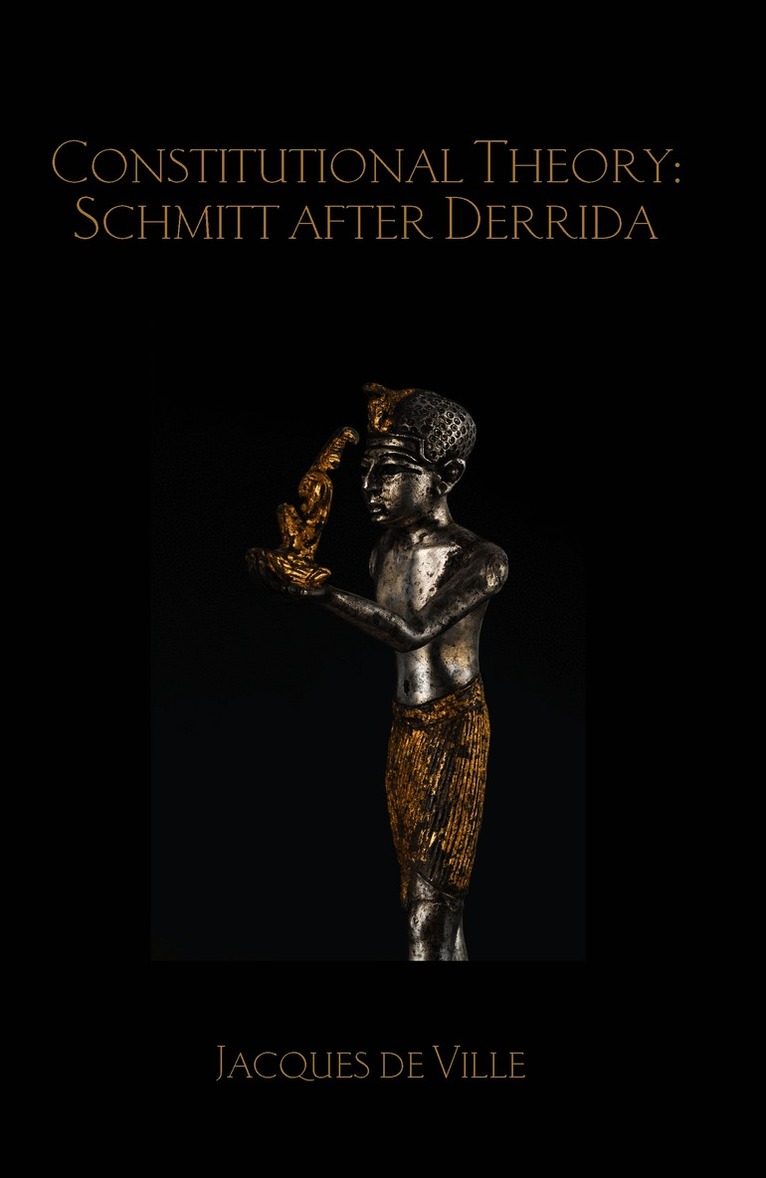
This book advances a new reading of the central works of Carl Schmitt and, in so doing, rethinks the primary concepts of constitutional theory. In this book, Jacques de Ville engages in a close analysis of a number of Schmitt’s texts, including Dictatorship (1921), The Concept of the Political (1927), Constitutional Theory (1928), Land and Sea (1942), Ex Captivitate Salus (1950), The Nomos of the Earth (1950) and The Theory of the Partisan (1963). This engagement takes place from the perspective of constitutional theory and focuses specifically on concepts or themes such as sovereignty, the state, the political, constituent power, democracy, representation, the constitution and human rights. The book seeks to rethink the structure of these concepts in line with Derrida’s analysis of Schmitt’s texts on the concept of the political in Politics of Friendship (1993). This happens by way of an analysis of Derrida’s engagement with Freud and other psychoanalysts. Although the main focus in the book is on Schmitt’s texts, it further examines two texts of Derrida (Khōra (1993) and Fors: The Anglish Words of Nicholas Abraham and Maria Torok (1976)), by reading these alongside Schmitt’s own reflections on the positive concept of the constitution.
1 992 kr
Skickas inom 10-15 vardagar
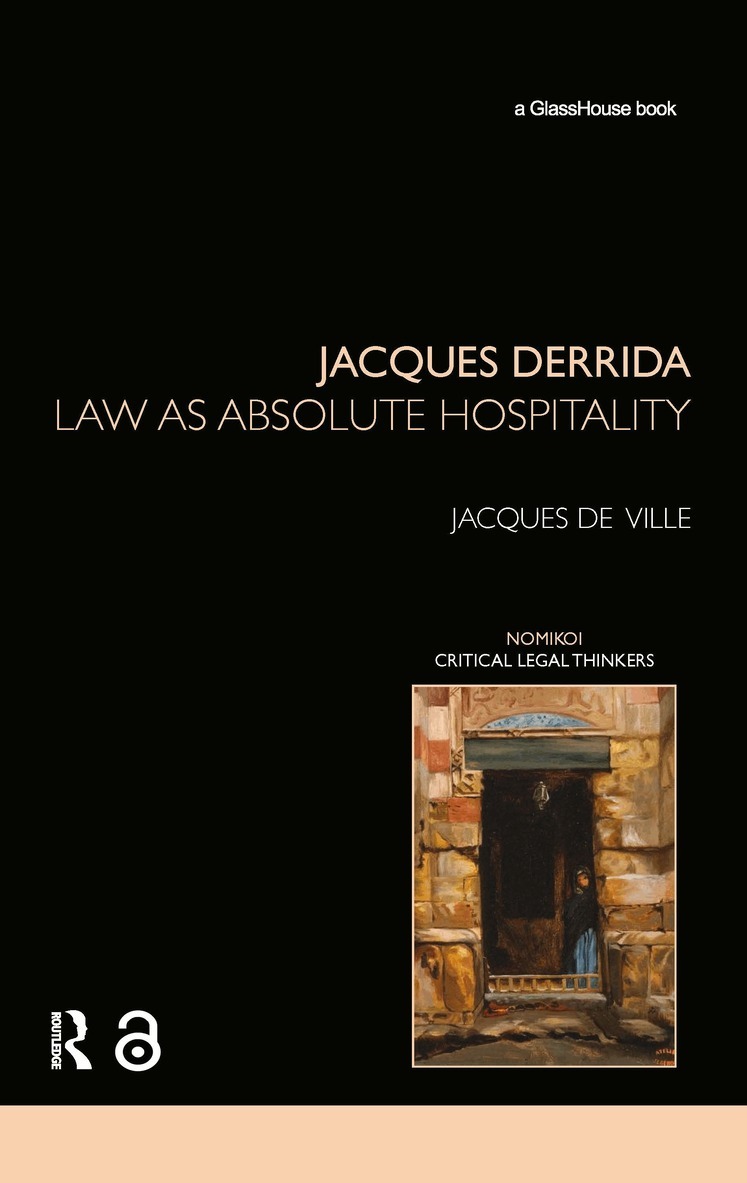
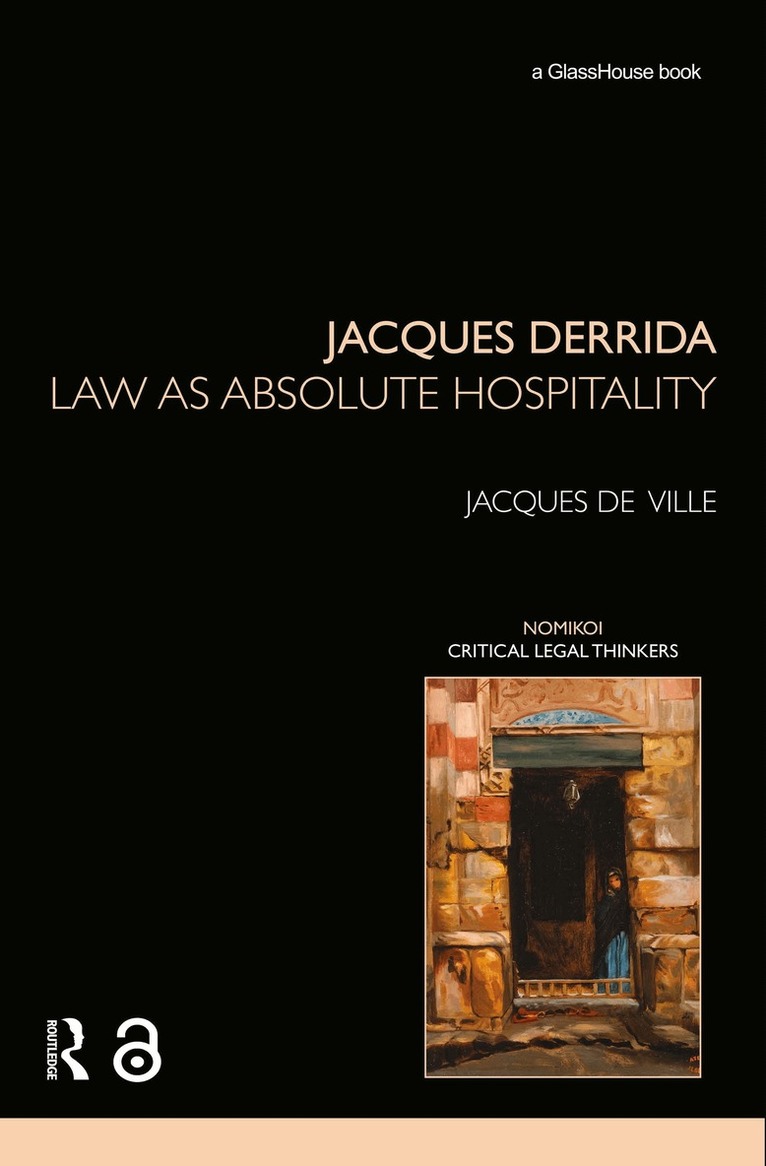
Jacques Derrida: Law as Absolute Hospitality presents a comprehensive account and understanding of Derrida’s approach to law and justice. Through a detailed reading of Derrida’s texts, Jacques de Ville contends that it is only by way of Derrida's deconstruction of the metaphysics of presence, and specifically in relation to the texts of Husserl, Levinas, Freud and Heidegger - that the reasoning behind his elusive works on law and justice can be grasped. Through detailed readings of texts such as To speculate – on Freud, Adieu, Declarations of Independence, Before the Law, Cogito and the history of madness, Given Time, Force of Law and Specters of Marx, De Ville contends that there is a continuity in Derrida’s thinking, and rejects the idea of an ‘ethical turn’. Derrida is shown to be neither a postmodernist nor a political liberal, but a radical revolutionary. De Ville also controversially contends that justice in Derrida’s thinking must be radically distinguished from Levinas’s reflections on ‘the other’. It is the notion of absolute hospitality - which Derrida derives from Levinas, but radically transforms - that provides the basis of this argument. Justice must on De Ville’s reading be understood in terms of a demand of absolute hospitality which is imposed on both the individual and the collective subject. A much needed account of Derrida's influential approach to law, Jacques Derrida: Law as Absolute Hospitality will be an invaluable resource for those with an interest in legal theory, and for those with an interest in the ethics and politics of deconstruction.
746 kr
Skickas inom 10-15 vardagar
Jacques Derrida: Law as Absolute Hospitality presents a comprehensive account and understanding of Derrida’s approach to law and justice. Through a detailed reading of Derrida’s texts, Jacques de Ville contends that it is only by way of Derrida's deconstruction of the metaphysics of presence, and specifically in relation to the texts of Husserl, Levinas, Freud and Heidegger - that the reasoning behind his elusive works on law and justice can be grasped. Through detailed readings of texts such as To speculate – on Freud, Adieu, Declarations of Independence, Before the Law, Cogito and the history of madness, Given Time, Force of Law and Specters of Marx, De Ville contends that there is a continuity in Derrida’s thinking, and rejects the idea of an ‘ethical turn’. Derrida is shown to be neither a postmodernist nor a political liberal, but a radical revolutionary. De Ville also controversially contends that justice in Derrida’s thinking must be radically distinguished from Levinas’s reflections on ‘the other’. It is the notion of absolute hospitality - which Derrida derives from Levinas, but radically transforms - that provides the basis of this argument. Justice must on De Ville’s reading be understood in terms of a demand of absolute hospitality which is imposed on both the individual and the collective subject. A much needed account of Derrida's influential approach to law, Jacques Derrida: Law as Absolute Hospitality will be an invaluable resource for those with an interest in legal theory, and for those with an interest in the ethics and politics of deconstruction.
2 088 kr
Skickas inom 10-15 vardagar
This book advances a new reading of the central works of Carl Schmitt and, in so doing, rethinks the primary concepts of constitutional theory. In this book, Jacques de Ville engages in a close analysis of a number of Schmitt’s texts, including Dictatorship (1921), The Concept of the Political (1927), Constitutional Theory (1928), Land and Sea (1942), Ex Captivitate Salus (1950), The Nomos of the Earth (1950) and The Theory of the Partisan (1963). This engagement takes place from the perspective of constitutional theory and focuses specifically on concepts or themes such as sovereignty, the state, the political, constituent power, democracy, representation, the constitution and human rights. The book seeks to rethink the structure of these concepts in line with Derrida’s analysis of Schmitt’s texts on the concept of the political in Politics of Friendship (1993). This happens by way of an analysis of Derrida’s engagement with Freud and other psychoanalysts. Although the main focus in the book is on Schmitt’s texts, it further examines two texts of Derrida (Khōra (1993) and Fors: The Anglish Words of Nicholas Abraham and Maria Torok (1976)), by reading these alongside Schmitt’s own reflections on the positive concept of the constitution.
990 kr
Skickas
Investigates, by way of Derrida's engagements with Kant, how the foundations of modern constitutionalism can be differently conceived to address some of the challenges of the twenty-first century.Deconstructive Constitutionalism explores the relationship between the thinking of Immanuel Kant and Jacques Derrida concerning modern constitutionalism. Kant is widely recognized as one of the philosophical forebears of modern constitutionalism; that is, the notion that state powers should be defined and limited through a constitution. Kant laid the foundation of constitutionalism through his exposition of freedom, practical reason, and moral law. However, constitutionalism is under severe strain due to the challenges posed by inter alia climate change, global health, global conflict, authoritarianism, authoritarian populism, religious fundamentalism, migration, and inequality. Deconstructive Constitutionalism investigates, by way of Derrida's engagements with Kant, how the foundations of constitutionalism can be conceived differently to address some of these twenty-first-century challenges. The book examines the possible implications of such a re-reading of Kant for democracy, the human-animal relation, criminal law and punishment, as well as for a global constitutional order.
566 kr
Skickas inom 3-6 vardagar
Investigates, by way of Derrida's engagements with Kant, how the foundations of modern constitutionalism can be differently conceived to address some of the challenges of the twenty-first century.Deconstructive Constitutionalism explores the relationship between the thinking of Immanuel Kant and Jacques Derrida concerning modern constitutionalism. Kant is widely recognized as one of the philosophical forebears of modern constitutionalism; that is, the notion that state powers should be defined and limited through a constitution. Kant laid the foundation of constitutionalism through his exposition of freedom, practical reason, and moral law. However, constitutionalism is under severe strain due to the challenges posed by inter alia climate change, global health, global conflict, authoritarianism, authoritarian populism, religious fundamentalism, migration, and inequality. Deconstructive Constitutionalism investigates, by way of Derrida's engagements with Kant, how the foundations of constitutionalism can be conceived differently to address some of these twenty-first-century challenges. The book examines the possible implications of such a re-reading of Kant for democracy, the human-animal relation, criminal law and punishment, as well as for a global constitutional order.