James A. Brimson - Böcker
Visar alla böcker från författaren James A. Brimson. Handla med fri frakt och snabb leverans.
3 produkter
3 produkter
Del 1 - Wiley Cost Management Series
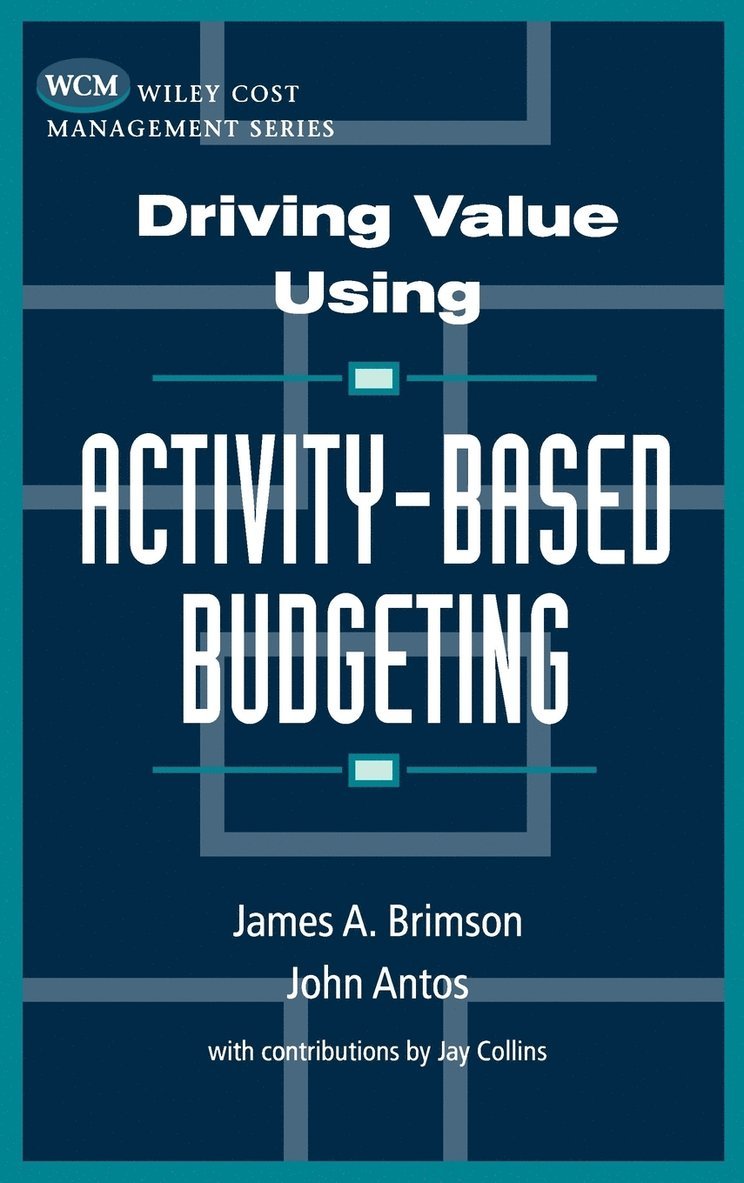
Driving Value Using Activity-Based Budgeting
Inbunden, Engelska, 1999
960 kr
Skickas inom 7-10 vardagar
A practical guide to the ABCs of ABB This unique resource takes an in-depth look at creating valuethrough activity-based budgeting (ABB). As most organizations aredissatisfied with some aspects of their performance, ABB has becomean increasingly popular process for which many companies areabandoning traditional methods that no longer meet their demands.Emphasizing the importance of budgeting by activities and featuresrather than by cost elements, Driving Value Using Activity-BasedBudgeting offers a complete overview of feature costing, atechnique used in conjunction with ABB, as well as the underlyingprinciples of ABB, including linking strategy to activities,forecasting revenue, capacity management, and gap analysis. Withnumerous examples and case studies, it shows how to usestate-of-the-art tools for achieving strategic goals, such ascustomer survey, core competency analysis, benchmarking, house ofactivities, reverse engineering to cascade strategy so everyone canact to create value for the organization. In today's highly pressurized business environment, creating valueis the number one priority for organizations. The key to achievingthis is having a budget and accounting system that supportslong-term goals. More and more organizations are now turning toactivity-based budgeting (ABB), an innovative approach that canhelp organizations become more competitive by linking the budgetingprocess to organization strategy. Explaining the importance ofbudgeting by activities rather than by cost elements, thisgroundbreaking resource--the first book of its kind--is a practicalhow-to that covers the essentials of Driving Value UsingActivity-Based Budgeting. Beginning with an overview of the fundamentals behind drivingvalue, James Brimson and John Antos examine what exactly value is,how it is created, and why traditional planning and budgeting oftenlead to the destruction of value. Following a clear outline of theproblems posed by the traditional budgeting process, the authors goon to explain that many companies have contemplated abandoning italtogether. In doing so, however, they must set performance targetsand identify actions to achieve the targets: "Once those actionsare implemented, there is a need to monitor the execution.Therefore, to drive value creation, organizations are implementingactivity-based budgeting (ABB)." This comprehensive guide offersin-depth coverage of ABB and feature costing, a technique used inconjunction with ABB. ABB creates value by translating the businessstrategy into the activities necessary to implement that strategy.Feature costing creates value by understanding sources of productand customer variation and relating this variation to expectedworkload. Along with the benefits of using ABB and feature costing,Driving Value Using Activity-Based Budgeting addresses suchessential topics as:* Translating strategy into a process and activityframework--performing activities and cross-functional processesthat support strategy and assessing current performance againststrategic goals* Forecasting revenue, volume, and workload--customer demographicsand needs, the competition exploding a bill of activities,determining workload for special projects* Capacity management--capacity defined, managing capacity,capacity management methodology, handling excess capacity* Getting started--creating a business process budget, budgetreview panels, rank and select activities, cost budgetedactivities Filled with numerous examples and case studies, a completeglossary, and an appendix of target-setting techniques, this ismust reading for everyone in your organization since allparticipants must continually ask themselves how they create value.
1 010 kr
Skickas inom 7-10 vardagar
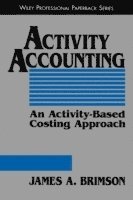
New costing procedures for a new economic age Increasing global competition is causing upheaval in every area ofindustry and commerce. An explosion in the use of advancedtechnologies is continuing to fundamentally revolutionize the waywe go about doing business. These factors are in turn drivingdramatic reductions in product life cycles (the average productlife cycle is now well under five years) and exerting tremendouspressure on profit margins. The effect has been to substantiallychange cost structures with their traditional focus on direct laborand arbitrary allocation of overhead. Yet we continue to measurecost in the old way. Now, here's a book that shows you how to update your accountingprocedures in order to effectively accommodate these significantchanges. Step by step, Activity Accounting: An Activity-BasedCosting Approach describes activity accounting in a clear, concisemanner. It emphasizes the strengths and benefits of anactivity-based approach to business management and demonstrates howyou can apply activity accounting to your organization. Activity-based accounting is an essential tool for running yourbusiness in the 90s. This book is a must-have tool for learning howto master it.
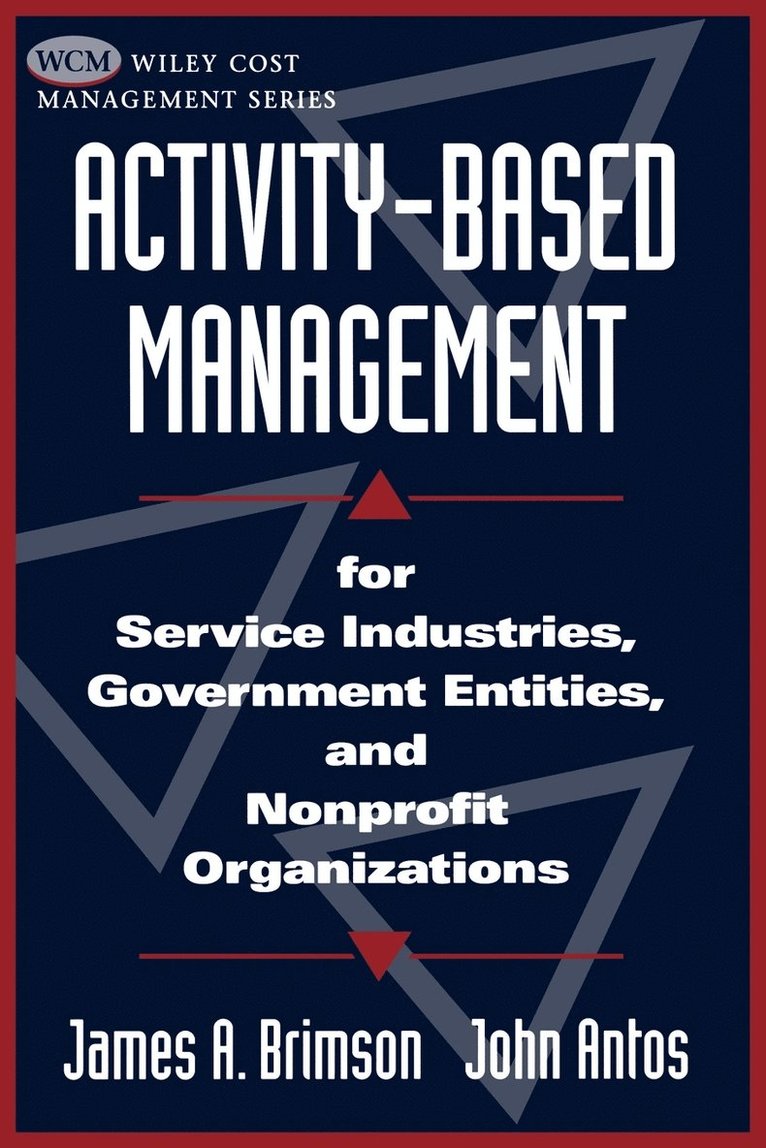
Activity-Based Management
For Service Industries, Government Entities, and Nonprofit Organizations
Häftad, Engelska, 1999
960 kr
Skickas inom 7-10 vardagar
Corporate Accounting The ABCs of ABM Activity-based management (ABM) has already proven extremely valuable to manufacturers in helping them cut waste, improve quality, reduce cycle times, and get their products to market faster. Now revised and expanded, this indispensable resource illustrates how ABM can be applied to all types of organizations-including service groups, government agencies, and nonprofit entities-and any department within them. Using a variety of examples, authors James A. Brimson and John Antos examine a company structure and break down its separate activities to measure each activity's cost/performance effectiveness. Introducing an innovative five-step approach to calculating activity cost, they provide tangible performance criteria linked to time, value, service, quality, flexibility, cost, and performance-to-schedule, and demonstrate how to use activity analysis to ensure that price structure is reflective of total costs. A vital tool for modern times, this is essential reading for CEOs, operations executives, controllers, managers, and others who are seeking a comprehensive, up-to-date guide on activity-based management and its proper implementation.