James A. Tyner – författare
Visar alla böcker från författaren James A. Tyner. Handla med fri frakt och snabb leverans.
65 produkter
Made in the Philippines
Häftad, 2019
691 kr
Lägg i varukorg
The Philippines is the world's largest exporter of temporary contract labor with a huge 800,000 workers a year being deployed on either six month or two year contracts. This labor migration is highly regulated by the government, private, and non-governmental/non-private organizations. Tyner argues …
Made in the Philippines
Inbunden, 2003
2512 kr
Lägg i varukorg
The Philippines is the world's largest exporter of temporary contract labor with a huge 800,000 workers a year being deployed on either six month or two year contracts. This labor migration is highly regulated by the government, private, and non-governmental/non-private organizations. Tyner argues …
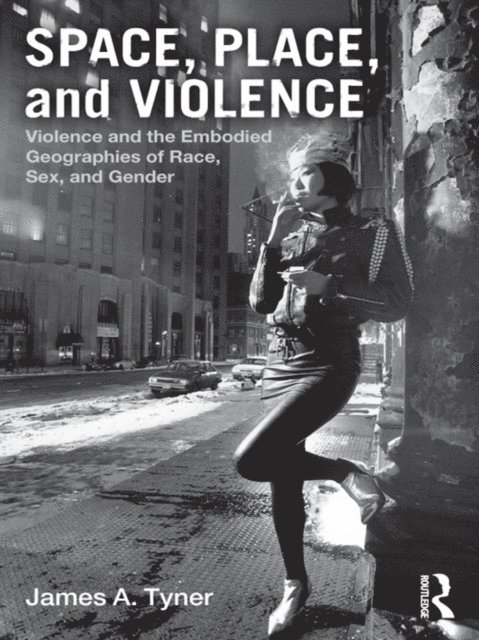
Space, Place, and Violence
Violence and the Embodied Geographies of Race, Sex and Gender
Inbunden, 2011
2744 kr
Lägg i varukorg
Direct, interpersonal violence is a pervasive, yet often mundane feature of our day-to-day lives; paradoxically, violence is both ordinary and extraordinary. Violence, in other words, is often hidden in plain sight. Space, Place, and Violence seeks to uncover that which is too apparent: to …
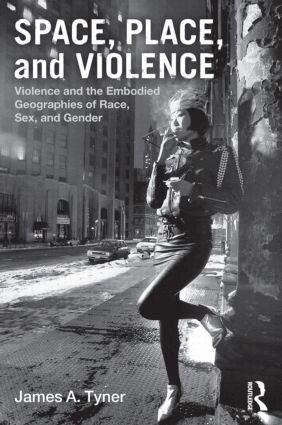
Space, Place, and Violence
Violence and the Embodied Geographies of Race, Sex and Gender
Häftad, 2011
750 kr
Lägg i varukorg
Direct, interpersonal violence is a pervasive, yet often mundane feature of our day-to-day lives; paradoxically, violence is both ordinary and extraordinary. Violence, in other words, is often hidden in plain sight. Space, Place, and Violence seeks to uncover that which is too apparent: to …
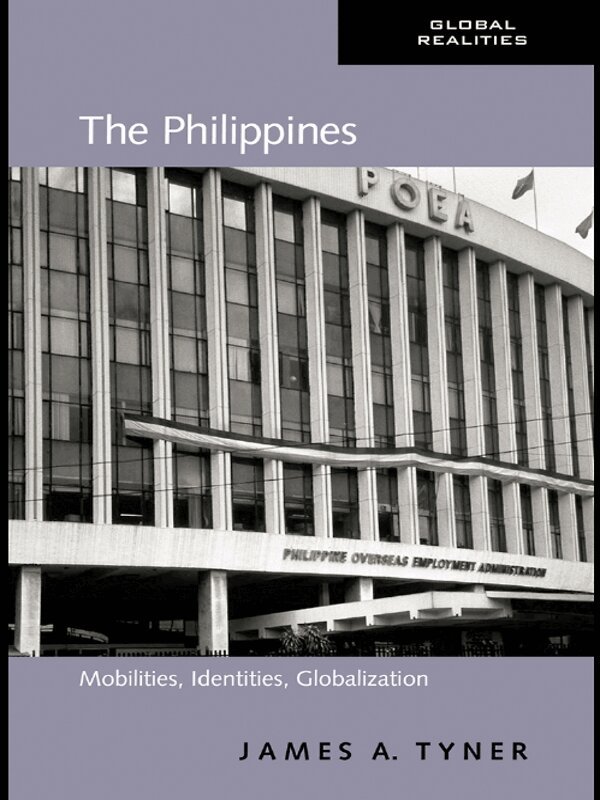
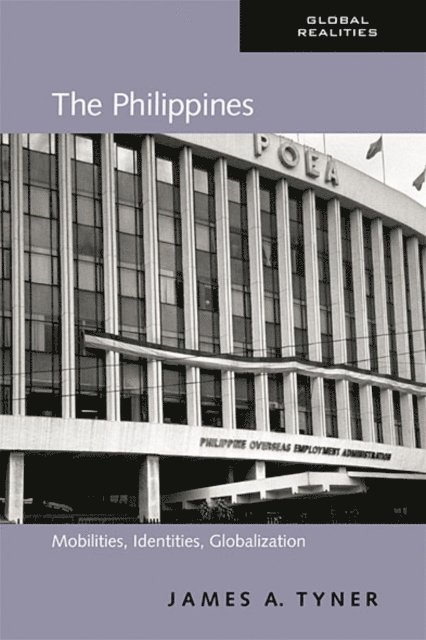
Philippines
Mobilities, Identities, Globalization
Inbunden, 2008
2512 kr
Lägg i varukorg
Nearly five million migrant workers from the Philippines are employed in over 190 countries and territories. They work as doctors and domestic helpers, engineers and entertainers, seamstresses and surveyors. It is through their collective labor that the Philippines has assumed a global presence. …
Philippines
Mobilities, Identities, Globalization
Häftad, 2008
604 kr
Lägg i varukorg
Nearly five million migrant workers from the Philippines are employed in over 190 countries and territories. They work as doctors and domestic helpers, engineers and entertainers, seamstresses and surveyors. It is through their collective labor that the Philippines has assumed a global presence. …
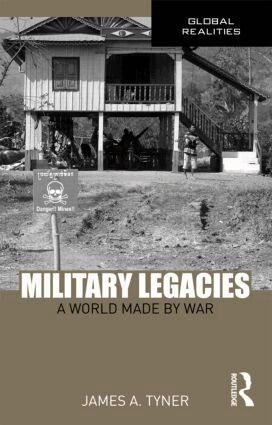
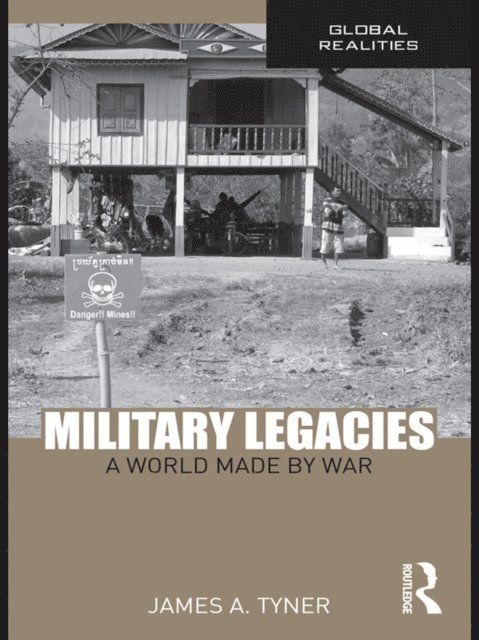
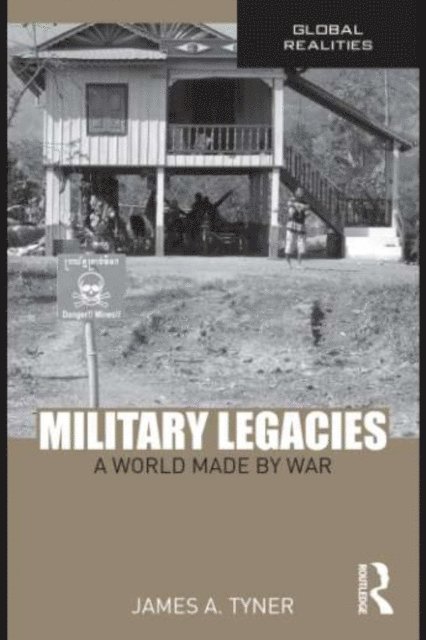
Military Legacies
A World Made By War
Inbunden, 2009
2744 kr
Lägg i varukorg
Landmines, cluster-bombs, chemical pollutants, and other remnants of war continue to cause death to humans and damage to the environment long after the guns have fallen silent. From the jungles of Vietnam to the arctic tundra of Russia, no region has escaped the legacy of warfare.To understand the …
Military Legacies
A World Made By War
Häftad, 2009
785 kr
Lägg i varukorg
Landmines, cluster-bombs, chemical pollutants, and other remnants of war continue to cause death to humans and damage to the environment long after the guns have fallen silent. From the jungles of Vietnam to the arctic tundra of Russia, no region has escaped the legacy of warfare.To understand the …
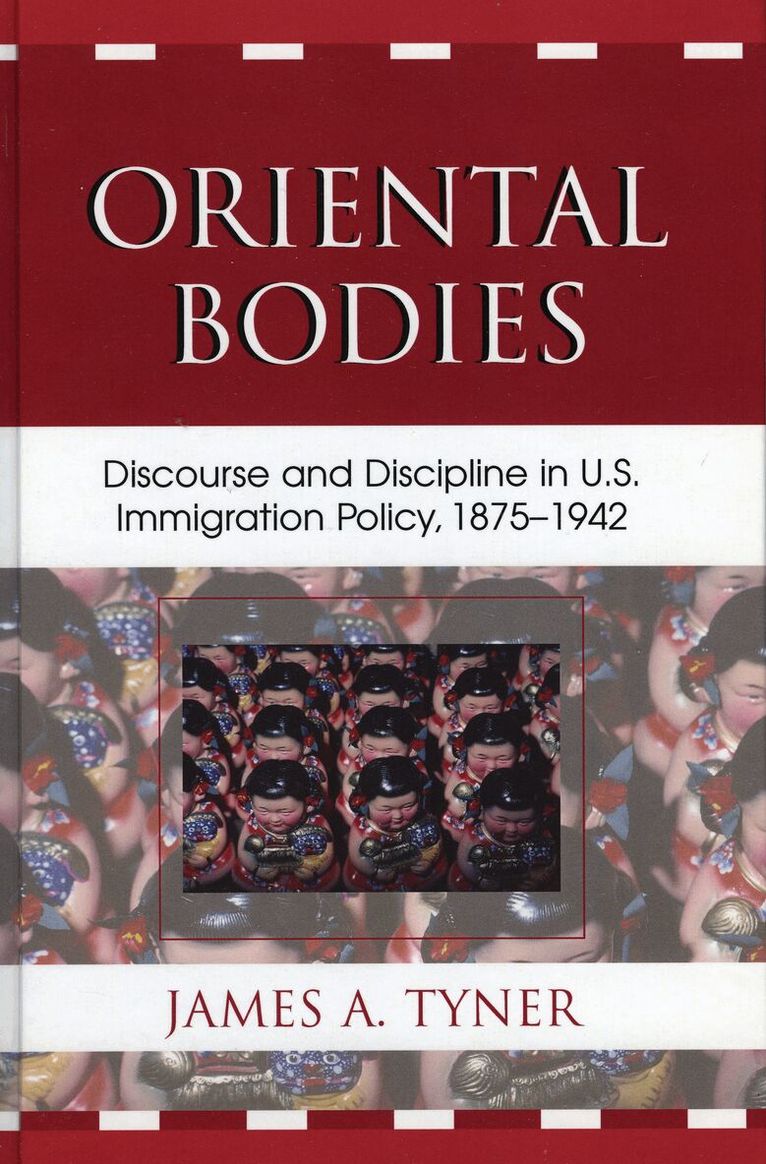
Oriental Bodies
Discourse and Discipline in U.S. Immigration Policy, 1875-1942
Häftad, 2006
558 kr
Lägg i varukorg
Oriental Bodies charts the discursive transformations of U.S. immigration policy between 1875 and 1942. Author James Tyner concentrates on the confluence of eugenics, geopolitics, and Orientalism as these intersect in the debates surrounding the exclusion of immigrants from China, Japan, and the …
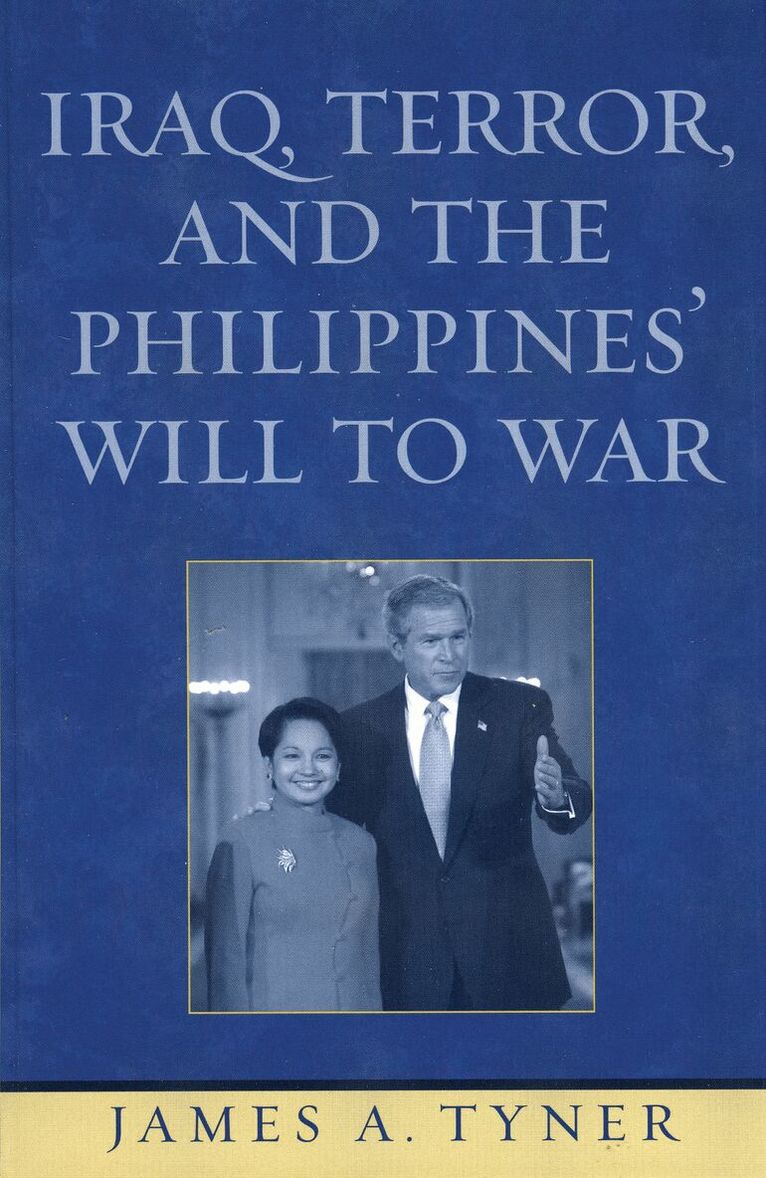
Iraq, Terror, and the Philippines' Will to War
Häftad, 2005
531 kr
Lägg i varukorg
After September 11, 2001, United States President George W. Bush put together a 'Coalition of the Willing.' From the very beginning this coalition included the Philippines, a willing participant in the U.S.-led invasion and occupation of Iraq and the larger War on Terror. This timely and persuasive …
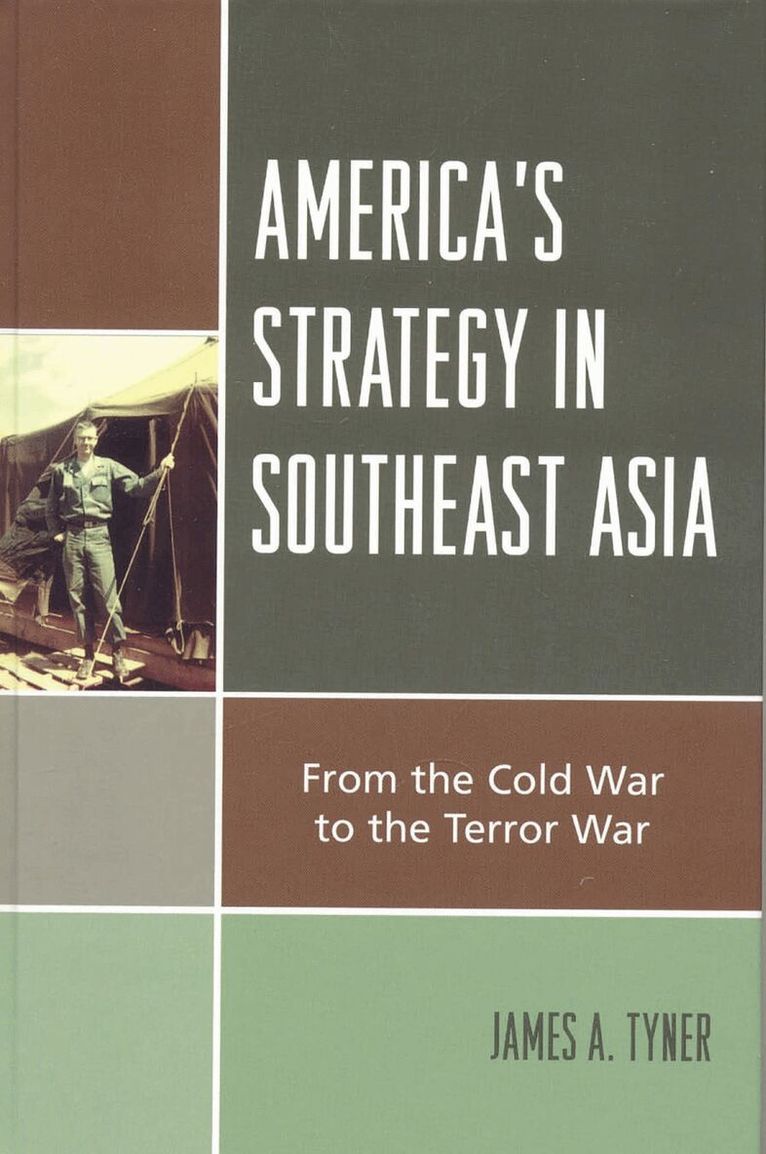
America's Strategy in Southeast Asia
From Cold War to Terror War
Inbunden, 2006
1561 kr
Lägg i varukorg
Geography encompasses everything from the local—where human beings live, work, and travel—to metageographies like nations and regions. James A. Tyner's inventive and multidisciplinary ideas on geography similarly range from the personal—his father's experience in the military during the Vietnam …
America's Strategy in Southeast Asia
From Cold War to Terror War
Häftad, 2006
713 kr
Lägg i varukorg
Geography encompasses everything from the local—where human beings live, work, and travel—to metageographies like nations and regions. James A. Tyner's inventive and multidisciplinary ideas on geography similarly range from the personal—his father's experience in the military during the Vietnam …
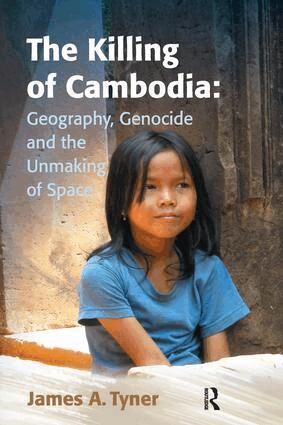
Killing of Cambodia: Geography, Genocide and the Unmaking of Space
Inbunden, 2008
2586 kr
Lägg i varukorg
Between 1975 and 1978, the Khmer Rouge carried out genocide in Cambodia unparalleled in modern history. Approximately 2 million died - almost one quarter of the population. Taking an explicitly geographical approach, this book argues whether the Khmer Rouge's activities not only led to genocide, …
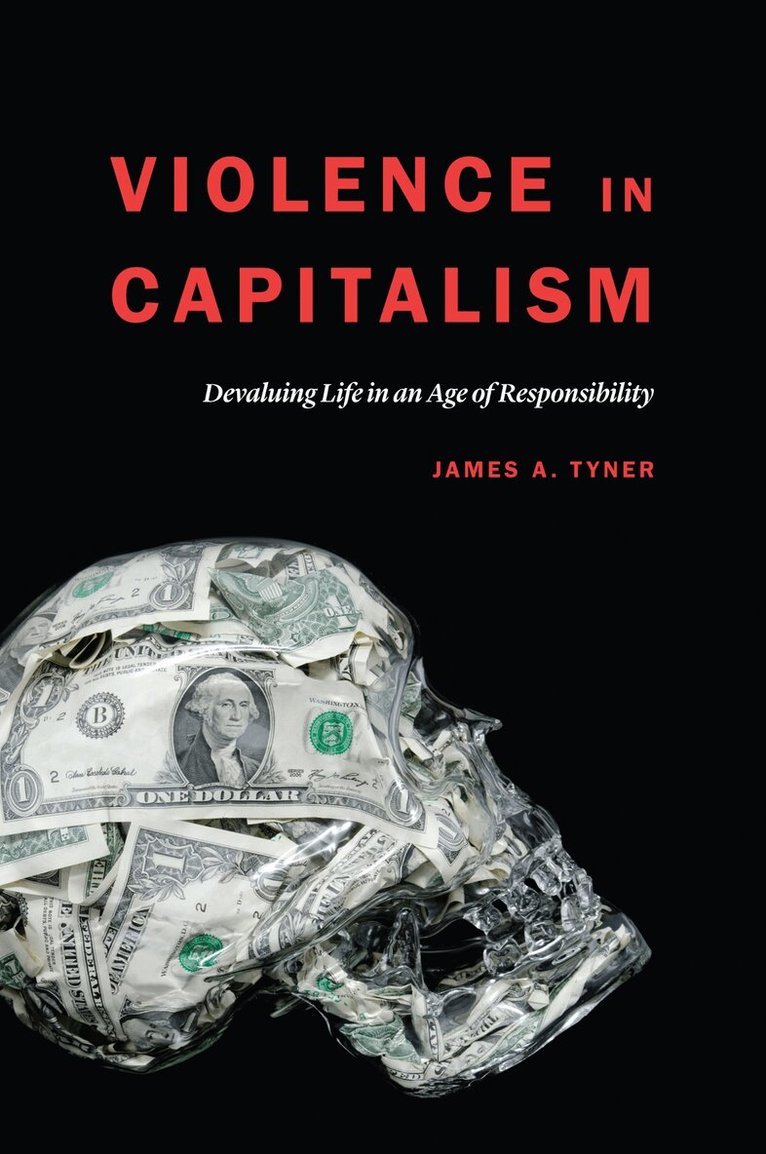
Violence in Capitalism
Devaluing Life in an Age of Responsibility
Inbunden, 2016
629 kr
Lägg i varukorg
What, James Tyner asks, separates the murder of a runaway youth from the death of a father denied a bone-marrow transplant because of budget cuts? Moving beyond our culture's reductive emphasis on whether a given act of violence is intentional—and may therefore count as deliberate murder—Tyner …
Business of War
Workers, Warriors and Hostages in Occupied Iraq
Inbunden, 2017
2512 kr
Lägg i varukorg
Since the cessation of major combat operations in Iraq, approximately 120 people - either contract workers or private soldiers - have been abducted, with one-third being executed. The largest contingent of these workers has been provided by the Philippines. Through a specific, though not exclusive, …
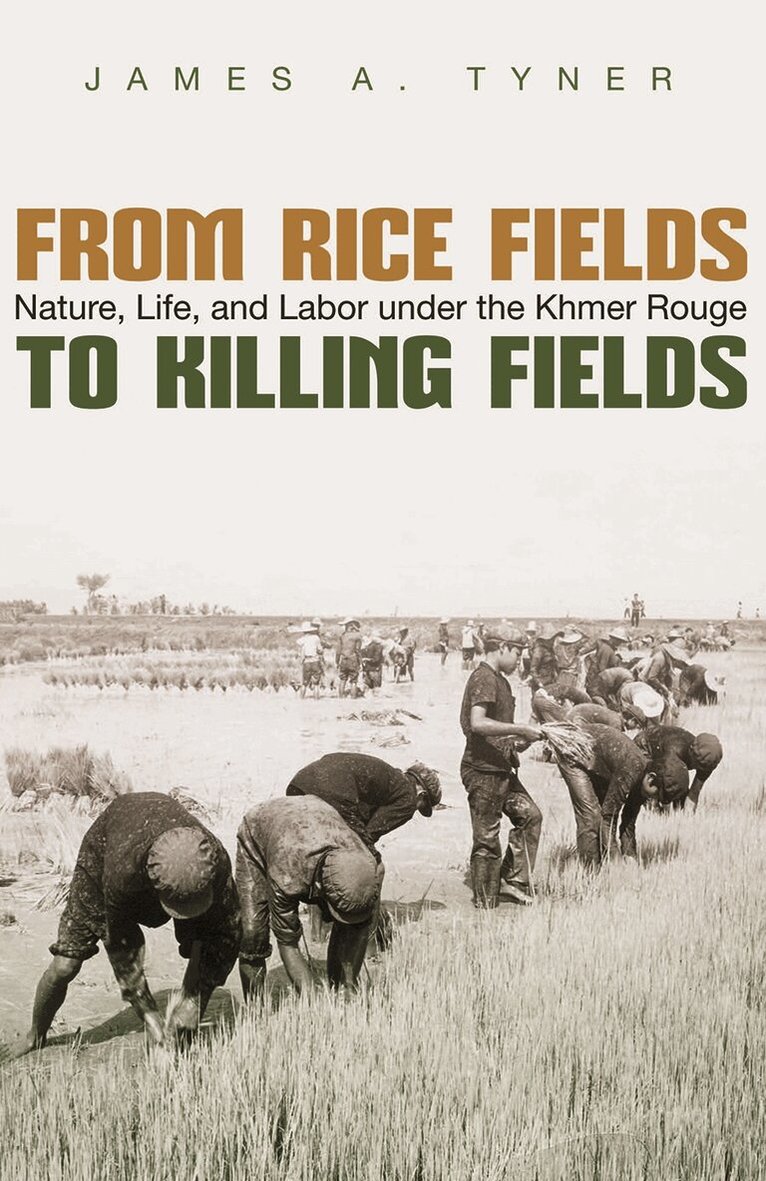
From Rice Fields to Killing Fields
Nature, Life and Labor Under the Khmer Rouge
Inbunden, 2017
706 kr
Lägg i varukorg
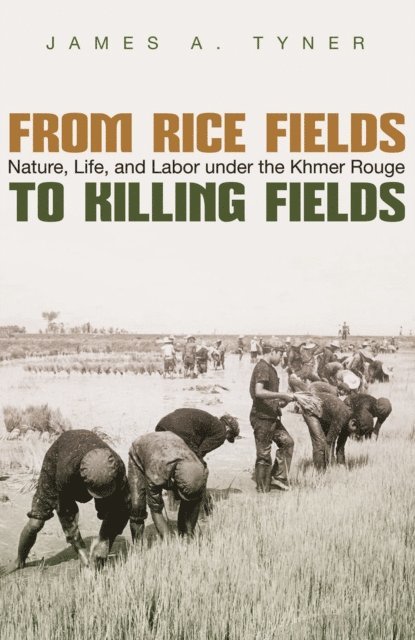
Between 1975 and 1979, the Communist Party of Kampuchea fundamentally transformed the social, economic, political, and natural landscape of Cambodia. During this time, as many as two million Cambodians died from exposure, disease, and starvation, or were executed at the hands of the party. …
From Rice Fields to Killing Fields
Nature, Life, and Labor under the Khmer Rouge
E-bok, 2017
410 kr
Lägg i varukorg
Between 1975 and 1979, the Communist Party of Kampuchea fundamentally transformed the social, economic, political, and natural landscape of Cambodia. During this time, as many as two million Cambodians died from exposure, disease, and starvation, or were executed at the hands of the Party. The …
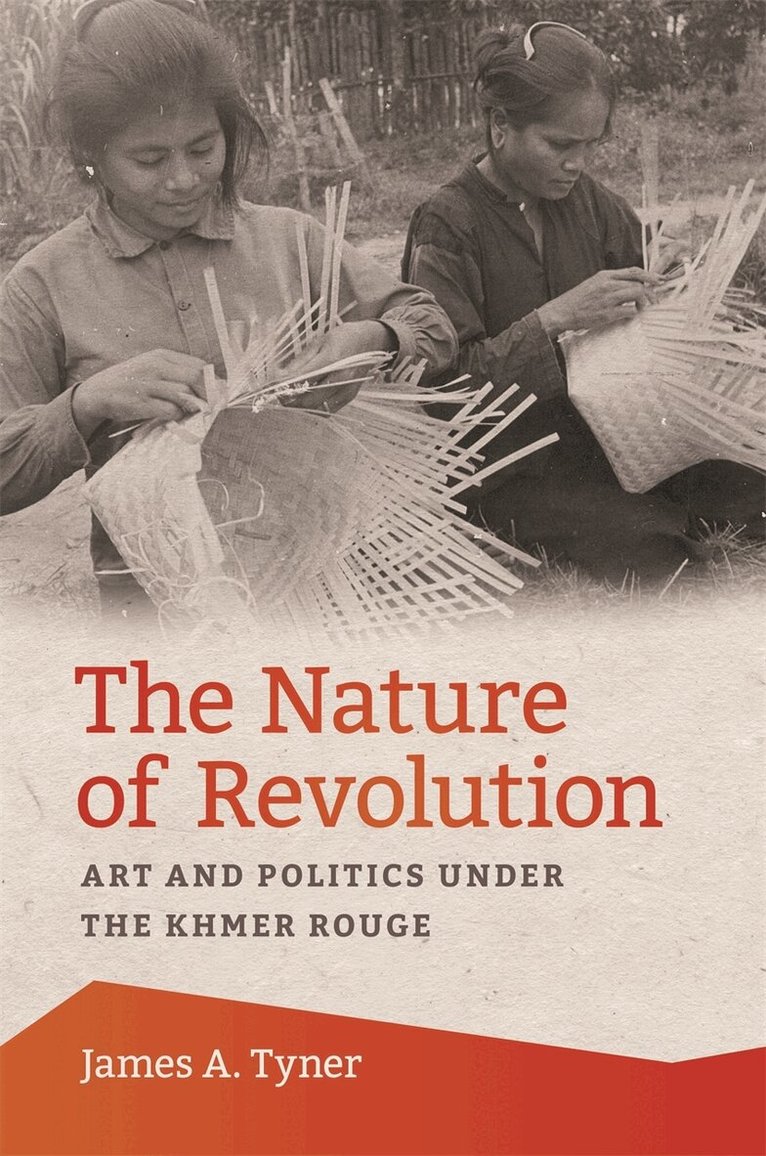
Nature of Revolution
Art and Politics under the Khmer Rouge
E-bok, 2019
1038 kr
Lägg i varukorg
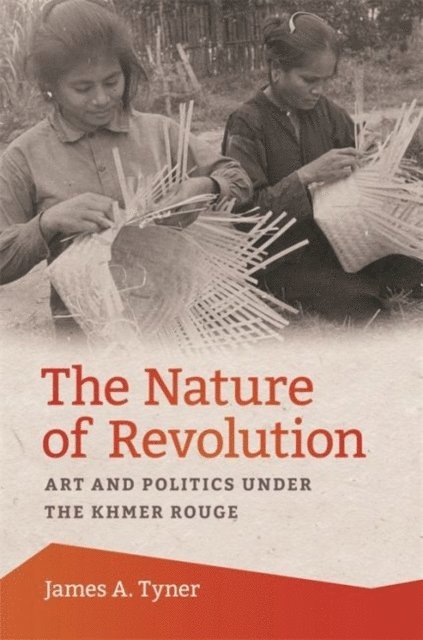
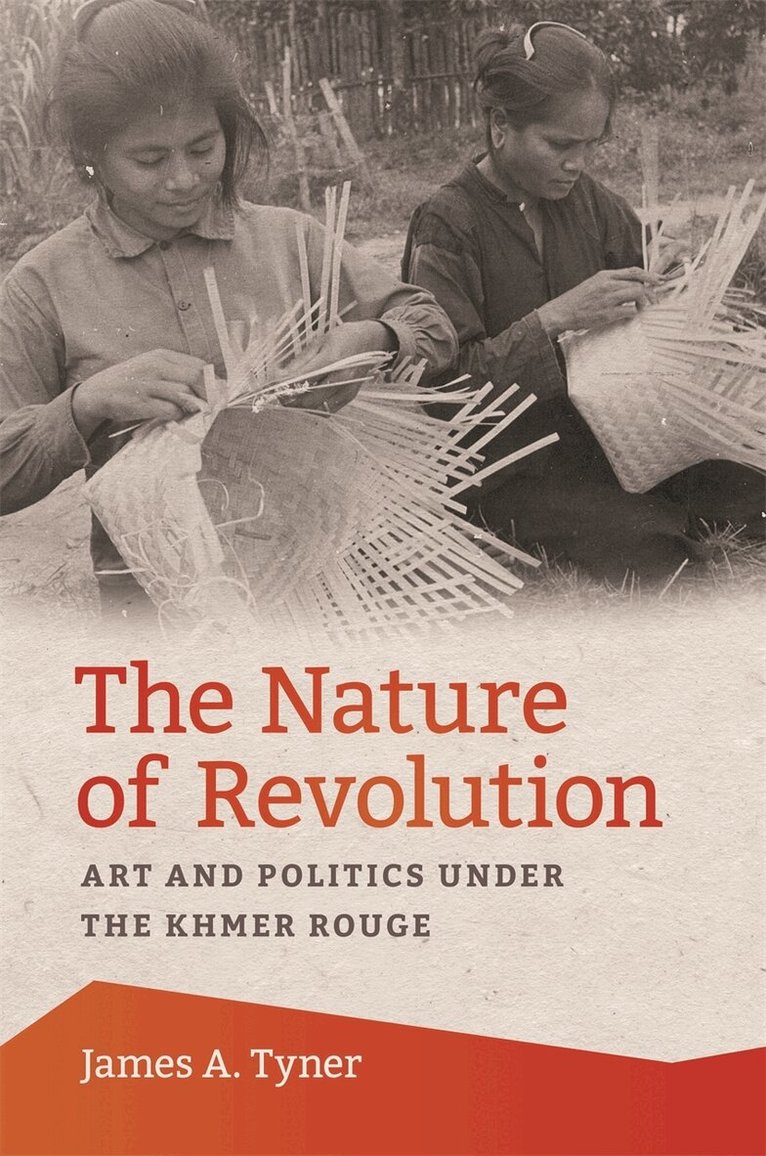
The Nature of Revolution provides the first account of art and politics under the brutal Khmer Rouge regime in Cambodia. James A. Tyner repositions Khmer Rouge artworks within their proper political and economic context: the materialization of a political organization in an era of anticolonial and …
Nature of Revolution
Art and Politics under the Khmer Rouge
Inbunden, 2019
1020 kr
Lägg i varukorg
The Nature of Revolution provides the first account of art and politics under the brutal Khmer Rouge regime in Cambodia. James A. Tyner repositions Khmer Rouge artworks within their proper political and economic context: the materialization of a political organization in an era of anticolonial and …
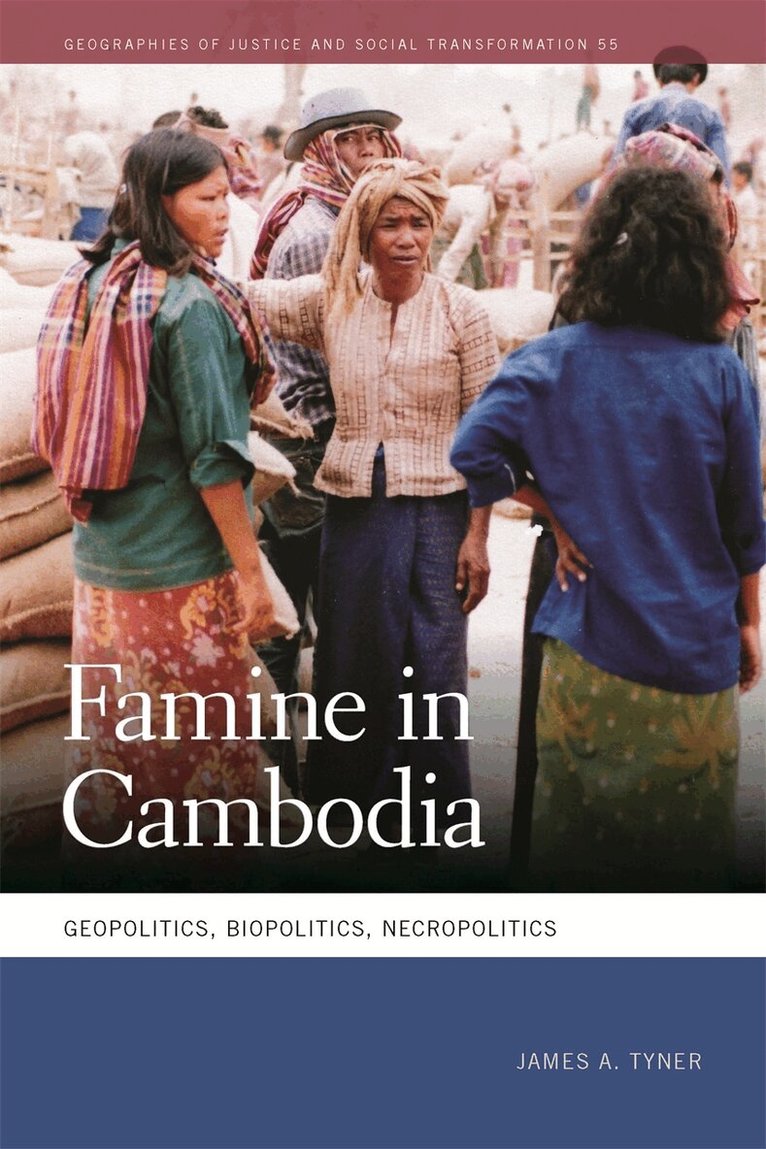
Famine in Cambodia
Geopolitics, Biopolitics, Necropolitics
Häftad, 2023
579 kr
Lägg i varukorg
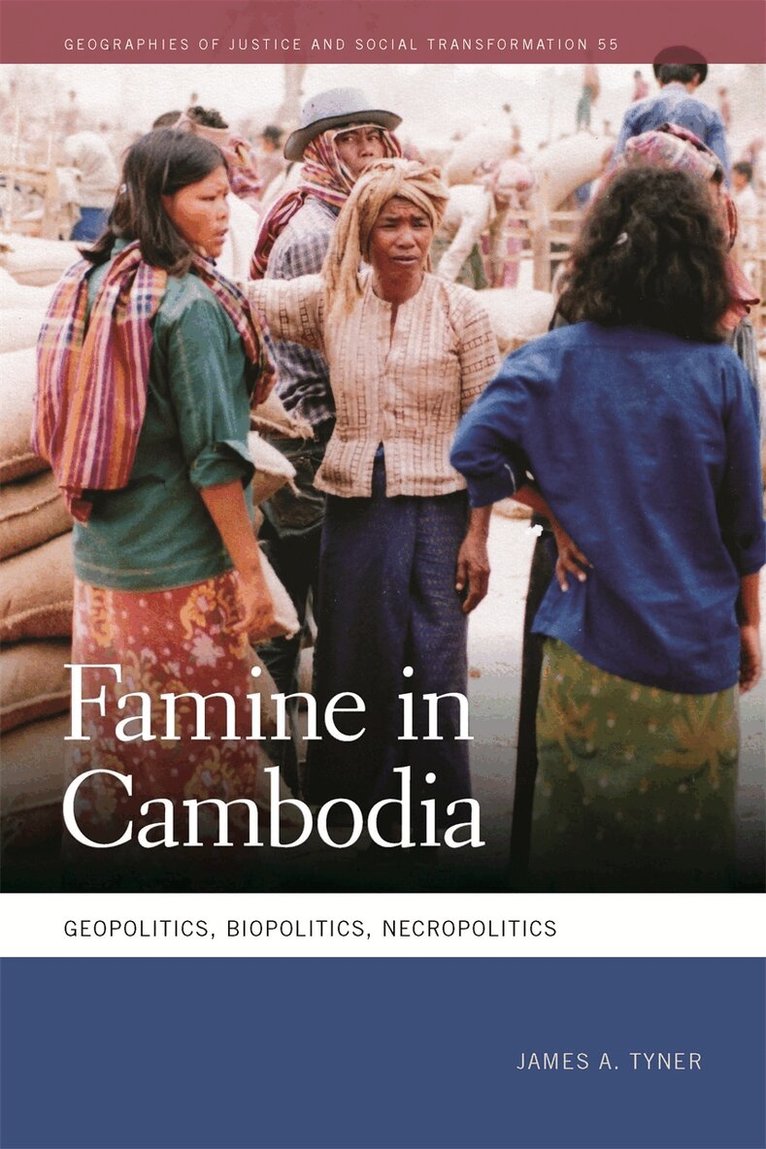
This book examines three consecutive famines in Cambodia during the 1970s, exploring both continuities and discontinuities of all three. Cambodia experienced these consecutive famines against the backdrop of four distinct governments: the Kingdom of Cambodia (1953–1970), the U.S.-supported Khmer …
Famine in Cambodia
Geopolitics, Biopolitics, Necropolitics
Inbunden, 2023
2134 kr
Lägg i varukorg
This book examines three consecutive famines in Cambodia during the 1970s, exploring both continuities and discontinuities of all three. Cambodia experienced these consecutive famines against the backdrop of four distinct governments: the Kingdom of Cambodia (1953–1970), the U.S.-supported Khmer …
Nature of Revolution
Art and Politics under the Khmer Rouge
Häftad, 2023
579 kr
Lägg i varukorg
The Nature of Revolution provides the first account of art and politics under the brutal Khmer Rouge regime in Cambodia. James A. Tyner repositions Khmer Rouge artworks within their proper political and economic context: the materialization of a political organization in an era of anticolonial and …
Nature of Revolution
Art and Politics under the Khmer Rouge
E-bok, 2019
991 kr
Lägg i varukorg
The Nature of Revolution provides the first account of art and politics under the brutal Khmer Rouge regime in Cambodia. James A. Tyner repositions Khmer Rouge artworks within their proper political and economic context: the materialization of a political organization in an era of anticolonial and …
Military Legacies
A World Made By War
E-bok, 2010
727 kr
Lägg i varukorg
Landmines, cluster-bombs, chemical pollutants, and other remnants of war continue to cause death to humans and damage to the environment long after the guns have fallen silent. From the jungles of Vietnam to the arctic tundra of Russia, no region has escaped the legacy of warfare. To understand the …
Military Legacies
A World Made By War
E-bok, 2010
712 kr
Lägg i varukorg
Landmines, cluster-bombs, chemical pollutants, and other remnants of war continue to cause death to humans and damage to the environment long after the guns have fallen silent. From the jungles of Vietnam to the arctic tundra of Russia, no region has escaped the legacy of warfare. To understand the …
Philippines
Mobilities, Identities, Globalization
E-bok, 2010
710 kr
Lägg i varukorg
Nearly five million migrant workers from the Philippines are employed in over 190 countries and territories. They work as doctors and domestic helpers, engineers and entertainers, seamstresses and surveyors. It is through their collective labor that the Philippines has assumed a global presence. …
Philippines
Mobilities, Identities, Globalization
E-bok, 2010
695 kr
Lägg i varukorg
Nearly five million migrant workers from the Philippines are employed in over 190 countries and territories. They work as doctors and domestic helpers, engineers and entertainers, seamstresses and surveyors. It is through their collective labor that the Philippines has assumed a global presence. …
Made in the Philippines
E-bok, 2004
814 kr
Lägg i varukorg
The Philippines is the world''s largest exporter of temporary contract labor with a huge 800,000 workers a year being deployed on either six month or two year contracts. This labor migration is highly regulated by the government, private, and non-governmental/non-private organizations. Tyner argues …
Made in the Philippines
E-bok, 2004
814 kr
Lägg i varukorg
The Philippines is the world''s largest exporter of temporary contract labor with a huge 800,000 workers a year being deployed on either six month or two year contracts. This labor migration is highly regulated by the government, private, and non-governmental/non-private organizations. Tyner argues …
Space, Place, and Violence
Violence and the Embodied Geographies of Race, Sex and Gender
E-bok, 2012
883 kr
Lägg i varukorg
Direct, interpersonal violence is a pervasive, yet often mundane feature of our day-to-day lives; paradoxically, violence is both ordinary and extraordinary. Violence, in other words, is often hidden in plain sight. Space, Place, and Violence seeks to uncover that which is too apparent: to …