
James C. Paterson – författare
445 kr
Skickas inom 5-8 vardagar
379 kr
Läs direkt efter köp
The book contains practical advise from the author''s experience as CAE of AstraZeneca PLC; from his work as a consultant specializing in this field; as well as insights from leading CAEs in the UK, US and elsewhere. In addition, there are important insights from thought leaders such as Richard Chambers (IIA US) and Norman Marks (GRC thought leader) and Chris Baker (Technical Manager of the IIA UK).
Increasing pressure on resources is driving a need for greater efficiency in all areas of business, and Internal Audit is no exception. Lean techniques can help streamline the workflow, but having only recently been applied to IA, lack the guidance available for other techniques. Lean Auditing fills this need by combining expert instruction and actionable advice that helps Internal Auditors:
Benchmark their efficiency against lean ways of working Understand warning signs of waste and lower added value Understanding practical ways of working that improve added value and reduce waste Gain confidence about progressive ways of working in internal audit Understand how improved ways of working in audit can positively impact the culture of the wider organizationOne of the keys to the lean audit is finding out exactly what the stakeholder wants, and eliminating everything else. Scaling back certain operations can delineate audit from advisory, and in the process, dramatically improve crucial outcomes. To this end, Lean Auditing is the key to IA efficiency.
379 kr
Läs direkt efter köp
The book contains practical advise from the author''s experience as CAE of AstraZeneca PLC; from his work as a consultant specializing in this field; as well as insights from leading CAEs in the UK, US and elsewhere. In addition, there are important insights from thought leaders such as Richard Chambers (IIA US) and Norman Marks (GRC thought leader) and Chris Baker (Technical Manager of the IIA UK).
Increasing pressure on resources is driving a need for greater efficiency in all areas of business, and Internal Audit is no exception. Lean techniques can help streamline the workflow, but having only recently been applied to IA, lack the guidance available for other techniques. Lean Auditing fills this need by combining expert instruction and actionable advice that helps Internal Auditors:
Benchmark their efficiency against lean ways of working Understand warning signs of waste and lower added value Understanding practical ways of working that improve added value and reduce waste Gain confidence about progressive ways of working in internal audit Understand how improved ways of working in audit can positively impact the culture of the wider organizationOne of the keys to the lean audit is finding out exactly what the stakeholder wants, and eliminating everything else. Scaling back certain operations can delineate audit from advisory, and in the process, dramatically improve crucial outcomes. To this end, Lean Auditing is the key to IA efficiency.
600 kr
Skickas inom 5-8 vardagar
685 kr
Läs direkt efter köp
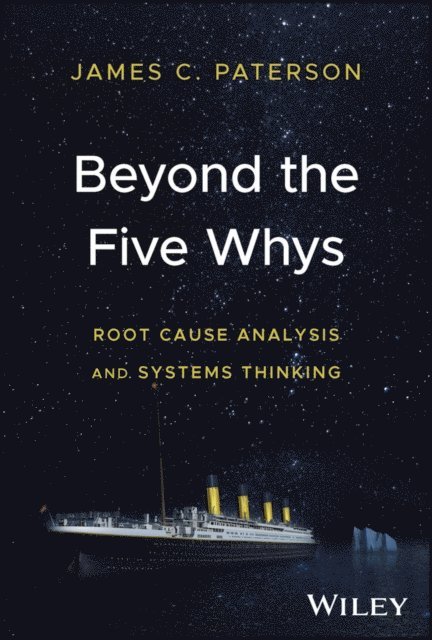
A straightforward explanation of root cause analysis and systems thinking, illustrating, with real-world examples and first-hand accounts, why things can ‘slip through our fingers’ and what to do to reduce the chances of things going off track.
Beyond the Five Whys summarises, for the first time, many of the tried and tested ways of understanding problems using insights from aviation, high reliability organisations and a range of thought-provoking sources. The book provides readers with a clear and structured explanation how to analyse setbacks and head off problems in the first place. It will challenge much of the received wisdom, such as the idea there can be one root cause or that a person or bad culture could be a root cause.
Specific areas covered:
Learn what root causes are, how they differ from immediate and contributing causes and why it’s so important to go beyond the Five Whys technique for root cause analysis. Recalibrate the way you think about things going wrong, incorporating insights from systems thinking, so you can be clearer what ‘cultural’ or systemic problems mean in practice. Learn about the eight principal ways things can slip through our fingers. Go beyond the blame game and firefighting to avoid the never ending cycle of repeating issues. Strengthen your ability to read the output of a ‘lessons learned’ or enquiry report. Get a fresh perspective, using these techniques, on why the Titanic tragedy turned out so badly, and understand the numerous parallels between what happened then and a range of recent setbacks we have seen, such as the Covid 19 pandemic. Consider the broader application of these techniques to some of the challenges we face in the 21st century.Beyond the Five Whys also contains supplemental guidance how to make improvements in an organisation. It is of value to business managers and those in specialist roles such as GRC, ESG, risk, compliance, quality, project management, H&S, IT, and internal audit roles.
685 kr
Läs direkt efter köp
A straightforward explanation of root cause analysis and systems thinking, illustrating, with real-world examples and first-hand accounts, why things can ‘slip through our fingers’ and what to do to reduce the chances of things going off track.
Beyond the Five Whys summarises, for the first time, many of the tried and tested ways of understanding problems using insights from aviation, high reliability organisations and a range of thought-provoking sources. The book provides readers with a clear and structured explanation how to analyse setbacks and head off problems in the first place. It will challenge much of the received wisdom, such as the idea there can be one root cause or that a person or bad culture could be a root cause.
Specific areas covered:
Learn what root causes are, how they differ from immediate and contributing causes and why it’s so important to go beyond the Five Whys technique for root cause analysis. Recalibrate the way you think about things going wrong, incorporating insights from systems thinking, so you can be clearer what ‘cultural’ or systemic problems mean in practice. Learn about the eight principal ways things can slip through our fingers. Go beyond the blame game and firefighting to avoid the never ending cycle of repeating issues. Strengthen your ability to read the output of a ‘lessons learned’ or enquiry report. Get a fresh perspective, using these techniques, on why the Titanic tragedy turned out so badly, and understand the numerous parallels between what happened then and a range of recent setbacks we have seen, such as the Covid 19 pandemic. Consider the broader application of these techniques to some of the challenges we face in the 21st century.Beyond the Five Whys also contains supplemental guidance how to make improvements in an organisation. It is of value to business managers and those in specialist roles such as GRC, ESG, risk, compliance, quality, project management, H&S, IT, and internal audit roles.