James Cable – författare
Visar alla böcker från författaren James Cable. Handla med fri frakt och snabb leverans.
17 produkter
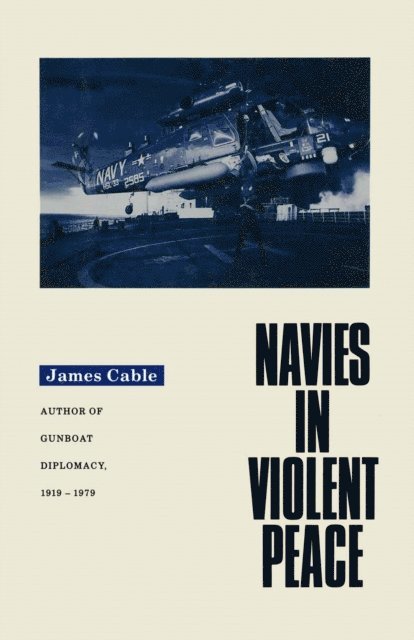
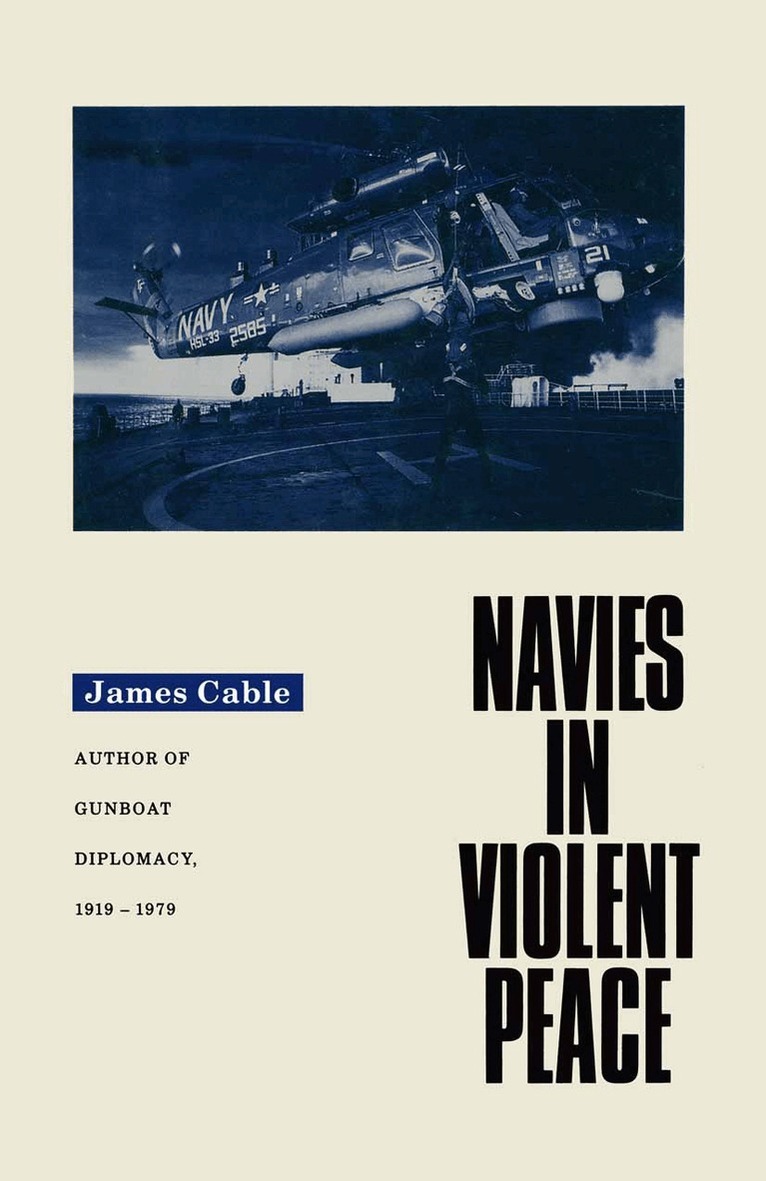
Navies in Violent Peace
Av James Cable
Inbunden, 1989
1095 kr
Lägg i varukorg
A study of the political utility of navies not only in past wars and possible future wars but also in the "violent peace" of the modern era. It looks at their use in gunboat diplomacy, showing the flag, policing coastlines and tackling pirates and terrorists. Naval arms control is also discussed.
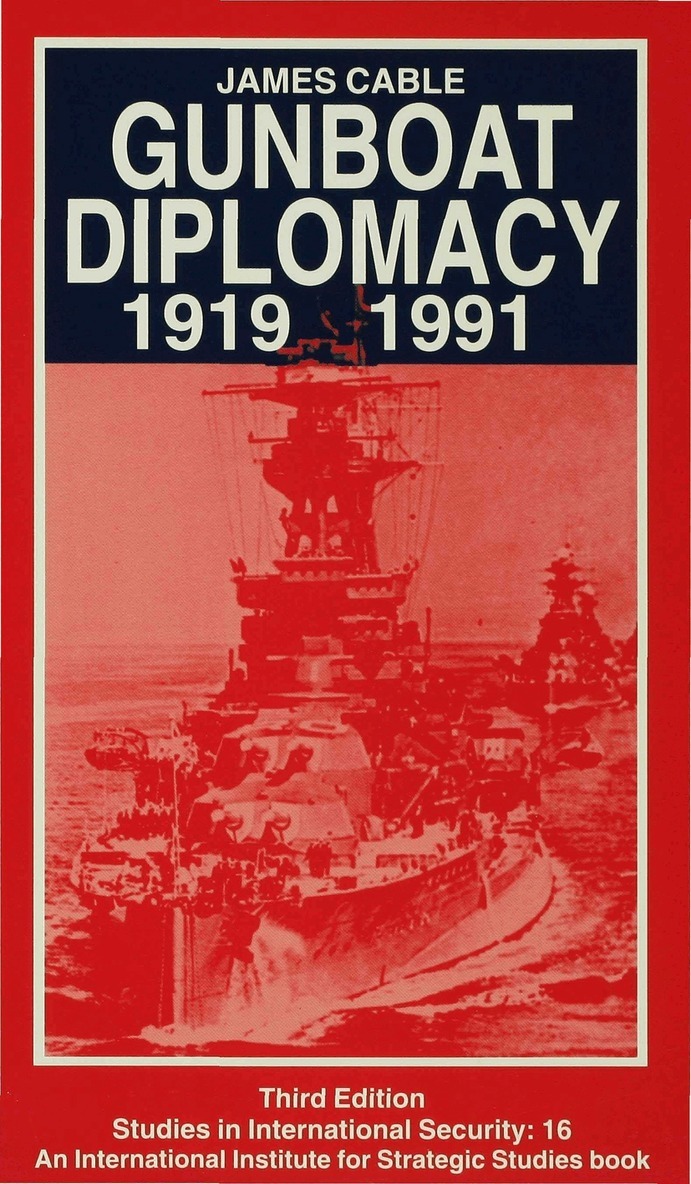
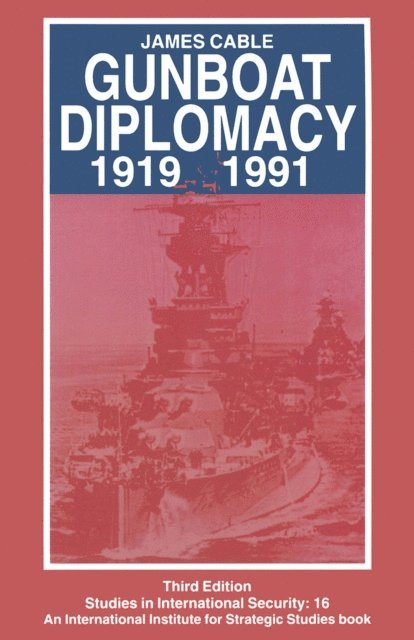
Gunboat Diplomacy 1919–1991
Political Applications of Limited Naval Force
Av James Cable
Inbunden, 1994
1689 kr
Lägg i varukorg
`James Cable's book...has deservedly remained the classic work' - Geoffrey Till, International Relations`...a classic work in the modern literature on naval power...This third edition is to be welcomed, not only because it increases the book's availability but because Cable's revisions highlight …
Gunboat Diplomacy 1919–1991
Political Applications of Limited Naval Force
Av James Cable
Häftad, 1994
1801 kr
Lägg i varukorg
`James Cable's book...has deservedly remained the classic work' - Geoffrey Till, International Relations`...a classic work in the modern literature on naval power...This third edition is to be welcomed, not only because it increases the book's availability but because Cable's revisions highlight …
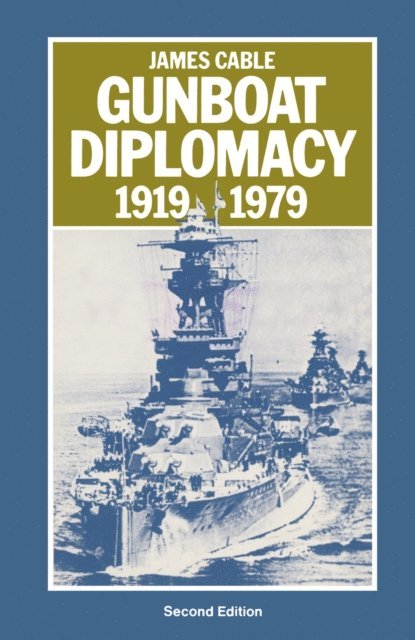
Gunboat Diplomacy, 1919-79
Political Applications of Limited Naval Force
Av James Cable
E-bok, 2016
260 kr
Lägg i varukorg
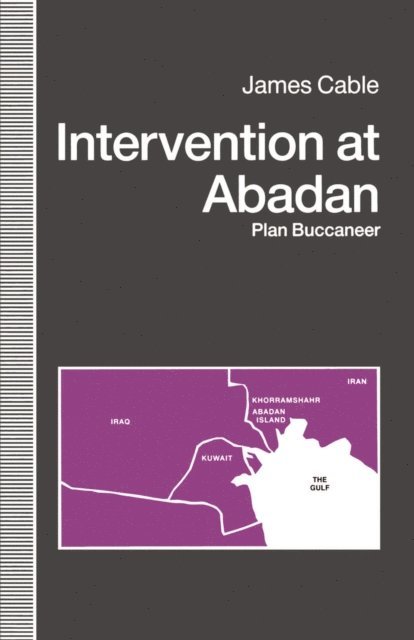
Intervention at Abadan
Plan Buccaneer
Av James Cable
E-bok, 1991
785 kr
Lägg i varukorg
In 1951, Britain''s major overseas asset was Iranian oil, discovered, produced and exported by a British company. This book relates how Britain planned to use force in order to retain control of the world''s largest oil refinery at Abadan.
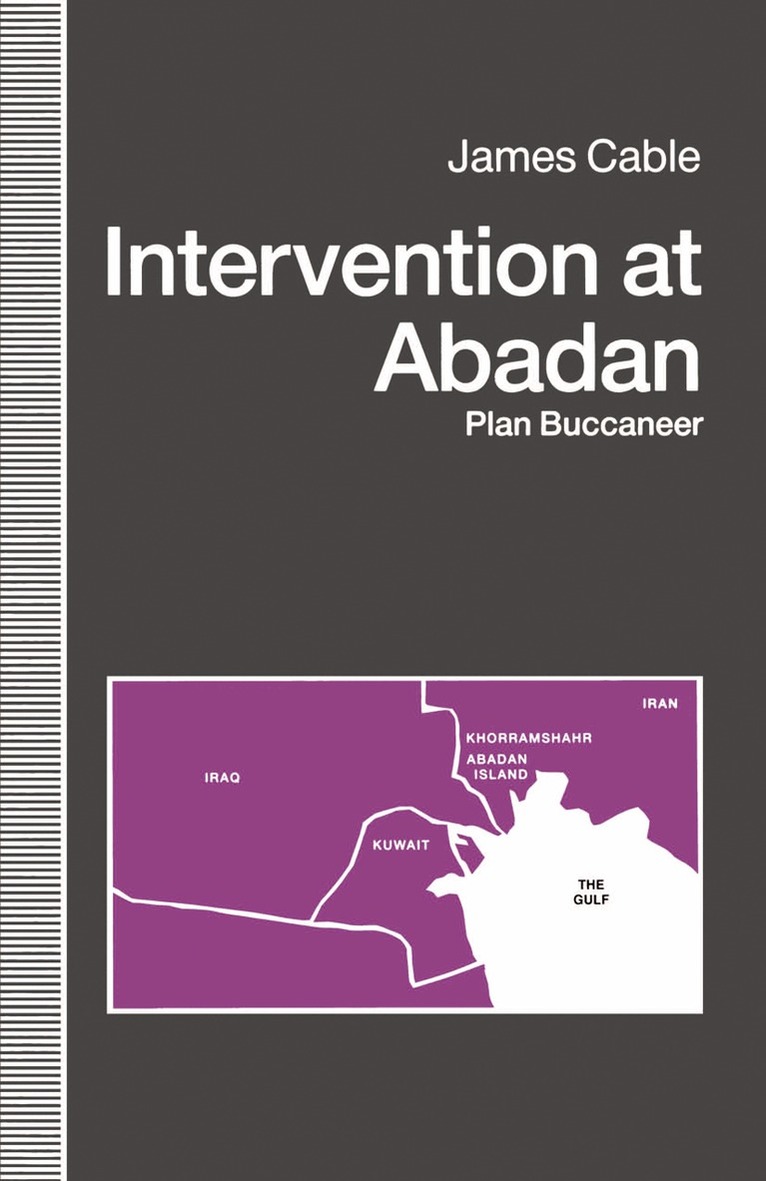
Intervention at Abadan
Plan Buccaneer
Av James Cable
Häftad, 1991
569 kr
Lägg i varukorg
In 1951, Britain's major overseas asset was Iranian oil, discovered, produced and exported by a British company. This book relates how Britain planned to use force in order to retain control of the world's largest oil refinery at Abadan.
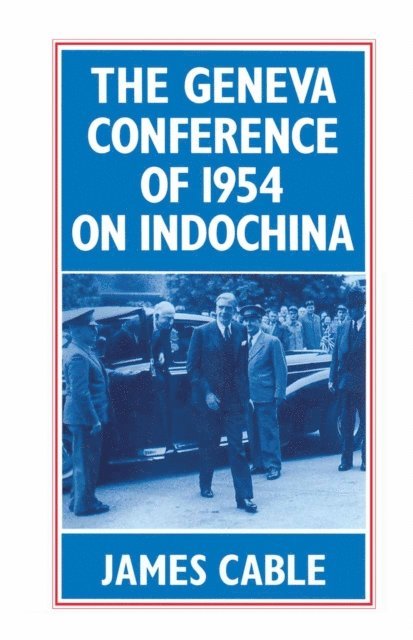
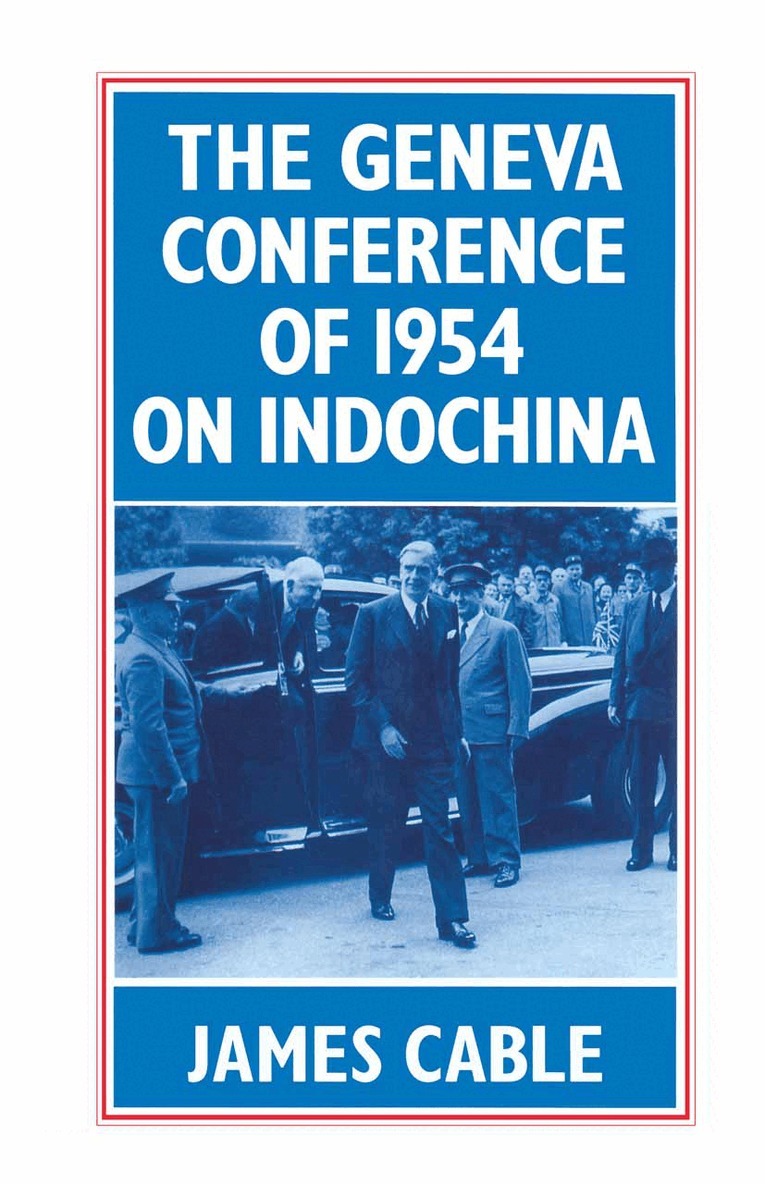
Geneva Conference of 1954 on Indochina
Av James Cable
E-bok, 1986
892 kr
Lägg i varukorg
The Geneva Agreements of 1954 were widely welcomed. They ended a seven-year war in Indochina; gave France a dignified exit; averted wider conflict. In later years first Americans and Vietnamese, then Russians, Chinese, Cambodians and even Laotians tried to force Indochina into different patterns of …
Geneva Conference of 1954 on Indochina
Av James Cable
Häftad, 1986
625 kr
Lägg i varukorg
The Geneva Agreements of 1954 were widely welcomed. They ended a seven-year war in Indochina; gave France a dignified exit; averted wider conflict. In later years first Americans and Vietnamese, then Russians, Chinese, Cambodians and even Laotians tried to force Indochina into different patterns of …
Navies in Violent Peace
Av James Cable
E-bok, 1989
1516 kr
Lägg i varukorg
A study of the political utility of navies not only in past wars and possible future wars but also in the "violent peace" of the modern era. It looks at their use in gunboat diplomacy, showing the flag, policing coastlines and tackling pirates and terrorists. Naval arms control is also discussed.
Navies in Violent Peace
Av James Cable
Häftad, 1989
1098 kr
Lägg i varukorg
A study of the political utility of navies not only in past wars and possible future wars but also in the "violent peace" of the modern era. It looks at their use in gunboat diplomacy, showing the flag, policing coastlines and tackling pirates and terrorists. Naval arms control is also discussed.
Gunboat Diplomacy 1919-1991
Political Applications of Limited Naval Force
Av James Cable
E-bok, 2016
2416 kr
Lägg i varukorg
`James Cable''s book...has deservedly remained the classic work'' - Geoffrey Till, International Relations`...a classic work in the modern literature on naval power...This third edition is to be welcomed, not only because it increases the book''s availability but because Cable''s revisions …