James D. Davidson – författare
Visar alla böcker från författaren James D. Davidson. Handla med fri frakt och snabb leverans.
3 produkter
3 produkter
E-bok
Engelska, 2001357 kr
Läs direkt efter köp
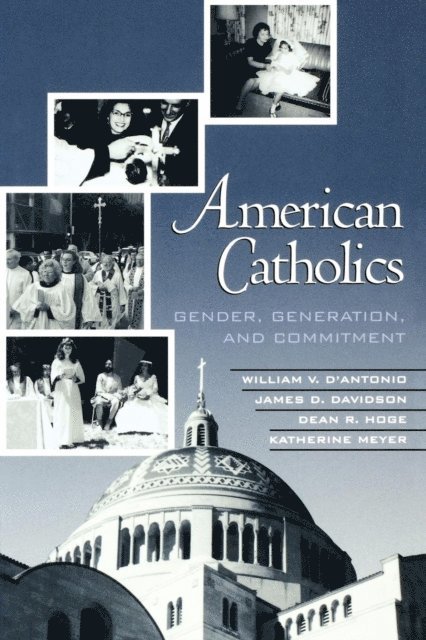
How much do American Catholics still identify with the Catholic Church? Do they agree with the Church''s teachings, and how often do they participate in its sacraments? What do they think it takes to be a good Catholic? What do they consider to be the Church''s core teachings? How do they believe issues of faith and morals should be decided: by the hierarchy, the laity, or some combination of the two? How are they coping with the priest shortage, and what do they believe the Church should do to solve the problem? How do they feel about social issues such as capital punishment and increased military spending? In American Catholics, four distinguished sociologists use national surveys from 1999, 1993, and 1987 to examine these issues. They show that Catholics'' beliefs and practices are changing. They also demonstrate how differences in gender, generation, and commitment to the Church influence attitudes on all of these issues. Balanced and clear, filled with useful tables and charts, and unique in its ability to compare results over time, American Catholics makes essential reading for anyone interested in the future of Catholicism in the United States.
Häftad, Engelska, 2021
216 kr
Skickas inom 5-8 vardagar
Inbunden, Engelska, 2011
1 028 kr
Skickas inom 10-15 vardagar
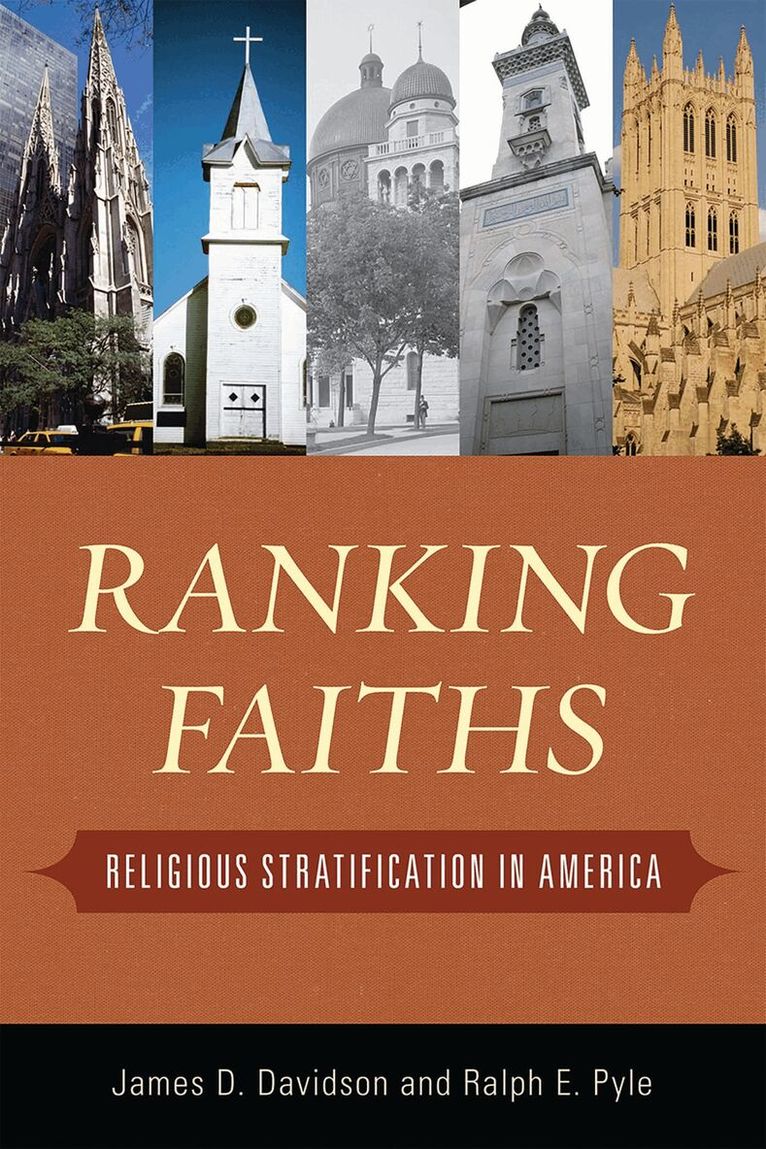
Ranking Faiths: Religious Stratification in America discusses how religion shapes access to power, privilege, and prestige in the U.S., both historically and today. James D. Davidson and Ralph E. Pyle dispel the idea that the U.S. was founded on the principle of religious equality for all, documenting how religion has been a factor in the allocation of power from the colonial period through the present. From the time of the earliest settlements in America through today, the book demonstrates that some religious groups have had more access to economic, political, and social rewards than others, and they have benefited from laws and customs that have maintained religious inequality over time. While a few religious groups, such as Catholics and Jews, have experienced significant upward mobility over time, the social status of most has remained remarkably static over time. The book shows how religious inequalities developed, highlight where they remain in society today, and discuss what Americans can and should do about it.