James Gleick – författare
Visar alla böcker från författaren James Gleick. Handla med fri frakt och snabb leverans.
30 produkter
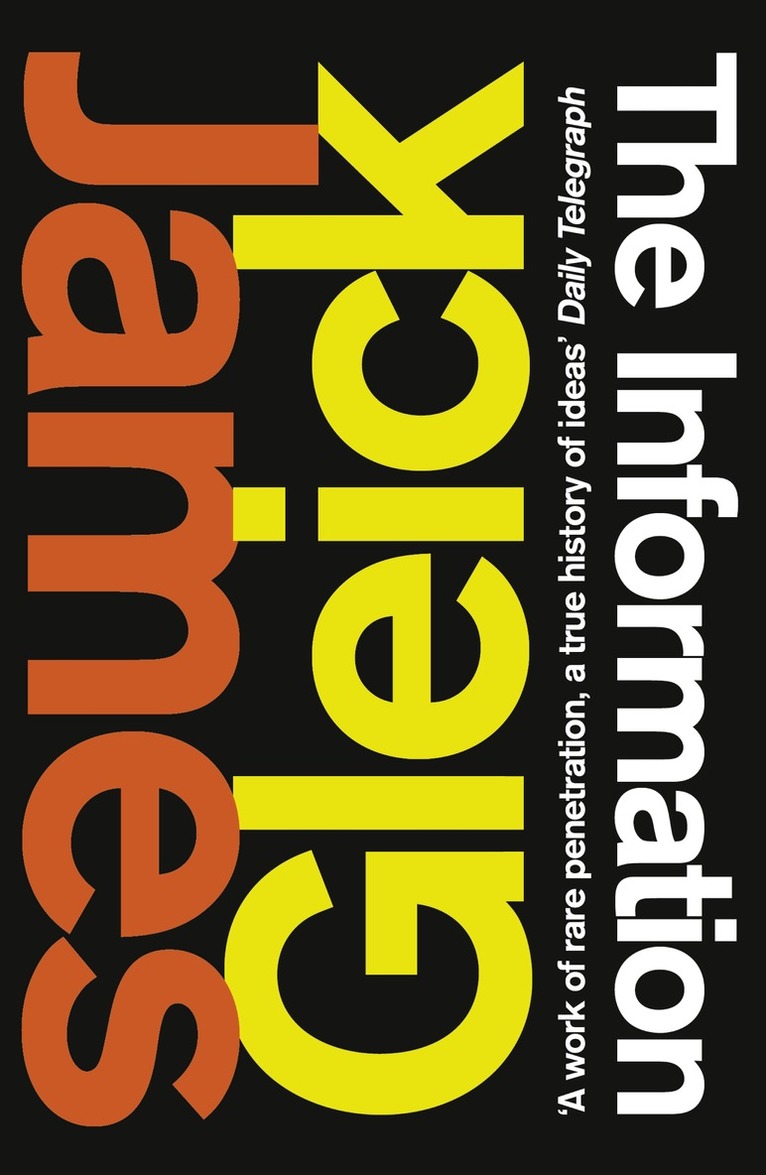
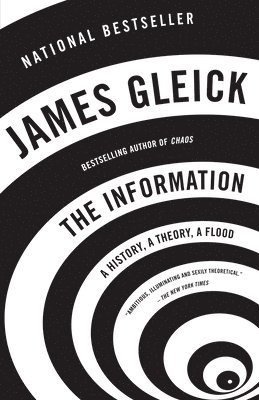
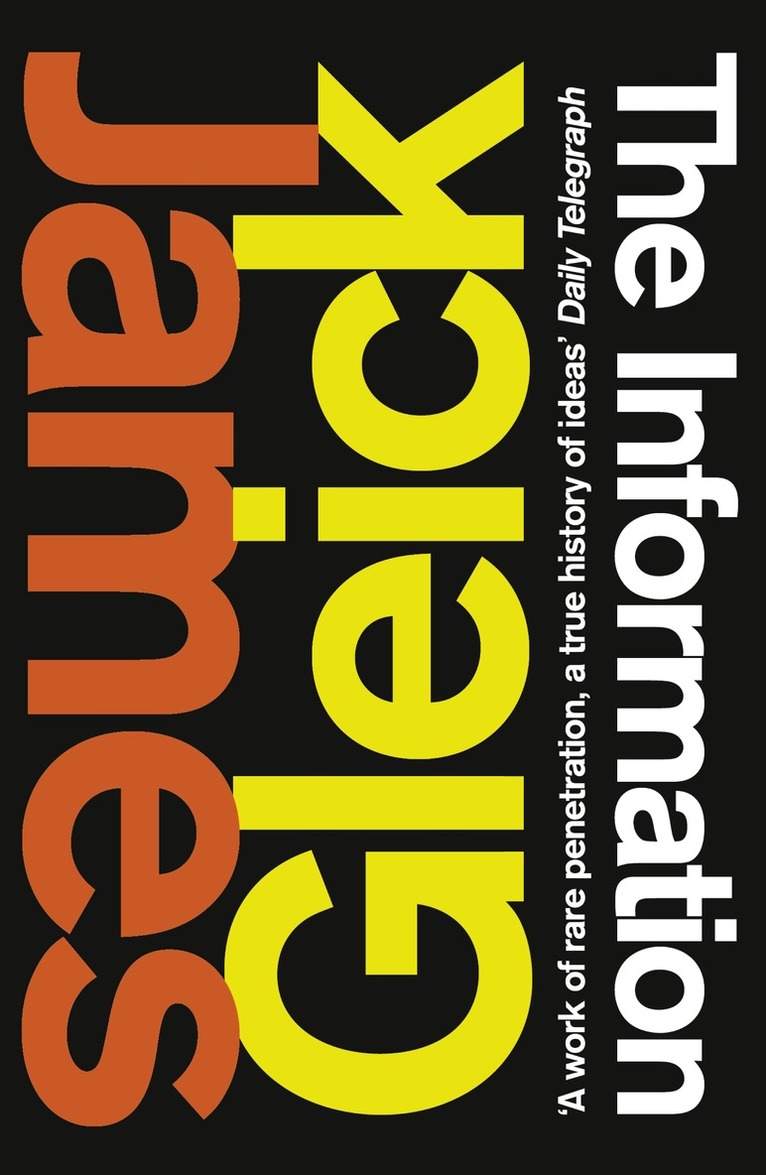
Information
A History, a Theory, a Flood
Av James Gleick
Häftad, 2012
4,0 utav 5 stjärnor. Totalt antal röster: (2)
166 kr
Lägg i varukorg
Winner of the Royal Society Winton Prize for Science Books 2012, the world's leading prize for popular science writing.We live in the information age. But every era of history has had its own information revolution: the invention of writing, the composition of dictionaries, the creation of the …
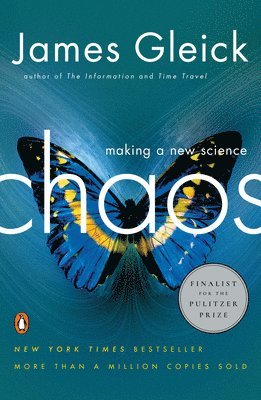
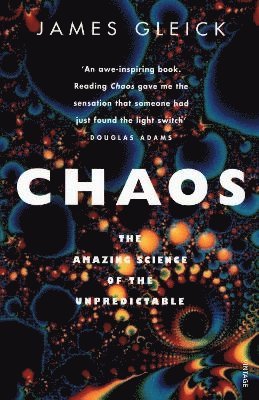
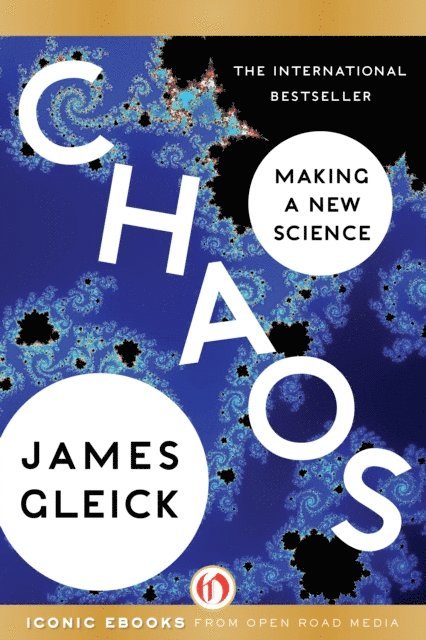
Chaos
Av James Gleick
Häftad, 1997
3,0 utav 5 stjärnor. Totalt antal röster: (3)
147 kr
Lägg i varukorg
Uncover one of the most exciting frontiers of modern physics in this fascinating, insightful and accessible overview of Chaos theory.‘An exceedingly readable introduction to a new intellectual world’ ObserverFrom the turbulence of the weather to the complicated rythmns of the human heart, ‘chaos’ …
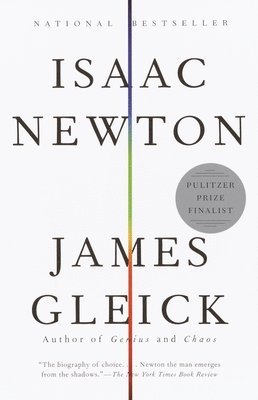
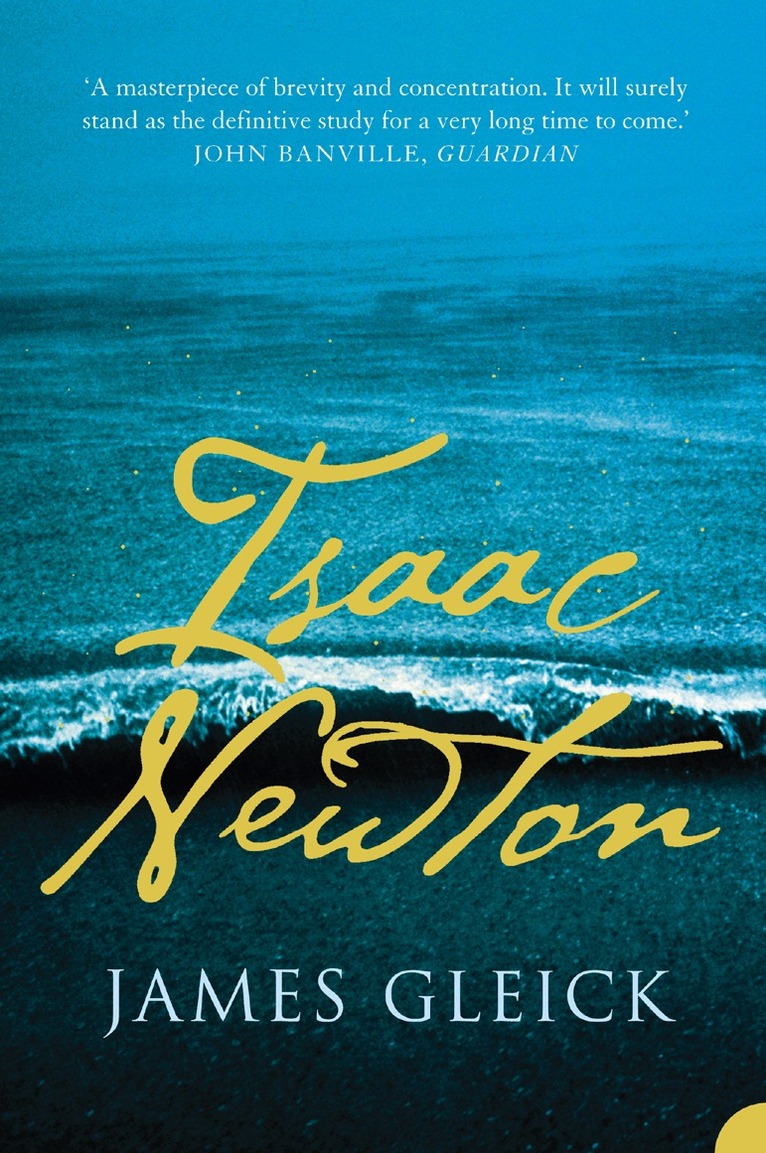
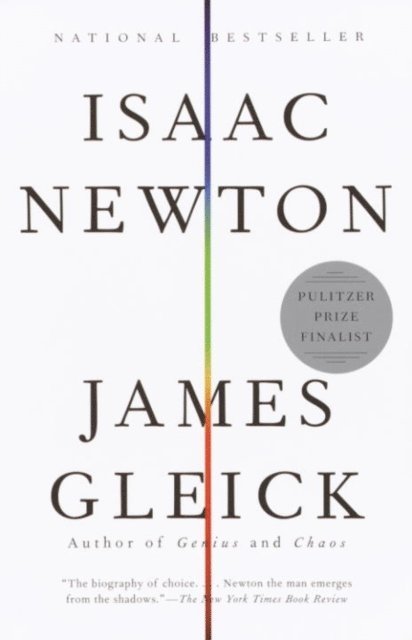
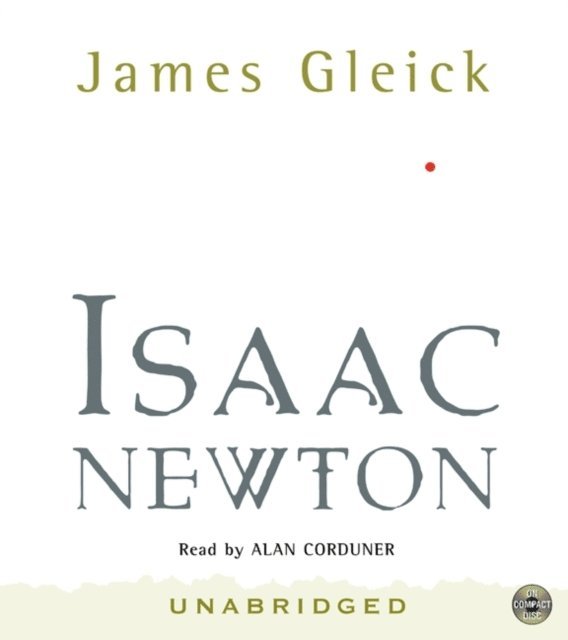
Isaac Newton
Av James Gleick
Häftad, 2004
167 kr
Lägg i varukorg
From one of the best writers on science, a remarkable portrait of Isaac Newton. The man who changed our understanding of the universe, of science, and of faith.Isaac Newton was the chief architect of the modern world. He answered the ancient philosophical riddles of light and motion; he effectively …
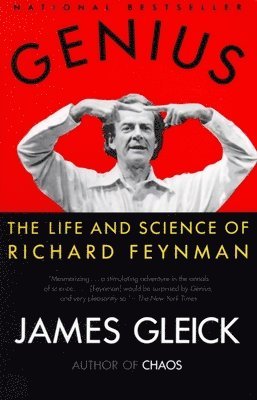
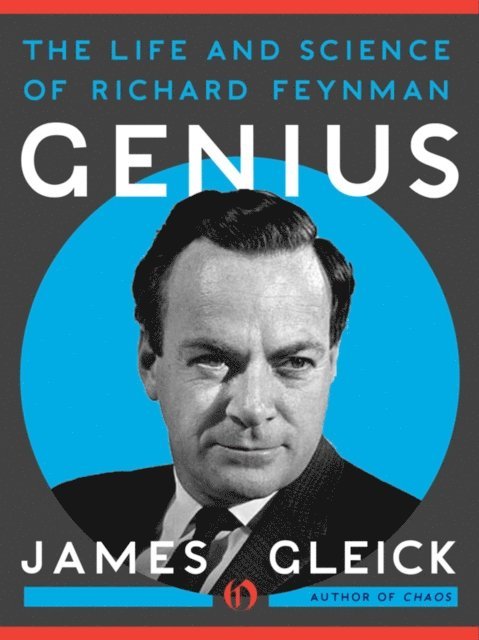
Genius
Richard Feynman and Modern Physics
Av James Gleick
Häftad, 1994
179 kr
Lägg i varukorg
Richard Feynman was the most brilliant and influential physicist of our time. Architect of quantum theories, enfant terrible of the atomic bomb project, caustic inquisitor on the space shuttle commission, ebulent bongo-player and storyteller - Feynman played a bewildering assortment of roles in the …
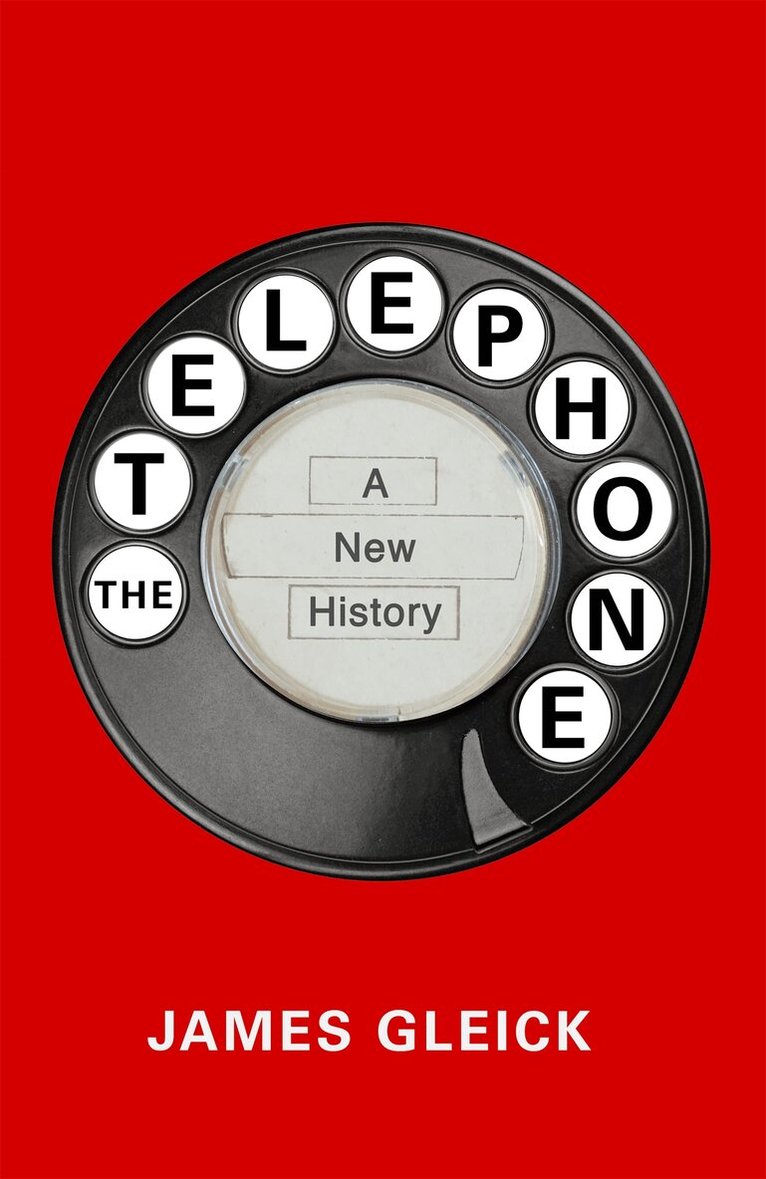
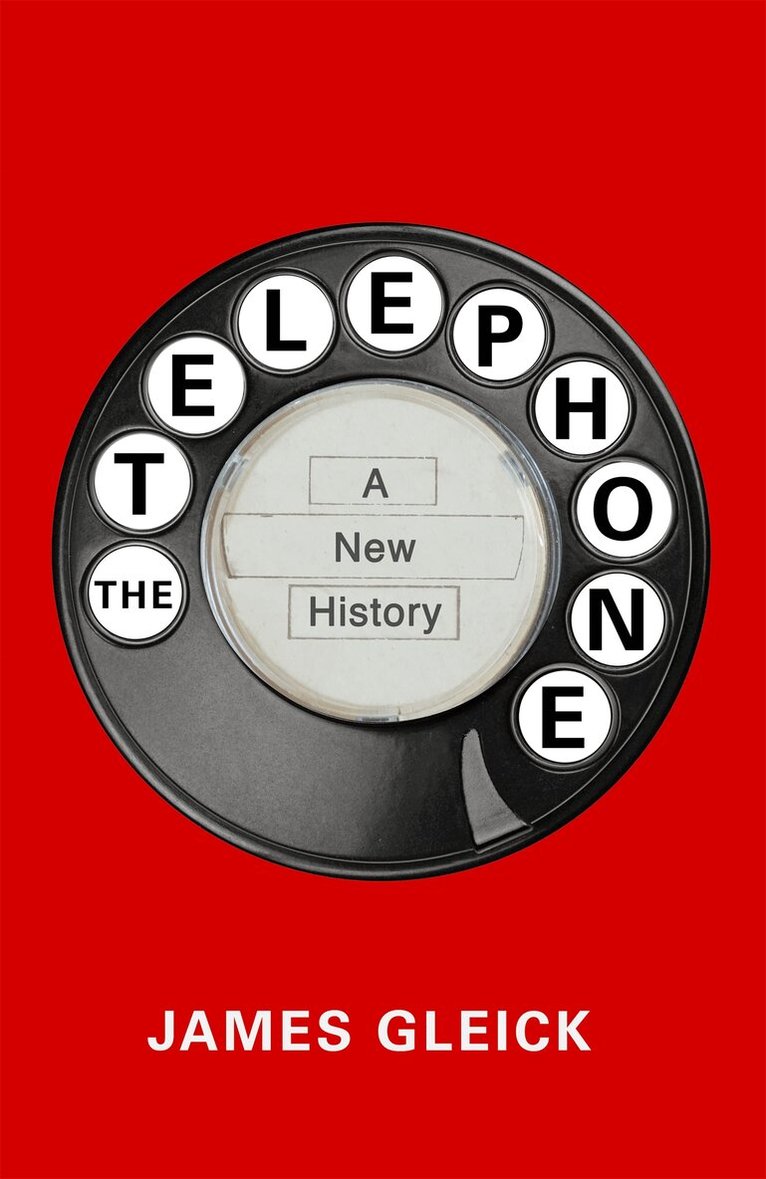
Telephone
A New History
Av James Gleick
Inbunden, 2026
377 kr
Kommande
From the bestselling author of Chaos and The Information , a sweeping history of the instrument that created modern life. In 1876, Alexander Graham Bell spoke the words "Mr. Watson-come here-I want to see you" into a contraption he called the telephone, and for the first time a voice was carried …
Telephone
A New History
Av James Gleick
Häftad, 2026
194 kr
Kommande
A thrilling history of how we fell in and out of love with a technology that changed not just the world, but changed us.'Forces you to see the world with new eyes . . . I loved it!' – Alice Loxton, author of Eighteen and Eleanor'Science and technology never seem more exciting than when James Gleick …
Isaac Newton
Av James Gleick
E-bok, 2007
4,0 utav 5 stjärnor. Totalt antal röster: (1)
176 kr
Lägg i varukorg
Isaac Newton was born in a stone farmhouse in 1642, fatherless and unwanted by his mother. When he died in London in 1727 he was so renowned he was given a state funeral—an unheard-of honor for a subject whose achievements were in the realm of the intellect. During the years he was an irascible …
Chaos
Making a New Science
Av James Gleick
E-bok, 2011
343 kr
Lägg i varukorg
The “highly entertaining” New York Times bestseller, which explains chaos theory and the butterfly effect, from the author of The Information ( Chicago Tribune ). For centuries, scientific thought was focused on bringing order to the natural world. But even as relativity and quantum mechanics …
Information
A History, a Theory, a Flood
Av James Gleick
E-bok, 2011
72 kr
Lägg i varukorg
Winner of the Royal Society Winton Prize for Science Books 2012, the world's leading prize for popular science writing.We live in the information age. But every era of history has had its own information revolution: the invention of writing, the composition of dictionaries, the creation of the …
Information
A History, a Theory, a Flood (Enhanced Edition)
Av James Gleick
E-bok, 2011
98 kr
Lägg i varukorg
Winner of the Royal Society Winton Prize for Science Books 2012, the world''s leading prize for popular science writing.This enhanced e-book version contains twelve animations created by graphic design students from the world renowned Central Saint Martins college of Art and Design.We live in the …
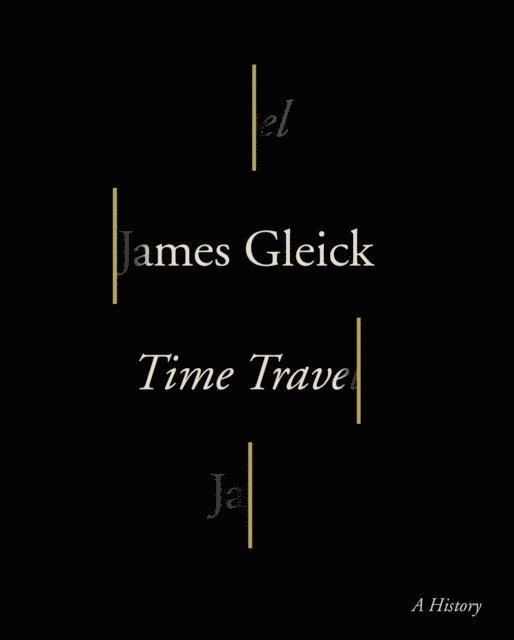
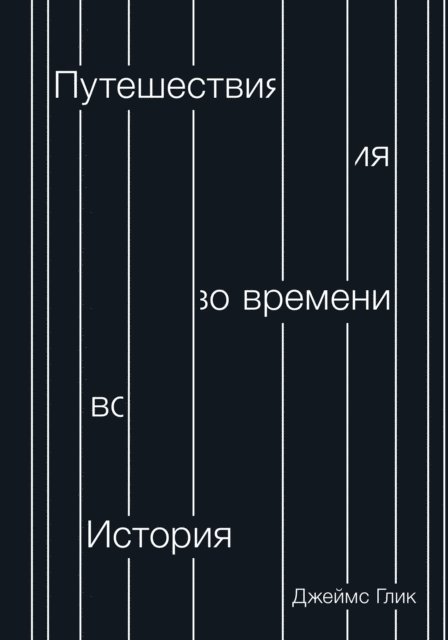
Time Travel
Av James Gleick
E-bok, 2016
66 kr
Lägg i varukorg
AN OBSERVER BOOK OF THE YEAR From the acclaimed author of The Information and Chaos, a mind-bending exploration of time travel: its subversive origins, its evolution in literature and science, and its influence on our understanding of time itself.Gleick's story begins at the turn of the twentieth …
Time Travel
Av James Gleick
Ljudbok, 2016
214 kr
Lägg i varukorg
AN OBSERVER BOOK OF THE YEARFrom the acclaimed author of The Information and Chaos, a mind-bending exploration of time travel: its subversive origins, its evolution in literature and science, and its influence on our understanding of time itself.Gleick''s story begins at the turn of the twentieth …
Isaac Newton
Av James Gleick
Ljudbok, 2005
76 kr
Lägg i varukorg
James Gleick has long been fascinated by the making of science -- how ideas order visible appearances, how equations can give meaning to molecular and stellar phenomena, how theories can transform what we see. In Chaos , he chronicled the emergence of a new way of looking at dynamic systems; in …
Information
A History, a Theory, a Flood
Av James Gleick
E-bok, 2011
221 kr
Lägg i varukorg
James Gleick, the author of the best sellers Chaos and Genius, now brings us a work just as astonishing and masterly: a revelatory chronicle and meditation that shows how information has become the modern era’s defining quality—the blood, the fuel, the vital principle of our world. The story of …
Time Travel
A History
Av James Gleick
E-bok, 2016
173 kr
Lägg i varukorg
From the acclaimed author of The Information and Chaos, here is a mind-bending exploration of time travel: its subversive origins, its evolution in literature and science, and its influence on our understanding of time itself. The story begins at the turn of the previous century, with the young H. …
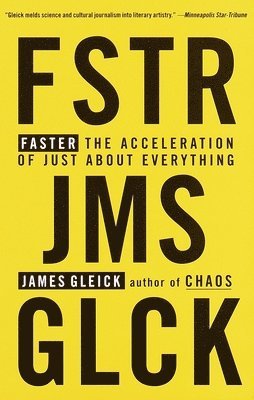
Faster
Our Race Against Time
Av James Gleick
Häftad, 2000
162 kr
Lägg i varukorg
Time rules our lives. The frenetic purpose - more than we want to admit, is to save time. Think of one of those conveniences that best convey the most elemental feeling of power over the passing seconds: the microwave oven. In your hurry sickness, you may find yourself punching 88 seconds instead …
What Just Happened: A Chronicle from the Information Frontier
Av James Gleick
Häftad, 2003
287 kr
Lägg i varukorg
Genius: The Life and Science of Richard Feynman
Av James Gleick
Häftad, 1993
4,5 utav 5 stjärnor. Totalt antal röster: (2)
284 kr
Lägg i varukorg
Telephone
A New History
Av James Gleick
Inbunden, 2027
254 kr
Kommande
A thrilling history of how we fell in and out of love with a technology that changed not just the world, but changed us.'Forces you to see the world with new eyes . . . I loved it!' – Alice Loxton, author of Eighteen and Eleanor'Science and technology never seem more exciting than when James Gleick …
Genius
The Life and Science of Richard Feynman
Av James Gleick
E-bok, 2011
227 kr
Lägg i varukorg
The New York Times bestseller from the author of Chaos, a Pulitzer Prize and National Book Award finalist. An "engaging portrait" of the quirky physicist (The Boston Globe).Raised in Depression-era Rockaway Beach, physicist Richard Feynman was irreverent, eccentric, and childishly enthusiastic—a …
Toujours plus vite: De l'accélération de tout ou presque
Av James Gleick
Häftad, 2018
660 kr
Lägg i varukorg
Time Travel
A History
Av James Gleick
E-bok, 2018
66 kr
Lägg i varukorg
From the acclaimed bestselling author of The Information and Chaos comes this enthralling history of time travel—a concept that has preoccupied physicists and storytellers over the course of the last century.James Gleick delivers a mind-bending exploration of time travel—from its origins in …
Genius
The Life and Science of Richard Feynman
Av James Gleick
E-bok, 2018
67 kr
Lägg i varukorg
To his colleagues, Richard Feynman was not so much a genius as he was a full-blown magician: someone who "does things that nobody else could do and that seem completely unexpected." The path he cleared for twentieth-century physics led from the making of the atomic bomb to a Nobel Prize-winning …
Summary of Isaac Newton's book
Av James Gleick
E-bok, 2023
41 kr
Lägg i varukorg
I know how the world sees me, for me, I see myself as a child who spent his life playing on the beach, explaining himself from time to time by searching for a smoother rock, or a coincidence more beautiful than usual, while in front of him extends the circumference of the truth and knowledge …
Time Travel
Av James Gleick
Häftad, 2017
146 kr
Tillfälligt slut
AN OBSERVER BOOK OF THE YEAR From the acclaimed author of The Information and Chaos, a mind-bending exploration of time travel: its subversive origins, its evolution in literature and science, and its influence on our understanding of time itself.Gleick's story begins at the turn of the twentieth …