James Gordon Nelson - Böcker
Visar alla böcker från författaren James Gordon Nelson. Handla med fri frakt och snabb leverans.
2 produkter
2 produkter
538 kr
Skickas inom 10-15 vardagar
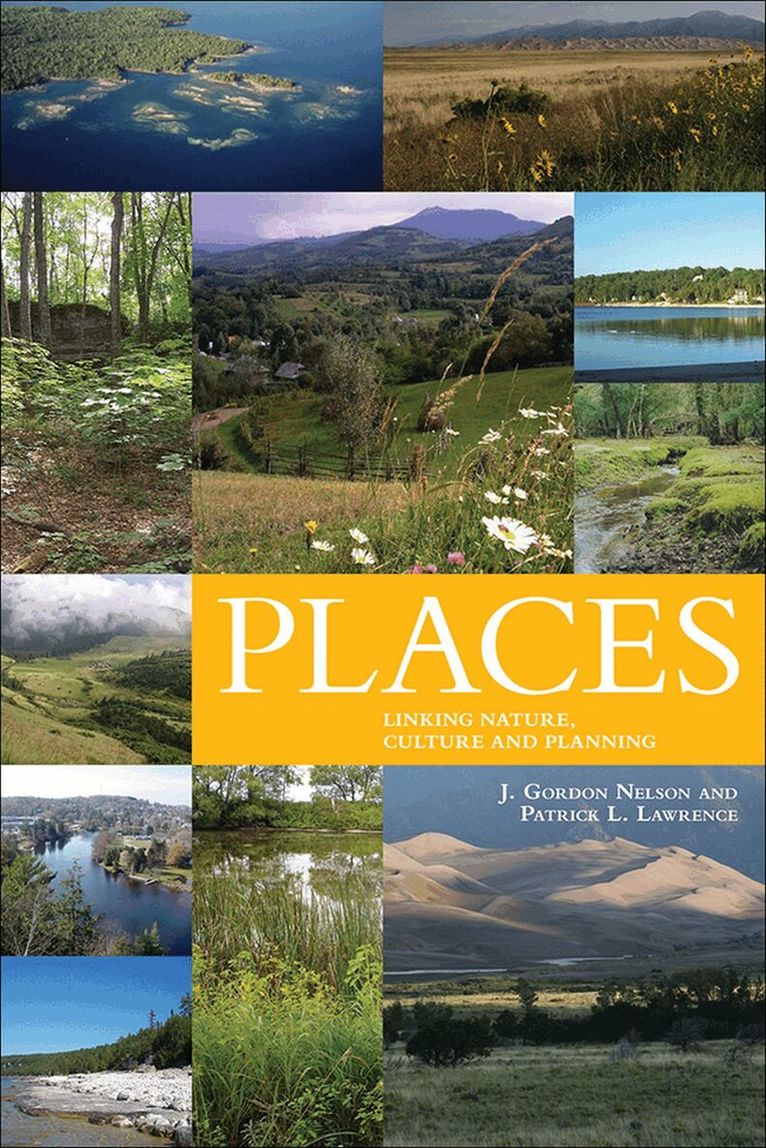
This book identifies the major deficiency in the field of environmental planning, which is that issues are addressed from the perspective of one discipline or one dimension. The ABC method outlined in the book provides a holistic framework for analyzing the environment and guiding environmental management. Dr. Thomas Gunton, Director, Resource and Environmental Planning Program, Simon Fraser UniversityHow can we make the best use of the places we live in? In recent years, environmental conservation and sustainable development have become critical parts of the planning equation. However, most attempts to incorporate these considerations have focused too narrowly on specialized economic, geologic, biological, or other factors. James Gordon Nelson and Patrick L. Lawrence present a new, more complete approach to planning - the ABC method. The ABC method links Abiotic, Biotic, and Cultural factors in a systematic and comprehensive analysis with the aim of achieving better understanding of and planning for the challenges facing places and the people living in them. Examples of the ABC method are presented through international case studies and are illustrated with photographs and maps.Places: Linking Nature and Culture for Understanding and Planning is written for environmental planners, decision-makers, students, and all those who are concerned about the history and future of places, presenting a new, more highly integrated way of thinking that will help address serious challenges in effective, efficient, and equitable ways.
National Parks and Protected Areas
Keystones to Conservation and Sustainable Development
Häftad, Engelska, 2011
1 059 kr
Skickas inom 10-15 vardagar
National parks and protected areas offer a wealth of ecological and social contributions or services to humans and life on earth. This book describes the strengths of national parks and protected areas in different parts of Europe and North America and the challenges to the full realization of their goals. It shows that they are useful not only in conserving rare species and biodiversity, but also in protecting water supply and other resources necessary to tourism and to economic and social development generally. Ideas and information on useful planning, management and decision-making arrangements are presented, and research needs are identified.