James Sloam – författare
Visar alla böcker från författaren . Handla med fri frakt och snabb leverans.
5 produkter
5 produkter
Häftad, Engelska, 2020
540 kr
Skickas inom 5-8 vardagar
Inbunden, Engelska, 2020
609 kr
Skickas inom 5-8 vardagar
Inbunden, Engelska, 2025
586 kr
Skickas
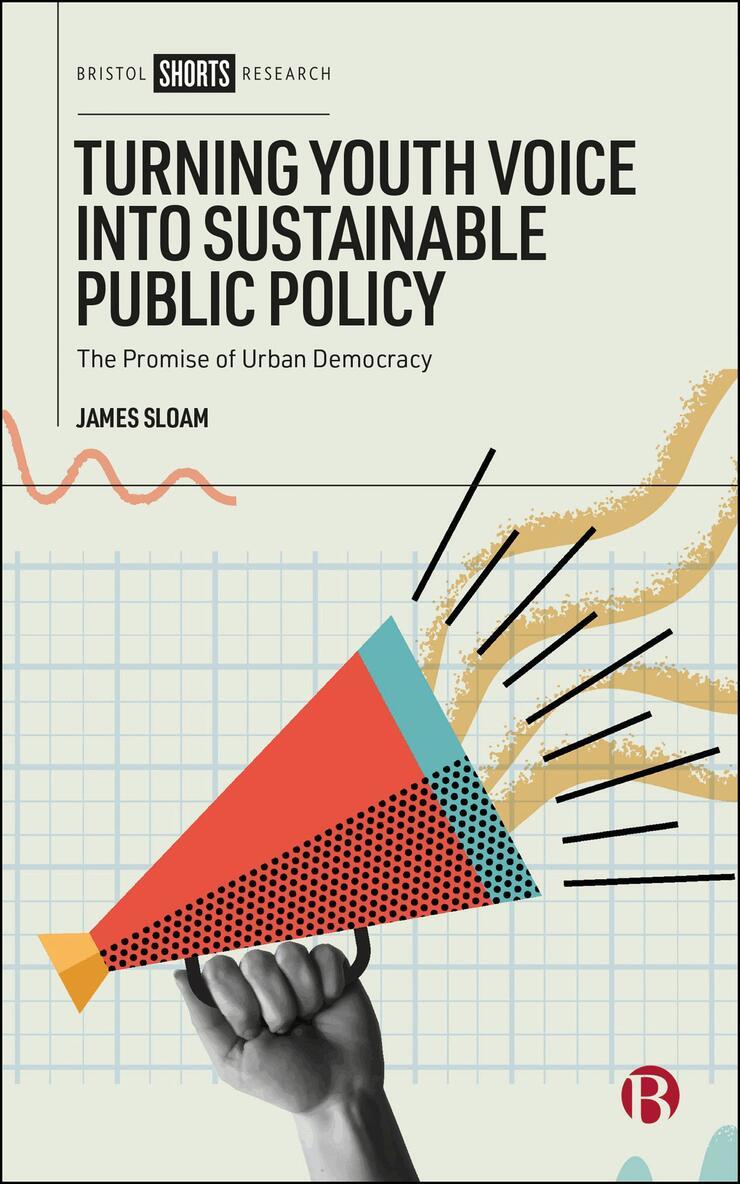
Challenging traditional narratives on youth engagement, this book examines how democracy can be reimagined as grassroots engagement with local policy makers between elections. The book explores a unique blend of under-researched themes including the everyday politics of young people, the interface between civic authorities and young citizens in policy making and the promise of urban democracy. Offering a rare policy-based and youth-centred approach to young people and democratic participation, this book recasts the existing democratic deficit as a failure in public policy and calls for researchers and policy makers to focus on how to amplify young people’s voices in a more inclusive and meaningful way, to turn youth voice into sustainable public policy. The civic mentoring model developed with young Londoners offers practical steps for making this happen.
Inbunden, Engelska, 2026
1 298 kr
Skickas inom 10-15 vardagar
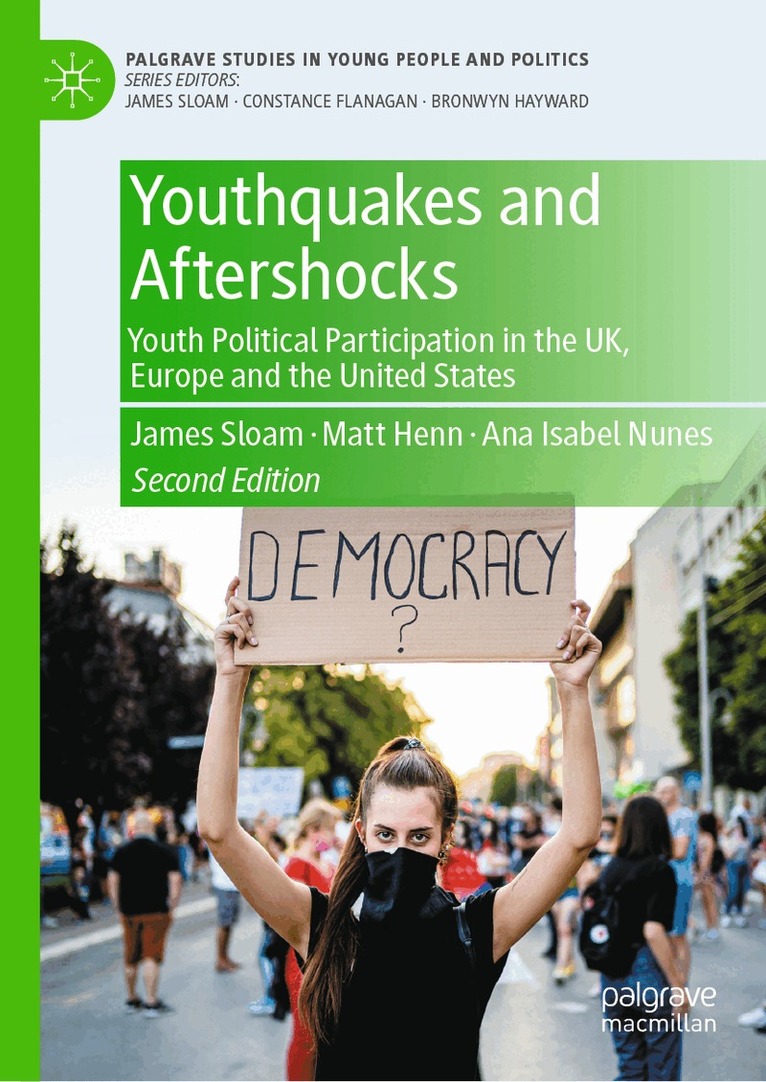
This book investigates key trends in youth political participation in the UK, Europe, and the United States since the turn of the century—with a focus on the UK General Election and the US Presidential Election that were both held in 2024. It explores the reasons why many young people seem to have become disillusioned with electoral politics in the aftermath of recent youthquake elections, such as the 2017 UK General Election (with their overwhelming support for the Labour Party) and both the 2008 and 2020 US presidential elections (in support of Obama and Biden). We attribute their disenchantment to failures of public policy (that seem to increasingly favour older generations) and of communication—resulting in political parties’ inabilities to effectively connect with young people on issues that they prioritise and that have meaning for their everyday lives. The book shows how this led to lower turnouts in 2024 in both the UK and the USA and highlights the very low rates of participation amongst youth from lower socio-economic groups. This is potentially dangerous for democracy; if young people continue to feel let down by parties and to abstain from voting, it is likely to lead to more reactive public policy and to increases in the attraction of populist (or extremist) parties and candidates to young people. The book emphasises the need for mainstream parties and candidates to provide a more meaningful youth offer and to mobilise young people through horizontal forms of communication. From a young person’s perspective, the book also shows how (citizenship) education can play an important role in resisting populism and disinformation and in rejuvenating democracy.
E-bok
Engelska, 20261 733 kr
Läs direkt efter köp
This book investigates key trends in youth political participation in the UK, Europe, and the United States since the turn of the century—with a focus on the UK General Election and the US Presidential Election that were both held in 2024. It explores the reasons why many young people seem to have become disillusioned with electoral politics in the aftermath of recent youthquake elections, such as the 2017 UK General Election (with their overwhelming support for the Labour Party) and both the 2008 and 2020 US presidential elections (in support of Obama and Biden). We attribute their disenchantment to failures of public policy (that seem to increasingly favour older generations) and of communication—resulting in political parties’ inabilities to effectively connect with young people on issues that they prioritise and that have meaning for their everyday lives. The book shows how this led to lower turnouts in 2024 in both the UK and the USA and highlights the very low rates of participation amongst youth from lower socio-economic groups. This is potentially dangerous for democracy; if young people continue to feel let down by parties and to abstain from voting, it is likely to lead to more reactive public policy and to increases in the attraction of populist (or extremist) parties and candidates to young people. The book emphasises the need for mainstream parties and candidates to provide a more meaningful youth offer and to mobilise young people through horizontal forms of communication. From a young person’s perspective, the book also shows how (citizenship) education can play an important role in resisting populism and disinformation and in rejuvenating democracy.