James William Coleman – författare
Visar alla böcker från författaren James William Coleman. Handla med fri frakt och snabb leverans.
3 produkter
3 produkter
215 kr
Skickas inom 5-8 vardagar
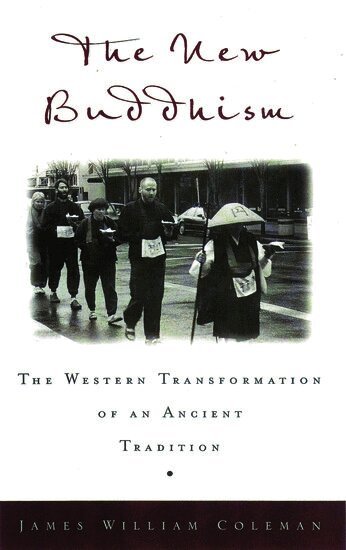
In our multicultural society, faiths formerly seen as exotic have become attractive alternatives for many people seeking more satisfying spiritual lives. This is especially true of Buddhism, which is the focus of constant media attention--thanks at least in part to celebrity converts, major motion pictures, and the popularity of the Dalai Lama. Following this recent trend in the West, author James Coleman argues that a new and radically different form of this ancient faith is emerging.The New Buddhism sheds new light on this recent evolution of Buddhist practice in the West. After briefly recounting the beginnings and spread of Buddhism in the East, Coleman chronicles its reinterpretation by key Western teachers in the nineteenth and twentieth centuries, ranging from the British poet Sir Edwin Arnold to the Beat writer Alan Watts. Turning to the contemporary scene, he finds that Western teachers have borrowed liberally from different Buddhist traditions that never intersect in their original contexts. Men and women practice together as equals; ceremonies and rituals are simpler, more direct, and not believed to have magical effects. Moreover, the new Buddhism has made the path of meditation and spiritual awakening available to everyone, not just an elite cadre of monks. Drawing on interviews with noted teachers and lay practitioners, as well as a survey completed by members of seven North American Buddhist centers, Coleman depicts the colorful variety of new Buddhists today, from dilettantes to devoted students and the dedicated teachers who guide their spiritual progress. He also details the problems that have arisen because of some Western influences--especially with regard to gender roles, sex, and power.Exploring the appeal of this exotic faith in postmodern society and questioning its future in a global consumer culture, The New Buddhism provides a thorough and fascinating guide to Western Buddhism today.
928 kr
Kommande
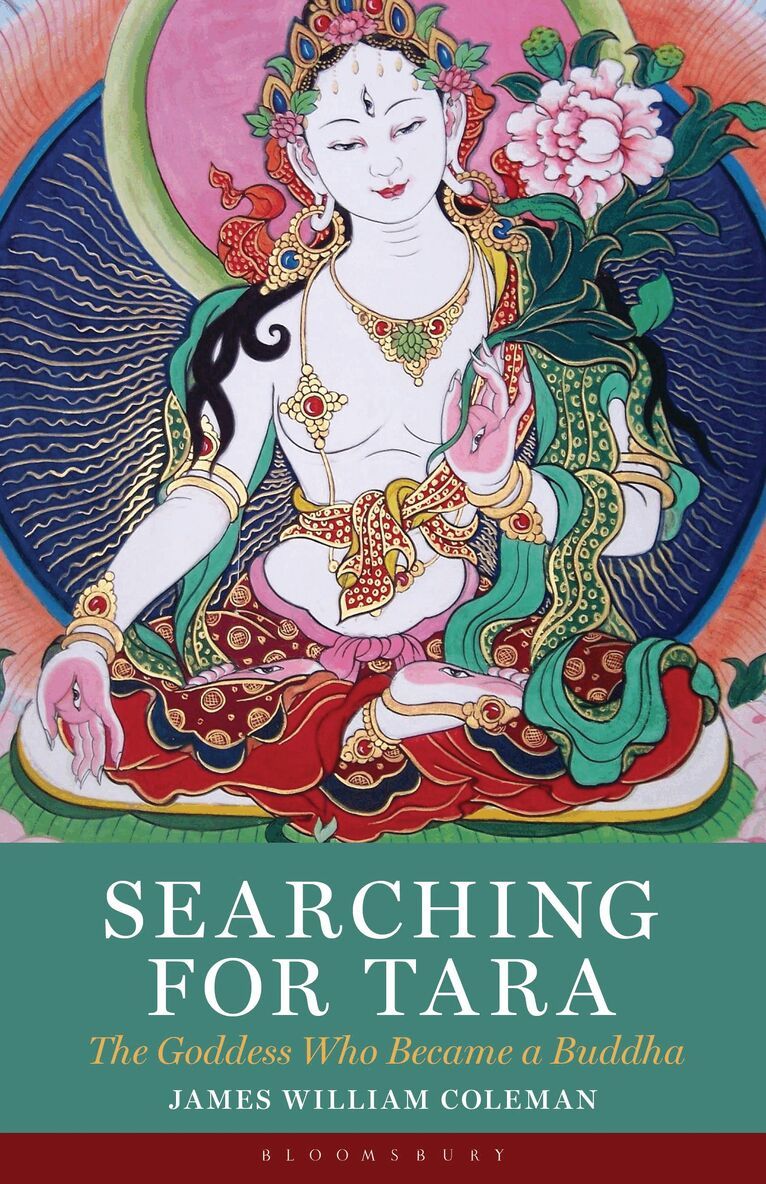
Explores the meaning and power of the Buddhist goddess Tara as a fully awakened being whose feminine wisdom speaks directly to the crises of modern life. Beginning with a life-altering visionary experience during a medical crisis, sociologist ad Buddhist practitioner James William Coleman embarks on a wide-ranging inquiry into Tara’s origins, symbolism, and enduring relevance. Drawing on archaeology, comparative mythology, sociology, depth psychology, and Buddhist philosophy, the book reveals how Tara emerged from ancient goddess traditions to become one of Buddhism’s most radical figures: a Buddha who embodies compassion, wisdom, immediacy, and engagement with the suffering world.Coleman situates Tara at the intersection of three defining movements of our time: the growing embrace of meditation and contemplative practice, the reassertion of the feminine in spiritual and cultural life, and the mounting environmental and social crises produced by ego-driven modernity. Rather than treating Tara as a distant deity, he presents her as a living expression of awakened consciousness—one that invites practitioners to embody wisdom, courage, and care in daily life.Structured in three movements, the book first explores Tara’s historical and sociological roots, then places her within the world’s great goddess traditions, and finally examines her psychological and spiritual significance as an archetype of transformation. The concluding chapters turn decisively toward practice, offering accessible guidance for cultivating a Tara meditation that integrates insight, compassion, and ecological responsibility.Combining personal narrative with scholarly rigor, this fresh reading of Buddhism offers readers not only a deeper understanding of Tara’s place in religious history, but a practical spiritual path for meeting the personal, social, and planetary challenges of our time.
261 kr
Kommande
Explores the meaning and power of the Buddhist goddess Tara as a fully awakened being whose feminine wisdom speaks directly to the crises of modern life. Beginning with a life-altering visionary experience during a medical crisis, sociologist ad Buddhist practitioner James William Coleman embarks on a wide-ranging inquiry into Tara’s origins, symbolism, and enduring relevance. Drawing on archaeology, comparative mythology, sociology, depth psychology, and Buddhist philosophy, the book reveals how Tara emerged from ancient goddess traditions to become one of Buddhism’s most radical figures: a Buddha who embodies compassion, wisdom, immediacy, and engagement with the suffering world.Coleman situates Tara at the intersection of three defining movements of our time: the growing embrace of meditation and contemplative practice, the reassertion of the feminine in spiritual and cultural life, and the mounting environmental and social crises produced by ego-driven modernity. Rather than treating Tara as a distant deity, he presents her as a living expression of awakened consciousness—one that invites practitioners to embody wisdom, courage, and care in daily life.Structured in three movements, the book first explores Tara’s historical and sociological roots, then places her within the world’s great goddess traditions, and finally examines her psychological and spiritual significance as an archetype of transformation. The concluding chapters turn decisively toward practice, offering accessible guidance for cultivating a Tara meditation that integrates insight, compassion, and ecological responsibility.Combining personal narrative with scholarly rigor, this fresh reading of Buddhism offers readers not only a deeper understanding of Tara’s place in religious history, but a practical spiritual path for meeting the personal, social, and planetary challenges of our time.