Jamie Pitts – författare
Visar alla böcker från författaren Jamie Pitts. Handla med fri frakt och snabb leverans.
9 produkter
9 produkter
Häftad, Engelska, 2025
309 kr
Skickas inom 5-8 vardagar
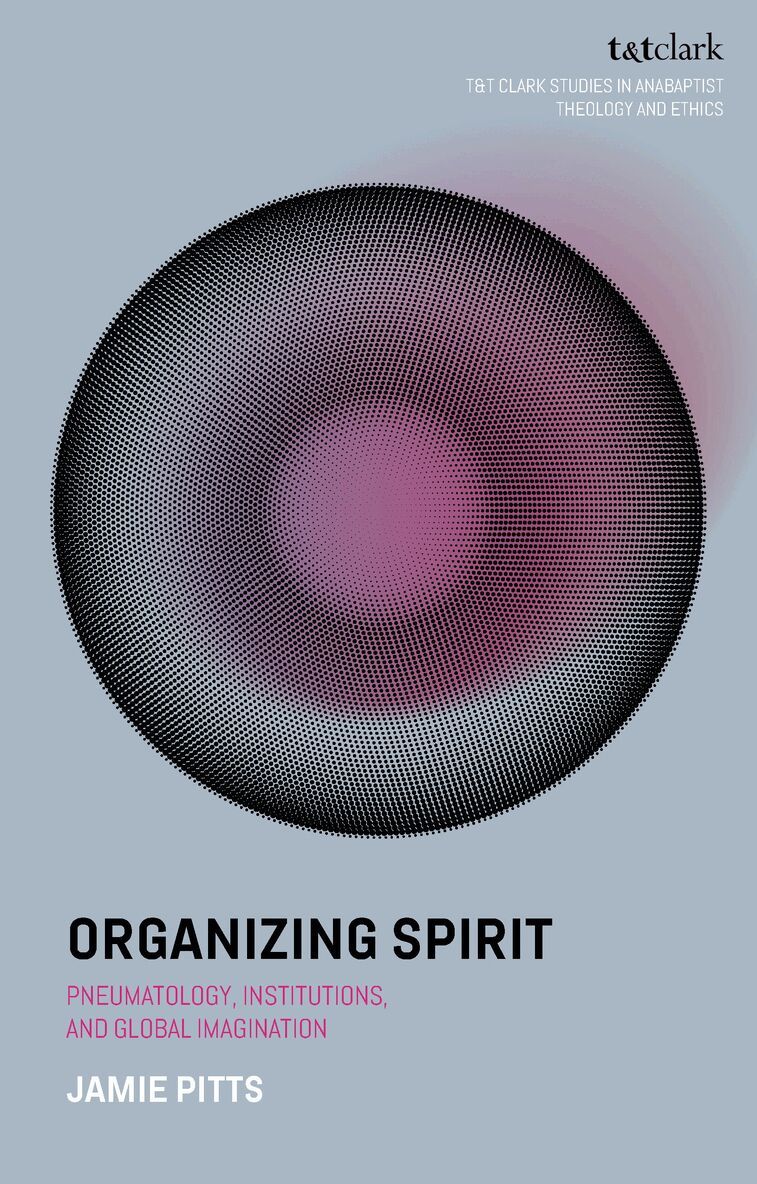
Contemporary theologians tend to associate the Holy Spirit with the formation of local communities, social movements, and fluid relational networks—and not with institutions such as denominations or global church bodies. In this work, Jamie Pitts argues that this pneumatological-sociological picture misses important aspects of the Spirit’s work.Pitts draws on a wide range of theological and theoretical resources to depict the Spirit as organizing the complex, dynamic, and relationally entangled structures that constitute creation. Human organizing that seeks to participate in the Spirit can take a variety of analogous structural forms, including formal organizations or institutions. Organizational participation in the Spirit is not a function of an organization’s scale, mobility, or relative informality, but rather of its practical orientation toward the Spirit’s goals of life, solidarity, healing, and inclusive justice. A series of case studies clarifies and extends the implications of the argument in connection to organizing for environmental, gender, sexual, and racial justice. In the final chapter, Pitts addresses the role of a political theology of the organizing Spirit in imagining organizational alternatives to the global neoliberal order.
Inbunden, Engelska, 2025
911 kr
Skickas inom 10-15 vardagar
Contemporary theologians tend to associate the Holy Spirit with the formation of local communities, social movements, and fluid relational networks—and not with institutions such as denominations or global church bodies. In this work, Jamie Pitts argues that this pneumatological-sociological picture misses important aspects of the Spirit’s work.Pitts draws on a wide range of theological and theoretical resources to depict the Spirit as organizing the complex, dynamic, and relationally entangled structures that constitute creation. Human organizing that seeks to participate in the Spirit can take a variety of analogous structural forms, including formal organizations or institutions. Organizational participation in the Spirit is not a function of an organization’s scale, mobility, or relative informality, but rather of its practical orientation toward the Spirit’s goals of life, solidarity, healing, and inclusive justice. A series of case studies clarifies and extends the implications of the argument in connection to organizing for environmental, gender, sexual, and racial justice. In the final chapter, Pitts addresses the role of a political theology of the organizing Spirit in imagining organizational alternatives to the global neoliberal order.
E-bok
Engelska, 2025333 kr
Läs direkt efter köp
Contemporary theologians tend to associate the Holy Spirit with the formation of local communities, social movements, and fluid relational networks-and not with institutions such as denominations or global church bodies. In this work, Jamie Pitts argues that this pneumatological-sociological picture misses important aspects of the Spirit''s work.Pitts draws on a wide range of theological and theoretical resources to depict the Spirit as organizing the complex, dynamic, and relationally entangled structures that constitute creation. Human organizing that seeks to participate in the Spirit can take a variety of analogous structural forms, including formal organizations or institutions. Organizational participation in the Spirit is not a function of an organization''s scale, mobility, or relative informality, but rather of its practical orientation toward the Spirit''s goals of life, solidarity, healing, and inclusive justice. A series of case studies clarifies and extends the implications of the argument in connection to organizing for environmental, gender, sexual, and racial justice. In the final chapter, Pitts addresses the role of a political theology of the organizing Spirit in imagining organizational alternatives to the global neoliberal order.
E-bok
PDF, Engelska, 2025333 kr
Läs direkt efter köp
Contemporary theologians tend to associate the Holy Spirit with the formation of local communities, social movements, and fluid relational networks-and not with institutions such as denominations or global church bodies. In this work, Jamie Pitts argues that this pneumatological-sociological picture misses important aspects of the Spirit''s work.Pitts draws on a wide range of theological and theoretical resources to depict the Spirit as organizing the complex, dynamic, and relationally entangled structures that constitute creation. Human organizing that seeks to participate in the Spirit can take a variety of analogous structural forms, including formal organizations or institutions. Organizational participation in the Spirit is not a function of an organization''s scale, mobility, or relative informality, but rather of its practical orientation toward the Spirit''s goals of life, solidarity, healing, and inclusive justice. A series of case studies clarifies and extends the implications of the argument in connection to organizing for environmental, gender, sexual, and racial justice. In the final chapter, Pitts addresses the role of a political theology of the organizing Spirit in imagining organizational alternatives to the global neoliberal order.
Häftad, Engelska, 2014
349 kr
Skickas inom 5-8 vardagar
Principalities and Powers is an ambitious analysis of John Howard Yoder's complex sociological theory. Jamie Pitts' work transcends ideological boundaries, which have perplexed the many writers who have approached the legacy of John Howard Yoder after his death in 1997. Although there is much disagreement, a broad consensus is forming that his theology was, on the one hand, focused on the social and political meaning of the New Testament accounts of Jesus Christ and, on the other hand, sociologically reductive, hermeneutically tendentious and ecclesiologically ambiguous. Principalities and Powers proposes a revision of Yoder's theology that maintains its broadly sociological emphasis but corrects for its apparent methodological, political and metaphysical problems. Specifically, adjustments are made to his social theory to open it to spiritual reality, to hone its analytical approach, and to clarify its political import. To do so his preferred framework for social criticism, the theology of the principalities and powers, is examined in the context of his wider work and its critics, and then synthesized with concepts from Pierre Bourdieu's influential reflexive sociology.
Inbunden, Engelska, 2013
490 kr
Skickas inom 5-8 vardagar
E-bok
Engelska, 2021180 kr
Läs direkt efter köp
What does God’s mission look like? Who is supposed to carry it out—and how? Juan F. Martínez and Jamie Pitts lead us on an inquiry into God’s mission in the world: what it is, what it is not, and who is invited to be part of it. If Jesus is truly God’s mission incarnate, we need to look at what Jesus did and how he did it. Martínez helps readers understand what mission means, why Christians in the past have made missteps, and how we can learn from Christian communities that are spreading the good news of Jesus today. Doing mission in the way of Jesus may look different from what many assume, but it is a call that the church cannot afford to miss. The Jesus Way: Small Books of Radical Faith delve into big questions about God’s work in the world. These concise, practical books are deeply rooted in Anabaptist theology. Crafted by a diverse community of internationally renowned scholars, pastors, and practitioners, The Jesus Way series helps readers deepen their faith in Christ and enliven their witness. Accessible Jesus-centered theology from an Anabaptist perspectiveDesigned for use by individual readers, small groups, and Christian education classesGlossary of terms and discussion and reflection questions in each volume Books in series: What Is the Bible and How Do We Understand It? Dennis R. Edwards [Fall 2019]Why Did Jesus Die and What Difference Does It Make? Michele Hershberger [Fall 2019]Why Do We Suffer and Where Is God When We Do? Valerie G. Rempel [Spring 2020]What Is the Trinity and Why Does It Matter? Steve Dancause [Spring 2020]Who Are Our Enemies and How Do We Love Them? Hyung Jin Kim Sun [Summer 2020]What Is God’s Mission in the World and How Do We Join It? Juan F. Martínez [Summer 2020]What Is the Church and Why Does It Exist? David Fitch [Fall 2020]What Does Justice Look Like and Why Does God Care about It? Judith and Colin McCartney [Fall 2020]What Is God’s Kingdom and What Does Citizenship Look Like? César García [Spring 2021]Who Was Jesus and What Does It Mean to Follow Him? Nancy Elizabeth Bedford [Spring 2021]
Häftad, Engelska, 2013
322 kr
Skickas inom 5-8 vardagar
E-bok
Engelska, 2013522 kr
Läs direkt efter köp
Evaluations of John Howard Yoder''s legacy have proliferated since his death in 1997. Although there is much disagreement, a broad consensus is forming that his theology was, on the one hand, focused on the social and political meaning of the New Testament accounts of Jesus Christ and, on the other hand, sociologically reductive, hermeneutically tendentious, and ecclesiologically ambiguous. This book proposes a revision of Yoder''s theology that maintains its broadly sociological emphasis but corrects for its apparent problems. In specific, adjustments are made to his social theory to open it to spiritual reality, to hone its analytical approach, and to clarify its political import. His preferred framework for social criticism, the theology of the principalities and powers, is examined in the context of his wider work and its critics, and then synthesized with concepts from Pierre Bourdieu''s influential reflexive sociology.