Jan Gordon – författare
Visar alla böcker från författaren Jan Gordon. Handla med fri frakt och snabb leverans.
56 produkter
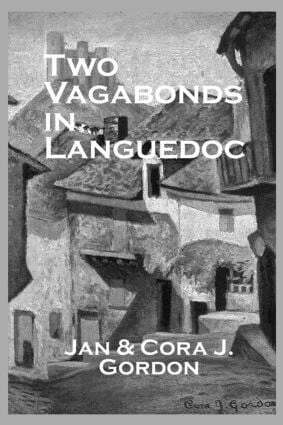
Two Vagabonds In Languedoc
Inbunden, 2006
2292 kr
Lägg i varukorg
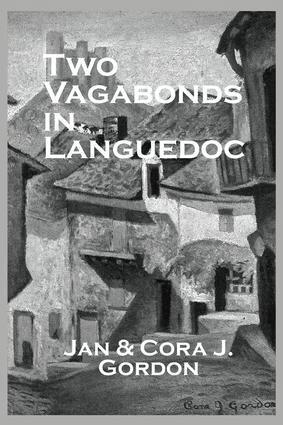
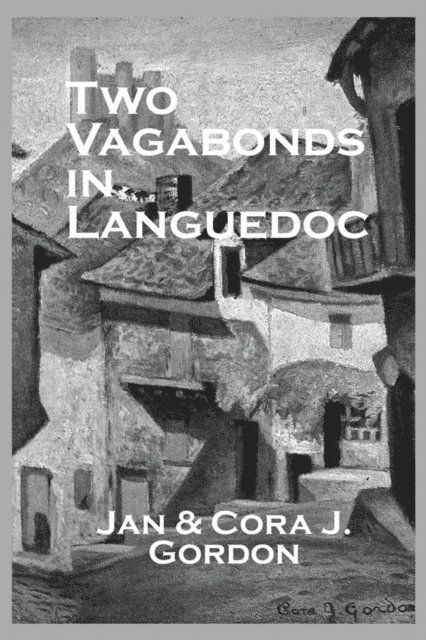
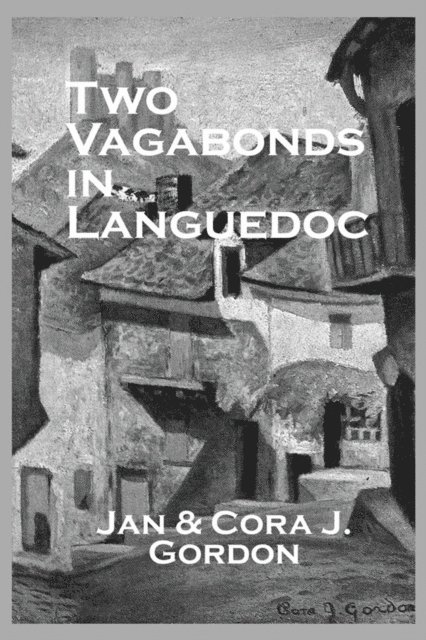
First published in 2006. Part painting in prose, part delightful narrative, this book is filled with clever observations, memorable characters and the authors' own paintings and drawings. It will prove irresistible to anyone interested in the culture of the French village.
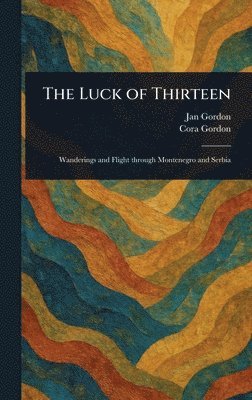
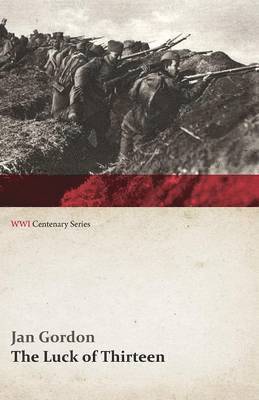
Luck of Thirteen
Wanderings and Flight through Montenegro and Serbia
Av Cora Josephine Gordon, Jan Gordon
Inbunden, 2022
459 kr
Lägg i varukorg
Luck of Thirteen
Wanderings and Flight through Montenegro and Serbia
Av Cora Josephine Gordon, Jan Gordon
Häftad, 2022
302 kr
Lägg i varukorg
Two Vagabonds In Languedoc
Häftad, 2016
540 kr
Lägg i varukorg
First published in 2006. Part painting in prose, part delightful narrative, this book is filled with clever observations, memorable characters and the authors' own paintings and drawings. It will prove irresistible to anyone interested in the culture of the French village.
Two Vagabonds In Languedoc
E-bok, 2014
635 kr
Lägg i varukorg
First published in 2006. Part painting in prose, part delightful narrative, this book is filled with clever observations, memorable characters and the authors'' own paintings and drawings. It will prove irresistible to anyone interested in the culture of the French village.
Two Vagabonds In Languedoc
E-bok, 2014
589 kr
Lägg i varukorg
First published in 2006. Part painting in prose, part delightful narrative, this book is filled with clever observations, memorable characters and the authors'' own paintings and drawings. It will prove irresistible to anyone interested in the culture of the French village.
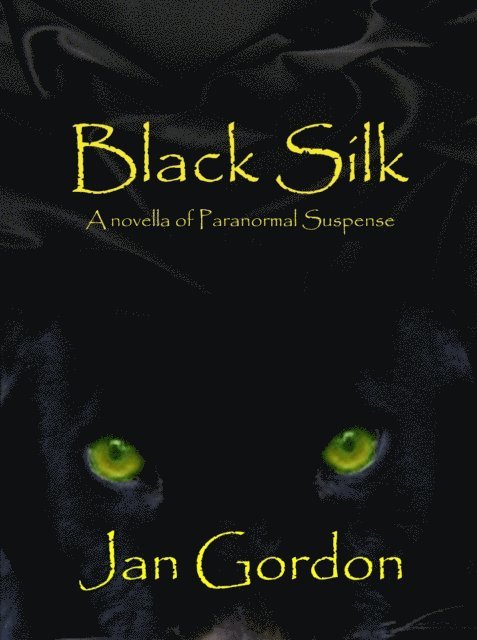
Black Silk
Av Jan Gordon
E-bok, 2009
19 kr
Lägg i varukorg
Vic has two loves in her life, her cat, Mister, and reading books from her bookstore. Her future looked set, until one night when she's saved from probable danger by a mysterious stranger.Cole has moved around a lot during his life, never finding a true home, until he buys an old house, and fate …
Luck of Thirteen: Wanderings and Flight Through Montenegro and Serbia (Wwi Centenary Series)
Häftad, 2014
324 kr
Lägg i varukorg
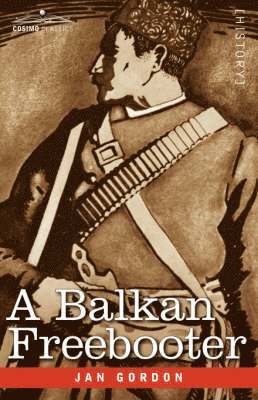
A Balkan Freebooter: Being the True Exploits of the Serbian Outlaw and Comitaj Petko Moritch
Av Jan Gordon
Häftad
553 kr
Lägg i varukorg
Balkan Freebooter
Being the True Exploits of the Serbian Outlaw and Comitaj Petko Moritch
Av Jan Gordon
Häftad, 2008
337 kr
Lägg i varukorg
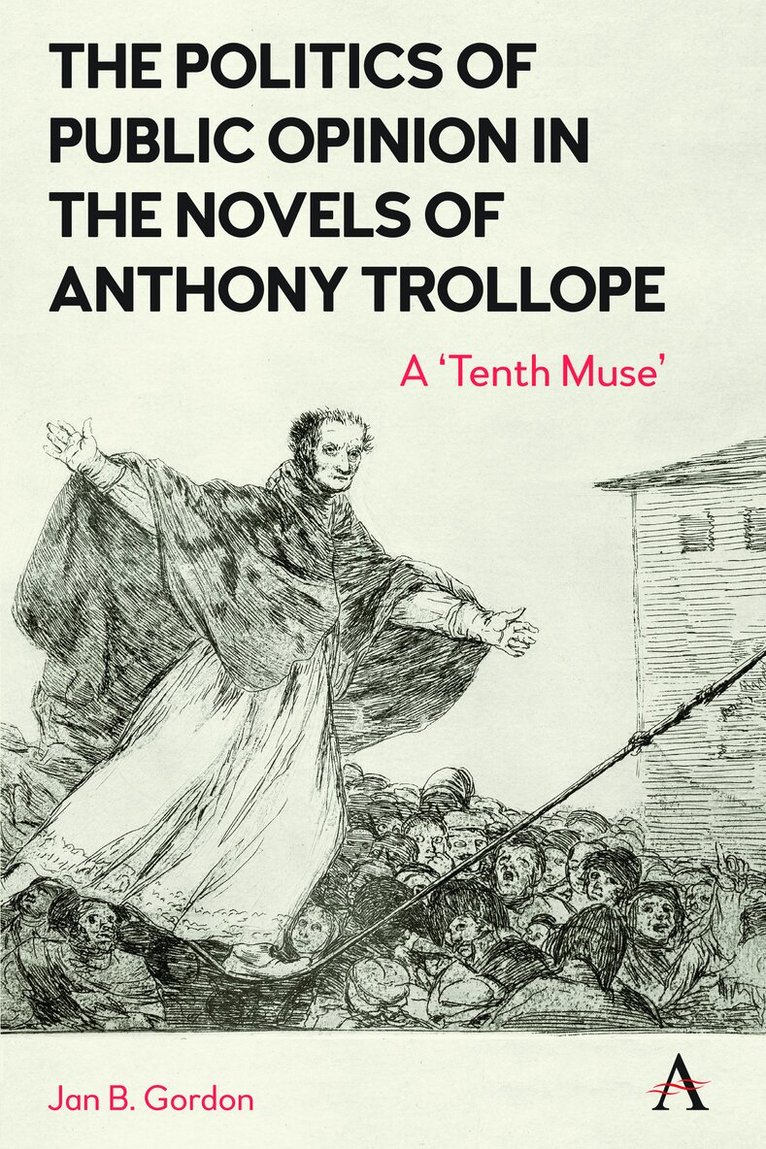
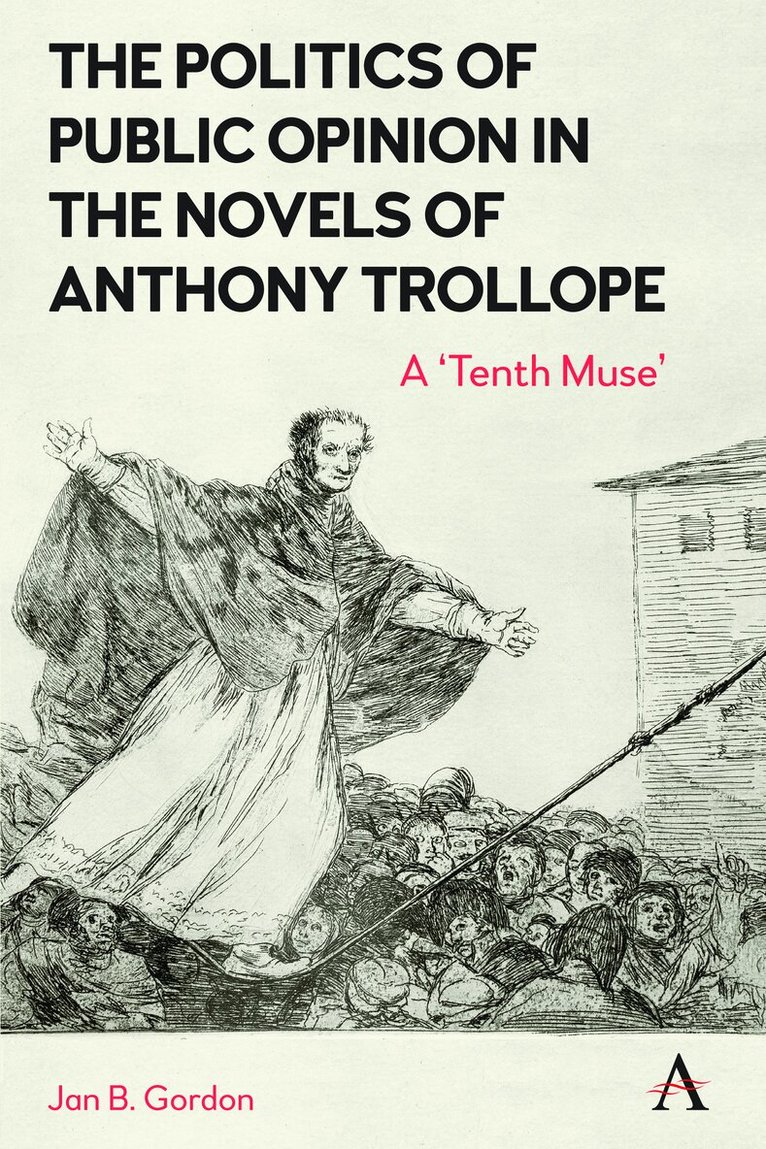
Politics of Public Opinion in the Novels of Anthony Trollope
A 'Tenth Muse'
Av Jan Gordon
Inbunden, 2023
1469 kr
Lägg i varukorg
Although “public opinion” has always existed, it becomes an acknowledged political subject in both the Oxford English Dictionary (1864) and the Barsetshire Chronicle and Parliamentary Novels of Anthony Trollope contemporaneously with 1) the penetration of the press into local issues and 2) the …
Politics of Public Opinion in the Novels of Anthony Trollope
A 'Tenth Muse'
Av Jan Gordon
Häftad, 2025
389 kr
Lägg i varukorg
Although “public opinion” has always existed, it becomes an acknowledged political subject in both the Oxford English Dictionary (1864) and the Barsetshire Chronicle and Parliamentary Novels of Anthony Trollope contemporaneously with 1) the penetration of the press into local issues and 2) the …