Jane Arscott – författare
Visar alla böcker från författaren Jane Arscott. Handla med fri frakt och snabb leverans.
5 produkter
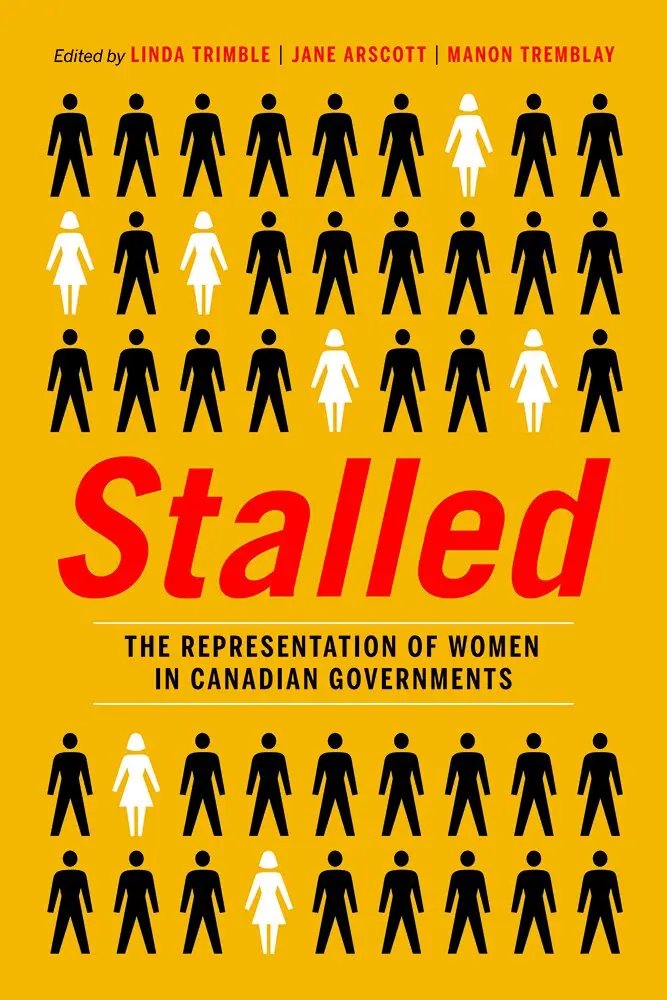
Stalled
The Representation of Women in Canadian Governments
Av Linda Trimble, Jane Arscott m. fl.
Häftad, 2014
413 kr
Lägg i varukorg
Following significant increases in women's electoral representation in the 1980s and '90s, progress has stalled. Despite some high-profile successes at the provincial level, there are now only a few more women in Canada's parliament and legislatures than a decade ago. What has happened to the …
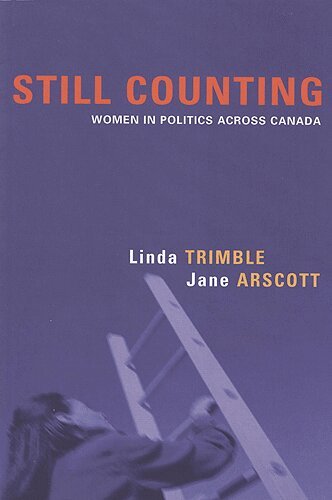
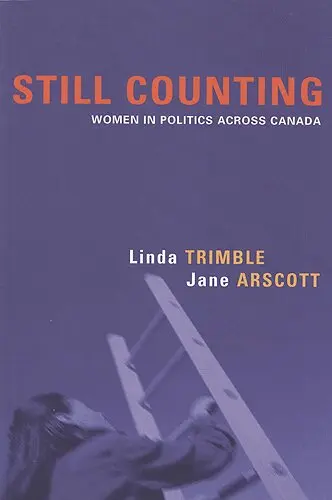
Still Counting
Women in Politics Across Canada
Av Linda Trimble, Jane Arscott
E-bok, 2003
343 kr
Lägg i varukorg
Still Counting explains why scholars and activists continue to count the number of women elected to Canada's legislatures, and demonstrates that, by any measure, women are only halfway to equal. The authors assert that an "electoral glass ceiling" is keeping women at or below the 25 per cent mark, …
Still Counting
Women in Politics Across Canada
Av Linda Trimble, Jane Arscott
E-bok, 2003
343 kr
Lägg i varukorg
Still Counting explains why scholars and activists continue to count the number of women elected to Canada's legislatures, and demonstrates that, by any measure, women are only halfway to equal. The authors assert that an "electoral glass ceiling" is keeping women at or below the 25 per cent mark, …
Stalled
The Representation of Women in Canadian Governments
Av Linda Trimble, Jane Arscott m. fl.
Inbunden, 2013
1114 kr
Tillfälligt slut
Following significant increases in women's electoral representation in the 1980s and '90s, progress has stalled. Despite some high-profile successes at the provincial level, there are now only a few more women in Canada's parliament and legislatures than a decade ago. What has happened to the …
Still Counting
Women in Politics Across Canada
Av Linda Trimble, Jane Arscott
Häftad, 2003
273 kr
Tillfälligt slut
Still Counting explains why scholars and activists continue to count the number of women elected to Canada's legislatures, and demonstrates that, by any measure, women are only halfway to equal. The authors assert that an "electoral glass ceiling" is keeping women at or below the 25 per cent mark, …