Jang-Kyo Kim – författare
Visar alla böcker från författaren Jang-Kyo Kim. Handla med fri frakt och snabb leverans.
9 produkter
Engineered Interfaces in Fiber Reinforced Composites
Inbunden, 1998
2407 kr
Lägg i varukorg
The study and application of composite materials are a truly interdisciplinary endeavour that has been enriched by contributions from chemistry, physics, materials science, mechanics and manufacturing engineering. The understanding of the interface (or interphase) in composites is the central point …
Engineered Interfaces in Fiber Reinforced Composites
E-bok, 1998
2446 kr
Lägg i varukorg
The study and application of composite materials are a truly interdisciplinary endeavour that has been enriched by contributions from chemistry, physics, materials science, mechanics and manufacturing engineering. The understanding of the interface (or interphase) in composites is the central point …
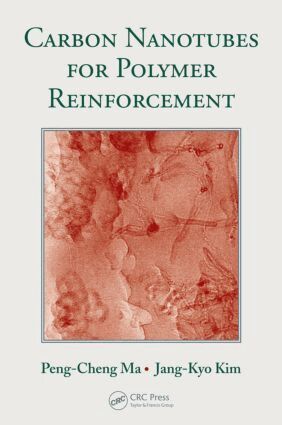
Carbon Nanotubes for Polymer Reinforcement
Av Jang-Kyo Kim, Peng-Cheng Ma
E-bok, 2011
1905 kr
Lägg i varukorg
Discovered in the twentieth century, carbon nanotubes (CNT) were an integral part of science and industry by the beginning of the twenty first century, revolutionizing chemistry, physics, and materials science. More recent advances in carbon nanotube production methods have resulted in a tremendous …
Carbon Nanotubes for Polymer Reinforcement
Av Peng-Cheng Ma, Jang-Kyo Kim
Häftad, 2017
1608 kr
Lägg i varukorg
Discovered in the twentieth century, carbon nanotubes (CNT) were an integral part of science and industry by the beginning of the twenty first century, revolutionizing chemistry, physics, and materials science. More recent advances in carbon nanotube production methods have resulted in a tremendous …
Carbon Nanotubes for Polymer Reinforcement
Av Peng-Cheng Ma, Jang-Kyo Kim
Inbunden, 2011
4227 kr
Lägg i varukorg
Discovered in the twentieth century, carbon nanotubes (CNT) were an integral part of science and industry by the beginning of the twenty first century, revolutionizing chemistry, physics, and materials science. More recent advances in carbon nanotube production methods have resulted in a tremendous …
Carbon Nanotubes for Polymer Reinforcement
Av Jang-Kyo Kim, Peng-Cheng Ma
E-bok, 2011
1905 kr
Lägg i varukorg
Discovered in the twentieth century, carbon nanotubes (CNT) were an integral part of science and industry by the beginning of the twenty first century, revolutionizing chemistry, physics, and materials science. More recent advances in carbon nanotube production methods have resulted in a tremendous …
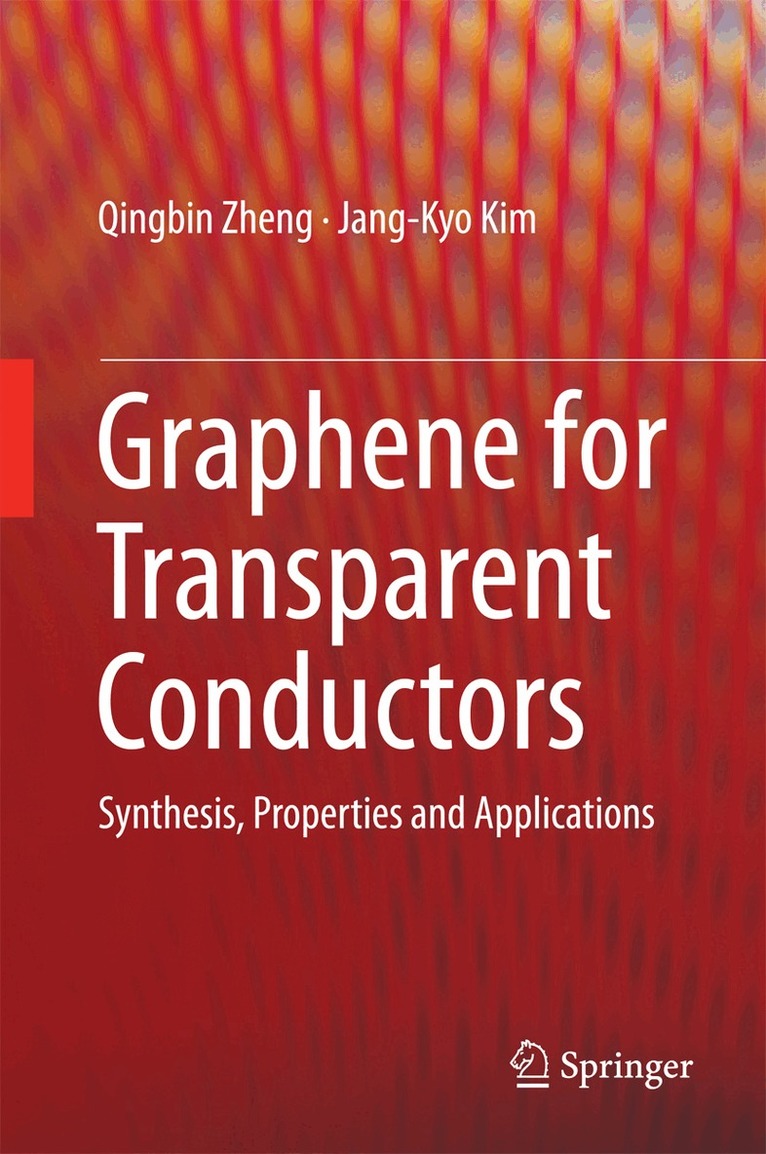
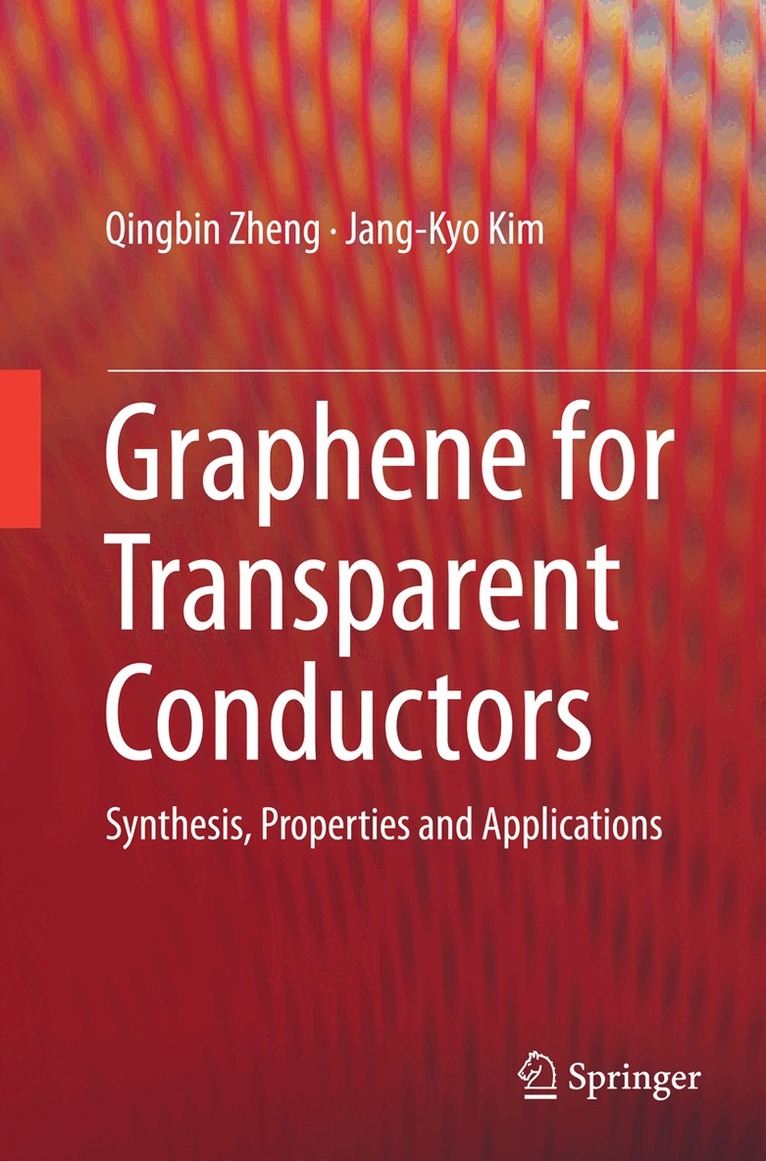
Graphene for Transparent Conductors
Synthesis, Properties and Applications
Av Qingbin Zheng, Jang-Kyo Kim
Inbunden, 2015
548 kr
Lägg i varukorg
This book provides a systematic presentation of the principles and practices behind the synthesis and functionalization of graphene and grapheme oxide (GO), as well as the fabrication techniques for transparent conductors from these materials.Transparent conductors are used in a wide variety of …
Graphene for Transparent Conductors
Synthesis, Properties and Applications
Av Jang-Kyo Kim, Qingbin Zheng
E-bok, 2015
718 kr
Lägg i varukorg
This book provides a systematic presentation of the principles and practices behind the synthesis and functionalization of graphene and grapheme oxide (GO), as well as the fabrication techniques for transparent conductors from these materials. Transparent conductors are used in a wide variety of …
Graphene for Transparent Conductors
Synthesis, Properties and Applications
Av Qingbin Zheng, Jang-Kyo Kim
Häftad, 2016
548 kr
Lägg i varukorg
This book provides a systematic presentation of the principles and practices behind the synthesis and functionalization of graphene and grapheme oxide (GO), as well as the fabrication techniques for transparent conductors from these materials.Transparent conductors are used in a wide variety of …