Japonica Brown-Saracino – författare
Visar alla böcker från författaren Japonica Brown-Saracino. Handla med fri frakt och snabb leverans.
13 produkter
Neighborhood That Never Changes
Gentrification, Social Preservation, and the Search for Authenticity
Inbunden, 2010
1033 kr
Lägg i varukorg
Newcomers to older neighborhoods are usually perceived as destructive, tearing down everything that made the place special and attractive. But as "A Neighborhood That Never Changes" demonstrates, many gentrifiers seek to preserve the authentic local flavor of their new homes, rather than ruthlessly …
Neighborhood That Never Changes
Gentrification, Social Preservation, and the Search for Authenticity
Häftad, 2010
349 kr
Lägg i varukorg
Newcomers to older neighborhoods are usually perceived as destructive, tearing down everything that made the place special and attractive. But as "A Neighborhood That Never Changes" demonstrates, many gentrifiers seek to preserve the authentic local flavor of their new homes, rather than ruthlessly …
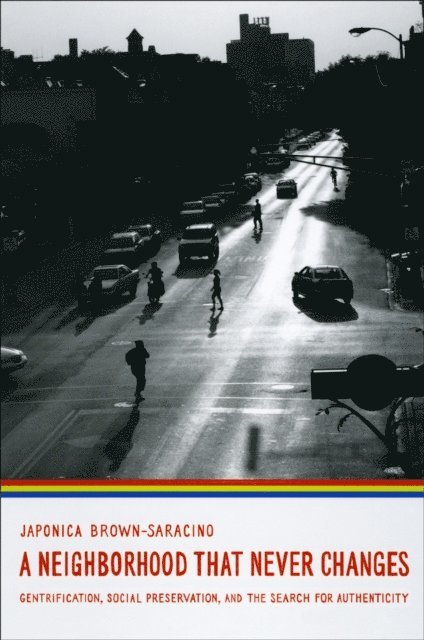
Neighborhood That Never Changes
Gentrification, Social Preservation, and the Search for Authenticity
E-bok, 2010
742 kr
Lägg i varukorg
Newcomers to older neighborhoods are usually perceived as destructive, tearing down everything that made the place special and attractive. But as A Neighborhood That Never Changes demonstrates, many gentrifiers seek to preserve the authentic local flavor of their new homes, rather than ruthlessly …
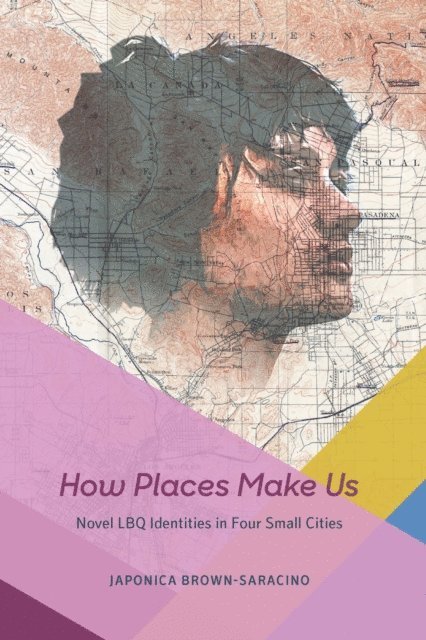
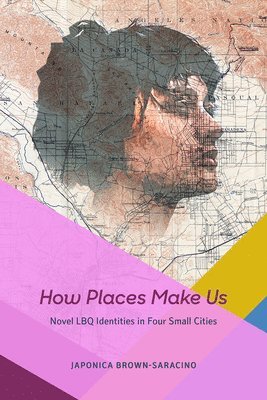
How Places Make Us
Novel LBQ Identities in Four Small Cities
Häftad, 2017
332 kr
Lägg i varukorg
We like to think of ourselves as possessing an essential self, a core identity that is who we really are, regardless of where we live, work, or play. But places actually make us much more than we might think, argues Japonica Brown-Saracino in this novel ethnographic study of lesbian, bisexual, and …
How Places Make Us
Novel LBQ Identities in Four Small Cities
E-bok, 2017
643 kr
Lägg i varukorg
We like to think of ourselves as possessing an essential self, a core identity that is who we really are, regardless of where we live, work, or play. But places actually make us much more than we might think, argues Japonica Brown-Saracino in this novel ethnographic study of lesbian, bisexual, and …
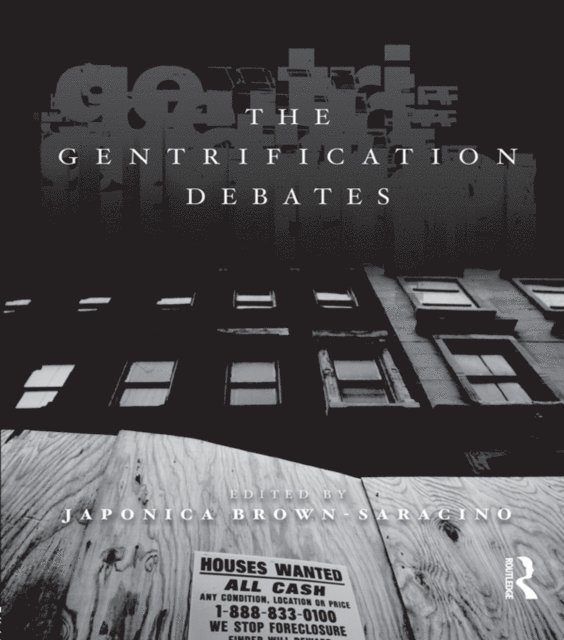
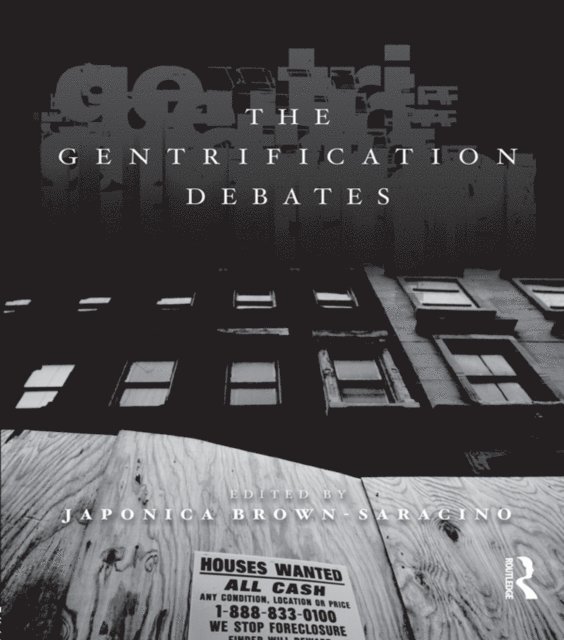
Gentrification Debates
A Reader
Inbunden, 2010
3055 kr
Lägg i varukorg
Uniquely well suited for teaching, this innovative text-reader strengthens students’ critical thinking skills, sparks classroom discussion, and also provides a comprehensive and accessible understanding of gentrification.
Gentrification Debates
A Reader
Häftad, 2010
909 kr
Lägg i varukorg
Uniquely well suited for teaching, this innovative text-reader strengthens students’ critical thinking skills, sparks classroom discussion, and also provides a comprehensive and accessible understanding of gentrification.
Death and Life of Gentrification
A New Map of a Persistent Idea
Inbunden, 2026
263 kr
Lägg i varukorg
A provocative account of what is gained and what is lost when a word that once narrowly referred to neighborhood change takes on a life all its ownSociologist Ruth Glass coined the term gentrification in the 1960s to mark the displacement of working-class residents in London neighborhoods by the …
Gentrification Debates
A Reader
E-bok, 2013
1091 kr
Lägg i varukorg
Uniquely well suited for teaching, this innovative text-reader strengthens students’ critical thinking skills, sparks classroom discussion, and also provides a comprehensive and accessible understanding of gentrification.
Gentrification Debates
A Reader
E-bok, 2013
1067 kr
Lägg i varukorg
Uniquely well suited for teaching, this innovative text-reader strengthens students’ critical thinking skills, sparks classroom discussion, and also provides a comprehensive and accessible understanding of gentrification.
Fighting to Stay Put
Learning from the Global Struggle Against Gentrification and Displacement
Av Loretta Lees, Japonica Brown-Saracino m. fl.
Inbunden, 2027
679 kr
Kommande
Fighting to Stay Put
Learning from the Global Struggle Against Gentrification and Displacement
Av Loretta Lees, Japonica Brown-Saracino m. fl.
Häftad, 2027
435 kr
Kommande
How Places Make Us
Novel LBQ Identities in Four Small Cities
Inbunden, 2017
958 kr
Tillfälligt slut
We like to think of ourselves as possessing an essential self, a core identity that is who we really are, regardless of where we live, work, or play. But places actually make us much more than we might think, argues Japonica Brown-Saracino in this novel ethnographic study of lesbian, bisexual, and …