
JA¶rg Rinklebe – författare
824 kr
Läs direkt efter köp
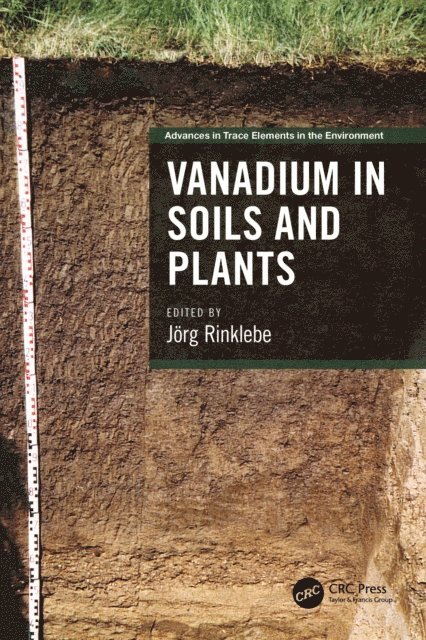
Vanadium is an essential element for humans and animals. The toxicity of vanadium at higher concentrations could be a global environmental concern and a significant issue for both environmental protection and economic benefits. The relevance of anthropogenic vanadium in the environment has increased significantly in recent years due to an increased demand for vanadium in high-temperature industrial activities. This book summarizes vanadium’s current research and explains its behavior and mobilization in the environment, especially in soils, sediments, water and plants. Through case studies from various countries, it discusses critical limits set and risk assessment approaches and remediation approaches of vanadium-contaminated soils.
FEATURES
Provides a comprehensive overview of vanadium in the total environment
Covers the role of vanadium in various environments such as soils, sediments, water and plants
Includes bioavailability studies and further case studies from various countries around the world
Focuses on a better understanding of biogeochemical processes of vanadium
Is written by international experts who present the current stage of the knowledge including innovative remediation and management approaches of vanadium-contaminated sites
This book will be of use to upper-level undergraduate and graduate students taking courses in soil science, environmental science, soil ecology, water science, plant science, ecotoxicology, geology and geography as well as scientists, lecturers, environmental and technical engineers, ecologists, applied ecological scientists and managers.
824 kr
Läs direkt efter köp
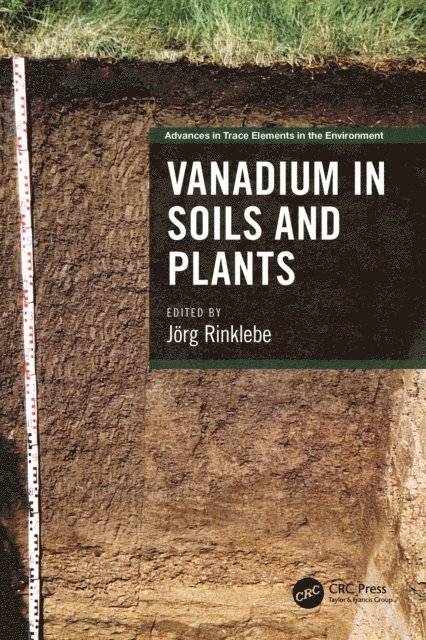
Vanadium is an essential element for humans and animals. The toxicity of vanadium at higher concentrations could be a global environmental concern and a significant issue for both environmental protection and economic benefits. The relevance of anthropogenic vanadium in the environment has increased significantly in recent years due to an increased demand for vanadium in high-temperature industrial activities. This book summarizes vanadium’s current research and explains its behavior and mobilization in the environment, especially in soils, sediments, water and plants. Through case studies from various countries, it discusses critical limits set and risk assessment approaches and remediation approaches of vanadium-contaminated soils.
FEATURES
Provides a comprehensive overview of vanadium in the total environment
Covers the role of vanadium in various environments such as soils, sediments, water and plants
Includes bioavailability studies and further case studies from various countries around the world
Focuses on a better understanding of biogeochemical processes of vanadium
Is written by international experts who present the current stage of the knowledge including innovative remediation and management approaches of vanadium-contaminated sites
This book will be of use to upper-level undergraduate and graduate students taking courses in soil science, environmental science, soil ecology, water science, plant science, ecotoxicology, geology and geography as well as scientists, lecturers, environmental and technical engineers, ecologists, applied ecological scientists and managers.
1 506 kr
Läs direkt efter köp
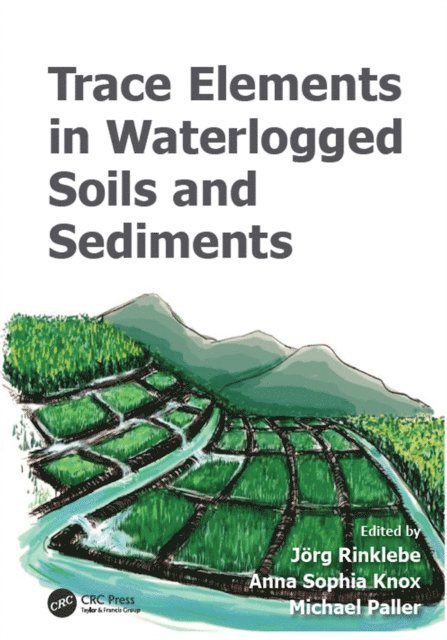
Many wetlands around the world act as sinks for pollutants, in particular for trace elements. In comparison to terrestrial environments, wetlands are still far less studied. A collaborative effort among world experts, this book brings the current knowledge concerning trace elements in temporary waterlogged soils and sediments together. It discusses factors controlling the dynamics and release kinetics of trace elements and their underlying biogeochemical processes. It also discusses current technologies for remediating sites contaminated with trace metals, and the role of bioavailability in risk assessment and regulatory decision making. This book is intended for professionals around the world in disciplines related to contaminant bioavailability in aquatic organisms, contaminant fate and transport, remediation technologies, and risk assessment of aquatic and wetland ecosystems.
901 kr
Läs direkt efter köp
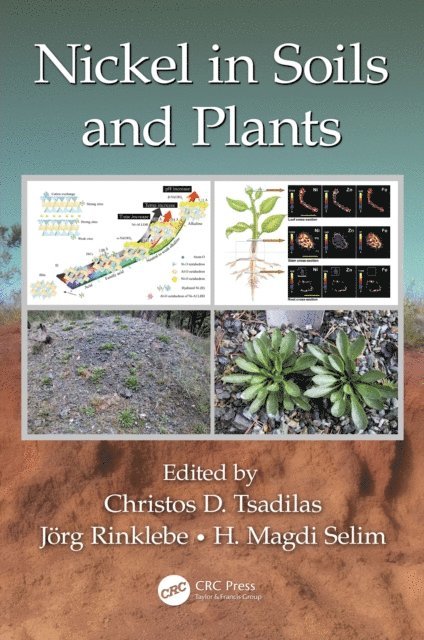
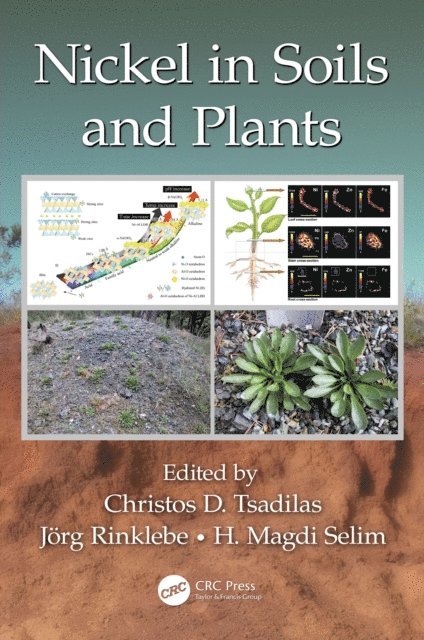
Soils with high Ni contents occur in several parts of the world, especially in areas with ultramafic rocks which cause serious environmental impacts. This book aims to extend the knowledge on the risks and problems caused by elevated Ni contents and to cover the existing gaps on issues related to various aspects and consequences of high Ni contents in soils and plants.
Nickel in Soils and Plants brings together discussions on Ni as a trace element and as a micronutrient essential for plant growth and its role in plant physiology. It analyzes the biogeochemistry of Ni at the soil plant interface, and explains its behavior in the rhizosphere resulting in Ni deficiency or toxicity, or Ni tolerance of various Ni hyperaccumulators. Included are Ni resources and sources, the origin of soil Ni, its geochemical forms in soils and their availability to plants, a special reference on soils enriched with geogenic Ni, such as serpentine soils, and the special characteristics of those ecosystems. Recent advancements in methods of Ni speciation, including the macroscale and X- ray absorption spectroscopy studies as well as serious views on Ni kinetics, are also covered.
Written by a team of internationally recognized researchers and expert contributors, this comprehensive work addresses the practical aspects of managing Ni in soils and plants for agricultural production, and managing soils with high Ni levels by using organic and inorganic amendments. The text also addresses practical measures related to Ni toxicity in plants, the removal and recovery of Ni from high Ni wastes, and offers environmentally friendly innovative processes for mining Ni from soils containing high Ni levels.
901 kr
Läs direkt efter köp
Soils with high Ni contents occur in several parts of the world, especially in areas with ultramafic rocks which cause serious environmental impacts. This book aims to extend the knowledge on the risks and problems caused by elevated Ni contents and to cover the existing gaps on issues related to various aspects and consequences of high Ni contents in soils and plants.
Nickel in Soils and Plants brings together discussions on Ni as a trace element and as a micronutrient essential for plant growth and its role in plant physiology. It analyzes the biogeochemistry of Ni at the soil plant interface, and explains its behavior in the rhizosphere resulting in Ni deficiency or toxicity, or Ni tolerance of various Ni hyperaccumulators. Included are Ni resources and sources, the origin of soil Ni, its geochemical forms in soils and their availability to plants, a special reference on soils enriched with geogenic Ni, such as serpentine soils, and the special characteristics of those ecosystems. Recent advancements in methods of Ni speciation, including the macroscale and X- ray absorption spectroscopy studies as well as serious views on Ni kinetics, are also covered.
Written by a team of internationally recognized researchers and expert contributors, this comprehensive work addresses the practical aspects of managing Ni in soils and plants for agricultural production, and managing soils with high Ni levels by using organic and inorganic amendments. The text also addresses practical measures related to Ni toxicity in plants, the removal and recovery of Ni from high Ni wastes, and offers environmentally friendly innovative processes for mining Ni from soils containing high Ni levels.