Jarvis J. Williams – författare
Visar alla böcker från författaren Jarvis J. Williams. Handla med fri frakt och snabb leverans.
13 produkter
13 produkter
Häftad, Engelska, 2027
303 kr
Kommande
Volumes in New Word Biblical Themes: New Testament series offer short, accessible studies of the key themes of each book of the New Testament.Each volume offers an introduction to the book, a brief exposition of the text with its basic background and a survey of its contents, an overview of its themes, and a deeper look at 3-5 key themes for understanding the book and for preaching and teaching.
Inbunden, Engelska, 2019
1 640 kr
Skickas inom 10-15 vardagar
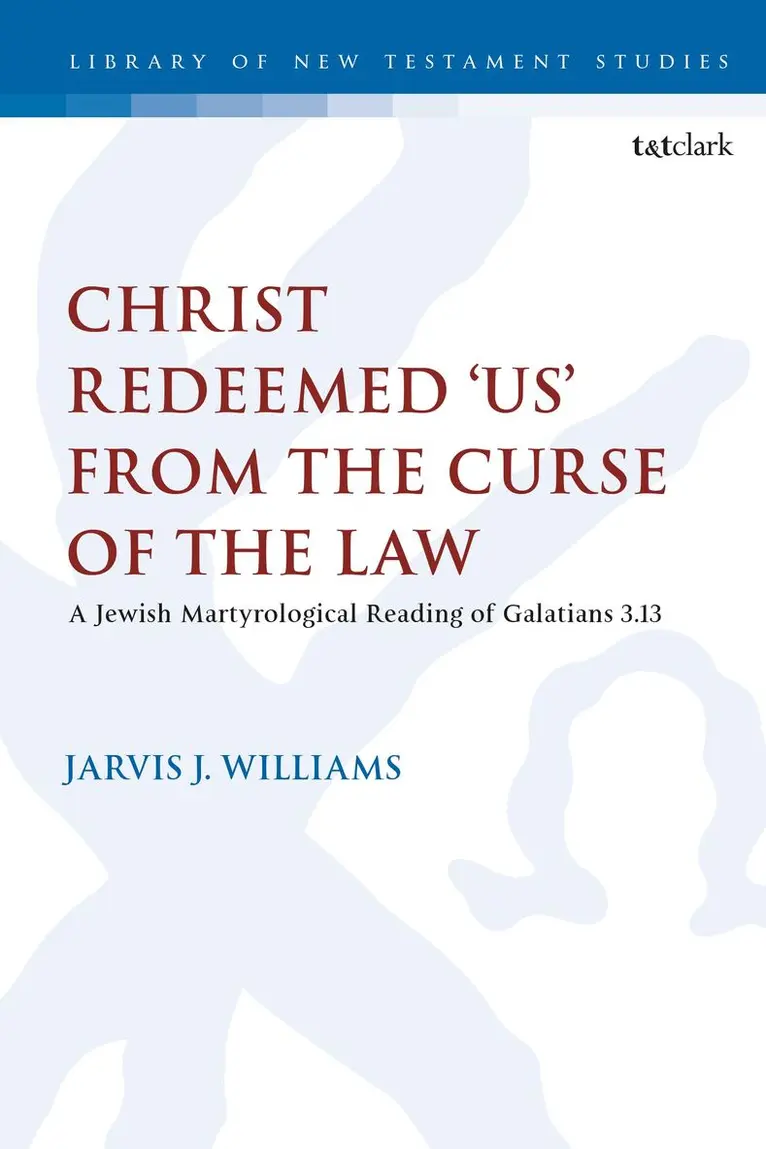
Jarvis J. Williams argues that the Jewish martyrological ideas, codified in 2 and 4 Maccabees and in selected texts in LXX Daniel 3, provide an important background to understanding Paul’s statements about the cursed Christ in Gal. 3.13, and the soteriological benefits that his death achieves for Jews and Gentiles in Galatians. Williams further argues that Paul modifies Jewish martyrology to fit his exegetical, polemical, and theological purposes, in order to persuade the Galatians not to embrace the ‘other’ gospel of their opponents. In addition to providing a detailed and up to date history of research on the scholarship of Gal. 3.13, Williams provides five arguments throughout this volume related to the scriptural, theological and conceptual, lexical, grammatical and polemical points of contact, and finally the discontinuities between Galatians and Jewish martyrological ideas. Drawing on literature from Second Temple traditions to directly compare with Gal. 3.13, Williams adds new insights to Paul’s defense of his Torah-free-gentile-inclusive gospel, and his rhetoric against his opponents.
Häftad, Engelska, 2021
456 kr
Skickas inom 10-15 vardagar
Jarvis J. Williams argues that the Jewish martyrological ideas, codified in 2 and 4 Maccabees and in selected texts in LXX Daniel 3, provide an important background to understanding Paul’s statements about the cursed Christ in Gal. 3.13, and the soteriological benefits that his death achieves for Jews and Gentiles in Galatians. Williams further argues that Paul modifies Jewish martyrology to fit his exegetical, polemical, and theological purposes, in order to persuade the Galatians not to embrace the ‘other’ gospel of their opponents. In addition to providing a detailed and up to date history of research on the scholarship of Gal. 3.13, Williams provides five arguments throughout this volume related to the scriptural, theological and conceptual, lexical, grammatical and polemical points of contact, and finally the discontinuities between Galatians and Jewish martyrological ideas. Drawing on literature from Second Temple traditions to directly compare with Gal. 3.13, Williams adds new insights to Paul’s defense of his Torah-free-gentile-inclusive gospel, and his rhetoric against his opponents.
Inbunden, Engelska, 2010
374 kr
Skickas inom 5-8 vardagar
Inbunden, Engelska, 2020
461 kr
Skickas inom 5-8 vardagar
Häftad, Engelska, 2023
369 kr
Skickas inom 3-6 vardagar
Häftad, Engelska, 2026
200 kr
Skickas inom 5-8 vardagar
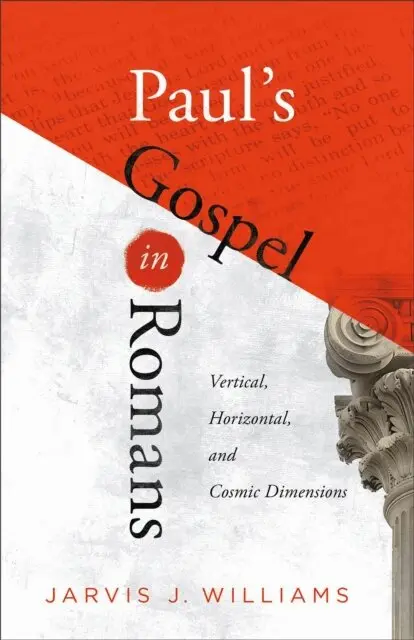
In this book, Jarvis J. Williams argues that Paul's gospel in Romans is the announcement of good news that by Jesus Christ's death and resurrection, God has fulfilled all his redemptive promises for Jews, Gentiles, and the world. He further argues that Paul's gospel has at least three dimensions: vertical, horizontal, and cosmic.Williams explains that the starting point for Paul's gospel is Christ's cross and resurrection. The vertical dimension refers to the saving benefits Jews and Gentiles receive from God through faith in Jesus, including justification by faith, forgiveness of sins, reconciliation with God, and the salvation of all the elect within Israel. The horizontal aspect relates to individual and relational transformation of those in Christ. Through the Spirit, God transforms those who have died with Christ to live a righteous life in the power of the resurrection, which enables both unity between Jews and Gentiles in Christ and their love for their neighbors. The cosmic component relates to the liberation of the entire creation from its slavery to sin's power. This liberation includes a bodily resurrection, the transformation of the current universe, and a future inheritance of a new creation for all Jews and Gentiles whom God has redeemed in Christ.This fresh articulation and defense of Pauline theology from an evangelical perspective will be useful for seminary students, scholars, pastors, and study groups.
Inbunden, Engelska
791 kr
Skickas inom 3-6 vardagar
Häftad, Engelska, 2021
286 kr
Skickas inom 3-6 vardagar
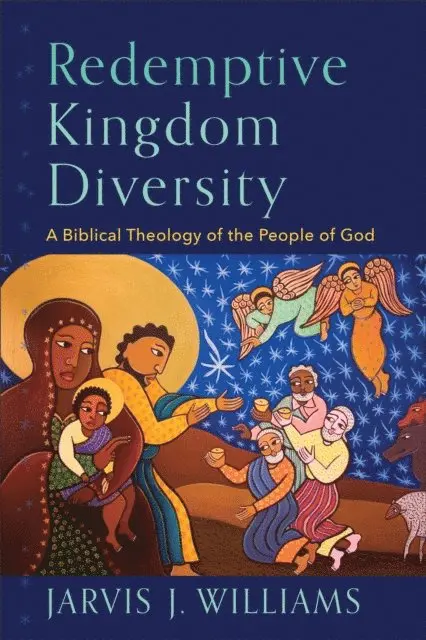
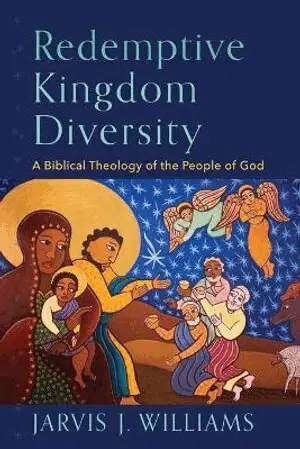
This book provides a comprehensive biblical and theological survey of the people of God in the Old and New Testaments, offering insights for today's transformed and ethnically diverse church.Jarvis Williams explains that God's people have always been intended to be a diverse community. From Genesis to Revelation, God has intended to restore humanity's vertical relationship with God, humanity's horizontal relationship with one another, and the entire creation through Jesus. Through Jesus, both Jew and gentile are reconciled to God and together make up a transformed people.Williams then applies his biblical and theological analysis to selected aspects of the current conversation about race, racism, and ethnicity, explaining what it means to be the church in today's multiethnic context. He argues that the church should demonstrate redemptive kingdom diversity, for it has been transformed into a new community that is filled with many diverse ethnic communities.
Häftad, Engelska, 2010
222 kr
Skickas inom 5-8 vardagar
Häftad, Engelska, 2015
319 kr
Skickas inom 5-8 vardagar
Häftad, Engelska, 2020
287 kr
Skickas inom 5-8 vardagar
Häftad, Engelska, 2012
535 kr
Skickas inom 5-8 vardagar
A careful and exegetical reading and examination of the Pauline passages that suggests particular atonement, together with a thorough engagement with contemporary scholars on the subject. In For Whom Did Christ Die? Williams argues that according to Paul, Jesus died exclusively for the elect to achieve their salvation. The book attempts to show that particular atonement is not simply an abstract theological doctrine, imposed on the text by theologians, and void of a biblical or exegetical foundation, but that this doctrine is biblical, is Pauline, and that particular atonement can be detected in Pauline theology by means of a careful, exegetical analysis of the relevant Pauline texts and of the relevant texts in the Old Testament and Second Temple Judaism.