Jasmin Mujanović – författare
Visar alla böcker från författaren Jasmin Mujanović. Handla med fri frakt och snabb leverans.
5 produkter
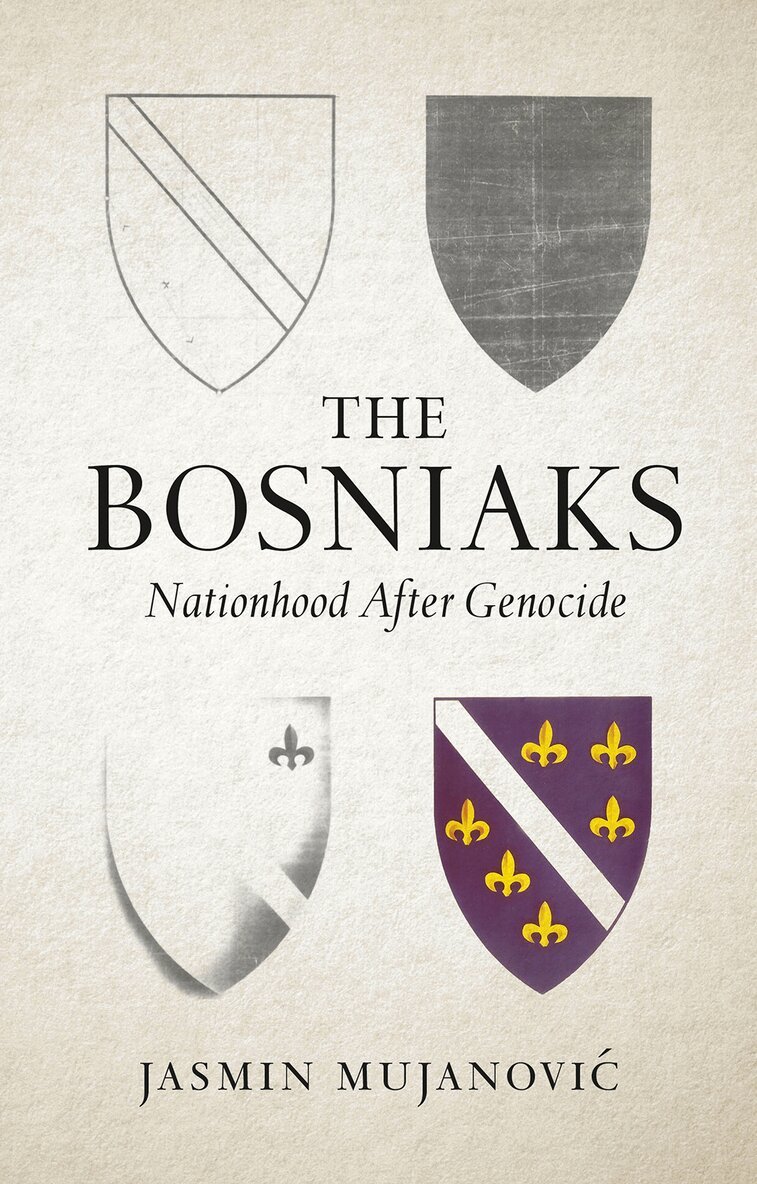
Bosniaks
Nationhood After Genocide
Häftad, 2023
371 kr
Lägg i varukorg
For the first time in nearly two centuries, one ethnic group now constitutes an absolute majority of Bosnia and Herzegovina's population: the Bosniaks. It is an unlikely development given that, scarcely thirty years ago, they were targeted for extermination and expulsion by Serbia's Slobodan …
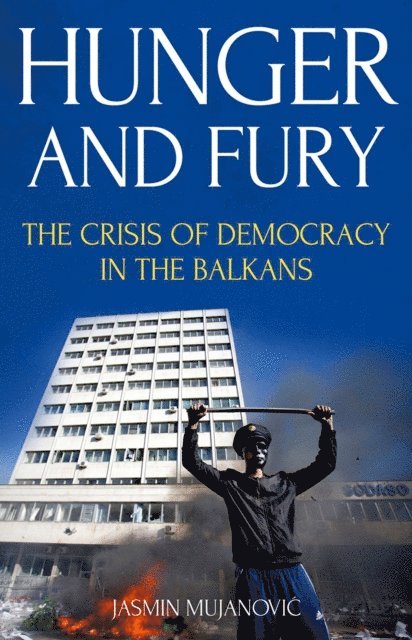
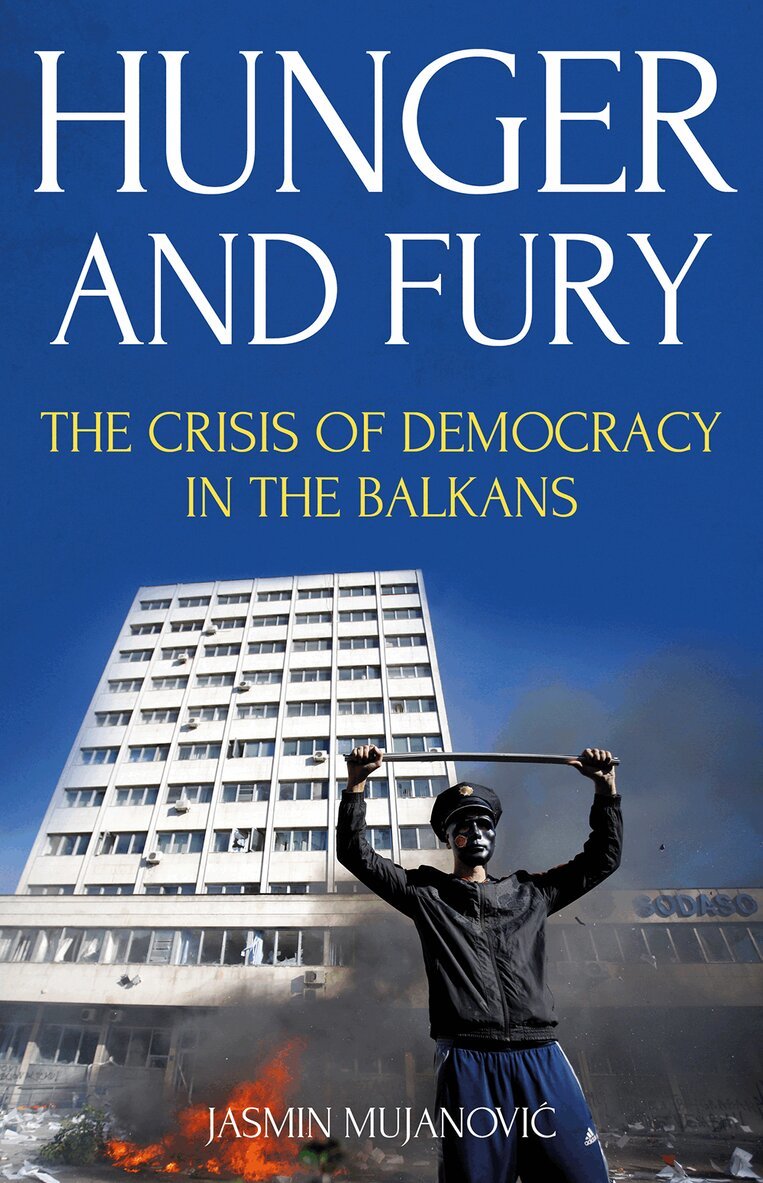
Hunger and Fury
The Crisis of Democracy in the Balkans
E-bok, 2018
227 kr
Lägg i varukorg
Less than two decades after the Yugoslav Wars ended, the edifice of parliamentary government in the Western Balkans is crumbling. This collapse sets into sharp relief the unreformed authoritarian tendencies of the region''s entrenched elites, many of whom have held power since the early 1990s, and …
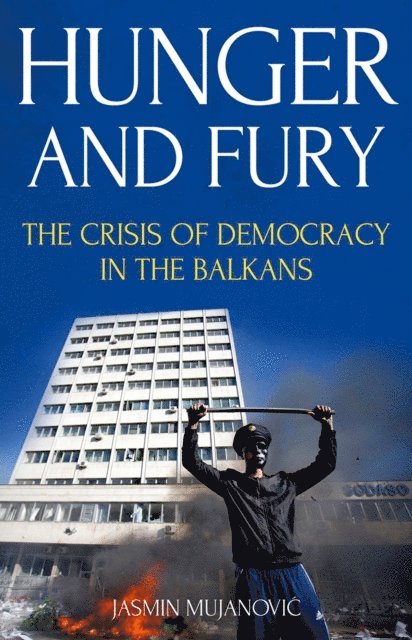
Hunger and Fury
The Crisis of Democracy in the Balkans
E-bok, 2018
227 kr
Lägg i varukorg
Less than two decades after the Yugoslav Wars ended, the edifice of parliamentary government in the Western Balkans is crumbling. This collapse sets into sharp relief the unreformed authoritarian tendencies of the region''s entrenched elites, many of whom have held power since the early 1990s, and …
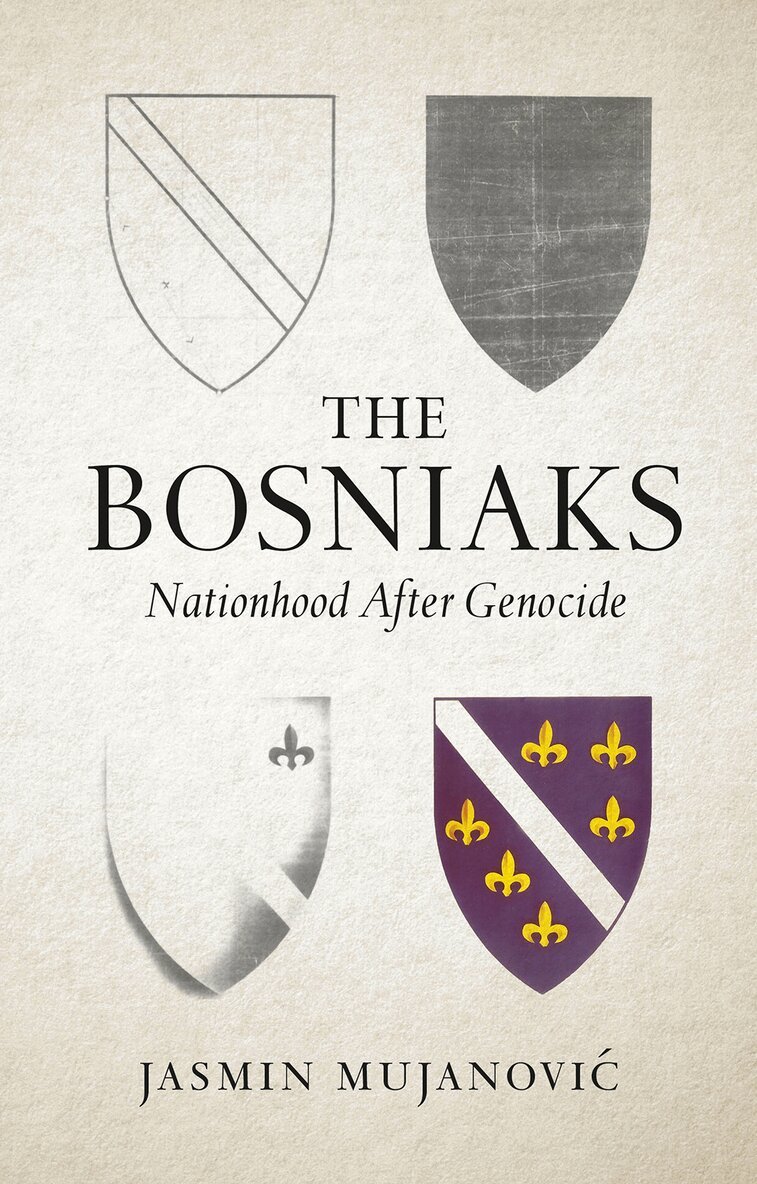
Bosniaks
Nationhood After Genocide
E-bok, 2023
295 kr
Lägg i varukorg
For the first time in nearly two centuries, one ethnic group now constitutes an absolute majority of Bosnia and Herzegovina's population: the Bosniaks. It is an unlikely development given that, scarcely thirty years ago, they were targeted for extermination and expulsion by Serbia's Slobodan …
Hunger and Fury
The Crisis of Democracy in the Balkans
Häftad, 2018
331 kr
Tillfälligt slut
Less than two decades after the Yugoslav Wars ended, the edifice of parliamentary government in the Western Balkans is crumbling. This collapse sets into sharp relief the unreformed authoritarian tendencies of the region's entrenched elites, many of whom have held power since the early 1990s, and …