Jason Lundock – författare
Visar alla böcker från författaren Jason Lundock. Handla med fri frakt och snabb leverans.
5 produkter
5 produkter
E-bok
Engelska, 2021123 kr
Läs direkt efter köp
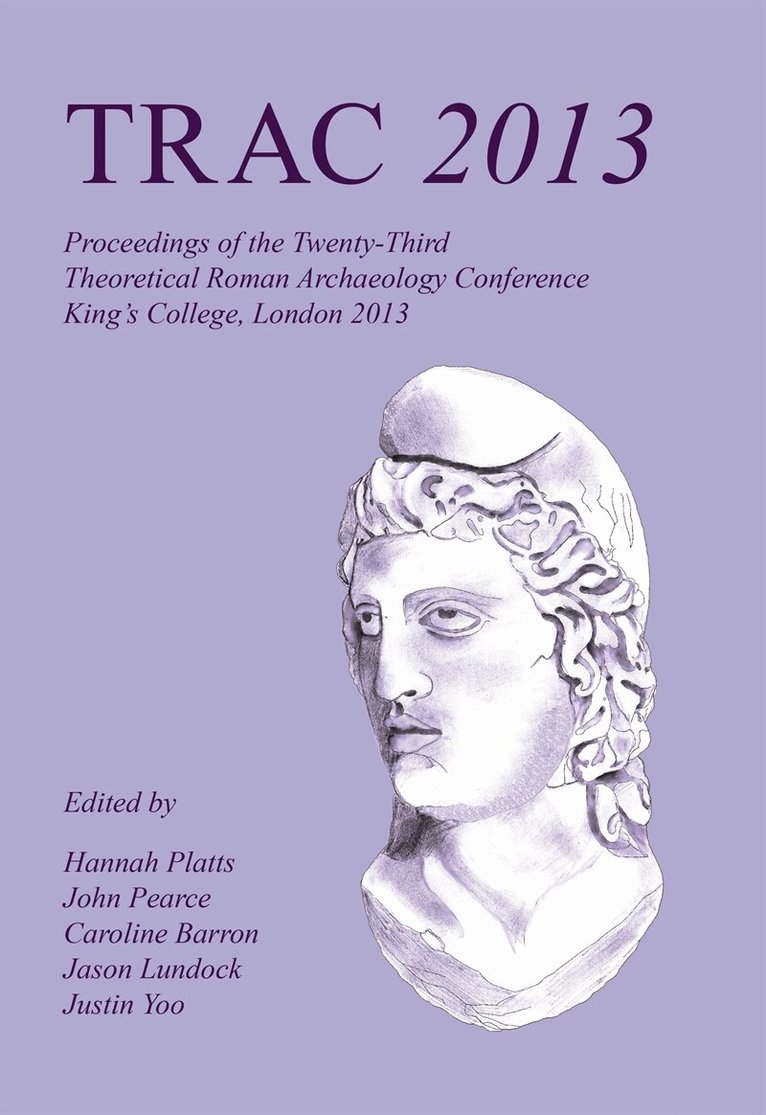
The twenty-third Theoretical Roman Archaeology Conference (TRAC) was held at King’s College, London in Spring 2013. During the three-day conference nearly papers were delivered, discussing issues from a wide range of geographical regions of the Roman Empire, and applying various theoretical and methodological approaches. Sessions included those looking at Roman–Barbarian interactions; identity and funerary monuments in ancient Italy; migration and social identity in the Roman Near East; theoretical approaches to Roman small finds; formation processes of in-fills in urban sites; and new reflections on Roman glass. This volume contains a selection of papers from the conference sessions.
Del 9 - Archaeopress Roman Archaeology
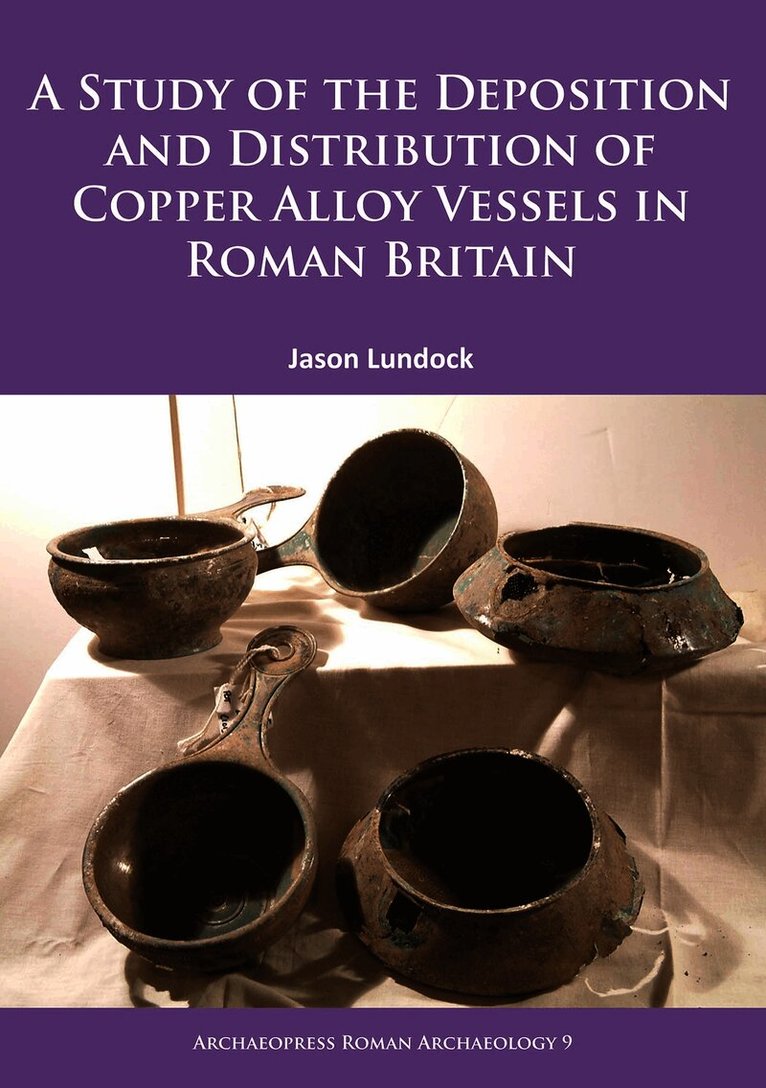
Study of the Deposition and Distribution of Copper Alloy Vessels in Roman Britain
Häftad, Engelska, 2015
588 kr
Skickas
This book collects together data concerning copper alloy vessels from Roman Britain and relates this evidence to prevailing theories of consumption, identity and culture change in Britain during this time. The aims of this study are to collect a catalogue of copper alloy vessels from England and Wales, categorise them by form, typology, context, chronology and geographic distribution, offer interpretations concerning their cultural associations, manners of consumption, functionality and development over time before commenting upon their value as small finds material reflective of culture change more broadly within Britain during the Roman period. Copper alloy vessels from the Roman period in Britain have not been the subject of focused scholarly study for over 50 years and have never had a focused examination in English. This report not only rectifies this gap in the literature, but proceeds to directly apply this data analysis to the greater theoretical discourse of the development of material culture in Britain during the Roman period, thereby demonstrating the validity and importance of small finds studies to the larger historiographic and theoretical discourse.
E-bok
Engelska, 2021123 kr
Läs direkt efter köp
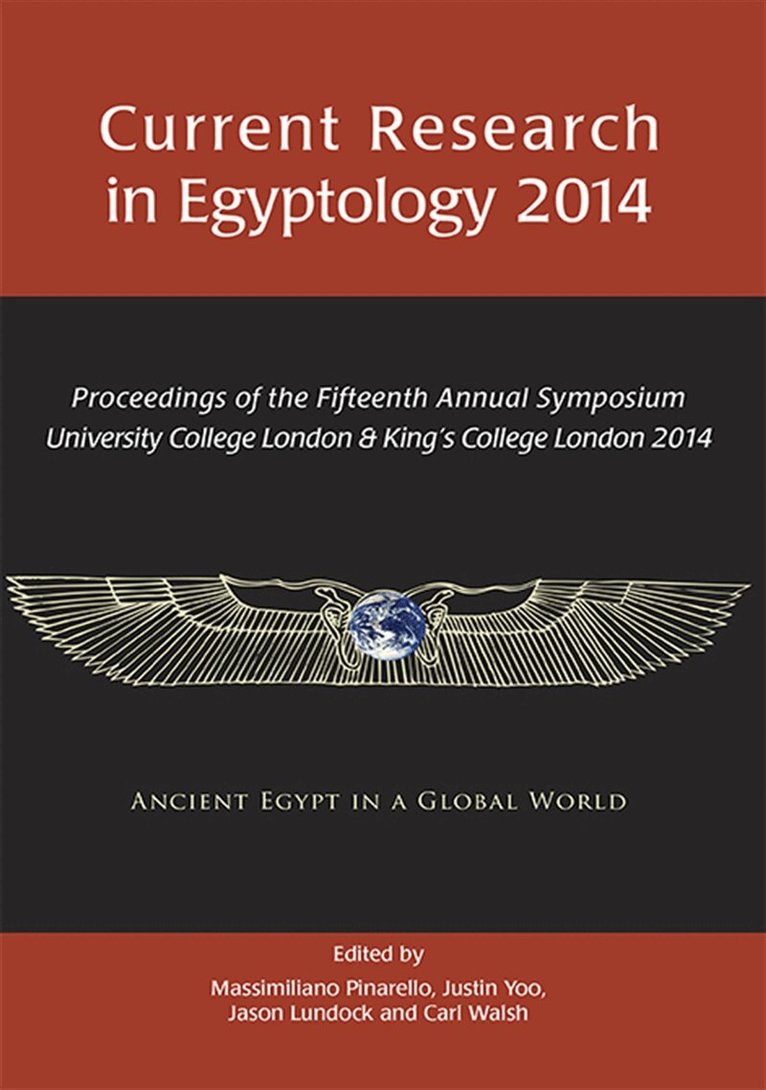
Presents the latest research in Egyptology on the theme of Ancient Egypt in a Global WorldThis selection of 23 papers from the 15th annual Current Research in Egyptology symposium addreses the interregional and interdisciplinary theme of ‘Ancient Egypt in a Global World’. This theme works on a number of levels highlighting the current global nature of Egyptological research and it places ancient Egypt in the wider ancient world. The first section presents the results of recent excavations, including in the western Valley of the Kings and analysis of the structures, construction techniques, food production and consumption remains at Tell Timai (Thmuis) in the Delta. Part II focuses on the cross-cultural theme with papers including discussions on the presence in India of terracotta figurines from Roman Egypt; the ancient Egyptian influence of Aegean lion-headed divinities; Libyan influence in New Kingdom and Third Intermediate Period Egyptian administration and the identifcation of ancient Egyptian finds from the British countryside reported to the Portable Antiquities Scheme. The third part of the book includes current research undertaken across the world of Egyptology, including analysis of late Roman crocodile mummies though non-invasive radiographic imaging techniques and the study of infant jar-burials in ancient Egypt and Sudan to identify differences in regional socio-economic contexts and the interaction between people and local resources.The editors of this volume are all PhD candidates at University College and King’s College London
Del 91 - Archaeopress Roman Archaeology
Water in the Roman World
Engineering, Trade, Religion and Daily Life
Häftad, Engelska, 2022
588 kr
Skickas
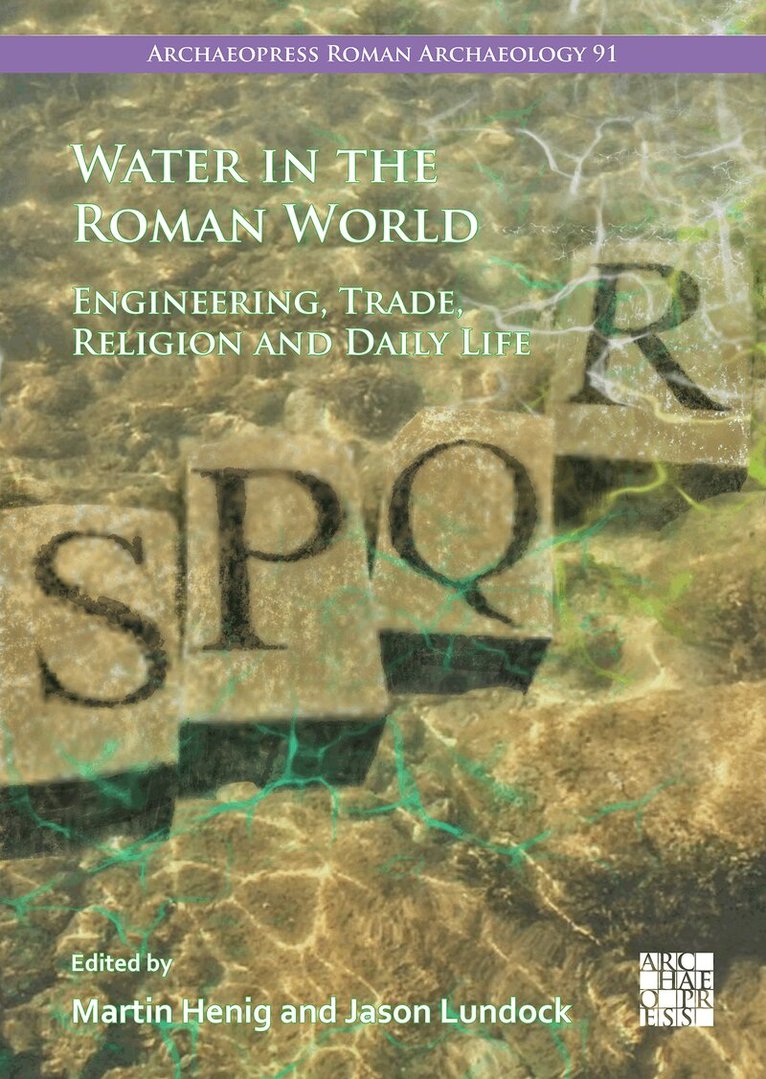
Water in the Roman World: Engineering, Trade, Religion and Daily Life offers a wide and expansive new treatment of the role water played in the lives of people across the Roman world. Individual papers deal with ports and their lighthouses; with water engineering, whether for canals in the north-west provinces, or for the digging of wells for drinking water, and for multiple other purposes; with baths for swimming; and with spas. Further papers explore religion in water-sanctuaries and the deposition of objects in rivers as well as deities connected with water, including river gods and nymphs. A final chapter provides an overview of subjects not fully covered elsewhere, including warships and naval battles, trade and navigation, aqueducts, fishing and fish-farming, and literary response to watery landscapes, rivers and lakes. The latter include works by great landowners such as the younger Pliny with his Laurentine villa beside the sea west of Rome or by poets, among them Catullus enjoying Lake Garda and Ausonius with his loving description of the River Moselle. The contributors address the subject in a variety of different ways, as Classicists drawing largely on literature, archaeologists with experience of excavating the watery environment, and art-historians. The papers range from the theoretical, with particular interest in materiality, to more lyrical approaches which address the Romans with their problems as well as their pleasures.
Del 136 - Archaeopress Roman Archaeology
Ritual in the Roman World
Approaches to Theory and Practices
Inbunden, Engelska, 2026
774 kr
Skickas
Ritual in the Roman World expands our current understanding of what are considered ritual behaviours in the Roman period, bringing together research on small finds, depositional practice, and temple sites. As a material representation of the attempt to put order and definition to one’s world, examining ritual practices offers insight into both social and cosmological structures within a given cultural context. In this context, the Roman world is understood functioning as a globalised/glocalised system and fostering a spectrum of ritualised behaviours across its different regions and periods. This was the result of a long habit of incorporating and rejecting local traditions encountered during its expansion as well as interfacing with those of the peoples outside its borders.By bringing together research on small finds as well as temple sites, this volume presents new discoveries in the field as well as innovative interpretative approaches applied to instances of continuity of use of ritual sites, including across the pre-Roman/Roman/post-Roman transitions, as well as instances of modern uses of Roman period ritual spaces so to frame ritual behaviours beyond the traditional connection of ritual practices and religious beliefs.