Jason Zuidema – författare
Visar alla böcker från författaren Jason Zuidema. Handla med fri frakt och snabb leverans.
10 produkter
10 produkter
Inbunden, Engelska, 2019
232 kr
Skickas inom 5-8 vardagar
Häftad, Engelska, 2024
581 kr
Skickas inom 10-15 vardagar
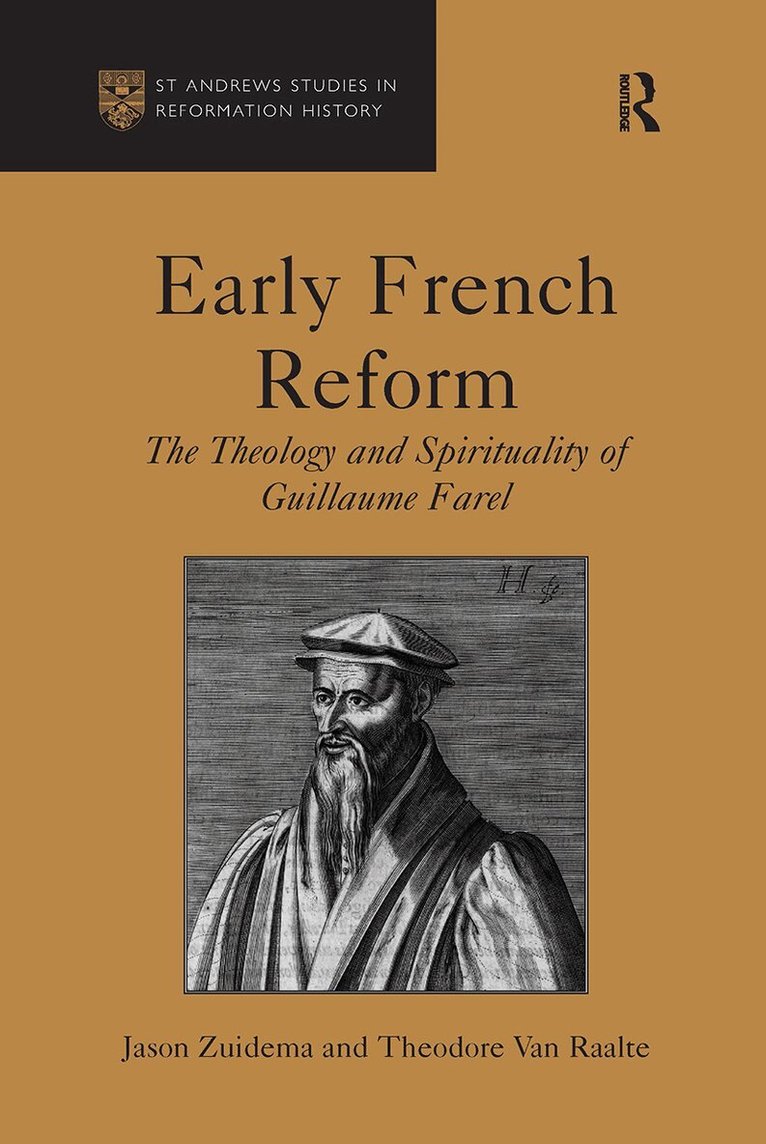
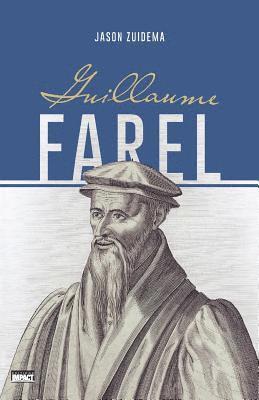
Reminding us that the Genevan Reformation does not begin and end with John Calvin, this book provides an introduction to Guillaume Farel (1489-1565), one of several important yet often overlooked French-speaking reformers. Born in 1489 near Gap, France, Farel was an important first-generation French-speaking Reformer and one of the most influential early leaders of the Reform movement in what is now French-speaking Switzerland. Educated in Paris, he slowly began to question Catholic orthodoxy, and by the 1520s was an active protestant preacher, resulting in his exile to Switzerland. Part of Farel's aggressive work in this area brought him to Geneva several times, where in 1535 and 1536 he secured votes in favour of the Reform, and later in 1536 persuaded the young theologian John Calvin to stay. Farel also penned Geneva's confession of faith of that year and their ecclesiastical articles of the next. As such, this volume underlines the fact that Calvin entered the reform movement in Geneva in a situation in which Farel had been already deeply involved. To better understand that situation, the book is divided into two parts. The first provides a rich and nuanced portrait of Farel's early thought by way of interpretive essays; the second section offers translations of a number of Farel's key texts. These translations include some of the first widely-accessible full-length translations of Farel's work into English. Offering both a scholarly overview of Farel and his life, and access to his own words, this book demonstrates the importance of Farel to the Reformation. It will be welcomed not only by scholars engaged in research on French reform movements, but also by students of history, theology, or literature wishing to read some of the earliest theological texts originally written in French.
E-bok
Engelska, 2016665 kr
Läs direkt efter köp
Reminding us that the Genevan Reformation does not begin and end with John Calvin, this book provides an introduction to Guillaume Farel (1489-1565), one of several important yet often overlooked French-speaking reformers. Born in 1489 near Gap, France, Farel was an important first-generation French-speaking Reformer and one of the most influential early leaders of the Reform movement in what is now French-speaking Switzerland. Educated in Paris, he slowly began to question Catholic orthodoxy, and by the 1520s was an active protestant preacher, resulting in his exile to Switzerland. Part of Farel''s aggressive work in this area brought him to Geneva several times, where in 1535 and 1536 he secured votes in favour of the Reform, and later in 1536 persuaded the young theologian John Calvin to stay. Farel also penned Geneva''s confession of faith of that year and their ecclesiastical articles of the next. As such, this volume underlines the fact that Calvin entered the reform movement in Geneva in a situation in which Farel had been already deeply involved. To better understand that situation, the book is divided into two parts. The first provides a rich and nuanced portrait of Farel''s early thought by way of interpretive essays; the second section offers translations of a number of Farel''s key texts. These translations include some of the first widely-accessible full-length translations of Farel''s work into English. Offering both a scholarly overview of Farel and his life, and access to his own words, this book demonstrates the importance of Farel to the Reformation. It will be welcomed not only by scholars engaged in research on French reform movements, but also by students of history, theology, or literature wishing to read some of the earliest theological texts originally written in French.
E-bok
PDF, Engelska, 2016665 kr
Läs direkt efter köp
Reminding us that the Genevan Reformation does not begin and end with John Calvin, this book provides an introduction to Guillaume Farel (1489-1565), one of several important yet often overlooked French-speaking reformers. Born in 1489 near Gap, France, Farel was an important first-generation French-speaking Reformer and one of the most influential early leaders of the Reform movement in what is now French-speaking Switzerland. Educated in Paris, he slowly began to question Catholic orthodoxy, and by the 1520s was an active protestant preacher, resulting in his exile to Switzerland. Part of Farel''s aggressive work in this area brought him to Geneva several times, where in 1535 and 1536 he secured votes in favour of the Reform, and later in 1536 persuaded the young theologian John Calvin to stay. Farel also penned Geneva''s confession of faith of that year and their ecclesiastical articles of the next. As such, this volume underlines the fact that Calvin entered the reform movement in Geneva in a situation in which Farel had been already deeply involved. To better understand that situation, the book is divided into two parts. The first provides a rich and nuanced portrait of Farel''s early thought by way of interpretive essays; the second section offers translations of a number of Farel''s key texts. These translations include some of the first widely-accessible full-length translations of Farel''s work into English. Offering both a scholarly overview of Farel and his life, and access to his own words, this book demonstrates the importance of Farel to the Reformation. It will be welcomed not only by scholars engaged in research on French reform movements, but also by students of history, theology, or literature wishing to read some of the earliest theological texts originally written in French.
Inbunden, Engelska, 2011
2 249 kr
Skickas inom 10-15 vardagar
Reminding us that the Genevan Reformation does not begin and end with John Calvin, this book provides an introduction to Guillaume Farel (1489-1565), one of several important yet often overlooked French-speaking reformers. Born in 1489 near Gap, France, Farel was an important first-generation French-speaking Reformer and one of the most influential early leaders of the Reform movement in what is now French-speaking Switzerland. Educated in Paris, he slowly began to question Catholic orthodoxy, and by the 1520s was an active protestant preacher, resulting in his exile to Switzerland. Part of Farel's aggressive work in this area brought him to Geneva several times, where in 1535 and 1536 he secured votes in favour of the Reform, and later in 1536 persuaded the young theologian John Calvin to stay. Farel also penned Geneva's confession of faith of that year and their ecclesiastical articles of the next. As such, this volume underlines the fact that Calvin entered the reform movement in Geneva in a situation in which Farel had been already deeply involved. To better understand that situation, the book is divided into two parts. The first provides a rich and nuanced portrait of Farel's early thought by way of interpretive essays; the second section offers translations of a number of Farel's key texts. These translations include some of the first widely-accessible full-length translations of Farel's work into English. Offering both a scholarly overview of Farel and his life, and access to his own words, this book demonstrates the importance of Farel to the Reformation. It will be welcomed not only by scholars engaged in research on French reform movements, but also by students of history, theology, or literature wishing to read some of the earliest theological texts originally written in French.
Häftad, Engelska, 2008
169 kr
Skickas inom 5-8 vardagar
Häftad, Franska
273 kr
Skickas inom 3-6 vardagar
E-bok
PDF, Engelska, 20081 050 kr
Läs direkt efter köp
Der reformierte Theologe Peter Martyr Vermigli (1499–1562) war ein Moderator. Er suchte den Mittelweg zwischen theologischen Extremen. Dafür typisch waren seine Überlegungen zu den äußeren Zeichen der göttlichen Gnade. Solche Zeichen – die menschliche Natur Christi, die vernehmbaren Worte der Schrift und die sichtbaren Worte der Sakramente – sollten laut Vermigli weder zu stark »verfleischlicht« noch zu stark spiritualisiert werden. Obwohl Gott auch direkt, ohne dazwischen geschaltete Zeichen, handeln könnte, hat er verfügt, Heil durch diese Zeichen zu erwirken. Deshalb lassen sich die innere spirituelle Kraft und das äußere Zeichen nicht voneinander trennen. Vermigli, ein gebildeter humanistischer Forscher, vertrat wohl bedachte, distinguierte Positionen. Ein tieferer Blick in seine Theologie, wie ihn Zuidema wagt, lohnt sich, um die inneren theologischen Vernetzungen seiner Zeit besser kennen zu lernen.
Del 170 - Studies in the History of Christian Traditions
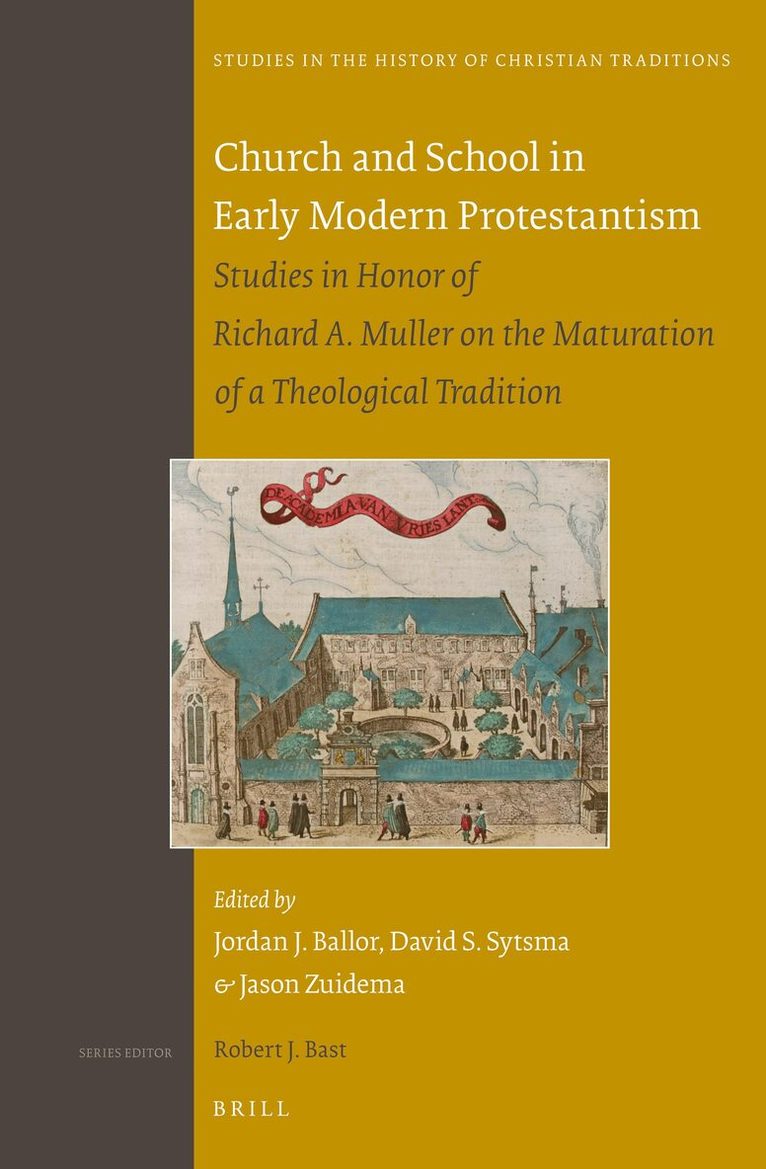
Church and School in Early Modern Protestantism
Studies in Honor of Richard A. Muller on the Maturation of a Theological Tradition
Inbunden, Engelska, 2013
4 589 kr
Skickas inom 5-8 vardagar
A great deal of scholarship has too often juxtaposed scholasticism and piety, resulting in misunderstandings of the relationship between Protestant churches of the early modern era and the theology taught in their schools. But more recent scholarship, especially conducted by Richard A. Muller over the last number of decades, has remapped the lines of continuity and discontinuity in the relation of church and school. This research has produced a more methodologically nuanced and historically accurate representation of church and school in early modern Protestantism. Written by leading scholars of early modern Protestant theology and history and based on research using the most relevant original sources, this collection seeks to broaden our understanding of how and why clergy were educated to serve the church.Contributors include: Yuzo Adhinarta, Willem van Asselt, Irena Backus, Jordan J. Ballor, J. Mark Beach, Andreas Beck, Joel R. Beeke, Lyle D. Bierma, Raymond A. Blacketer, James E. Bradley, Dariusz M. Bryćko, Amy Nelson Burnett, Emidio Campi, Heber Carlos de Campos Jr, Kiven Choy, R. Scott Clark, Paul Fields, John V. Fesko, Paul Fields, W. Robert Godfrey, Alan Gomes, Albert Gootjes, Chad Gunnoe, Aza Goudriaan, Fred P. Hall, Byung-Soo (Paul) Han, Nathan A. Jacobs, Frank A. James III, Martin Klauber, Henry Knapp, Robert Kolb, Mark J. Larson, Brian J. Lee, Karin Maag, Benjamin T.G. Mayes, Andrew M. McGinnis, Paul Mpindi, Adriaan C. Neele, Godfried Quaedtvlieg, Sebastian Rehnman, Todd Rester, Gregory D. Schuringa, Herman Selderhuis, Donald Sinnema, Keith Stanglin, David Steinmetz, David Sytsma, Yudha Thianto, John L. Thompson, Carl Trueman, Theodore G. Van Raalte, Cornelis Venema, Timothy Wengert, Reita Yazawa, Jeongmo Yoo, and Jason Zuidema.
E-bok
PDF, Engelska, 20134 448 kr
Läs direkt efter köp
A great deal of scholarship has too often juxtaposed scholasticism and piety, resulting in misunderstandings of the relationship between Protestant churches of the early modern era and the theology taught in their schools. But more recent scholarship, especially conducted by Richard A. Muller over the last number of decades, has remapped the lines of continuity and discontinuity in the relation of church and school. This research has produced a more methodologically nuanced and historically accurate representation of church and school in early modern Protestantism. Written by leading scholars of early modern Protestant theology and history and based on research using the most relevant original sources, this collection seeks to broaden our understanding of how and why clergy were educated to serve the church.Contributors include: Yuzo Adhinarta, Willem van Asselt, Irena Backus, Jordan J. Ballor, J. Mark Beach, Andreas Beck, Joel R. Beeke, Lyle D. Bierma, Raymond A. Blacketer, James E. Bradley, Dariusz M. Brycko, Amy Nelson Burnett, Emidio Campi, Heber Carlos de Campos Jr, Kiven Choy, R. Scott Clark, Paul Fields, John V. Fesko, Paul Fields, W. Robert Godfrey, Alan Gomes, Albert Gootjes, Chad Gunnoe, Aza Goudriaan, Fred P. Hall, Byung-Soo (Paul) Han, Nathan A. Jacobs, Frank A. James III, Martin Klauber, Henry Knapp, Robert Kolb, Mark J. Larson, Brian J. Lee, Karin Maag, Benjamin T.G. Mayes, Andrew M. McGinnis, Paul Mpindi, Adriaan C. Neele, Godfried Quaedtvlieg, Sebastian Rehnman, Todd Rester, Gregory D. Schuringa, Herman Selderhuis, Donald Sinnema, Keith Stanglin, David Steinmetz, David Sytsma, Yudha Thianto, John L. Thompson, Carl Trueman, Theodore G. Van Raalte, Cornelis Venema, Timothy Wengert, Reita Yazawa, Jeongmo Yoo, and Jason Zuidema.