
Jean-FranAois Vernay – författare
426 kr
Läs direkt efter köp
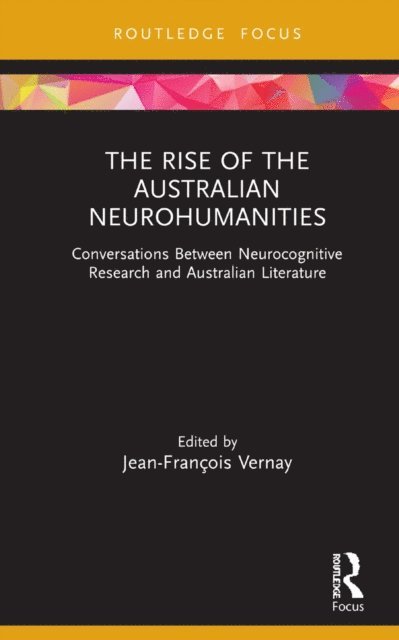
This exciting one-of-a-kind volume brings together new contributions by geographically diverse authors who range from early career researchers to well-established scholars in the field.
It unprecedentedly showcases a wide variety of the latest research at the intersection of Australian literary studies and cognitive literary studies in a single volume.
It takes Australian fiction on the leading edge by paving the way for a new direction in Australian literary criticism.
411 kr
Läs direkt efter köp
This exciting one-of-a-kind volume brings together new contributions by geographically diverse authors who range from early career researchers to well-established scholars in the field.
It unprecedentedly showcases a wide variety of the latest research at the intersection of Australian literary studies and cognitive literary studies in a single volume.
It takes Australian fiction on the leading edge by paving the way for a new direction in Australian literary criticism.
426 kr
Läs direkt efter köp
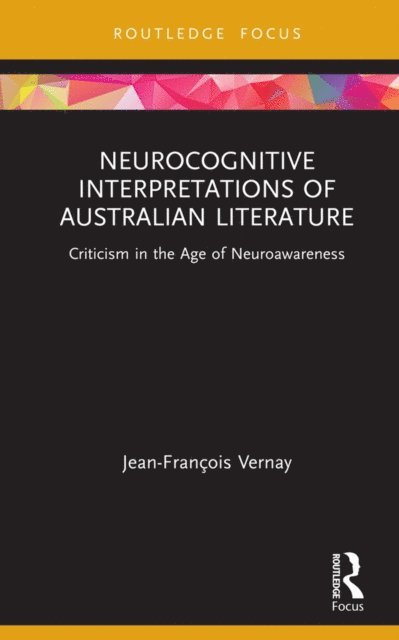
This unique book on neurocognitive interpretations of Australian literature covers a wide range of analyses by discussing Australian Literary Studies, Aboriginal literary texts, women writers, ethnic writing, bestsellers, neurodivergence fiction, emerging as well as high- profile writers, literary hoaxes and controversies, book culture, and LGBTIQA+ authors, to name a few. It eclectically brings together a wide gamut of cognitive concepts and literary genres at the intersection of Australian literary studies and cognitive literary studies in the first single-author volume of its kind. It takes Australian Literary Studies into the age of neuroawareness and provides new pathways in contemporary criticism.
411 kr
Läs direkt efter köp
This unique book on neurocognitive interpretations of Australian literature covers a wide range of analyses by discussing Australian Literary Studies, Aboriginal literary texts, women writers, ethnic writing, bestsellers, neurodivergence fiction, emerging as well as high- profile writers, literary hoaxes and controversies, book culture, and LGBTIQA+ authors, to name a few. It eclectically brings together a wide gamut of cognitive concepts and literary genres at the intersection of Australian literary studies and cognitive literary studies in the first single-author volume of its kind. It takes Australian Literary Studies into the age of neuroawareness and provides new pathways in contemporary criticism.
890 kr
Läs direkt efter köp
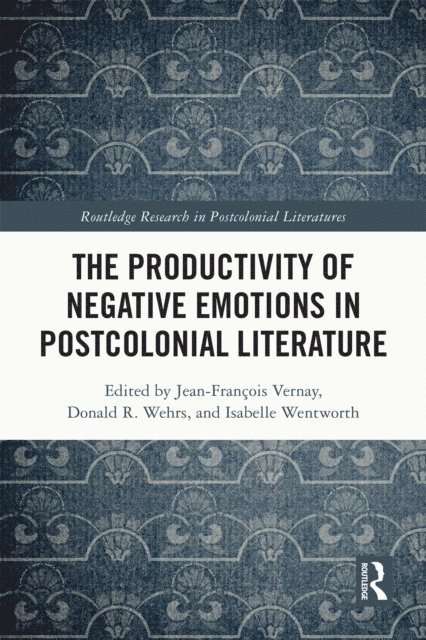
This volume explores the possibilities and potentialities of “negative” affect in postcolonial literature and literary theory, featuring work on postcolonial studies, First Nations studies, cognitive cultural studies, cognitive historicism, reader response theory, postcolonial feminist studies, and trauma studies. The chapters of this work investigate negative affect in all its types and dimensions: analyses of the structures of feeling created by socio-political forces; assemblages and alliances produced by negative emotion; enactive interrelationships of emotion and environment; and the ethical implications of emotional response, to name a few. It seeks to rebrand “negative” emotions as productive forces which can paradoxically confer pleasure, agential power, and social progress through literary representation.
890 kr
Läs direkt efter köp
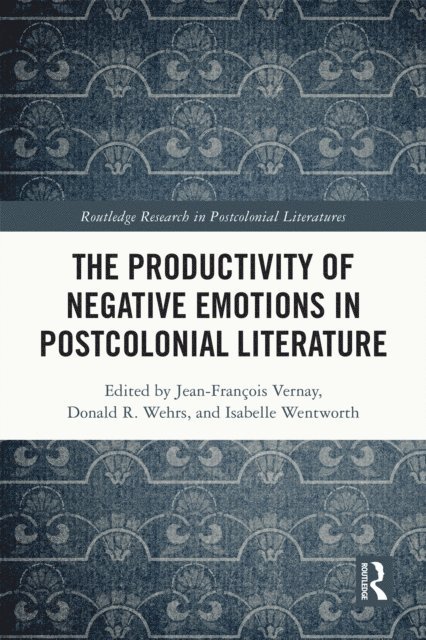
This volume explores the possibilities and potentialities of “negative” affect in postcolonial literature and literary theory, featuring work on postcolonial studies, First Nations studies, cognitive cultural studies, cognitive historicism, reader response theory, postcolonial feminist studies, and trauma studies. The chapters of this work investigate negative affect in all its types and dimensions: analyses of the structures of feeling created by socio-political forces; assemblages and alliances produced by negative emotion; enactive interrelationships of emotion and environment; and the ethical implications of emotional response, to name a few. It seeks to rebrand “negative” emotions as productive forces which can paradoxically confer pleasure, agential power, and social progress through literary representation.