Jean J Schensul - Böcker
Visar alla böcker från författaren Jean J Schensul. Handla med fri frakt och snabb leverans.
12 produkter
12 produkter
2 088 kr
Skickas inom 10-15 vardagar
Community case studies are basic to anthropology, yet there are relatively few examples in which the promotion of social change has been the explicit goal of the research. The case studies included here are all "natural experiments" that involve long-term community-based research, close collaboration between researchers and representatives of the h
617 kr
Skickas inom 10-15 vardagar
This book presents community case studies that involve long-term community-based research, close collaboration between researchers and representatives of the host community, and the application of research methods and findings to social-change goals within the community.
595 kr
Skickas inom 10-15 vardagar
This is Book 1 of 7 in the Ethnographer's Toolkit, Second Edition.The Ethnographer's Toolkit series begins with this primer, which introduces novice and expert practitioners alike to the process of ethnographic research, including answers to questions such as who should and can do ethnography, when it is used most fruitfully, and how research projects are carried out from conceptualization to the uses of research results. Written in practical, straightforward language, this new edition defines the qualitative research enterprise, links research strategies to theoretical paradigms, and outlines the ways in which an ethnographic study can be designed. Use Designing and Conducting Ethnographic Research as a guide to the entire Toolkit or as a stand-alone introduction to ethnographic research.Other books in the set:Book 2:Initiating Ethnographic Research: A Mixed Methods Approachby Stephen L. Schensul, Jean J. Schensul, and Margaret D. LeCompte9780759122017Book 3:Essential Ethnographic Methods: A Mixed Methods Approach, Second Editionby Jean J. Schensul and Margaret D. LeCompte9780759122031Book 4:Specialized Ethnographic Methods: A Mixed Methods Approachedited by Jean J. Schensul and Margaret D. LeCompte9780759122055Book 5:Analysis and Interpretation of Ethnographic Data: A Mixed Methods Approach, Second Editionby Margaret D. LeCompte and Jean J. Schensul9780759122079Book 6:Ethics in Ethnography: A Mixed Methods Approachby Margaret D. LeCompte and Jean J. Schensul9780759122093Book 7:Ethnography in Action: A Mixed Methods Approachby Jean J. Schensul and Margaret D. LeCompte9780759122116

553 kr
Skickas inom 10-15 vardagar
This is Book 2 of 7 in the Ethnographer's Toolkit, Second Edition.Initiating Ethnographic Research:A Mixed Methods Approach, is the first book of its kind. Unlike texts that describe and detail methods for doing ethnographic and qualitative research once in the field, Book 2 explores in depth the many critical issues that ethnographic researchers need to consider before going to the field and in the earliest stages of the field experience. These include preparation of self, establishing relationships that ensure access to the field, and steps in the construction of a formative theoretical model that will inform the entire research process from start to finish. Following guidelines established in Book 1, the first three chapters describe the reasons why ethnography should be considered a mixed methods approach to social science research. They discuss why theory is important in guiding a study, and the important institutional and personal preparations required to enter a field setting and begin work. Additional chapters debunk the idea that ethnographers always enter the field with their minds a “clean slate” in terms of what they will find during their investigation. They show why and how researchers can develop initial theoretical models based on local knowledge and literature reviews. Ethnography uses a holistic approach, so such models take into consideration both individual/population and systemic or structural considerations. They lead the way to integrating ecological, empirical, critical, and interpretivist approaches into a comprehensive analysis of a dynamic system. Two chapters also provide detailed examples to illustrate the connection between steps in the modeling process, creation of observational measures, and steps in data collection--from most open-ended kinds of interviewing and observation to the kind of highly structured ethnographic surveying described in Book 3. Extensive illustrative case examples are included. The final chapter shows how the modeling process can be extended to guide the development of interventions and change strategies at multiple levels—a process that should be part of any research program. A wide variety of diagrams, instructions, examples, and illustrations make the topics and processes covered in Book 2 easy to read and understand, even by novice researchers. Overall, Book 2 offers a unique mixed methods lens through which to build theory by engaging in research modeling, to enter the field, to set up to gather data, and to anticipate influencing change. Other books in the set:Book 1:Designing and Conducting Ethnographic Research: An Introduction, Second Editionby Margaret D. LeCompte and Jean J. Schensul9780759118690Book 3:Essential Ethnographic Methods: A Mixed Methods Approach, Second Editionby Jean J. Schensul and Margaret D. LeCompte9780759122031Book 4:Specialized Ethnographic Methods: A Mixed Methods Approachedited by Jean J. Schensul and Margaret D. LeCompte9780759122055Book 5:Analysis and Interpretation of Ethnographic Data: A Mixed Methods Approach, Second Editionby Margaret D. LeCompte and Jean J. Schensul9780759122079Book 6:Ethics in Ethnography: A Mixed Methods Approachby Margaret D. LeCompte and Jean J. Schensul9780759122093Book 7:Ethnography in Action: A Mixed Methods Approachby Jean J. Schensul and Margaret D. LeCompte9780759122116
595 kr
Skickas inom 10-15 vardagar
This is Book 3 of 7 in the Ethnographer's Toolkit, Second Edition.Essential Ethnographic Methods introduces the fundamental, face-to-face data collection tools that ethnographers and other qualitative researchers use on a regular basis. It provides ethnographers with tools to answer the principal ethnographic questions about setting, participants, activities, behavior, and more. The essential “mixed” methods for collecting data include open-ended and focused listening, questioning strategies, participant and non-participant observation, recording techniques, visual recall, mapping the environments and contexts in which participant behavior occurs, and engaging in ethnographically informed survey research. Because these data collection strategies require ethnographers to become involved in the local cultural setting and to acquire their experience through hands-on experience, the essential tools also allow them to learn about new situations from the perspective of an "insider.” With these detailed instructions, the quality and scope of the data ethnographers collect are sure to be improved. Other books in the set:Book 1:Designing and Conducting Ethnographic Research: An Introduction, Second Editionby Margaret D. LeCompte and Jean J. Schensul9780759118690Book 2:Initiating Ethnographic Research: A Mixed Methods Approachby Stephen L. Schensul, Jean J. Schensul, and Margaret D. LeCompte9780759122017Book 4:Specialized Ethnographic Methods: A Mixed Methods Approachedited by Jean J. Schensul and Margaret D. LeCompte9780759122055Book 5:Analysis and Interpretation of Ethnographic Data: A Mixed Methods Approach, Second Editionby Margaret D. LeCompte and Jean J. Schensul9780759122079Book 6:Ethics in Ethnography: A Mixed Methods Approachby Margaret D. LeCompte and Jean J. Schensul9780759122093Book 7:Ethnography in Action: A Mixed Methods Approachby Jean J. Schensul and Margaret D. LeCompte9780759122116
595 kr
Skickas inom 10-15 vardagar
This is Book 4 of 7 in the Ethnographer's Toolkit, Second Edition.This collection of individually authored chapters provides cutting-edge approaches to ethnography. Specialized Ethnographic Methods: A Mixed Methods Approachcomplements the basic inventory of ethnographic data collection tools presented in Book 3 with a number of important additional approaches to conducting ethnography. These include defining and collecting cultural artifacts, collecting secondary and archival data, cultural sorting and comparing methods, spatial research and analysis, network research and analysis, use of multimedia strategies for the collection of ethnographic data, ways to recruit and study “hidden populations,” and participatory ethnographic video production. These data collection strategies are called “enhanced ethnographic methods” because each of them parallels and enhances a strategy first presented in Book 3. Most ethnographers will want to use at least one or two of these enhanced ethnographic methods in their work. Each classic chapter is comprehensive, offering an introduction, description, examples of how to use the method or approach, and discussion of how to conduct effective analyses. Using Book 3 and Book 4 together adds depth and accuracy to cultural portraits and explications.Other books in the set:Book 1:Designing and Conducting Ethnographic Research: An Introduction, Second Editionby Margaret D. LeCompte and Jean J. Schensul9780759118690Book 2:Initiating Ethnographic Research: A Mixed Methods Approachby Stephen L. Schensul, Jean J. Schensul, and Margaret D. LeCompte9780759122017Book 3:Essential Ethnographic Methods: A Mixed Methods Approach, Second Editionby Jean J. Schensul and Margaret D. LeCompte9780759122031Book 5:Analysis and Interpretation of Ethnographic Data: A Mixed Methods Approach, Second Editionby Margaret D. LeCompte and Jean J. Schensul9780759122079Book 6:Ethics in Ethnography: A Mixed Methods Approachby Margaret D. LeCompte and Jean J. Schensul9780759122093Book 7:Ethnography in Action: A Mixed Methods Approachby Jean J. Schensul and Margaret D. LeCompte9780759122116
595 kr
Skickas inom 10-15 vardagar
This is Book 5 of 7 in the Ethnographer's Toolkit, Second Edition.Treating analysis as both a mechanical and a cognitive process, Book 5 begins by describing why analysis and interpretation of data are necessary. In the first two chapters the book points out the importance of beginning ethnographic analysis in the field, during the earliest stages of data collection, and how to move between induction and deduction, the concrete and the abstract, in a process informed by an emerging and increasingly refined conceptual model. The middle section tackles the challenge of transforming huge piles of text, audio, and visual information intoan ethnographic whole through generic and specific coding and quantification of qualitative data, using multiple extended examples. Chapters show how to use computers in analysis of qualitative data and ways to integrate the results of quantitative and qualitative data into a comprehensive picture of a complex whole. Chapter 9 presents a rare and comprehensive description of the statisticsregularly used by ethnographers to analyze ethnographic surveys. Chapters 10 and 11 show how researchers create and then fine-tune preliminary results into an integrated whole, display them for multiple audiences, and write them up. The final chapter illustrates how ethnographers can share the meaning of results with local communities and constituents and with other professional researchers.Other books in the set:Book 1:Designing and Conducting Ethnographic Research: An Introduction, Second Editionby Margaret D. LeCompte and Jean J. Schensul9780759118690Book 2:Initiating Ethnographic Research: A Mixed Methods Approachby Stephen L. Schensul, Jean J. Schensul, and Margaret D. LeCompte9780759122017Book 3:Essential Ethnographic Methods: A Mixed Methods Approach, Second Editionby Jean J. Schensul and Margaret D. LeCompte9780759122031Book 4:Specialized Ethnographic Methods: A Mixed Methods Approachedited by Jean J. Schensul and Margaret D. LeCompte9780759122055Book 6:Ethics in Ethnography: A Mixed Methods Approachby Margaret D. LeCompte and Jean J. Schensul9780759122093Book 7:Ethnography in Action: A Mixed Methods Approachby Jean J. Schensul and Margaret D. LeCompte9780759122116
595 kr
Skickas inom 10-15 vardagar
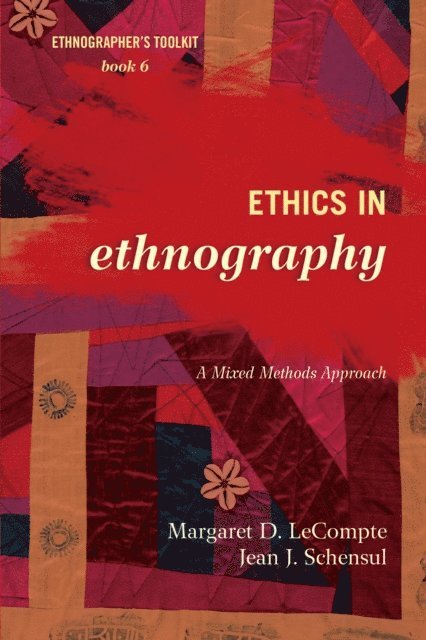
This is Book 6 of 7 in the Ethnographer's Toolkit, Second Edition.Ethics in Ethnography explores the burgeoning field of research ethics and addresses how both formal and informal ethical considerations underpin good ethnographic research.Coming from the position that no particular research design is more or less prone to generate ethical issues, LeCompte and Schensul open this volume with a short history of formal oversight for human research and address the formal ethical responsibilities incumbent upon researchers. Next, they consider how informal or “everyday” ethics affect researchers’ daily interactions in the field. In recognition of the shift toward team-based field research, the authors pay special attention to ethics related to collaborative research. The book concludes with an examination of new challenges and issues ranging from new field realities to the ethics of interpreting research results. As with all books in the series, this title features case studies, checklists, key points to remember, and additional resources to consult; the result is a uniquely detailed and eminently useful introduction to the ethical conduct of ethnography.Other books in the set:Book 1:Designing and Conducting Ethnographic Research: An Introduction, Second Editionby Margaret D. LeCompte and Jean J. Schensul9780759118690Book 2:Initiating Ethnographic Research: A Mixed Methods Approachby Stephen L. Schensul, Jean J. Schensul, and Margaret D. LeCompte9780759122017Book 3:Essential Ethnographic Methods: A Mixed Methods Approach, Second Editionby Jean J. Schensul and Margaret D. LeCompte9780759122031Book 4:Specialized Ethnographic Methods: A Mixed Methods Approachedited by Jean J. Schensul and Margaret D. LeCompte9780759122055Book 5:Analysis and Interpretation of Ethnographic Data: A Mixed Methods Approach, Second Editionby Margaret D. LeCompte and Jean J. Schensul9780759122079Book 7:Ethnography in Action: A Mixed Methods Approachby Jean J. Schensul and Margaret D. LeCompte9780759122116
595 kr
Skickas inom 10-15 vardagar
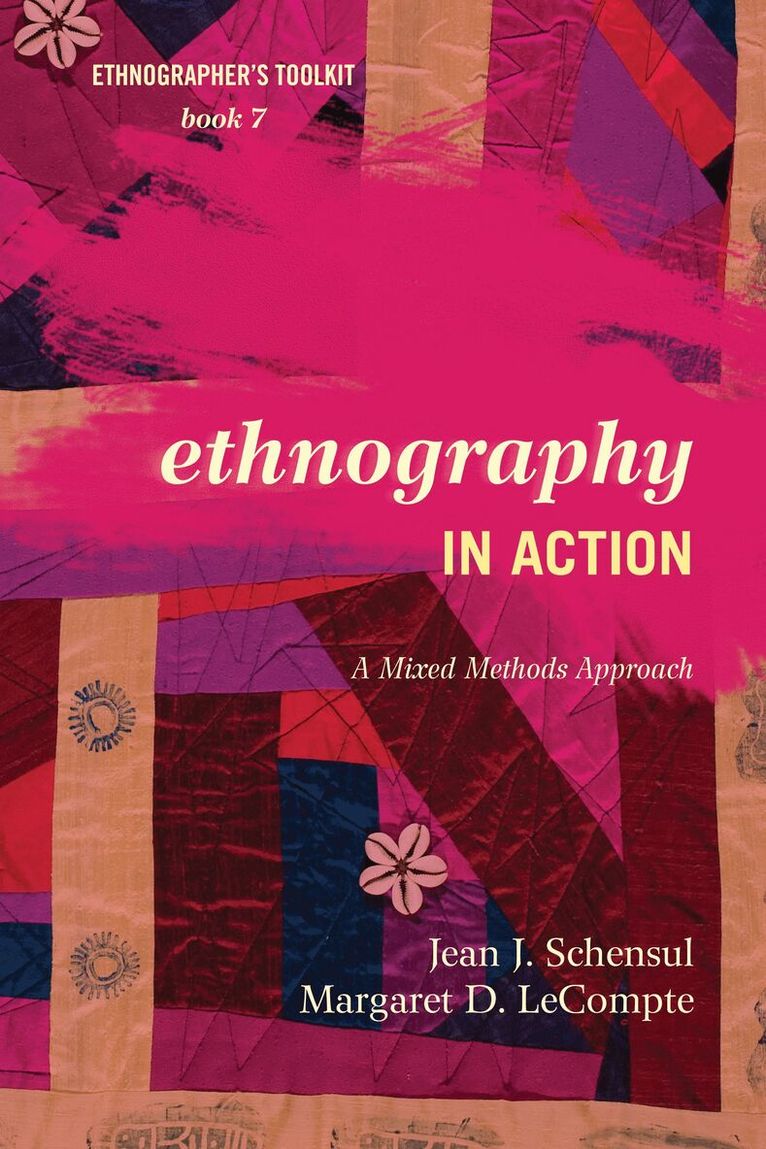
This is Book 7 of 7 in the Ethnographer's Toolkit, Second Edition.In Ethnography in Action, Jean J. Schensul and Margaret D. LeCompte explore how ethnographic research intersects with and enhances numerous areas of practice.Schensul and LeCompte ground this book in the understanding that all applied or practice-oriented social science must be collaborative to be effective. Showing how informal and formal ethnographic methods and knowledge contribute to the arenas in which ethnographers work, the authors cover both the typical practice settings raised in earlier books in the series and introduce two emerging arenas of concern: long-term fieldwork and participatory action research. With its methodological focus and skillful integration of guidelines, checklists, examples, and resources, Book 7 offers a unique guide to the practice of mixed methods ethnography over time and with community involvement.Other books in the set:Book 1:Designing and Conducting Ethnographic Research: An Introduction, Second Editionby Margaret D. LeCompte and Jean J. Schensul9780759118690Book 2:Initiating Ethnographic Research: A Mixed Methods Approachby Stephen L. Schensul, Jean J. Schensul, and Margaret D. LeCompte9780759122017Book 3:Essential Ethnographic Methods: A Mixed Methods Approach, Second Editionby Jean J. Schensul and Margaret D. LeCompte9780759122031Book 4:Specialized Ethnographic Methods: A Mixed Methods Approachedited by Jean J. Schensul and Margaret D. LeCompte9780759122055Book 5:Analysis and Interpretation of Ethnographic Data: A Mixed Methods Approach, Second Editionby Margaret D. LeCompte and Jean J. Schensul9780759122079Book 6:Ethics in Ethnography: A Mixed Methods Approachby Margaret D. LeCompte and Jean J. Schensul9780759122093
3 451 kr
Tillfälligt slut
The Ethnographer's Toolkit series is designed with you, the novice fieldworker, in mind. In a series of seven brief books, the editors and authors of the Toolkit take you through the multiple, complex steps of doing ethnographic research. Case studies, checklists, key points to remember, and additional resources to consult are all included to help the reader fully understand the ethnographic process. Avoiding a step-by-step formula approach, the authors are able to explain the complicated tasks and relationships that occur in the field in clear, helpful ways. The Toolkit is the perfect starting point for professionals in diverse professional fields in social welfare, education, health, economic development, and the arts, as well as for advanced students and experienced researchers unfamiliar with the demands of conducting good ethnography.The second edition expands upon the successful first edition to include new methods, topics, and theory—from network analysis to community based participatory research. In the reader-friendly language that made the first edition a staple with thousands of researchers and students, the second edition offers research designs, data collection techniques, analytical strategies, research collaborations, and an array of uses for ethnographic work in policy, programming, and practice across disciplines.This set includes:Book 1:Designing and Conducting Ethnographic Research: An Introduction, Second Editionby Margaret D. LeCompte and Jean J. Schensul9780759118690Book 2:Initiating Ethnographic Research: A Mixed Methods Approachby Stephen L. Schensul, Jean J. Schensul, and Margaret D. LeCompte9780759122017Book 3:Essential Ethnographic Methods: A Mixed Methods Approach, Second Editionby Jean J. Schensul and Margaret D. LeCompte9780759122031Book 4:Specialized Ethnographic Methods: A Mixed Methods Approachedited by Jean J. Schensul and Margaret D. LeCompte9780759122055Book 5:Analysis and Interpretation of Ethnographic Data: A Mixed Methods Approach, Second Editionby Margaret D. LeCompte and Jean J. Schensul9780759122079Book 6:Ethics in Ethnography: A Mixed Methods Approachby Margaret D. LeCompte and Jean J. Schensul9780759122093Book 7:Ethnography in Action: A Mixed Methods Approachby Jean J. Schensul and Margaret D. LeCompte9780759122116
1 498 kr
Kommande
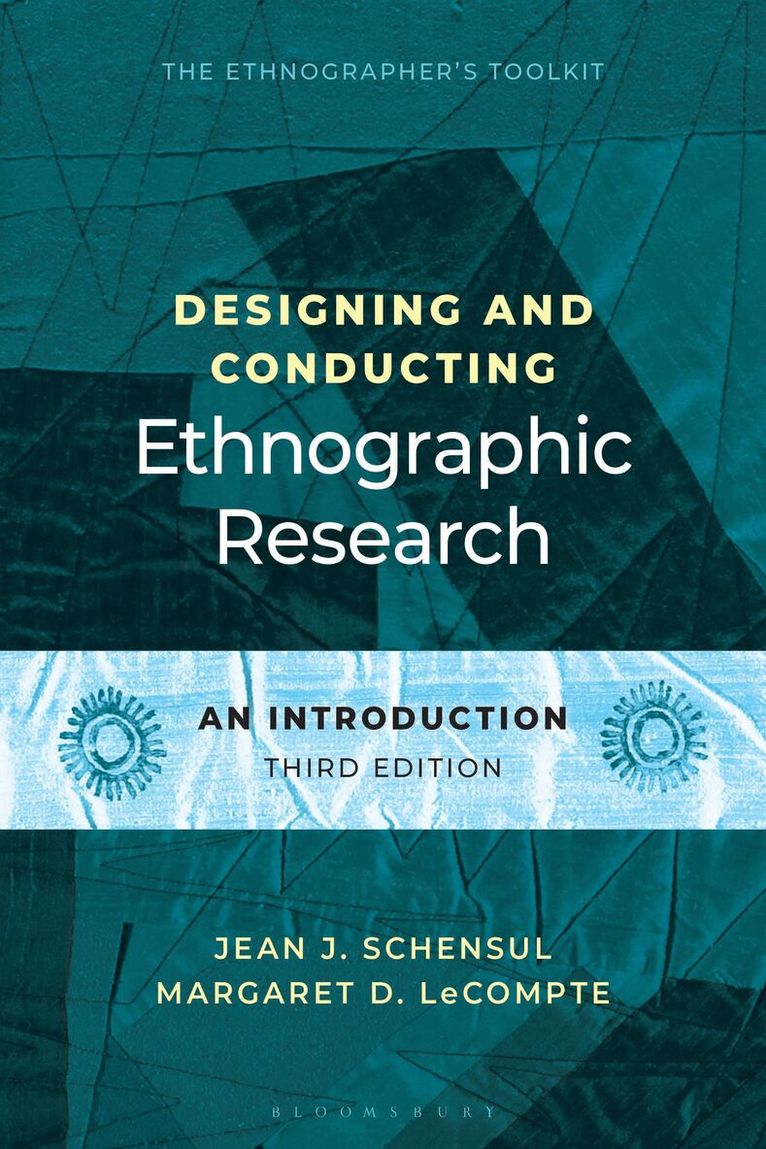
Who can and should conduct ethnographic research? How can we transform an idea into a research question, and how can that question, in turn, be developed into a research design that produces comprehensible data?Designing and Conducting Ethnographic Research, Third Edition, is a comprehensive introduction to ethnographic methods. It opens by defining ethnography and considering ethical challenges in the field before exploring major theories and ways of thinking in ethnographic research. The book then offers a general overview of qualitative and quantitative research, including the many different approaches to designing studies, and dives into developing a good research question. A discussion of data collection and analysis are then followed by an exploration of how ethnography is used to solve critical social, health, education, and cultural issues as well as emerging trends in ethnography.Designing and Conducting Ethnographic Research is the first book in The Ethnographer’s Toolkit, a series of texts on how to plan, design, carry out, and use the results of applied ethnographic research.New to This Edition:--A new discussion of the decolonization of research and changes in researcher stance sheds light on alternative ethnographic interventions and raises questions of what ethnography could and should be --New Chapter 10, “Emerging Trends in Ethnography,” covers burgeoning uses of artificial intelligence and other digital technologies as well as Indigenous and art-based research approaches and methods--A new discussion of what research questions are, how they are formulated at different levels, and how they guide data collection enables beginner researchers to create stronger studies--An exploration of new ethical challenges in the field, including in digital and online research, offers early ethnographers the knowledge and tools to address new and emerging ethical concerns
473 kr
Kommande
Who can and should conduct ethnographic research? How can we transform an idea into a research question, and how can that question, in turn, be developed into a research design that produces comprehensible data?Designing and Conducting Ethnographic Research, Third Edition, is a comprehensive introduction to ethnographic methods. It opens by defining ethnography and considering ethical challenges in the field before exploring major theories and ways of thinking in ethnographic research. The book then offers a general overview of qualitative and quantitative research, including the many different approaches to designing studies, and dives into developing a good research question. A discussion of data collection and analysis are then followed by an exploration of how ethnography is used to solve critical social, health, education, and cultural issues as well as emerging trends in ethnography.Designing and Conducting Ethnographic Research is the first book in The Ethnographer’s Toolkit, a series of texts on how to plan, design, carry out, and use the results of applied ethnographic research.New to This Edition:--A new discussion of the decolonization of research and changes in researcher stance sheds light on alternative ethnographic interventions and raises questions of what ethnography could and should be --New Chapter 10, “Emerging Trends in Ethnography,” covers burgeoning uses of artificial intelligence and other digital technologies as well as Indigenous and art-based research approaches and methods--A new discussion of what research questions are, how they are formulated at different levels, and how they guide data collection enables beginner researchers to create stronger studies--An exploration of new ethical challenges in the field, including in digital and online research, offers early ethnographers the knowledge and tools to address new and emerging ethical concerns