
Jean Kerisel – författare
Visar alla böcker från författaren Jean Kerisel. Handla med fri frakt och snabb leverans.
8 produkter
8 produkter
E-bok
PDF, Engelska, 2021942 kr
Läs direkt efter köp
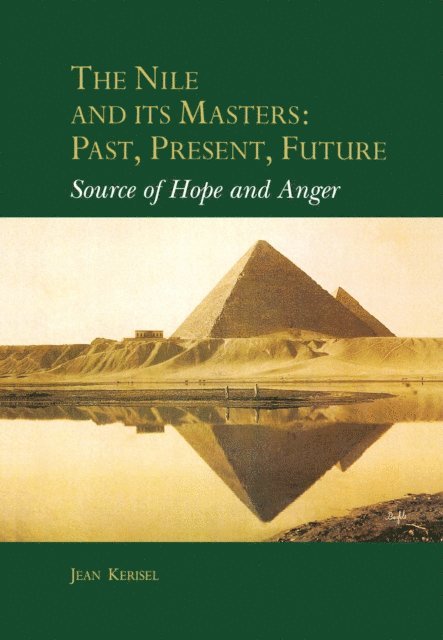
The Pharoahs were masters of the Nile: they had a detailed understanding of the ways of the river. Modern Egyptians see themselves as heirs to this tradition, and as owners of the Nile waters. In the 1960''s, Egypt decided to protect its increasingly-populated Nile valley from the ravages of annual flooding by building a dam. A relatively small dam in the valley of Nubia, in the region of Tushka, would have enabled the excess floodwaters to safely be diverted towards the fossil valley of the pre-Nile. However, it was decided to select a site near Aswan, making it necessary to inundate more than 250km of river valley. Over the years, this strategy has been revealed to have been faulty, and numerous irrigation schemes in upriver countries have progressively reduced the amount of water descending into Egypt. The dire warning of the 14th century oracle appears to be prophetic: "the water of the river in my country will be stopped from reaching yours, which I shall cause to die of thirst..."
E-bok
Engelska, 2021909 kr
Läs direkt efter köp
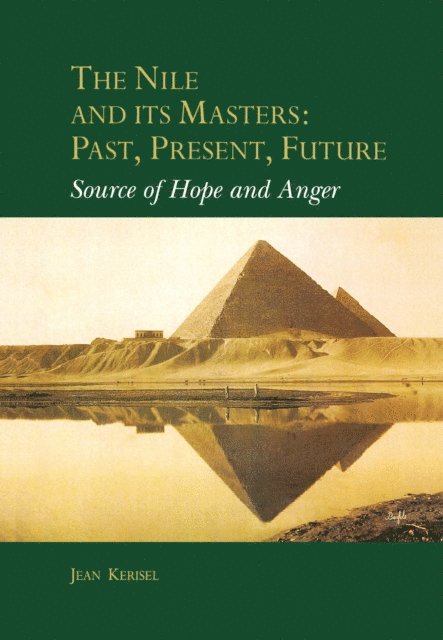
The Pharoahs were masters of the Nile: they had a detailed understanding of the ways of the river. Modern Egyptians see themselves as heirs to this tradition, and as owners of the Nile waters. In the 1960''s, Egypt decided to protect its increasingly-populated Nile valley from the ravages of annual flooding by building a dam. A relatively small dam in the valley of Nubia, in the region of Tushka, would have enabled the excess floodwaters to safely be diverted towards the fossil valley of the pre-Nile. However, it was decided to select a site near Aswan, making it necessary to inundate more than 250km of river valley. Over the years, this strategy has been revealed to have been faulty, and numerous irrigation schemes in upriver countries have progressively reduced the amount of water descending into Egypt. The dire warning of the 14th century oracle appears to be prophetic: "the water of the river in my country will be stopped from reaching yours, which I shall cause to die of thirst..."
E-bok
PDF, Engelska, 20262 840 kr
Läs direkt efter köp
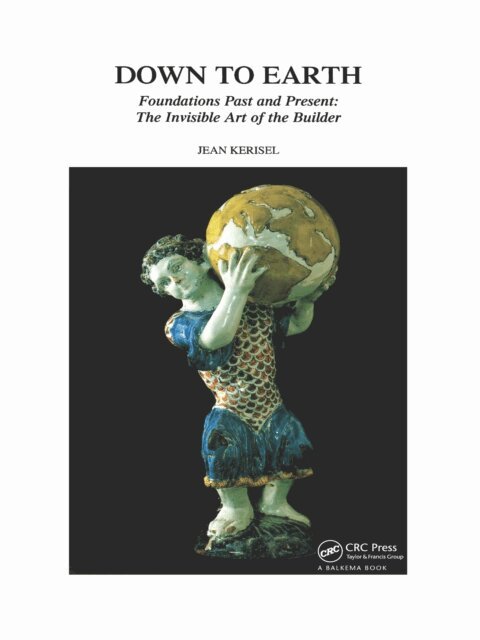
Written in straightforward non-technical language, with numerous diagrams and photographs, this book takes a look at 'the invisible art' of the great builders: how they founded their constructions in the earth and strove to understand and combat the natural forces, such as earth pressures, water, landslides, earthquakes, and almost imperceptible geological changes, with which they had to contend. A great many examples, including the ziggurats of Mesopotamia, the pyramids of Egypt, the Roman roads, the Tower of Pisa, the Eddystone Lighthouse, the Panama Canal, the Thames Tunnel and the Eiffel Tower, are used to illustrate various aspects of this long battle. Man has gradually mastered physical constraints and undertaken increasingly ambitious projects, seeking solutions initially by trial and error and later through scientific study, The final part of the book looks to the future and discusses the threats to a number of great cities and what has been done to counter them. This fascinating history, written with humour and affection, pays tribute to the largely unknown 'backroom boys' of construction, whose work usually attracts attention only when things go wrong.
E-bok
Engelska, 20262 865 kr
Läs direkt efter köp
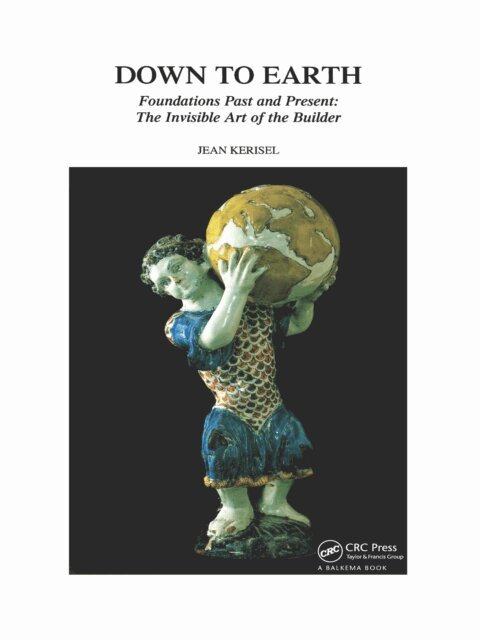
Written in straightforward non-technical language, with numerous diagrams and photographs, this book takes a look at 'the invisible art' of the great builders: how they founded their constructions in the earth and strove to understand and combat the natural forces, such as earth pressures, water, landslides, earthquakes, and almost imperceptible geological changes, with which they had to contend. A great many examples, including the ziggurats of Mesopotamia, the pyramids of Egypt, the Roman roads, the Tower of Pisa, the Eddystone Lighthouse, the Panama Canal, the Thames Tunnel and the Eiffel Tower, are used to illustrate various aspects of this long battle. Man has gradually mastered physical constraints and undertaken increasingly ambitious projects, seeking solutions initially by trial and error and later through scientific study, The final part of the book looks to the future and discusses the threats to a number of great cities and what has been done to counter them. This fascinating history, written with humour and affection, pays tribute to the largely unknown 'backroom boys' of construction, whose work usually attracts attention only when things go wrong.
E-bok
Engelska, 2022606 kr
Läs direkt efter köp
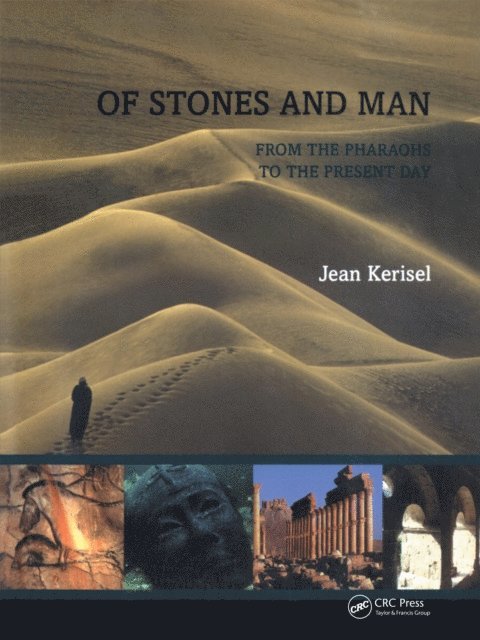
Of Stones and Man explores the many errors of judgement made by civilizations both ancient and modern across the world. Arrogance and a penchant for excess drove mankind to build ever greater and more ambitious edifices. The author analyzes these works from a scientific and historically-sensitive perspective, highlighting the hydro-geological background to repeated infamous disasters, from the faults inherent in the Sphinx to the leaning Tower of Pisa. Beautifully illustrated throughout, Of Stones and Man is a testament to the impermanence of our surroundings. It questions how the earth and its resources have borne the cumulative burden placed upon it over the ages by one civilization after another, and how, in turn, the earth has exacted its inevitable revenge on the great constructions of our ancestors. Of Stones and Man is the final work of Jean Kerisel (1908-2005) who served as President of the International Society for Soil Mechanics and Foundation Engineering from 1973 to 1977, and who worked worldwide as a consultant on many ambitious engineering projects. Driven by his great passion for Ancient Builders and Egyptology, Kerisel here extends his professional knowledge into the realms of historical architecture.
E-bok
PDF, Engelska, 2022606 kr
Läs direkt efter köp
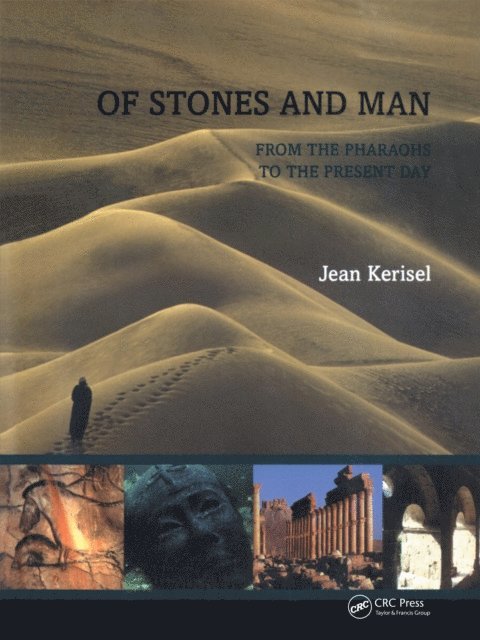
Of Stones and Man explores the many errors of judgement made by civilizations both ancient and modern across the world. Arrogance and a penchant for excess drove mankind to build ever greater and more ambitious edifices. The author analyzes these works from a scientific and historically-sensitive perspective, highlighting the hydro-geological background to repeated infamous disasters, from the faults inherent in the Sphinx to the leaning Tower of Pisa. Beautifully illustrated throughout, Of Stones and Man is a testament to the impermanence of our surroundings. It questions how the earth and its resources have borne the cumulative burden placed upon it over the ages by one civilization after another, and how, in turn, the earth has exacted its inevitable revenge on the great constructions of our ancestors. Of Stones and Man is the final work of Jean Kerisel (1908-2005) who served as President of the International Society for Soil Mechanics and Foundation Engineering from 1973 to 1977, and who worked worldwide as a consultant on many ambitious engineering projects. Driven by his great passion for Ancient Builders and Egyptology, Kerisel here extends his professional knowledge into the realms of historical architecture.
Inbunden, Engelska, 2001
1 347 kr
Skickas inom 10-15 vardagar
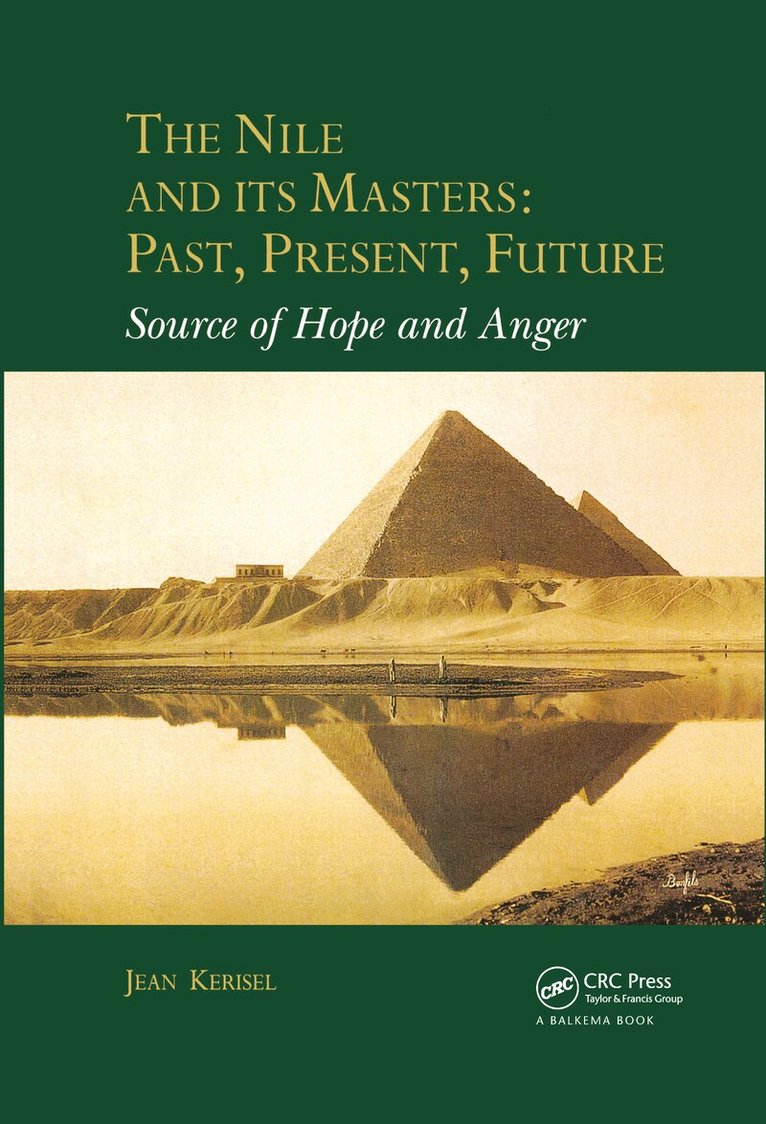
The Pharoahs were masters of the Nile: they had a detailed understanding of the ways of the river. Modern Egyptians see themselves as heirs to this tradition, and as owners of the Nile waters. In the 1960's, Egypt decided to protect its increasingly-populated Nile valley from the ravages of annual flooding by building a dam. A relatively small dam in the valley of Nubia, in the region of Tushka, would have enabled the excess floodwaters to safely be diverted towards the fossil valley of the pre-Nile. However, it was decided to select a site near Aswan, making it necessary to inundate more than 250km of river valley. Over the years, this strategy has been revealed to have been faulty, and numerous irrigation schemes in upriver countries have progressively reduced the amount of water descending into Egypt. The dire warning of the 14th century oracle appears to be prophetic: "the water of the river in my country will be stopped from reaching yours, which I shall cause to die of thirst..."
Inbunden, Engelska, 1991
2 477 kr
Skickas inom 10-15 vardagar
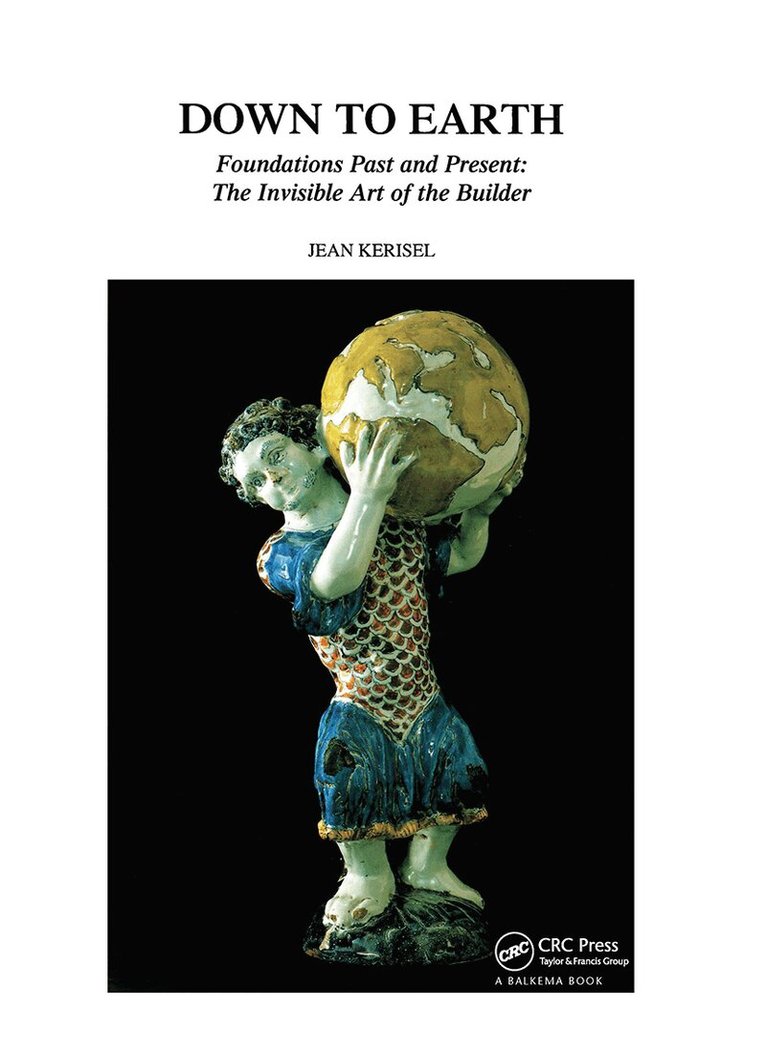
Written in straightforward non-technical language, with numerous diagrams and photographs, this book takes a look at ‘the invisible art’ of the great builders: how they founded their constructions in the earth and strove to understand and combat the natural forces, such as earth pressures, water, landslides, earthquakes, and almost imperceptible geological changes, with which they had to contend. A great many examples, including the ziggurats of Mesopotamia, the pyramids of Egypt, the Roman roads, the Tower of Pisa, the Eddystone Lighthouse, the Panama Canal, the Thames Tunnel and the Eiffel Tower, are used to illustrate various aspects of this long battle. Man has gradually mastered physical constraints and undertaken increasingly ambitious projects, seeking solutions initially by trial and error and later through scientific study, The final part of the book looks to the future and discusses the threats to a number of great cities and what has been done to counter them. This fascinating history, written with humour and affection, pays tribute to the largely unknown ‘backroom boys’ of construction, whose work usually attracts attention only when things go wrong.