Jean Nienkamp - Böcker
Visar alla böcker från författaren Jean Nienkamp. Handla med fri frakt och snabb leverans.
3 produkter
3 produkter
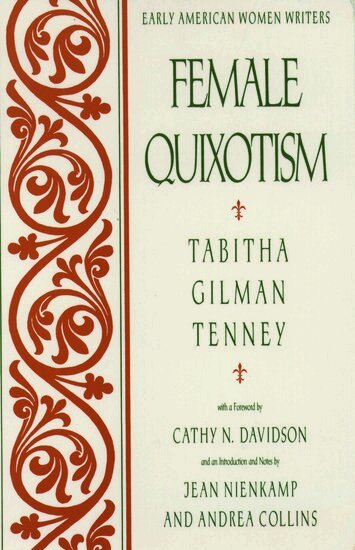
Female Quixotism
Exhibited in the Romantic Opinions and Extravagant Adventures of Dorcasina Sheldon
Häftad, Engelska, 1992
231 kr
Skickas inom 5-8 vardagar
First published in 1801, Female Quixotism is a boisterous anti-romance and literary satire, in which Dorcas Sheldon (`Dorcasina') sets out to discover for herself the kind of passionate love affair portrayed in her favourite novels.Female Quixotism was written during a period of self-definition for the fledgeling American republic. Issues of class, gender, race and isolationism still relevant today are confronted in a manner unusual in other contemporary works, which frequently attacked romantic novels, even as they employed the sentimental and picaresque devices of the genre. Tenney uses literary references from Richardson, Sterne, and Milton, and, of course, Cervantes. However, it is as a tragi-comic parody of the limited choices available to women in a society founded on the principle that all men are created equal, that Tenney's Female Quixotism really stands apart from similar contemporary works.
1 303 kr
Skickas inom 10-15 vardagar
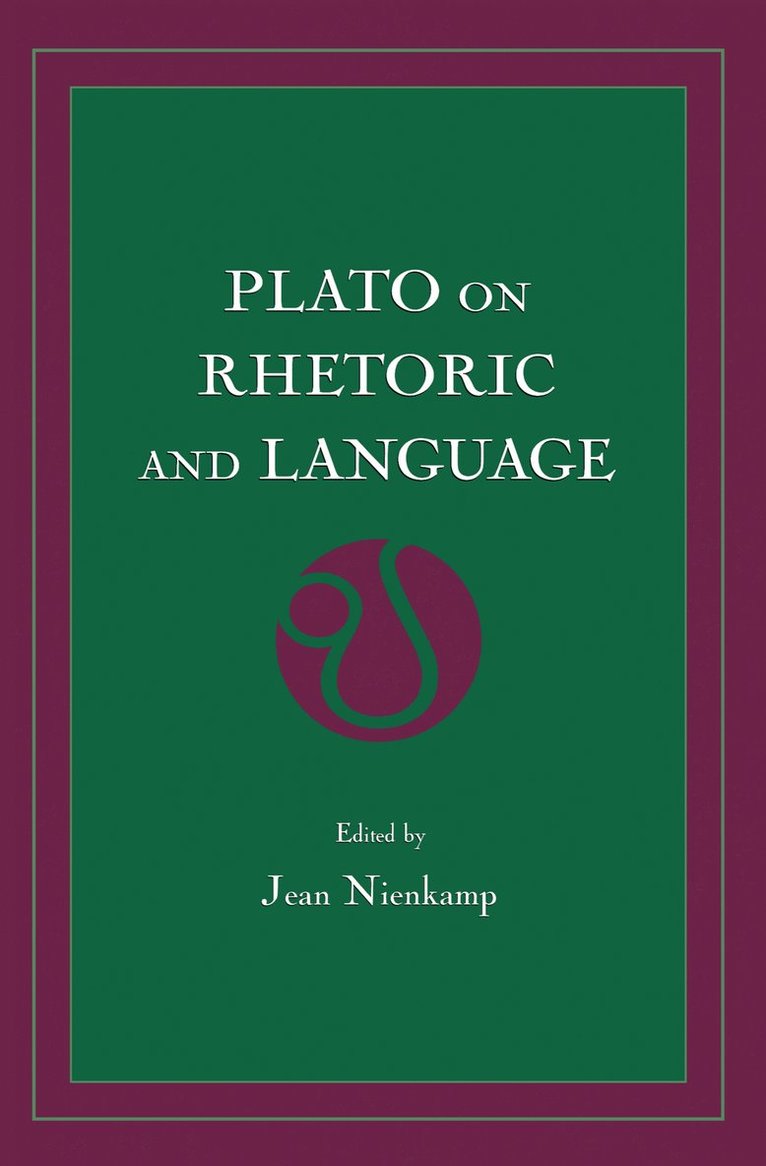
Plato on Rhetoric and Language presents, for the first time in one volume, four key Platonic dialogues on rhetoric and language in complete, contemporary translations: the Ion, the Protagoras, the Gorgias, and the Phaedrus. Previously, those interested in reading or teaching these dialogues had to acquire several books, typically having introductions that portrayed Plato's philosophy as strictly anti-rhetorical. The introduction to this volume treats Plato's discussions of the language arts as central to his philosophical practice. Reflecting current critical discussions about the significance of ambiguities and inconsistencies in the dialogues, the introduction approaches them as enacting the dialogical and rhetorical practice of philosophy rather than as expositions of doctrine. Readers are thus invited to participate in the dialogues as vital philosophical conversations about issues that animate contemporary rhetorical and literary thought today.Specific features of this text include:* four key dialogues on rhetoric and language presented in one volume in complete, contemporary translations;* an introduction that discusses the complexities of Plato's dialogues and views on language, writing, dialogue, rhetoric, and poetics in a readable style;* brief introductions to each dialogue that point out the major features of the dialogue as well as raise questions to stimulate thoughtful reading;* an expanded bibliography for those interested in pursuing further critical discussion of the texts; and* an index to key terms and concepts covered in the introduction and dialogues.
585 kr
Skickas inom 10-15 vardagar
Plato on Rhetoric and Language presents, for the first time in one volume, four key Platonic dialogues on rhetoric and language in complete, contemporary translations: the Ion, the Protagoras, the Gorgias, and the Phaedrus. Previously, those interested in reading or teaching these dialogues had to acquire several books, typically having introductions that portrayed Plato's philosophy as strictly anti-rhetorical. The introduction to this volume treats Plato's discussions of the language arts as central to his philosophical practice. Reflecting current critical discussions about the significance of ambiguities and inconsistencies in the dialogues, the introduction approaches them as enacting the dialogical and rhetorical practice of philosophy rather than as expositions of doctrine. Readers are thus invited to participate in the dialogues as vital philosophical conversations about issues that animate contemporary rhetorical and literary thought today.Specific features of this text include:* four key dialogues on rhetoric and language presented in one volume in complete, contemporary translations;* an introduction that discusses the complexities of Plato's dialogues and views on language, writing, dialogue, rhetoric, and poetics in a readable style;* brief introductions to each dialogue that point out the major features of the dialogue as well as raise questions to stimulate thoughtful reading;* an expanded bibliography for those interested in pursuing further critical discussion of the texts; and* an index to key terms and concepts covered in the introduction and dialogues.