Jean-Paul Ortonne – författare
Visar alla böcker från författaren Jean-Paul Ortonne. Handla med fri frakt och snabb leverans.
8 produkter
The Pigmentary System
Physiology and Pathophysiology
Av James J. Nordlund, Raymond E. Boissy m. fl.
Inbunden, 1998
4412 kr
Lägg i varukorg
Our knowledge about the function of the melanocyte has expanded beyond boundaries not previously imagined. The melanocyte is no longer considered merely a factory for the production of the pigment melanin. Old data do not contradict the new but must be reinterpreted in light of modern concepts of …
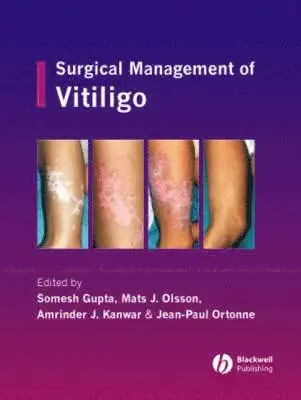
Surgical Management of Vitiligo
Av Somesh Gupta, Mats J. Olsson m. fl.
Inbunden, 2006
2782 kr
Lägg i varukorg
Although vitiligo has traditionally been very difficult to treat, a new breakthrough surgical treatment is expanding options for practitioners and patients.Standard treatments depend on the severity of the condition and the patient's feelings of disfigurement. Cover-up cosmetics work well for some …
Pigmentary System
Physiology and Pathophysiology
Av Jean-Paul Ortonne, William S. Oetting m. fl.
E-bok, 2008
5135 kr
Lägg i varukorg
The most comprehensive and integrated book on pigmentation The Pigmentary System, Second Edition , gathers into one convenient, all-inclusive volume a wealth of information about the science of pigmentation and all the common and rare clinical disorders that affect skin color. The two parts, …
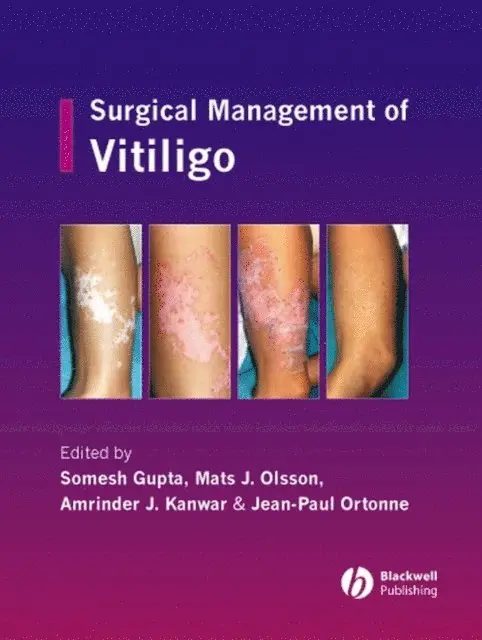
Surgical Management of Vitiligo
Av Jean-Paul Ortonne, Amrinder J. Kanwar m. fl.
E-bok, 2008
3272 kr
Lägg i varukorg
Although vitiligo has traditionally been very difficult to treat, a new breakthrough surgical treatment is expanding options for practitioners and patients. Standard treatments depend on the severity of the condition and the patient''s feelings of disfigurement. Cover-up cosmetics work well for …
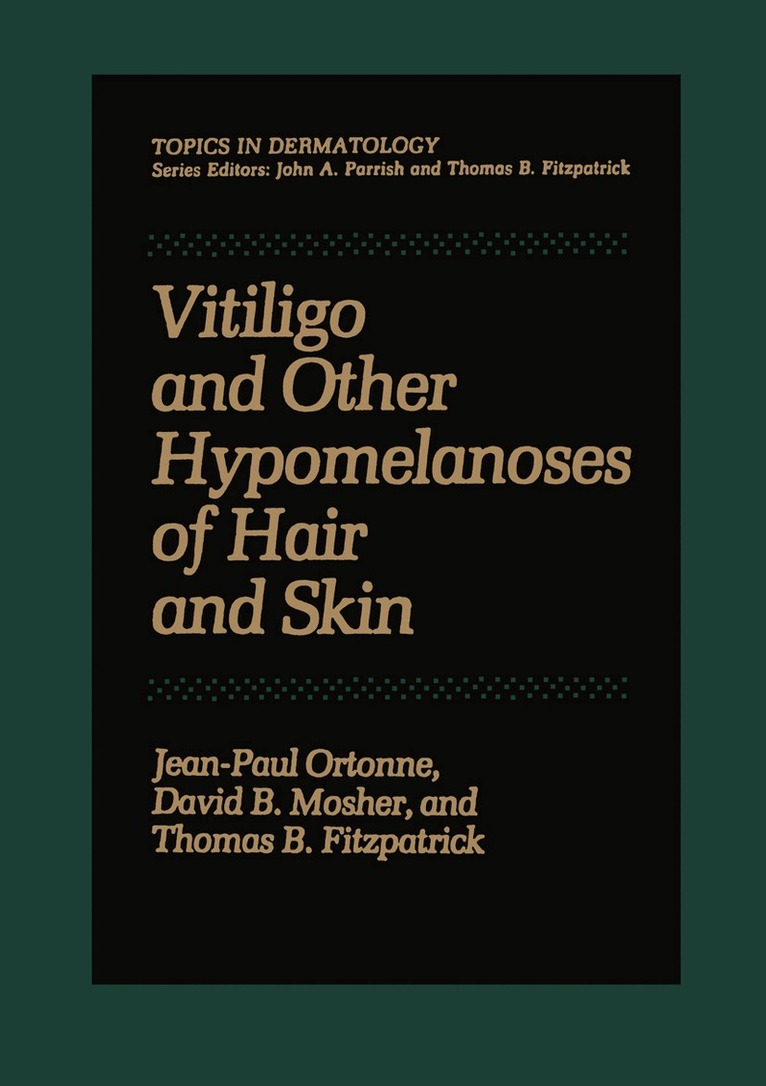
Vitiligo and Other Hypomelanoses of Hair and Skin
E-bok, 2012
1502 kr
Lägg i varukorg
Leukoderma is a generic term for any pigmentary dilution, be it congenital or acquired, circumscribed or generalized, devoid of or partially lacking in pig mentation. In the approach to the diagnosis of leukoderma, we have generally first considered the age of onset, whether leukoderma was …
Vitiligo and Other Hypomelanoses of Hair and Skin
Häftad, 2012
1128 kr
Lägg i varukorg
Leukoderma is a generic term for any pigmentary dilution, be it congenital or acquired, circumscribed or generalized, devoid of or partially lacking in pig mentation. In the approach to the diagnosis of leukoderma, we have generally first considered the age of onset, whether leukoderma was …
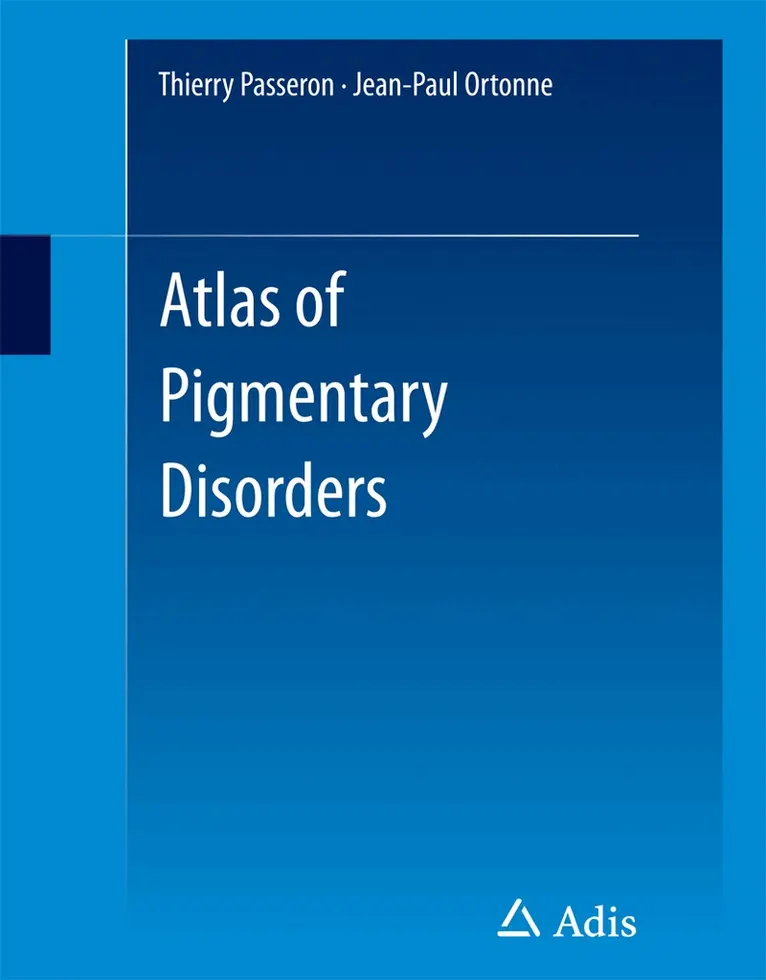
Atlas of Pigmentary Disorders
Av Thierry Passeron, Jean-Paul Ortonne
Inbunden, 2016
2248 kr
Lägg i varukorg
The skin is colored by a blend of pigments, which form part of a complex and highly regulated process. Pigmentary defects normally present with dyschromia and can be caused by genetic defects, systemic disease, inflammatory processes, metabolic defects, infections, tumors, or toxic or iatrogenic …
Atlas of Pigmentary Disorders
Av Jean-Paul Ortonne, Thierry Passeron
E-bok, 2016
3013 kr
Lägg i varukorg
The skin is colored by a blend of pigments, which form part of a complex and highly regulated process. Pigmentary defects normally present with dyschromia and can be caused by genetic defects, systemic disease, inflammatory processes, metabolic defects, infections, tumors, or toxic or iatrogenic …