Jean-Yves Leloup – författare
Visar alla böcker från författaren Jean-Yves Leloup. Handla med fri frakt och snabb leverans.
18 produkter
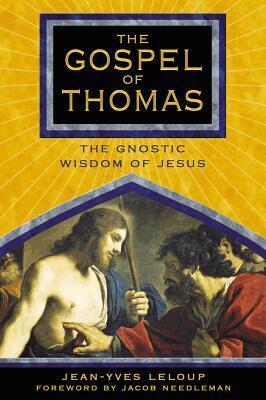
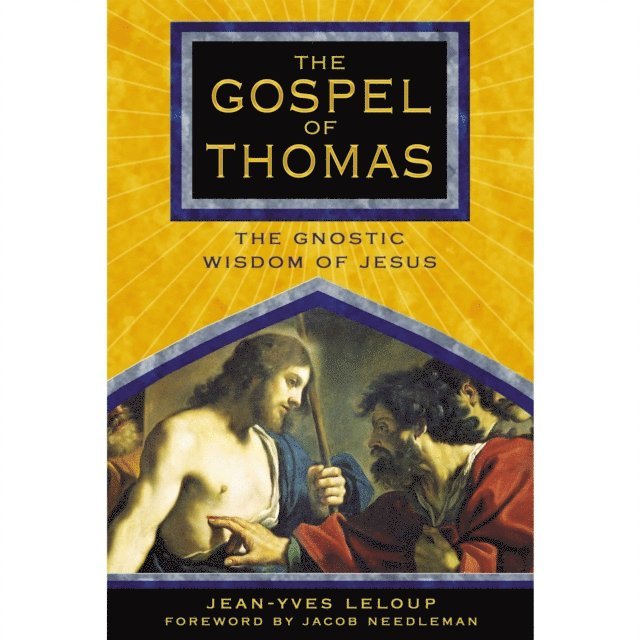
Gospel of Thomas
The Gnostic Wisdom of Jesus
Häftad, 2005
219 kr
Lägg i varukorg
One of the cache of codices and manuscripts discovered in Nag Hammadi, the Gospel of Thomas, unlike the canonical gospels, does not contain a narrative recording Christ's life and prophecies. Instead it is a collection of his teachings--what he actually said. These 114 logia, or sayings, were …
Gospel of Mary Magdalene
Häftad, 2002
5,0 utav 5 stjärnor. Totalt antal röster: (1)
205 kr
Lägg i varukorg
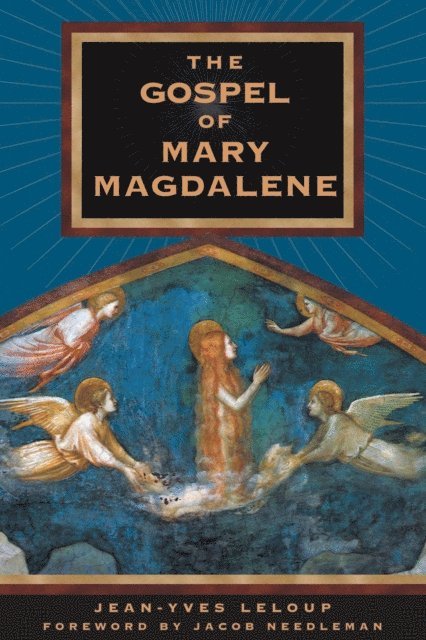
Perhaps no figure in biblical scholarship has been the subject of more controversy and debate than Mary Magdalene. Also known as Miriam of Magdala, Mary Magdalene was considered by the apostle John to be the founder of Christianity because she was the first witness to the Resurrection. In most …
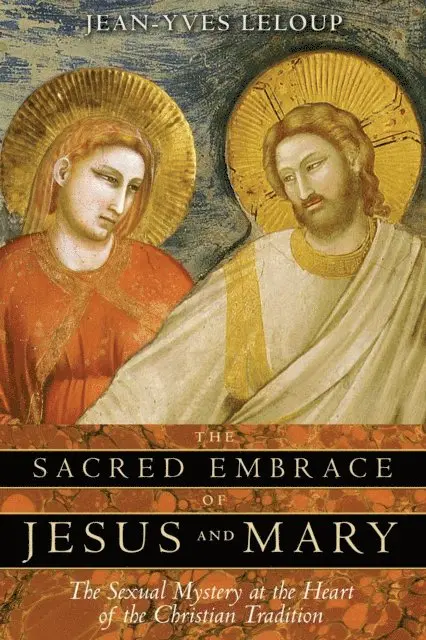
Sacred Embrace of Jesus and Mary
The Sexual Mystery at the Heart of the Christian Tradition
E-bok, 2006
133 kr
Lägg i varukorg
An examination of how the teachings of Jesus reveal the essential role of sexuality in spiritual growth and transformation • Shows that Jesus did not come to redeem humanity from the life of the flesh, but to honor it as a spiritual path • Uses Hebrew, gnostic, and early Christian source texts to …
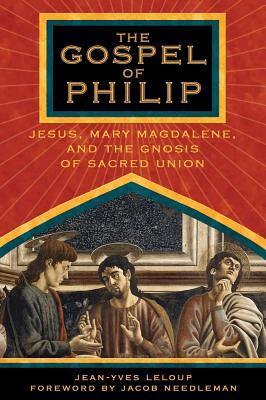
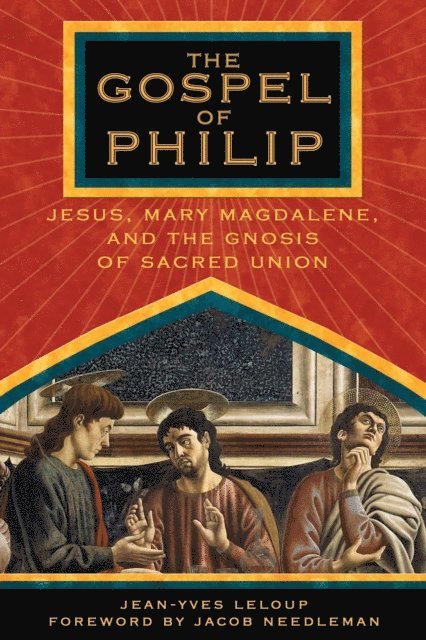
Gospel of Philip
Jesus, Mary Magdalene, and the Gnosis of Sacred Union
Häftad, 2004
221 kr
Lägg i varukorg
The mainstream position of the Christian church on sexuality was perhaps best summed up by Pope Innocent III (1160-1216) when he stated that “the sexual act is so shameful that it is intrinsically evil.” Another Christian theologian maintained that the “Holy Ghost is absent from the room shared by …
Gospel of Thomas
The Gnostic Wisdom of Jesus
E-bok, 2005
156 kr
Lägg i varukorg
A new translation and analysis of the gospel that records the actual words of Jesus • Explores the gnostic significance of Jesus''s teachings recorded in this gospel • Explains the true nature of the new man whose coming Jesus envisioned • Translated and interpreted by the author of the bestselling …
Gospel of Philip
Jesus, Mary Magdalene, and the Gnosis of Sacred Union
E-bok, 2004
159 kr
Lägg i varukorg
A new translation and analysis of one of the most controversial of the apocryphal gospels • Emphasizes an initiatic marriage between the male and female principles as the heart of the Christian mystery • Bears witness to the physical relationship shared by Jesus and Mary Magdalene • Translated from …
Gospel of Mary Magdalene
E-bok, 2002
159 kr
Lägg i varukorg
Restores to the forefront of the Christian tradition the importance of the divine feminine • The first complete English-language translation of the original Coptic Gospel of Mary, with line-by-line commentary • Reveals the eminence of the divine feminine in Christian thought • Offers a new …
Judas and Jesus
Two Faces of a Single Revelation
E-bok, 2007
106 kr
Lägg i varukorg
A radical reinterpretation of the relationship of Judas and Jesus • Reexamines the role and the purpose the key figure of Judas played in the crucifixion story • Reveals how Judas was “betrayed” by Jesus, and how, taken to the limits of his humanity, he lost everything he most cherished on the path …
Compassion and Meditation
The Spiritual Dynamic between Buddhism and Christianity
E-bok, 2009
106 kr
Lägg i varukorg
A profound reflection on how complementary themes in Buddhism and Christianity could serve as the basis for a truly ecumenical faith • Compares Zen meditation with the Greek Orthodox practice of Hesychasm (prayer of the heart) • Shows how Buddha and Jesus represent the distinct yet complementary …
Gospel of Thomas
The Gnostic Wisdom of Jesus
Ljudbok, 2019
257 kr
Lägg i varukorg
A new translation and analysis of the gospel that records the actual words of Jesus Explores the gnostic significance of Jesus''s teachings recorded in this gospel Explains the true nature of the new man whose coming Jesus envisioned Translated and interpreted by the author of the bestselling The …
quantique des cantiques
Transdisciplinarité, transpersonnel, transtechnologie, des sciences nouvelles qui redécouvrent le spirituel
Av Florent Pasquier, Jean-Yves LeLoup
Häftad, 2025
283 kr
Lägg i varukorg
Être chrétien aujourd'hui - En 40 pages
E-bok, 2014
85 kr
Lägg i varukorg
En cette époque où le christianisme occidental se voit progressivement aplati en un simple humanisme dévitalisé de ses racines spirituelles et où l''on vante, depuis un rationalisme étroit, une « spiritualité sans Dieu » ou, comble du paradoxe, « sans Esprit », Jean-Yves Leloup partage ici son …
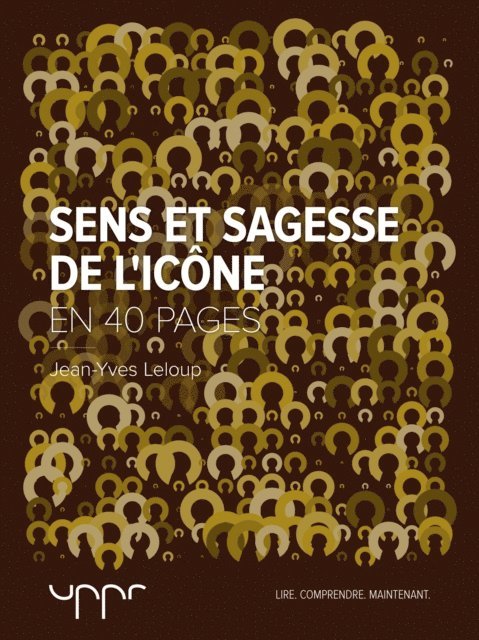
Sens et sagesse de l'icône - En 40 pages
E-bok, 2015
85 kr
Lägg i varukorg
Ce bref essai ne sera pas un livre "sur" les icônes, ce qui supposerait un certain nombre d’illustrations, cela a déjà été fait (Cf. Jean-Yves Leloup, L’Icône, une école du regard, ed. Le pommier, 2000), mais une réflexion suscitée par un certain nombre d’événements récents. L’Icône sera davantage …
Judas and Jesus
Two Faces of a Single Revelation
Häftad, 2007
188 kr
Tillfälligt slut
A radical reinterpretation of the relationship of Judas and Jesus • Reexamines the role and the purpose the key figure of Judas played in the crucifixion story • Reveals how Judas was “betrayed” by Jesus, and how, taken to the limits of his humanity, he lost everything he most cherished on the path …
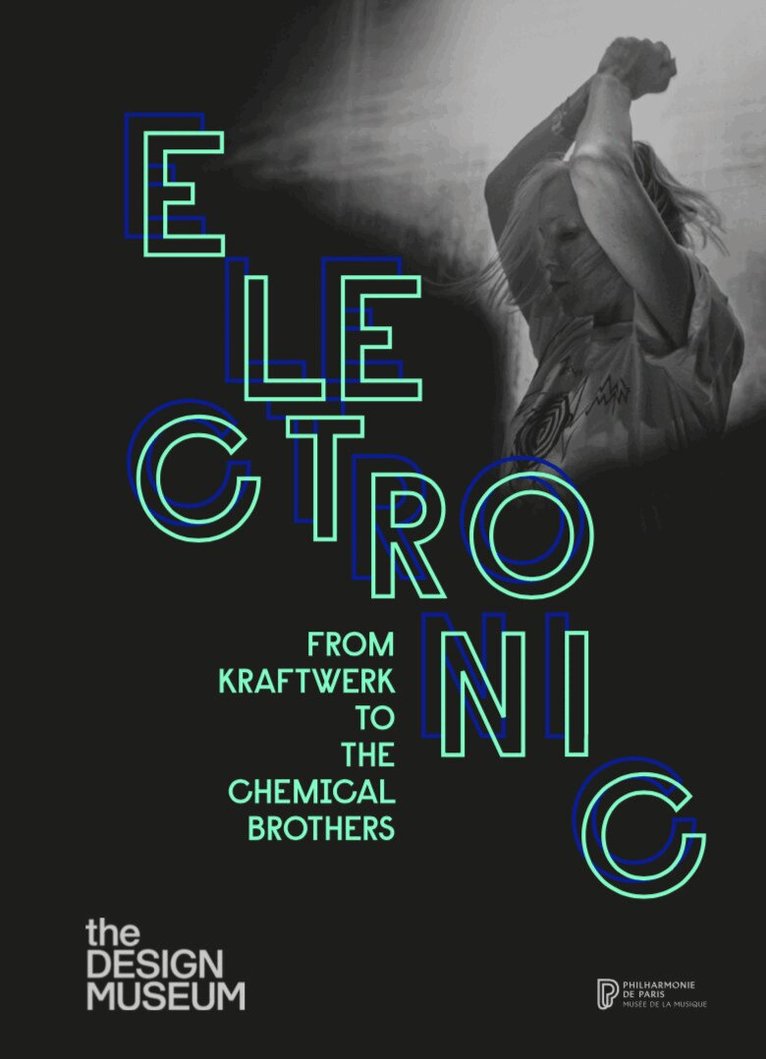
Electronic
From Kraftwerk to the Chemical Brothers
Av Jean-Yves Leloup, Gemma Curtin m. fl.
Inbunden, 2020
257 kr
Tillfälligt slut
At more than 120 bpm, electronic music sets the tempo on dancefloors around the globe. Accompanying the exhibition Electronic: From Kraftwerk to The Chemical Brothers, this book offers an insight into the visual culture of electronic music, and how technology, design, art and fashion have …