Jeffery L. Nicholas – Författare
Visar alla böcker från författaren Jeffery L. Nicholas. Handla med fri frakt och snabb leverans.
5 produkter
5 produkter
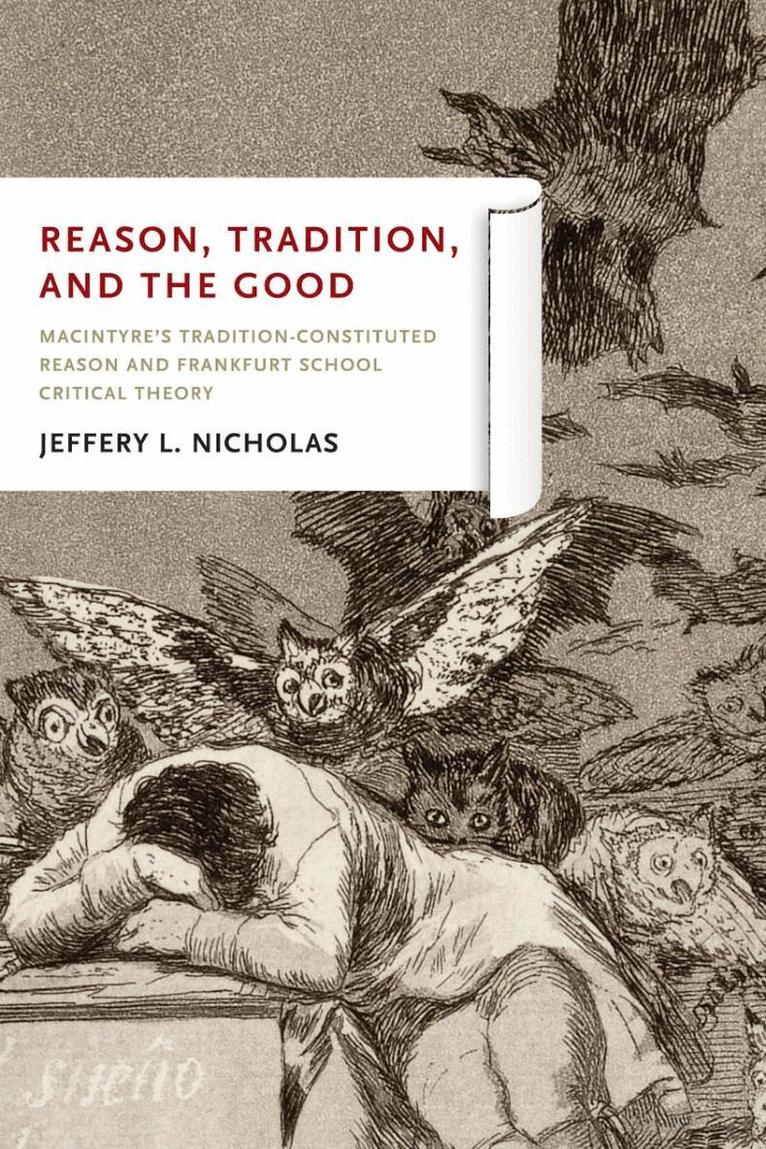
Reason, Tradition, and the Good
MacIntyre's Tradition-Constituted Reason and Frankfurt School Critical Theory
Häftad, Engelska, 2012
395 kr
Skickas inom 10-15 vardagar
In Reason, Tradition, and the Good, Jeffery L. Nicholas addresses the failure of reason in modernity to bring about a just society, a society in which people can attain fulfillment. Developing the critical theory of the Frankfurt School, Nicholas argues that we rely too heavily on a conception of rationality that is divorced from tradition and, therefore, incapable of judging ends. Without the ability to judge ends, we cannot engage in debate about the good life or the proper goods that we as individuals and as a society should pursue. Nicholas claims that the project of enlightenment—defined as the promotion of autonomous reason—failed because it was based on a deformed notion of reason as mere rationality, and that a critical theory of society aimed at human emancipation must turn to substantive reason, a reason constituted by and constitutive of tradition. To find a reason capable of judging ends, Nicholas suggests, we must turn to Alasdair MacIntyre's Thomistic-Aristotelianism. Substantive reason comprises thinking and acting on the set of standards and beliefs within a particular tradition. It is the impossibility of enlightenment rationality to evaluate ends and the possibility of substantive reason to evaluate ends that makes the one unsuitable and the other suitable for a critical theory of society. Nicholas's compelling argument, written in accessible language, remains committed to the promise of reason to help individuals achieve a good and just society and a good life. This requires, however, a complete revolution in the way we approach social life.
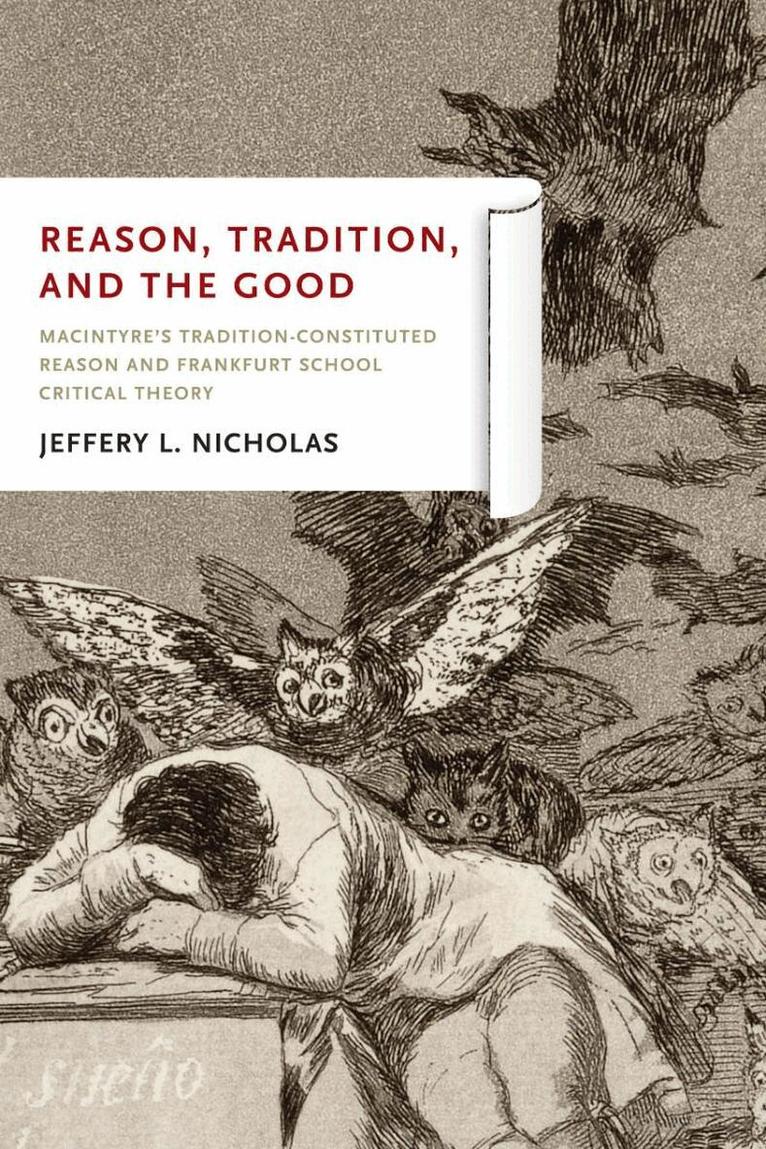
Reason, Tradition, and the Good
MacIntyre's Tradition-Constituted Reason and Frankfurt School Critical Theory
Inbunden, Engelska, 2022
1 077 kr
Skickas inom 10-15 vardagar
In Reason, Tradition, and the Good, Jeffery L. Nicholas addresses the failure of reason in modernity to bring about a just society, a society in which people can attain fulfillment. Developing the critical theory of the Frankfurt School, Nicholas argues that we rely too heavily on a conception of rationality that is divorced from tradition and, therefore, incapable of judging ends. Without the ability to judge ends, we cannot engage in debate about the good life or the proper goods that we as individuals and as a society should pursue. Nicholas claims that the project of enlightenment—defined as the promotion of autonomous reason—failed because it was based on a deformed notion of reason as mere rationality, and that a critical theory of society aimed at human emancipation must turn to substantive reason, a reason constituted by and constitutive of tradition. To find a reason capable of judging ends, Nicholas suggests, we must turn to Alasdair MacIntyre's Thomistic-Aristotelianism. Substantive reason comprises thinking and acting on the set of standards and beliefs within a particular tradition. It is the impossibility of enlightenment rationality to evaluate ends and the possibility of substantive reason to evaluate ends that makes the one unsuitable and the other suitable for a critical theory of society. Nicholas's compelling argument, written in accessible language, remains committed to the promise of reason to help individuals achieve a good and just society and a good life. This requires, however, a complete revolution in the way we approach social life.
2 113 kr
Skickas inom 10-15 vardagar
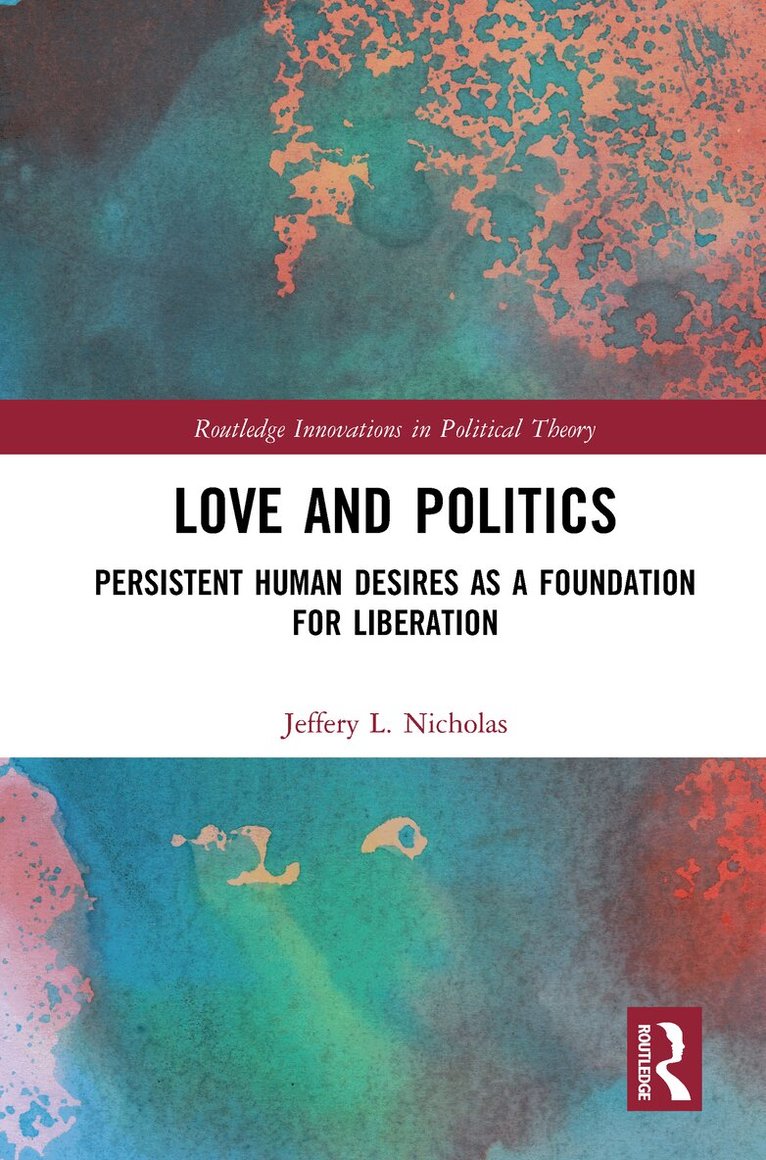
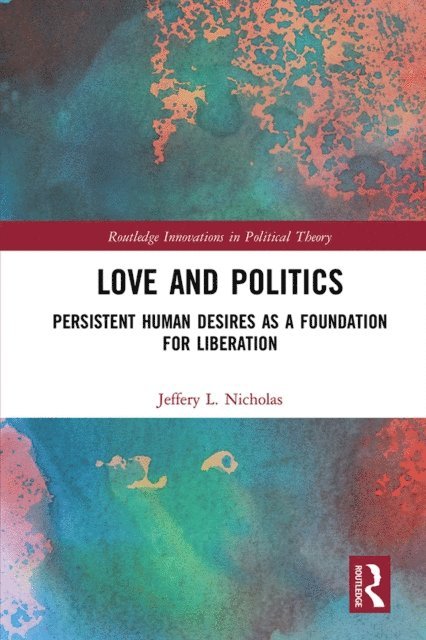
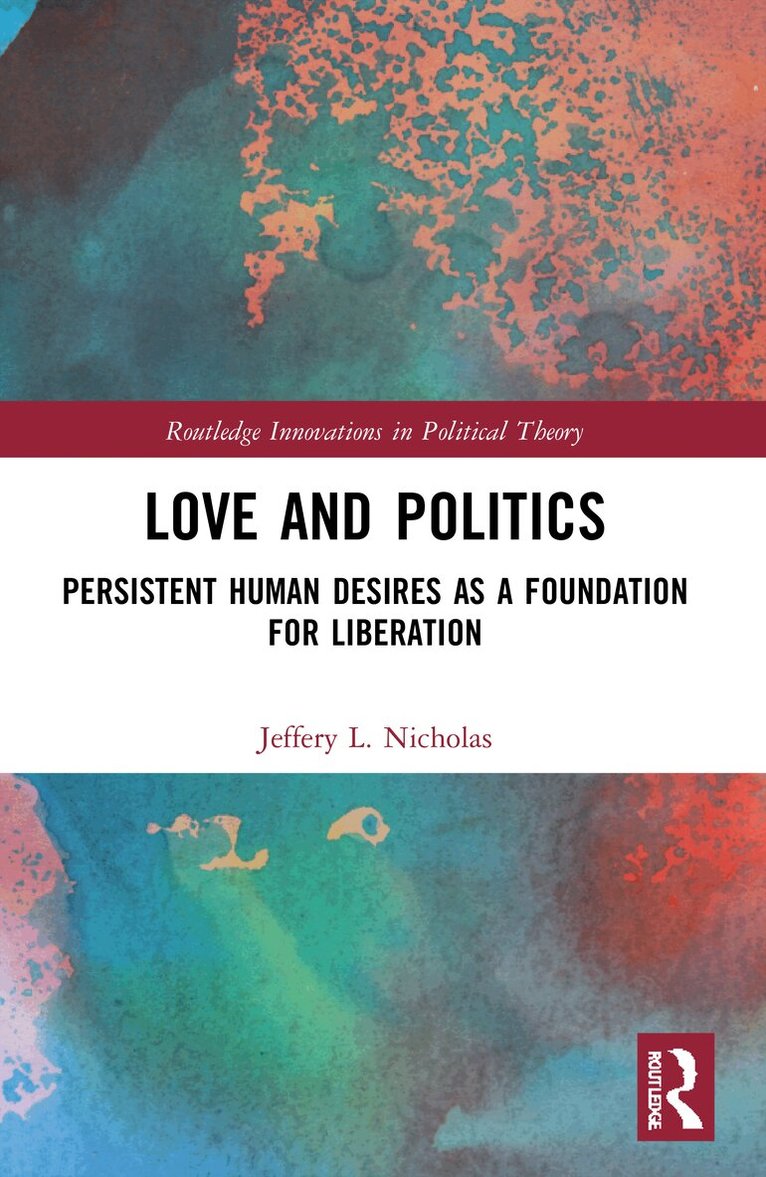
In, Love and Politics Jeffery L. Nicholas argues that Eros is the final rejection of an alienated life, in which humans are prevented from developing their human powers; Eros, in contrast, is an overflowing of acting into new realities and new beauties, a world in which human beings extend their powers and senses.Nicholas uniquely interprets Alasdair MacIntyre’s Revolutionary Aristotelianism as a response to alienation defined as the divorce of fact from value. However, this account cannot address alienation in the form of the oppression of women or people of color. Importantly, it fails to acknowledge the domination of nature that blackens the heart of alienated life. Alienation must be seen as a separation of the human from nature. Nicholas turns to Aristotle, first, to uncover the way his philosophy embodies a divorce of human from nature, then to reconstruct the essential elements of Aristotle’s metaphysics to defend a philosophical anthropology based on Eros. Love and Politics: Persistent Human Desires as a Foundation for Liberation presents a critical theory that synthesizes MacIntyre’s Revolutionary Aristotelianism, Frankfurt School Critical Theory, and Social Reproduction Theory. It will be of great interest to political theorists and philosophers.
618 kr
Skickas inom 10-15 vardagar
In, Love and Politics Jeffery L. Nicholas argues that Eros is the final rejection of an alienated life, in which humans are prevented from developing their human powers; Eros, in contrast, is an overflowing of acting into new realities and new beauties, a world in which human beings extend their powers and senses.Nicholas uniquely interprets Alasdair MacIntyre’s Revolutionary Aristotelianism as a response to alienation defined as the divorce of fact from value. However, this account cannot address alienation in the form of the oppression of women or people of color. Importantly, it fails to acknowledge the domination of nature that blackens the heart of alienated life. Alienation must be seen as a separation of the human from nature. Nicholas turns to Aristotle, first, to uncover the way his philosophy embodies a divorce of human from nature, then to reconstruct the essential elements of Aristotle’s metaphysics to defend a philosophical anthropology based on Eros. Love and Politics: Persistent Human Desires as a Foundation for Liberation presents a critical theory that synthesizes MacIntyre’s Revolutionary Aristotelianism, Frankfurt School Critical Theory, and Social Reproduction Theory. It will be of great interest to political theorists and philosophers.
169 kr
Skickas inom 7-10 vardagar
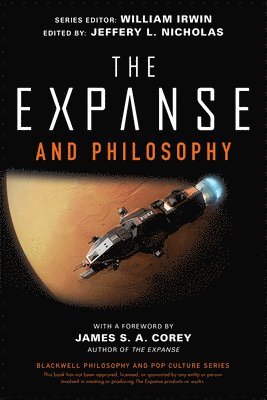
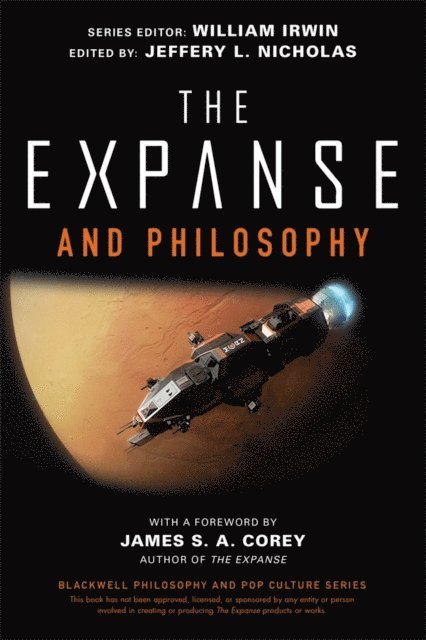
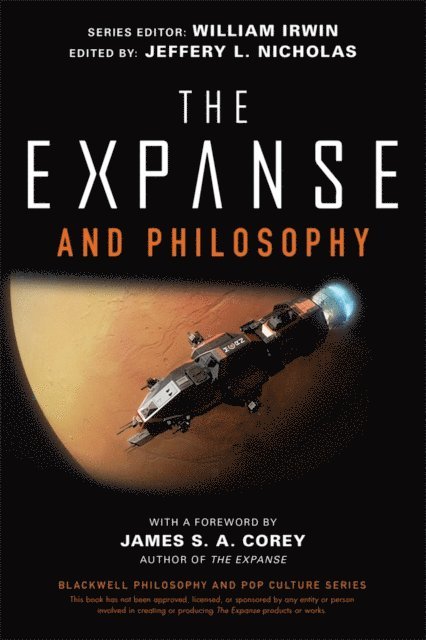
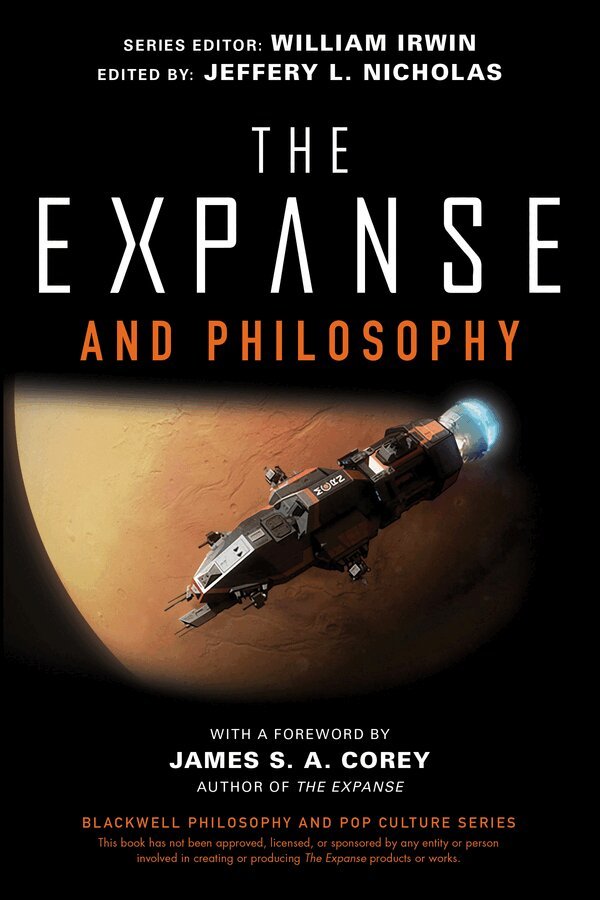
Enter The Expanse to explore questions of the meaning of human life, the concept of justice, and the nature of humanity, featuring a foreword from author James S.A. CoreyThe Expanse and Philosophy investigates the philosophical universe of the critically acclaimed television show and Hugo Award-winning series of novels. Original essays by a diverse international panel of experts illuminate how essential philosophical concepts relate to the meticulously crafted world of The Expanse, engaging with topics such as transhumanism, belief, culture, environmental ethics, identity, colonialism, diaspora, racism, reality, and rhetoric.Conceiving a near-future solar system colonized by humanity, The Expanse provokes a multitude of moral, ethical, and philosophical queries: Are Martians, Outer Planets inhabitants, and Earthers different races? Is Marco Inaros a terrorist? Can people who look and sound different, like Earthers and Belters, ever peacefully co-exist? Should science be subject to moral rules? Who is sovereign in space? What is the relationship between human progress and aggression? The Expanse and Philosophy helps you answer these questions—and many more. Covers the first six novels in The Expanse series and five seasons of the television adaptationAddresses the philosophical issues that emerge from socio-economics and geopolitics of Earth, Mars, and the Outer Planets AllianceOffers fresh perspectives on the themes, characters, and storylines of The ExpanseExplores the connections between The Expanse and thinkers such as Aristotle, Kant, Locke, Hannah Arendt, Wittgenstein, Descartes, and NietzschePart of the popular Blackwell Philosophy and Pop Culture series, The Expanse and Philosophy is a must-have companion for avid readers of James S.A. Corey’s novels and devotees of the television series alike.