Jeffrey A. Redding - Böcker
Visar alla böcker från författaren Jeffrey A. Redding. Handla med fri frakt och snabb leverans.
6 produkter
6 produkter
1 738 kr
Skickas inom 7-10 vardagar
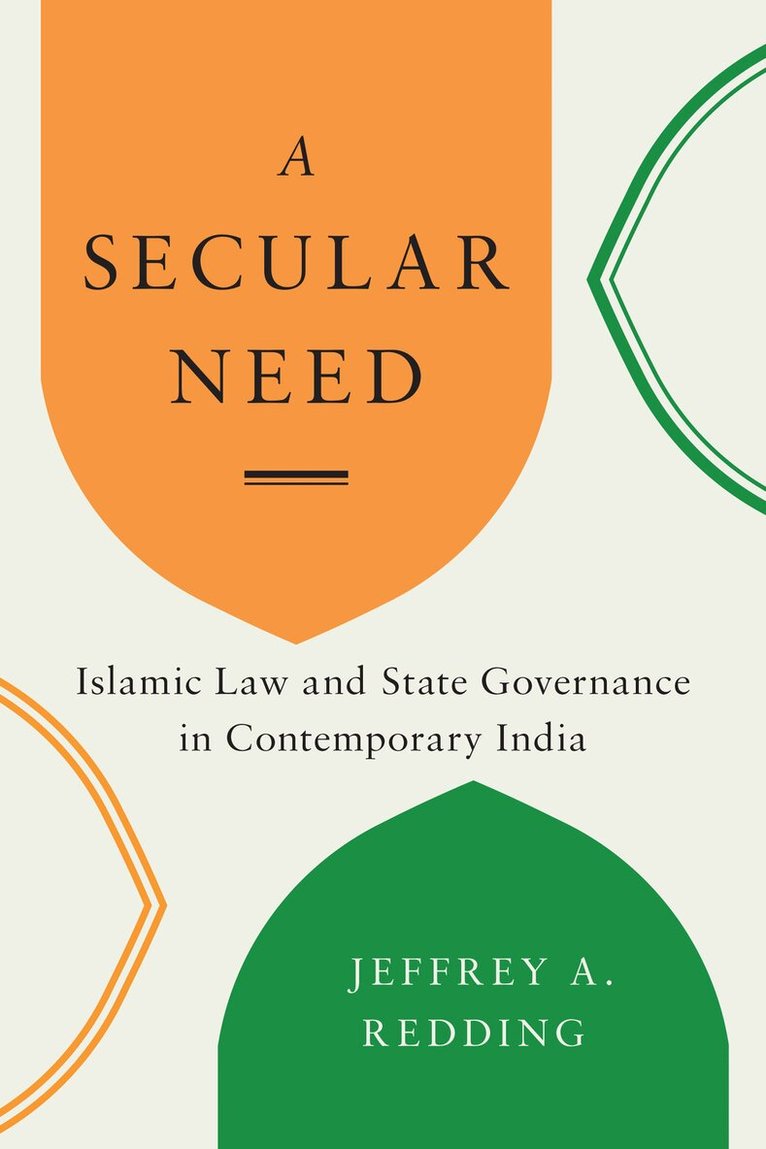
Whether from the perspective of Islamic law’s advocates, secularism’s partisans, or communities caught in their crossfire, many people see the relationship between Islamic law and secularism as antagonistic and increasingly discordant. In the United States there are calls for “sharia bans” in the courts, in western Europe legal limitations have been imposed on mosques and the wearing of headscarves, and in the Arab Middle East conflicts between secularist old guards and Islamist revolutionaries persist—suggesting that previously unsteady coexistences are transforming into outright hostilities.Jeffrey Redding’s exploration of India’s non-state system of Muslim dispute resolution—known as the dar-ul-qaza system and commonly referred to as “Muslim courts” or “shariat courts”—challenges conventional narratives about the inevitable opposition between Islamic law and secular forms of governance, demonstrating that Indian secular law and governance cannot work without the significant assistance of non-state Islamic legal actors.
502 kr
Skickas inom 7-10 vardagar
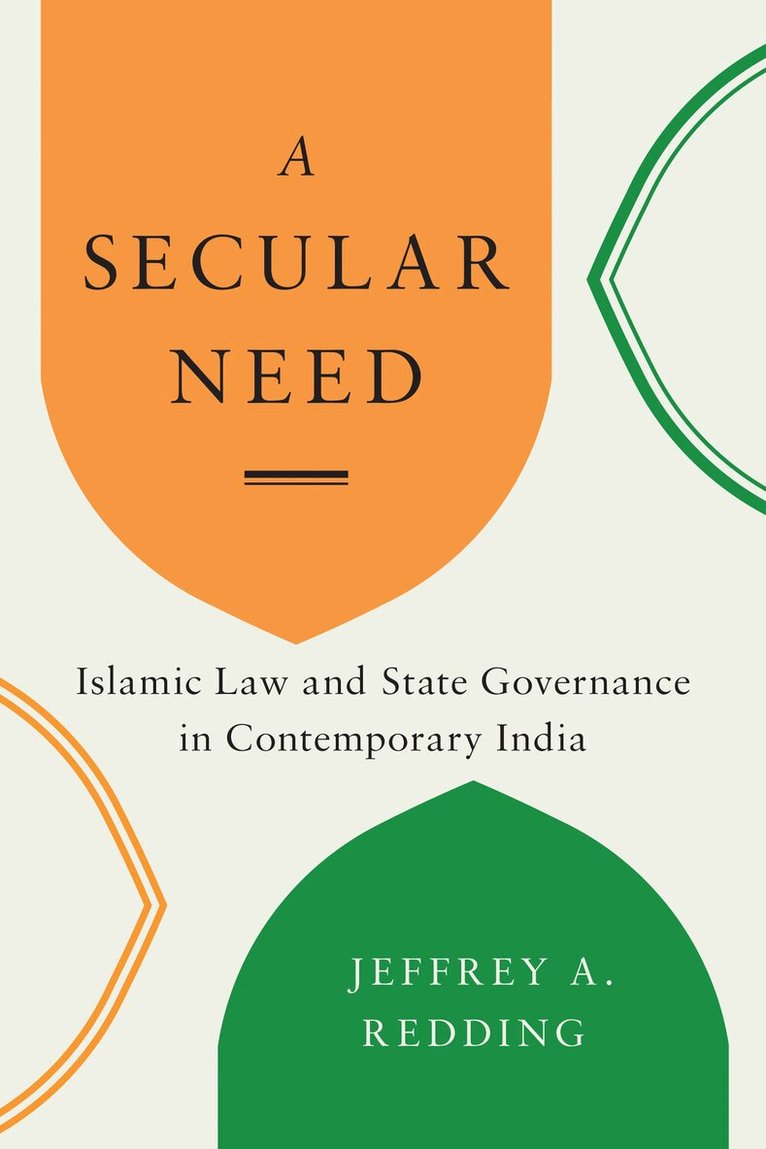
Whether from the perspective of Islamic law’s advocates, secularism’s partisans, or communities caught in their crossfire, many people see the relationship between Islamic law and secularism as antagonistic and increasingly discordant. In the United States there are calls for “sharia bans” in the courts, in western Europe legal limitations have been imposed on mosques and the wearing of headscarves, and in the Arab Middle East conflicts between secularist old guards and Islamist revolutionaries persist—suggesting that previously unsteady coexistences are transforming into outright hostilities.Jeffrey Redding’s exploration of India’s non-state system of Muslim dispute resolution—known as the dar-ul-qaza system and commonly referred to as “Muslim courts” or “shariat courts”—challenges conventional narratives about the inevitable opposition between Islamic law and secular forms of governance, demonstrating that Indian secular law and governance cannot work without the significant assistance of non-state Islamic legal actors.
1 254 kr
Skickas inom 5-8 vardagar
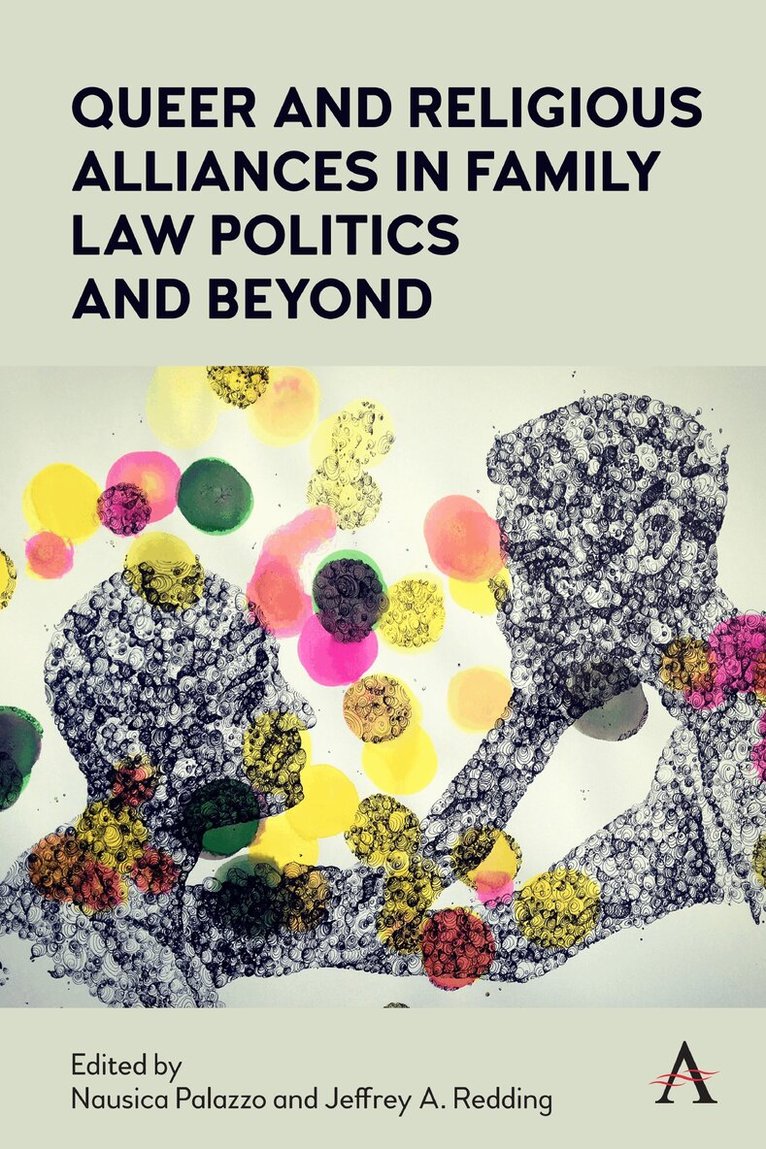
Family law is a site of social conflict and the erasure of non-traditional families. This book explores how conservative religious and progressive queer groups can cooperatively work together to expand family law’s recognition beyond the traditional state-sponsored family. Various religious groups have shown an interest in promoting alternative family structures. For example, certain Muslim and Mormon communities have advocated for polygamy, thereby aligning with queer groups’ interest in overcoming the engrafting of monogamy into state law. Advocacy by North American religious conservatives for reforms in favor of non-conjugal families and against same-sex marriage overlaps with certain queer efforts to legitimize friendships and non-traditional families more generally.This book explores these potential areas of queer and religious political cooperation—including limitations and principled reservations to such cooperation. It then looks at additional future arenas of queer and religious political cooperation going beyond family law.
431 kr
Tillfälligt slut
446 kr
Tillfälligt slut
402 kr
Skickas inom 5-8 vardagar
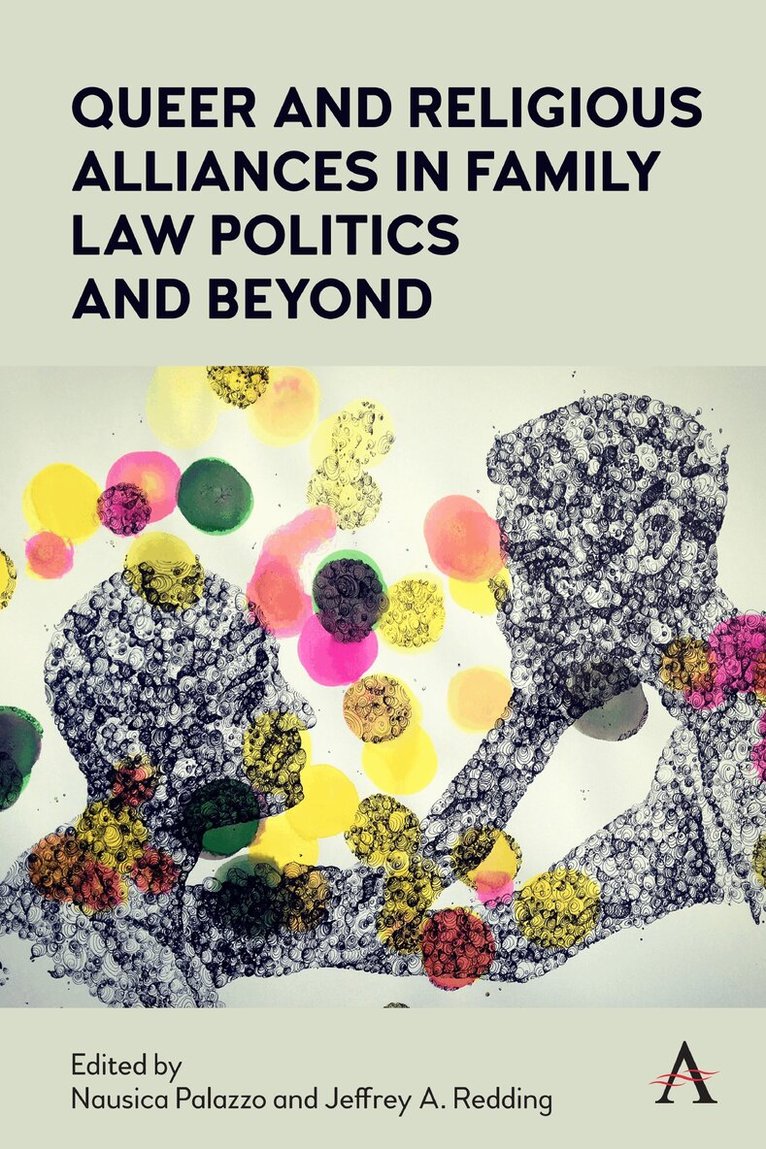
Family law is a site of social conflict and the erasure of non-traditional families. This book explores how conservative religious and progressive queer groups can cooperatively work together to expand family law’s recognition beyond the traditional state-sponsored family. Various religious groups have shown an interest in promoting alternative family structures. For example, certain Muslim and Mormon communities have advocated for polygamy, thereby aligning with queer groups’ interest in overcoming the engrafting of monogamy into state law. Advocacy by North American religious conservatives for reforms in favor of non-conjugal families and against same-sex marriage overlaps with certain queer efforts to legitimize friendships and non-traditional families more generally.This book explores these potential areas of queer and religious political cooperation—including limitations and principled reservations to such cooperation. It then looks at additional future arenas of queer and religious political cooperation going beyond family law.