Jennifer A. Ostergren – författare
Visar alla böcker från författaren Jennifer A. Ostergren. Handla med fri frakt och snabb leverans.
4 produkter
4 produkter
Häftad, Engelska, 2017
1 572 kr
Skickas inom 5-8 vardagar
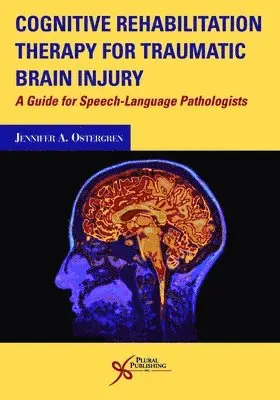
Cognitive Rehabilitation Therapy for Traumatic Brain Injury: A Guide for Speech-Language Pathologists is designed for speech-language pathologists (SLPs) treating adults with cognitive-communicative impairments following traumatic brain injury (TBI). TBI has received recent attention, due to an increase in the number of individuals with TBI, but also given concerns over long-term complications associated with TBI, such as concussion in sports. Cognitive impairments are one of the cardinal features of TBI, affecting communication and activities of daily living. Increasingly, SLPs are required to provide services to individuals with TBI. This book integrates scientific information into a user friendly and practical application tool as a starting point for practicing SLPs.Section I contains chapters that serve as background for understanding the treatment of individuals with TBI. Included are chapters addressing the nature of injury and recovery of TBI, and chapters on broader topics such as medical management and service delivery principles.An overview of cognitive-communicative impairments is also included, as are sections devoted to compounding conditions such as speech, language, voice, swallowing, hearing/balance, and emotional/behavioral issues. Section II contains chapters devoted to the treatment of TBI and cognitive-communicative impairments. Each chapter focuses on a treatment approach shown to have an established base of evidence to support its effective use. Chapters in Section II are formatted similarly, with an introduction to a treatment approach, followed by details and clinically useable information, such as recommended candidates, treatment procedures, ways to individualize the approach, and data collection techniques. Each chapter ends with a case study providing an example of treatment implementation. The associated PluralPlus companion website contains modifiable forms and materials for use in implementing the approaches (e.g., data collection sheets, stimuli lists, etc.), as well as video clips of treatment sessions using the approaches described in the book. The video clips are tied to actual case studies at the end of each treatment chapter.Cognitive Rehabilitation Therapy for Traumatic Brain Injury can serve as a supplemental textbook for graduate courses on neurologic communication disorders.It is also a valuable resource for students during clinical practicum with individuals with TBI (e.g., hospital internships or clinical hours). This book is also a professional resource that summarizes information in a way that is applicable to clinical practice for practicing SLPs. The presence of useable materials on the website, case studies with video clips, and sections with information like candidacy, data collection, and approach modification, all lend themselves to the use of this book as a professional resource.
Häftad, Engelska, 2023
1 411 kr
Skickas inom 5-8 vardagar
The new third edition of the bestselling Speech-Language Pathology Assistants: A Resource Manual is an essential, practical, and easy-to-use resource for SLPAs and SLPA educators and their students. The text defines the roles of SLPAs and their supervisors - offering additional insight into the scope of practice of an SLPA per current American Speech-Language-Hearing Association (ASHA) recommendations - and includes discussions, strategies, and examples of real-world issues, such as using augmentative and alternative communication (AAC) and working with individuals with autism spectrum disorders (ASD). Also included within the chapters are important factors and modifications that can enhance the effectiveness of treatment activities. For example, using behavioral principles and incorporating play, literacy, and speech sound remediation into treatment or modifying the clinical interface to enhance group therapy dynamics for children and adults.Initial chapters are devoted to specific aspects of an SLPA's development, such as chapters on ways SLPAs can enhance clinical service through understanding of goals, lesson plans, data collection, and note-writing. Likewise, chapters on professional practice offer insight into ethical problem-solving, presenting a professional image, developing mentoring relationships, working with culturally and linguistically diverse populations, and the use of self-reflection for self-improvement. These chapters are followed by key principles for SLPAs to incorporate in clinical services provided to specific populations and disorders.
Häftad, Engelska, 2026
2 310 kr
Kommande
Speech-Language Pathology Assistants: A Resource Manual, Fourth Edition is a practical and accessible guide for preparing and supporting speech-language pathology assistants (SLPAs). Written for SLPA training programs and for speech-language pathologists who supervise SLPAs, this text clearly defines the roles, responsibilities, and scope of practice of SLPAs while emphasizing effective collaboration with supervising clinicians. Grounded in current professional guidance, including recommendations from the American Speech-Language-Hearing Association, it focuses on the applied knowledge and clinical skills SLPAs need to contribute effectively to therapy services across educational, clinical, and community settings.Moving from foundational professional topics to hands-on clinical application, the book addresses supervision, ethics, professional conduct, and cultural and linguistic diversity before guiding readers through essential clinical skills such as implementing therapy, collecting and summarizing data, writing notes, and facilitating group sessions. Chapters addressing common populations and treatment contexts help bridge the gap between classroom instruction and real-world clinical practice, making this text an ideal core resource for SLPA programs and a valuable reference for supervising SLPs.New to the Fourth EditionUpdated content reflecting current professional guidelines, including recent developments in SLPA training and certification standardsExpanded discussion of supervision, mentoring, and ethical practice for SLP–SLPA teamsNew and revised coverage of culturally and linguistically responsive service deliveryUpdated clinical guidance across intervention areas, including autism spectrum disorder (ASD), speech sound disorders, literacy, and language interventionA new chapter highlighting the importance of play in speech-language therapyPluralPlus online materials such as student learning outcomes for each chapter, practice quizzes, and other helpful resources for those studying to become and teaching about SLPAs Key FeaturesClear explanation of SLPA roles, scope of practice, and professional expectationsStep-by-step guidance for essential clinical tasks such as data collection, note writing, and therapy implementationPractical strategies for supporting individual and group therapy across settingsCoverage of common populations and treatment contexts encountered by SLPAsEmphasis on ethical conduct, professional behavior, and effective collaboration with supervising SLPsReady-to-use clinical forms and tools PluralPlus Online AncillariesFor instructors: PowerPoint Slides, Test BankFor students: Quizzes, Activities/Exercises, Forms/Documents, Clinical Tools
1 503 kr
Tillfälligt slut
Written specifically with speech-language pathology assistants (SLPAs) in mind, Speech-Language Pathology Assistants: A Resource Manual, is a practical, easy-to-use manual that can be used by both SLPAs and SLPA educators. The text defines the roles of SLPAs and their supervisors - offering additional insight into the scope of practice of an SLPA per current American Speech-Language and Hearing Association (ASHA) recommendations - and includes discussions, strategies, and examples of real-world issues, such as using augmentative and alternative communication (AAC) and working with individuals with autism spectrum disorders (ASD). Also included within the chapters are "Things to Consider" sections, which address important factors and modifications that can enhance the effectiveness of treatment activities. For example, incorporating play, literacy, and speech sound remediation into treatment or modifying the clinical interface to enhance group therapy dynamics for children and adults. Within the text are chapters devoted to specific aspects of an SLPA's development. Chapters on clinical service enhance SLPAs understanding of goals, lesson plans, data collection, and note-writing.Likewise, chapters on professional practice offer insight into ethical problem-solving, presenting a professional image, developing mentoring relationships, working with culturally and linguistically diverse populations, and the use of self-reflection for self-improvement.Another notable feature of this text is the appendices, which include checklists, exercises, forms, and clinical tools and resources for SLPAs. As a key resource for enhancing skills and highlighting professional practice issues, for clinical practicum training or future employment, this is a text both SLPAs and SLPA educators will want to have on their bookshelves.