Jens Späth – författare
Visar alla böcker från författaren Jens Späth. Handla med fri frakt och snabb leverans.
3 produkter
3 produkter
Häftad, Engelska, 2018
1 235 kr
Skickas inom 10-15 vardagar
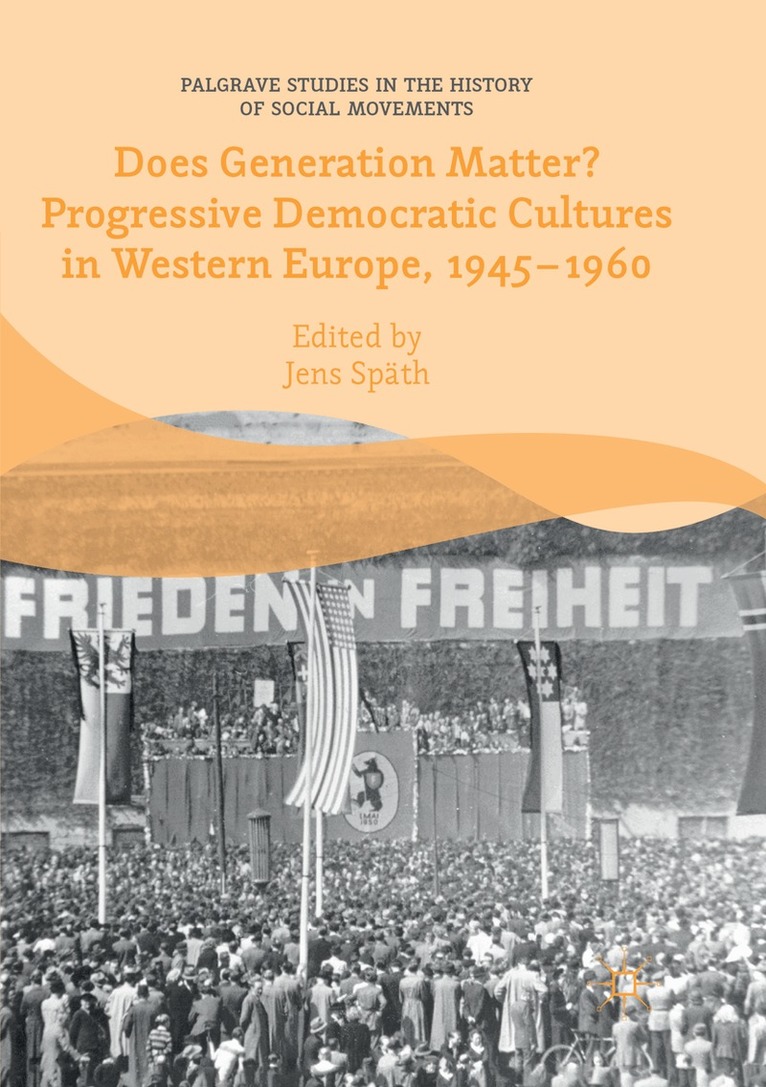
“Generation” has become a central concept of cultural, historical and social studies. This book analyses how this concept is currently used and how it relates to memory and constructions of historical meaning from educational, historical, legal and political perspectives. Attempts to compare different national generations or to elaborate boundary-crossing, transnational generations still constitute an exception. In trying to fill this gap, this collection of essays concentrates on one crucial moment of “the age of extremes” and on one specific generation: the year 1945 and its progressive politicians and intellectuals. Focusing on Italy, West Germany and France, it suggests that the concept of generation should be regarded as an open question in space and time. Therefore, this volume asks what role generation played in the intellectual and political debates of 1945: if it facilitated change, if it served as source of solidarity and cohesion and how post-war societies organized theirtime.
Del 147 - Bibliothek des Deutschen Historischen Instituts in Rom
Wie Umgehen Mit Faschismus Und Nationalsozialismus?: Erfahrungen, Erwartungen Und Erinnerungen Italienischer, Deutscher Und Französischer Sozialisten
Inbunden, Tyska, 2024
2 163 kr
Skickas inom 3-6 vardagar
Inbunden, Engelska, 2018
1 235 kr
Skickas inom 10-15 vardagar
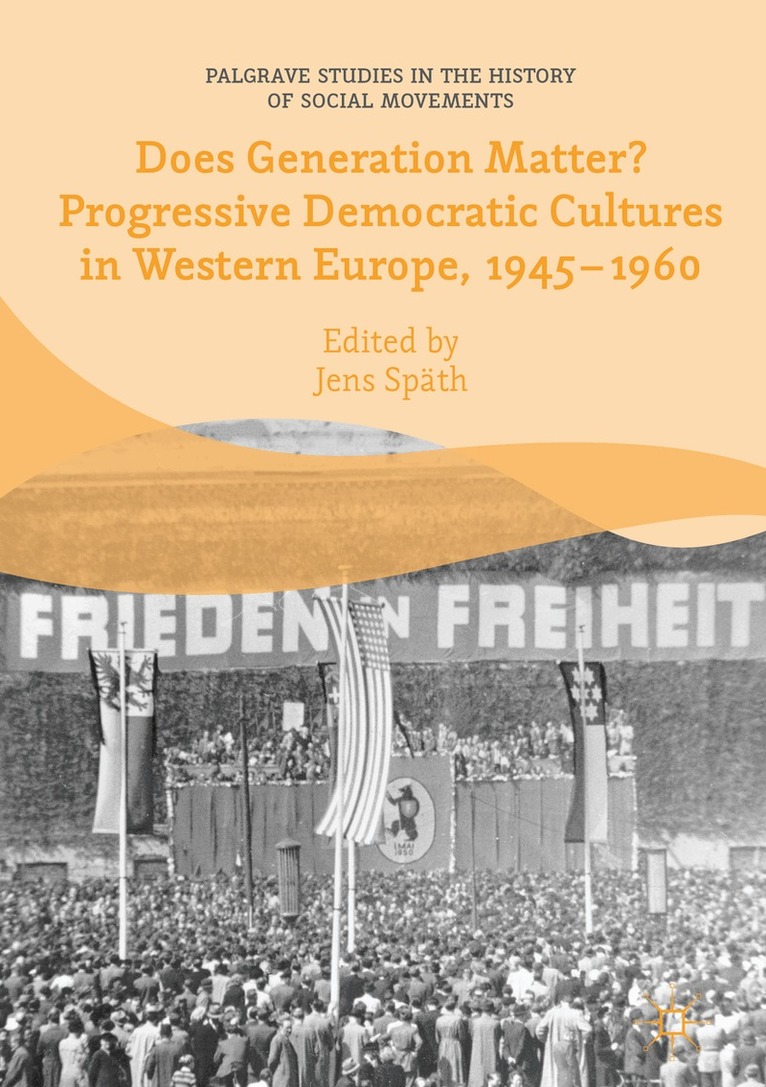
“Generation” has become a central concept of cultural, historical and social studies. This book analyses how this concept is currently used and how it relates to memory and constructions of historical meaning from educational, historical, legal and political perspectives. Attempts to compare different national generations or to elaborate boundary-crossing, transnational generations still constitute an exception. In trying to fill this gap, this collection of essays concentrates on one crucial moment of “the age of extremes” and on one specific generation: the year 1945 and its progressive politicians and intellectuals. Focusing on Italy, West Germany and France, it suggests that the concept of generation should be regarded as an open question in space and time. Therefore, this volume asks what role generation played in the intellectual and political debates of 1945: if it facilitated change, if it served as source of solidarity and cohesion and how post-war societies organized theirtime.