Jerome Branche - Böcker
Visar alla böcker från författaren Jerome Branche. Handla med fri frakt och snabb leverans.
4 produkter
4 produkter
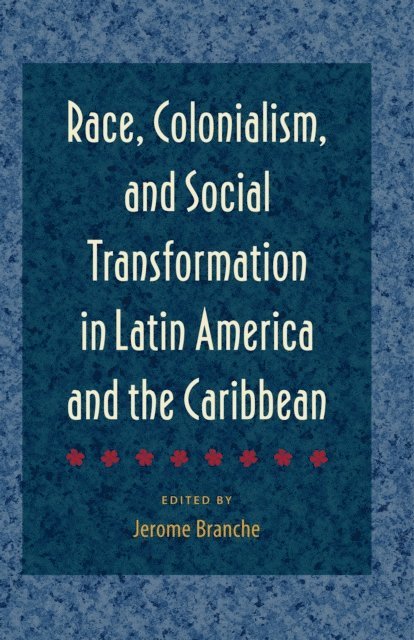
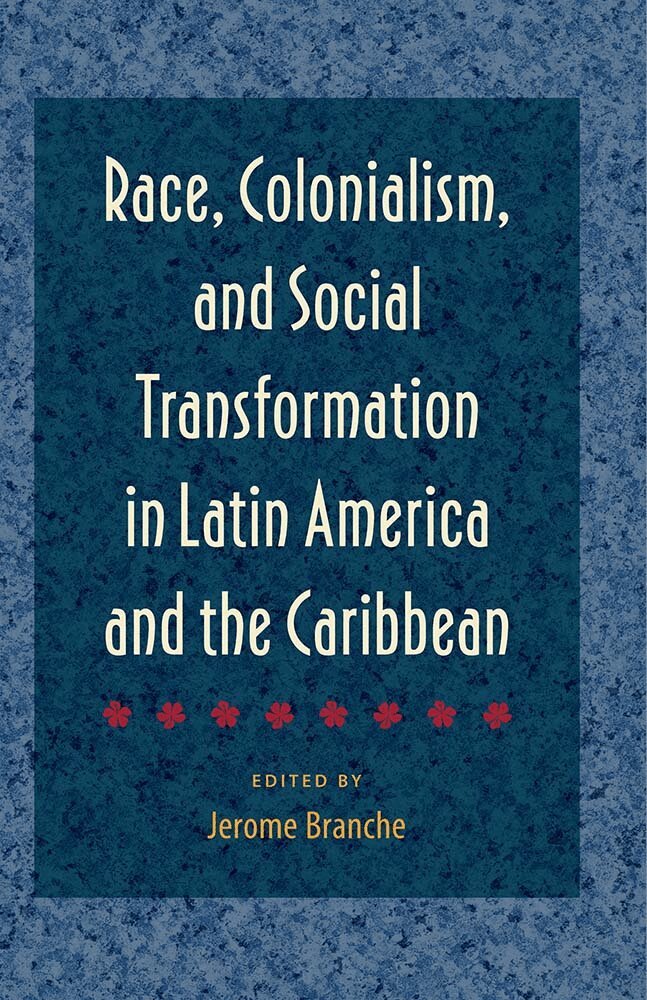
Race, Colonialism, and Social Transformation in Latin America and the Caribbean
Häftad, Engelska, 2019
267 kr
Skickas inom 10-15 vardagar
This collection of essays offers a comprehensive overview of colonial legacies of racial and social inequality in Latin America and the Caribbean. Rich in theoretical framework and close textual analysis, these essays offer new paradigms and approaches to both reading and resolving the opposing forces of race, class, and the power of states.
657 kr
Skickas inom 7-10 vardagar
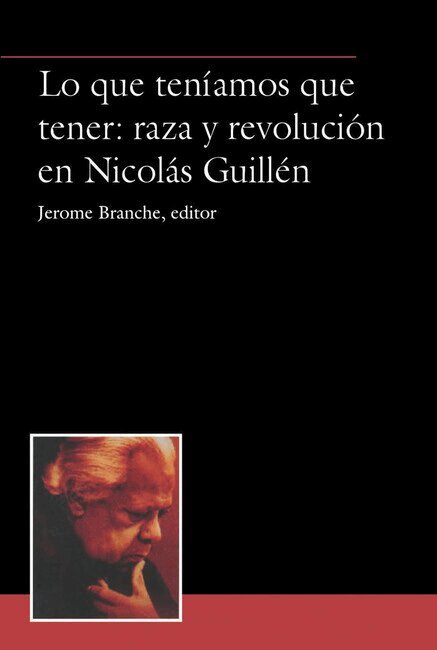
El título de este volumen, Lo que teníamos que tener: raza y revolución en Nicolás Guillén, como perífrasis del célebre verso de Guillén ‘tengo lo que tenía que tener’, encierra de forma nítida los dos hilos centrales de su amplia temática. Por un lado la cuestión racial con toda su complejidad y envergadura socioafectiva y por otro la cuestión de la revolución, tan profunda y provocadora como fue y sigue siendo. Divididos en tres secciones, los ensayos de este volumen comparten todos la premisa de la importancia de la obra de Nicolás Guillén, aun cuando no estén de acuerdo en cuanto a los ejes constitutivos de la misma. La primera sección analiza la historiografía y la crítica guilleneanas, y como su obra llamó la atención de muchos lectores anglófonos en los años setenta. Se destaca como su obra reflejaba el clima político-cultural del momento, su temática antifascista e antiimperialista y a su vez como el profundo humanismo del poeta las trascendencia alcanzando un verdadero valor universal y duradero. La segunda sección trata sobre el tema racial y político de manera más detallada. Guillén tenía una visión transracial que exploraba el juego dialéctico entre la identidad y la otredad reivindicando los valores ideológicos de la revolución cubana. Finalmente, la última sección explora el arte de Guillén al servicio del arte. El son cubano es convertido en poesía a su vez hecha canción. La cultura poética de Guillén tiene seguras y objetivas raíces expresadas tanto en forma musical como en producciones de teatro y cine.~The title of this volume, Lo que teníamos que tener: raza y revolución en Nicolás Guillén, comes from Guillén's famous verse 'I have what I had to have', which clearly encloses the two central themes of his work. On the one hand, the racial question with all its complexity and socio-affective magnitude, and on the other, the question of the revolution, as profound and provocative as it was and continues to be. Spread across three sections, the essays in this volume all share the premise of the importance of Nicolás Guillén's work, even when they disagree as to its constitutive axes. The first section analyzes Guillean historiography and criticism, and how his work caught the attention of many Anglophone readers in the 1970s. It explores how his work reflected the political-cultural climate of the moment, his anti-fascist and anti-imperialist themes and, in turn, how the profound humanism of the poet transcended them, reaching a true universal and lasting value. The second section deals with the racial and political issue in more detail. Guillén had a transracial vision that explored the dialectical game between identity and otherness, vindicating the ideological values of the Cuban revolution. Finally, the last section explores Guillén's art at the service of art. The Cuban son (Cuban sound) is turned into poetry which is then turned into song. Guillén's poetic culture has solid and objective roots expressed both in music, theater and film productions.
657 kr
Skickas inom 7-10 vardagar
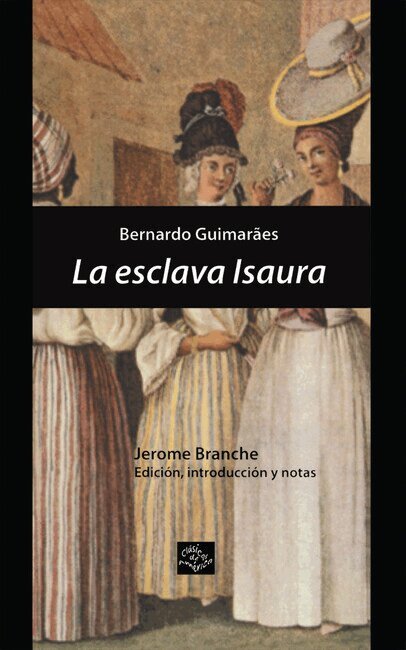
Esta novela de Guimarães narra la historia de emancipación de una mujer esclavizada en el Brasil del primer tercio del siglo XIX y es rescatada por un hombre de la élite que se enamora de ella. Reconocida como una de las pocas novelas de temática abolicionista en el Brasil decimonónico, La esclava Isaura (1875), avanza también la idea del derecho del individuo, aun el esclavizado, al amor y a la dignidad del espíritu, y protesta ante las ideas heredadas de la primacía social de la riqueza y el abolengo, temas que venían reivindicándose desde la literatura renacentista y que habían cobrado un mayor auge con la Ilustración. La contradicción que limita la proyección ideológica liberadora de esta obra de Guimarães, sin embargo, estriba en la temática racial y en la misma definición del abolicionismo. En cuanto el narrador enfatiza que la esclavitud que sufre su heroína mestiza es injusta porque ells es ‘demasiado blanca’ para ser esclavizada, revela una tácita aprobación de la naturalización de la relación entre los llamados negros y la subjetividad esclava. A pesar de su premisa abolicionista, el libro hace caso omiso de las grandes masas de esclavizados africanos y afrocriollos en Brasil. Esta toma de posición pone a Guimarães junto al resto de la intelectualidad brasileña decimonónica con respecto al tema de la esclavitud y contribuye a la narrativización fundacional de la nación.~This novel by Guimarães tells the story of the emancipation of an enslaved woman in Brazil in the first third of the 19th century and is rescued by a wealthy man who falls in love with her. Recognized as one of the few novels with an abolitionist theme in Brazil in the 19th century, La esclava Isaura (Isaura, the slave) (1875), also advances the idea of the right of the individual, even the enslaved, to love and the dignity of their spirit, and protests against the ideas inherited from the social primacy of wealth and ancestry, themes that had been claimed since the literature of the renaissance and that had gained greater momentum with the Enlightenment. The contradiction that limits the liberating ideological projection of this work by Guimarães, however, lies in the racial theme and in the very definition of abolitionism. As the narrator emphasises that the enslavement suffered by his mixed-race heroine is unjust because she is 'too white' to be enslaved, he reveals a tacit approval of the normalisation of the relationship between so-called blacks and slave subjectivity. Despite its abolitionist premise, the book ignores the great masses of enslaved Africans and Afro-Creoles in Brazil. This stance places Guimarães side by side with the rest of the 19th century Brazilian intellectuals regarding the issue of slavery and contributes to forming the founding narrative of the nation.
657 kr
Skickas inom 7-10 vardagar
"Aquí en el Instituto Internacional de Literatura Iberoamericana, nos es motivo de gran honor, a través de nuestra Serie Malunga, poder aprovechar la oportunidad para rendir homenaje al gran poeta Jesús Cos Causse (1945- 2007), con una primera edición globalizante de su poesía, dispersa o repartida como ha estado en varias antologías pequeñas entre 1970 y 2007. Con ésta, ofrecemos a los que se entusiasman por su obra y al público lector dentro y fuera de Cuba una colección del que fuera no sólo poeta, sino también dramaturgo, antologista, periodista y diplomático. Aunque sí cabe enfatizar que, como queda constatado a menudo en sus versos, en los varios aspectos de su quehacer y su trayectoria vitales, es la poesía y aquella postura filosófica estetizante ante la vida la que más lo define."Jerome Branche, ed.~"Here at the International Institue of Iberoamerican Literature, it is a great honor for us, through our Malunga Series, to be able to take the opportunity to pay homage to the great poet Jesús Cos Causse (1945-2007), with a first global edition of his poetry, as it has been so far spread or distributed in various small anthologies between 1970 and 2007. With this, we offer those who are enthusiastic about his work and readers inside and outside Cuba, a collection of works by not only a poet, but also a playwright, anthologist, journalist and diplomat. It is however worth emphasizing that it is his poetry and his aestheticizing philosophical position towards life that most define him, as is often confirmed in his verses, in the various aspects of his life work and career."Jerome Branche, ed.