Jerry D. Spangler – författare
Visar alla böcker från författaren Jerry D. Spangler. Handla med fri frakt och snabb leverans.
3 produkter
3 produkter
Häftad, Engelska, 2013
382 kr
Skickas inom 5-8 vardagar
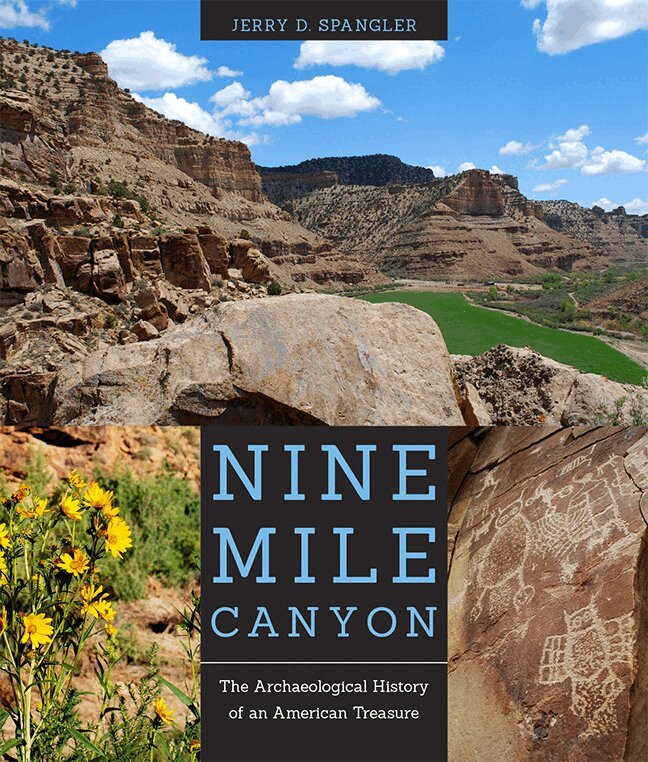
With an estimated 10,000 ancient rock art sites, Nine Mile Canyon has long captivated people the world over. The 45-mile-long canyon, dubbed the “World’s Longest Art Gallery,” hosts what is believed to be the largest concentration of rock art in North America. But rock art is only part of the amazing archaeological fabric that scholars have been struggling to explain for more than a century. Jerry D. Spangler takes the reader on a journey into Nine Mile Canyon through the eyes of the generations of archaeologists who have gone there only to leave bewildered by what it all means. The earliest collectors in the 1890s were determined to recover collections for museums but never much cared to understand the people who left the artefacts. Then came a cadre of young scientists—the first to be trained specifically in archaeology— who found Nine Mile Canyon to be an intriguing laboratory that yielded more questions than answers. Scholars such as Noel Morss, Donald Scott, Julian Steward, John Gillin, and John Otis Brew all left their boot prints there. Today, archaeological research is experiencing another renaissance— a new generation of university-trained archaeologists is determined to unravel the mystery of Nine Mile Canyon using scientific tools and techniques that were unavailable to past generations. Through the words and thoughts of the archaeologists, as well as the more than 150 photos, readers will come to see Nine Mile Canyon as an American treasure unlike any other. As the first book that is devoted exclusively to the archaeology of this unique place, Nine Mile Canyon will evoke fascination among scholars and the general public alike.
Inbunden, Engelska, 2022
894 kr
Skickas inom 5-8 vardagar
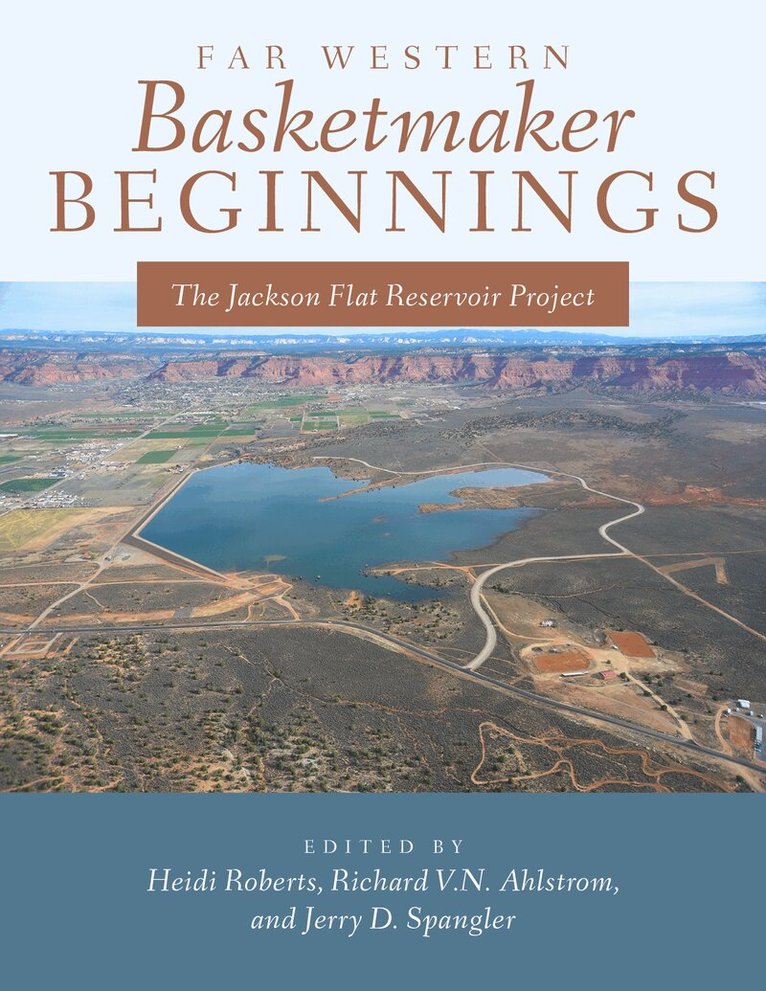
The Basketmaker presence in southern Utah has traditionally been viewed as peripheral to developments originating in the Four Corners region. Far Western Basketmaker Beginnings offers an entirely new and provocative perspective—that the origins of farming on the northern Colorado Plateau are instead found far to the west along Kanab Creek.This volume, based on the results of excavations at Jackson Flat Reservoir south of Kanab, examines a litany of firsts: the earliest Archaic pithouses ever found in this region, evidence that maize farmers arrived here a thousand years earlier than previously reported, and the emergence of a complex Basketmaker farming and foraging culture. Specialists in Far Western Puebloan culture, architecture, settlement patterns, subsistence, chronometry, and prehistoric technologies make a compelling case that farming was introduced to the region by San Pedro immigrants, and that the blending of farmers with local foraging groups gave rise to a Basketmaker lifeway by 200 BC. This book marks a giant leap forward in archaeologists’ understanding of the earliest maize farmers north and west of the Colorado River.
Häftad, Engelska, 2025
422 kr
Skickas inom 3-6 vardagar
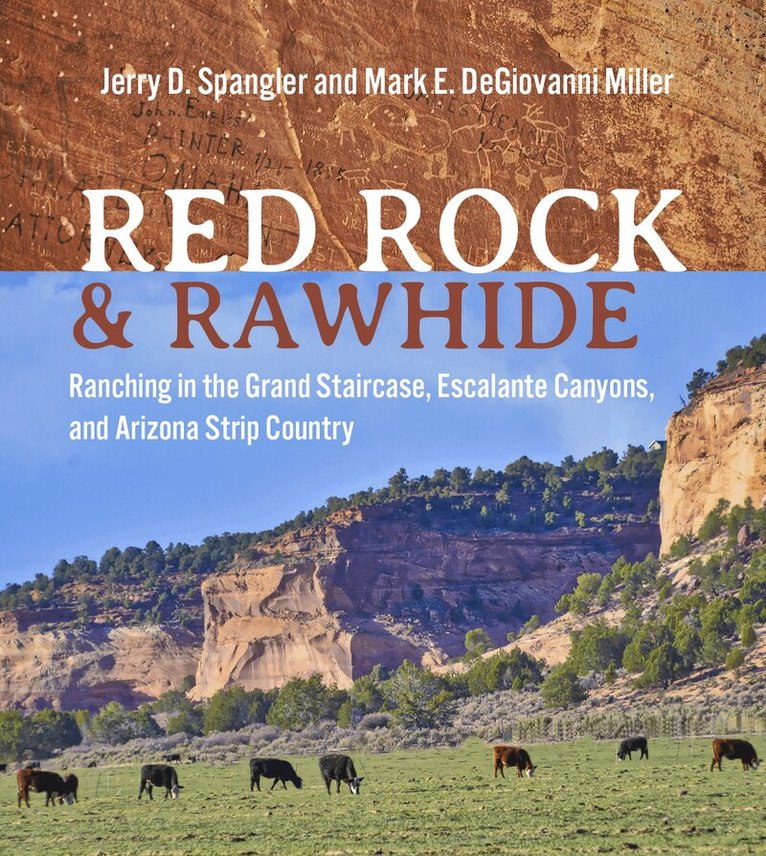
The red rock country of southern Utah, though used for many things, has for more than a century been synonymous with livestock ranching. Federal ownership and management of public lands there have led generations of socially isolated ranchers to mistrust federal officials and exhibit outright hostility toward environmentalists intent on removing livestock from the range, culminating in fierce rhetoric over the future of the American West.Today, the relatively few cattle ranchers who continue to operate in southern Utah are part of a complex political and social mix of peoples and interests, as Indigenous nations, environmentalists, politicians, and tourists all have differing positions on land use in the region. In Red Rock and Rawhide, Jerry D. Spangler and Mark E. DeGiovanni Miller provide the first comprehensive examination of the history of livestock grazing in the Grand Staircase-Escalante National Monument and surrounding areas, drawing on years of research to show how the culture and industry have changed and continue to evolve.