J.G. Rarity – författare
Visar alla böcker från författaren J.G. Rarity. Handla med fri frakt och snabb leverans.
3 produkter
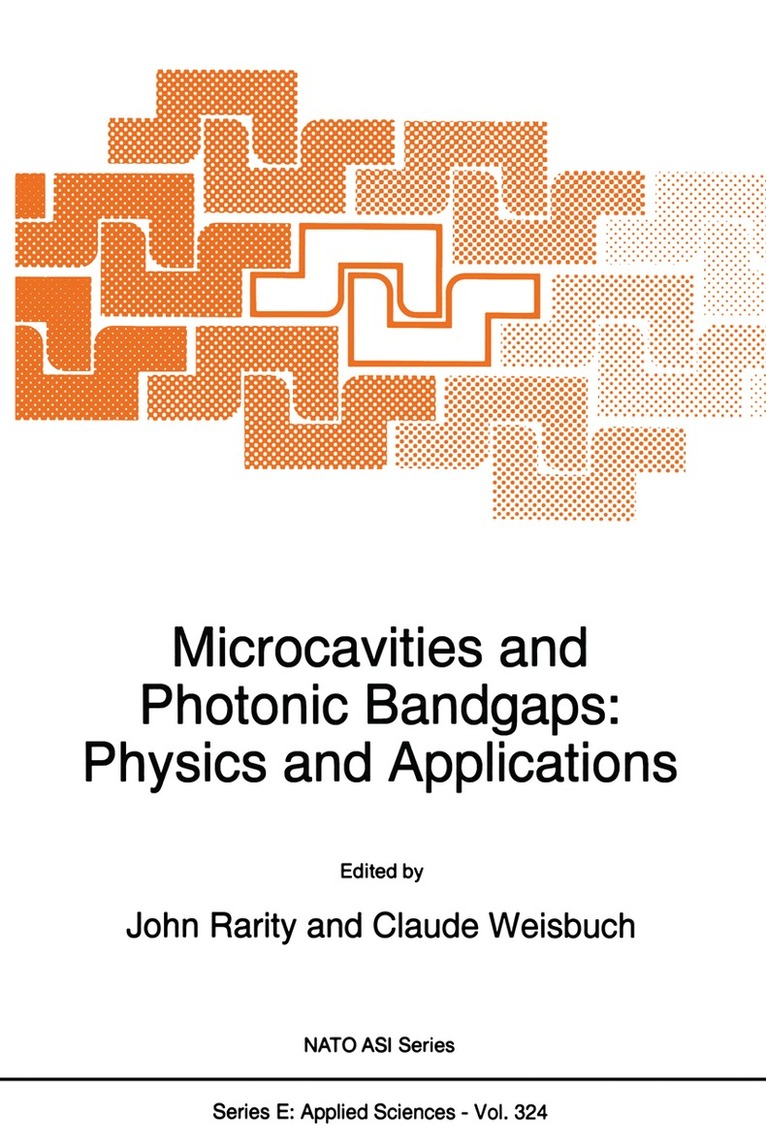
Microcavities and Photonic Bandgaps: Physics and Applications
Av J.G. Rarity, Claude Weisbuch
Inbunden, 1996
3274 kr
Lägg i varukorg
The control of optical modes in microcavities or in photonic bandgap (PBG) materials is coming of age! Although these ideas could have been developed some time ago, it is only recently that they have emerged, due to advances in both atomic physics and in fabrication techniques, be it on the …
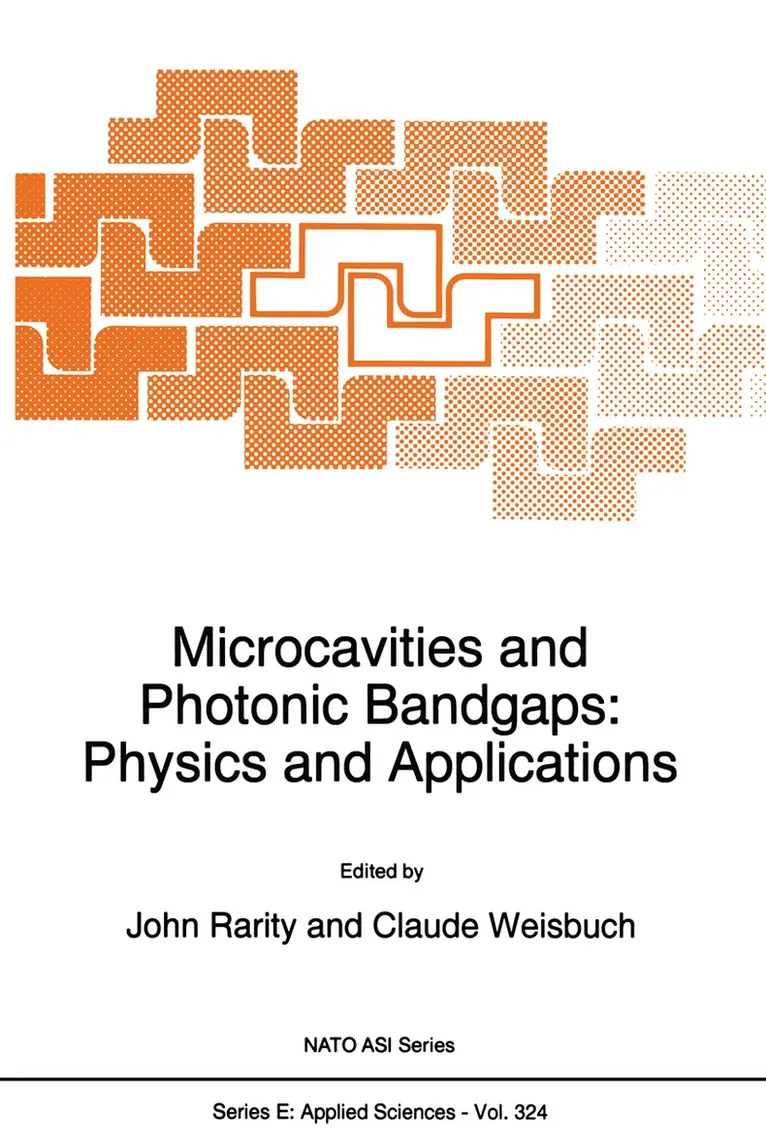
Microcavities and Photonic Bandgaps: Physics and Applications
Av Claude Weisbuch, J.G. Rarity
E-bok, 2012
4066 kr
Lägg i varukorg
The control of optical modes in microcavities or in photonic bandgap (PBG) materials is coming of age! Although these ideas could have been developed some time ago, it is only recently that they have emerged, due to advances in both atomic physics and in fabrication techniques, be it on the …
Microcavities and Photonic Bandgaps: Physics and Applications
Av J.G. Rarity, Claude Weisbuch
Häftad, 2011
3274 kr
Lägg i varukorg
The control of optical modes in microcavities or in photonic bandgap (PBG) materials is coming of age! Although these ideas could have been developed some time ago, it is only recently that they have emerged, due to advances in both atomic physics and in fabrication techniques, be it on the …