Jillian Hogan - Böcker
Visar alla böcker från författaren Jillian Hogan. Handla med fri frakt och snabb leverans.
3 produkter
3 produkter
378 kr
Skickas inom 7-10 vardagar
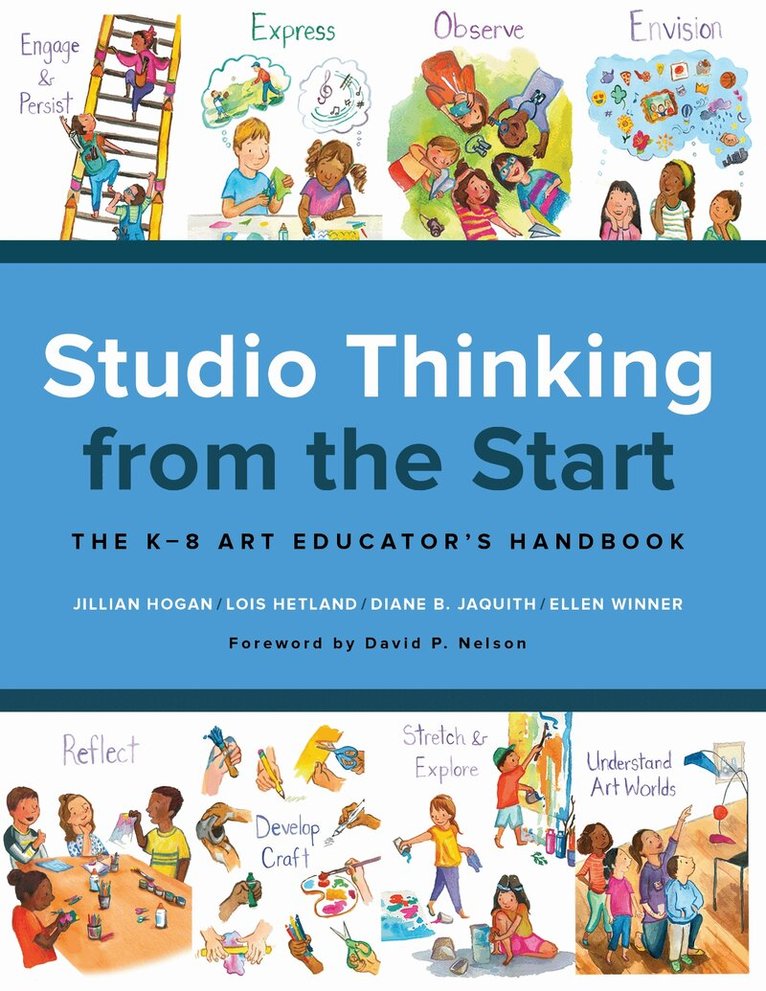
Students of all ages can learn to think like artists! Studio Thinking: The Real Benefits of Visual Arts Education changed the conversation about quality arts education. Now, a decade later, this new publication shows how the eight Studio Habits of Mind and four Studio Structures can be used successfully with younger students in a range of socioeconomic contexts and school environments.Book Features:Habit-by-habit definitions, classroom examples, and related visual artist exemplars emphasizing contemporary artists.Full color mini-posters teachers can hang in their classrooms to illustrate each of the eight Studio Habits of Mind.Sample templates for students to use as they plan, reflect upon, and talk about works of art.Innovative approaches to assessment and strategies for implementation.Photos throughout the book of Studio Thinking signage and activities, students making art, and student artworks.Suggestions for using Studio Thinking for arts education advocacy.COMPANION VOLUME? Studio Thinking 2: The Real Benefits of Visual Arts Education, Second Edition, Lois Hetland, Ellen Winner, Shirley Veenema, and Kimberly M. Sheridan.
1 362 kr
Kommande
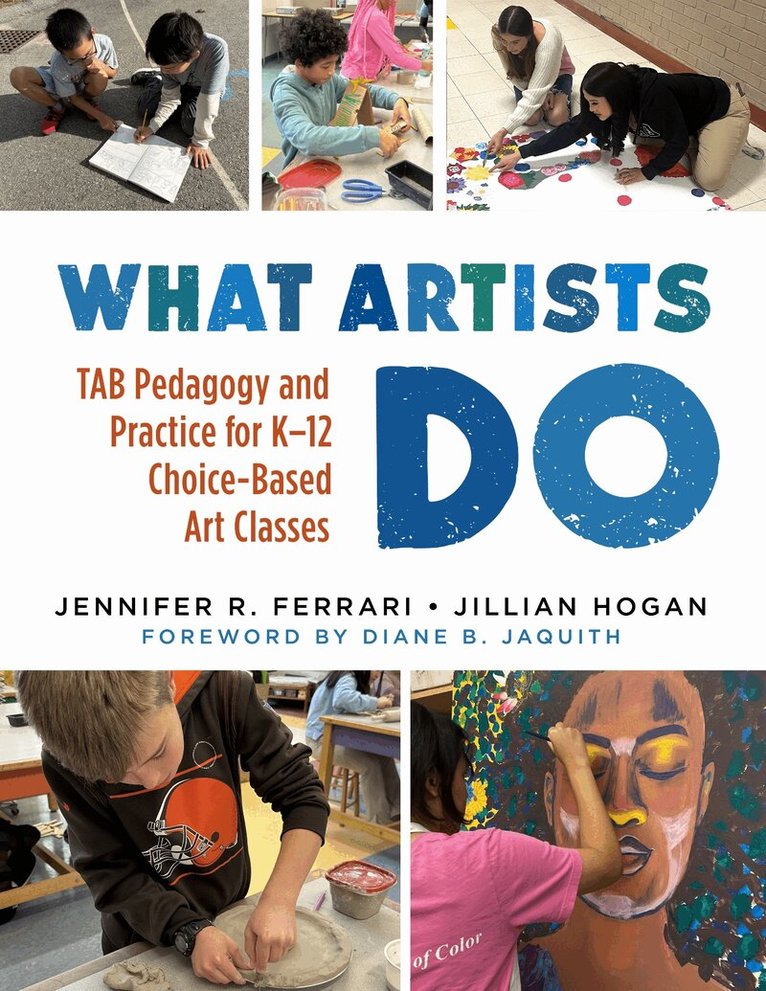
This book explains why Teaching for Artistic Behavior (TAB) is an influential art education movement, addresses misconceptions about TAB, and shares real-life examples from practicing teachers.With a diverse range of examples from teachers and school districts who use the Teaching for Artistic Behavior (TAB) approach, What Artists Do provides a strong argument for the place of TAB in today’s K–12 visual arts education landscape. After beginning in the 1970s as a grassroots movement, TAB’s growth has been fueled by passionate teachers sharing ideas through social media, conferences, workshops, and professional development events. TAB’s continued expansion is driven by its student-centered approach to artmaking, the creativity of its practitioners, and a growing demand for educational models that prioritize innovation and self-direction. With chapters tailored for a wide audience—including experienced and new art teachers, administrators, and teacher educators—this book serves as a practical resource for understanding and implementing TAB in art rooms everywhere.Book Features:Includes over 40 full-color images of student artwork, classroom resources, and art teachers practicing in their studiosOffers ideas and guidance for using a choice-based approach to visual arts education that values student agency, classroom community, and artistic process and thinking.Cites evidence-based research that supports TAB as a best practice in contemporary art education and explains the psychological underpinnings of choice and student engagement.Addresses the growth of this approach over the past 50 years, as well as TAB's place in the historical evolution of art education.
459 kr
Kommande
This book explains why Teaching for Artistic Behavior (TAB) is an influential art education movement, addresses misconceptions about TAB, and shares real-life examples from practicing teachers.With a diverse range of examples from teachers and school districts who use the Teaching for Artistic Behavior (TAB) approach, What Artists Do provides a strong argument for the place of TAB in today’s K–12 visual arts education landscape. After beginning in the 1970s as a grassroots movement, TAB’s growth has been fueled by passionate teachers sharing ideas through social media, conferences, workshops, and professional development events. TAB’s continued expansion is driven by its student-centered approach to artmaking, the creativity of its practitioners, and a growing demand for educational models that prioritize innovation and self-direction. With chapters tailored for a wide audience—including experienced and new art teachers, administrators, and teacher educators—this book serves as a practical resource for understanding and implementing TAB in art rooms everywhere.Book Features:Includes over 40 full-color images of student artwork, classroom resources, and art teachers practicing in their studiosOffers ideas and guidance for using a choice-based approach to visual arts education that values student agency, classroom community, and artistic process and thinking.Cites evidence-based research that supports TAB as a best practice in contemporary art education and explains the psychological underpinnings of choice and student engagement.Addresses the growth of this approach over the past 50 years, as well as TAB's place in the historical evolution of art education.