Jim Smyth – författare
Visar alla böcker från författaren Jim Smyth. Handla med fri frakt och snabb leverans.
13 produkter
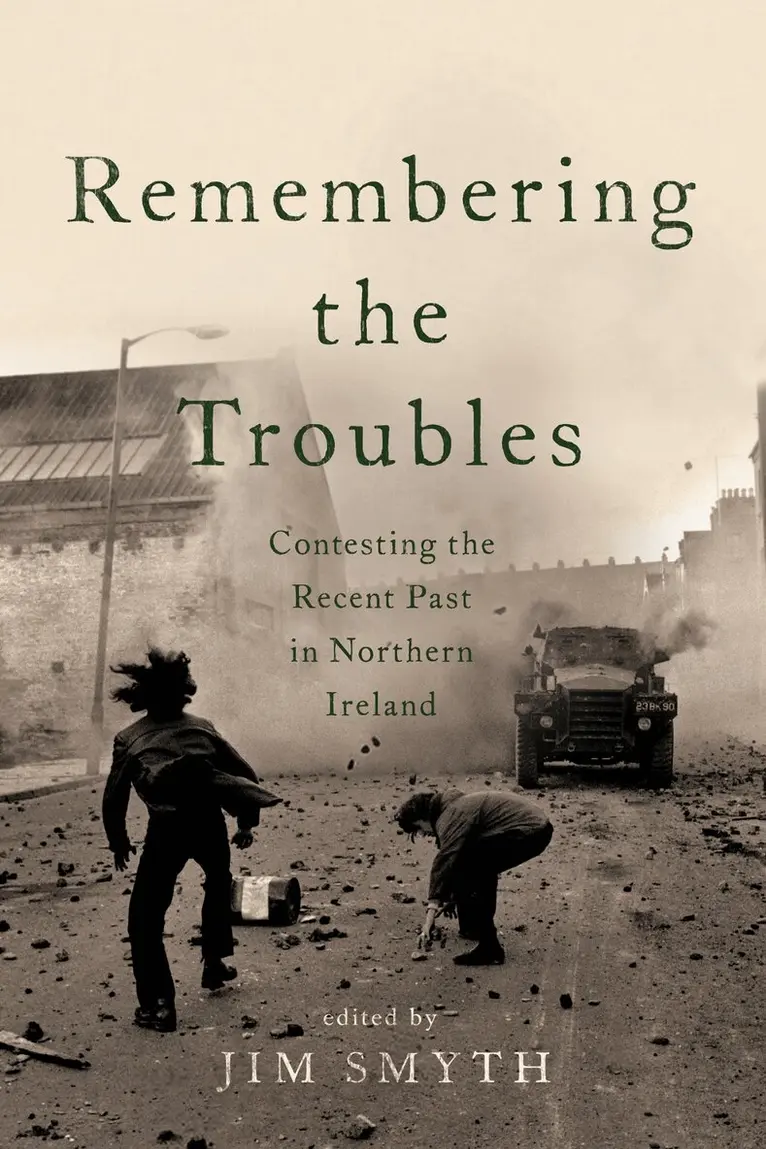
Remembering the Troubles
Contesting the Recent Past in Northern Ireland
Av Jim Smyth
Inbunden, 2017
749 kr
Lägg i varukorg
The historian A. T. Q. Stewart once remarked that in Ireland all history is applied history—that is, the study of the past prosecutes political conflict by other means. Indeed, nearly twenty years after the 1998 Belfast Agreement, "dealing with the past" remains near the top of the political agenda …
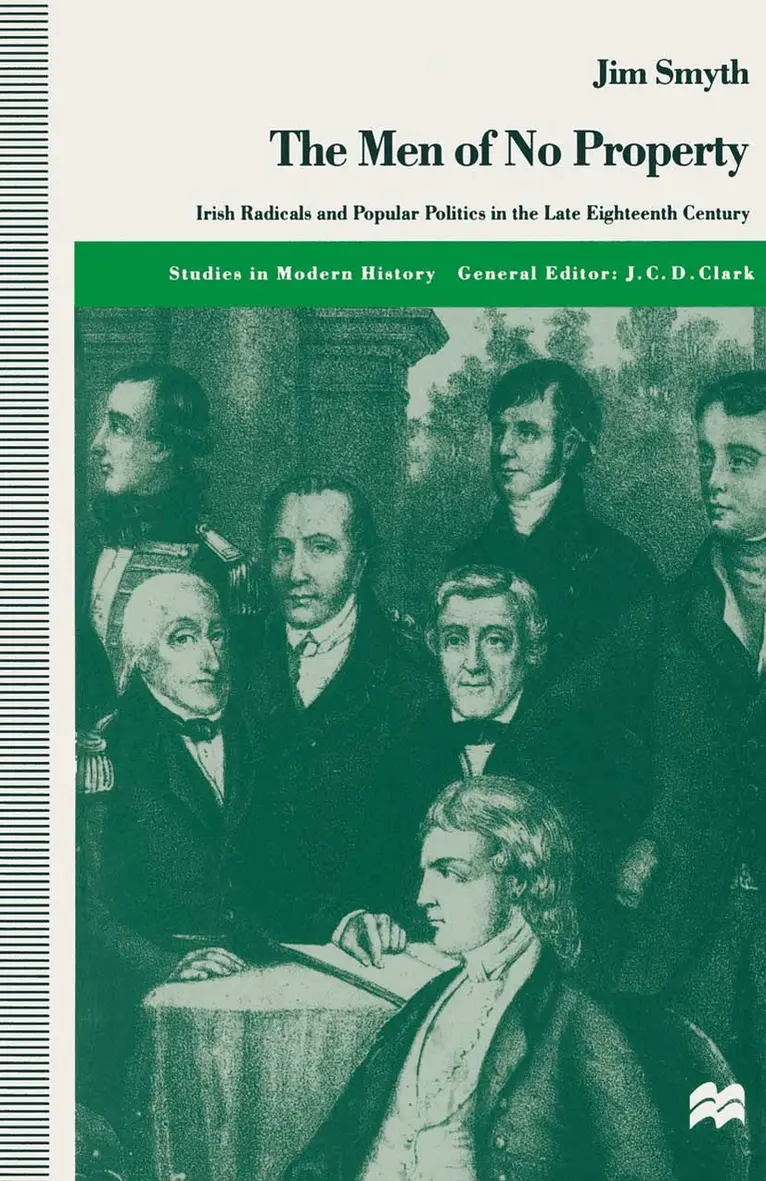
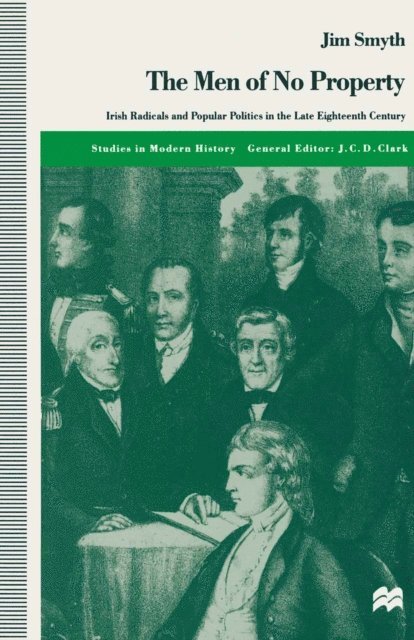
Men of No Property
Av Jim Smyth
Häftad, 1998
622 kr
Lägg i varukorg
The paperback edition of the extremely popular The Men of No Property is a study of the popular dimensions of Irish radicalism in the age of the French revolution. It focuses on the lower-class secret society, the Defenders, and the more familiar face of radicalism in this period, the Society of …
Revolution, Counter-Revolution and Union
Ireland in the 1790s
Av Jim Smyth
Häftad, 2011
754 kr
Lägg i varukorg
The study of Ireland in the explosive decade of the 1790s is a growing area in the study of Irish history. Historians generally focus on on the radical and revolutionary United Irish movement, popular politics, and the lower-class secret society, the Defenders. This volume of essays explores United …
Revolution, Counter-Revolution and Union
Ireland in the 1790s
Av Jim Smyth
Inbunden, 2001
1677 kr
Lägg i varukorg
The study of Ireland in the explosive decade of the 1790s is a growing area in the study of Irish history. Historians generally focus on on the radical and revolutionary United Irish movement, popular politics, and the lower-class secret society, the Defenders. This volume of essays explores United …
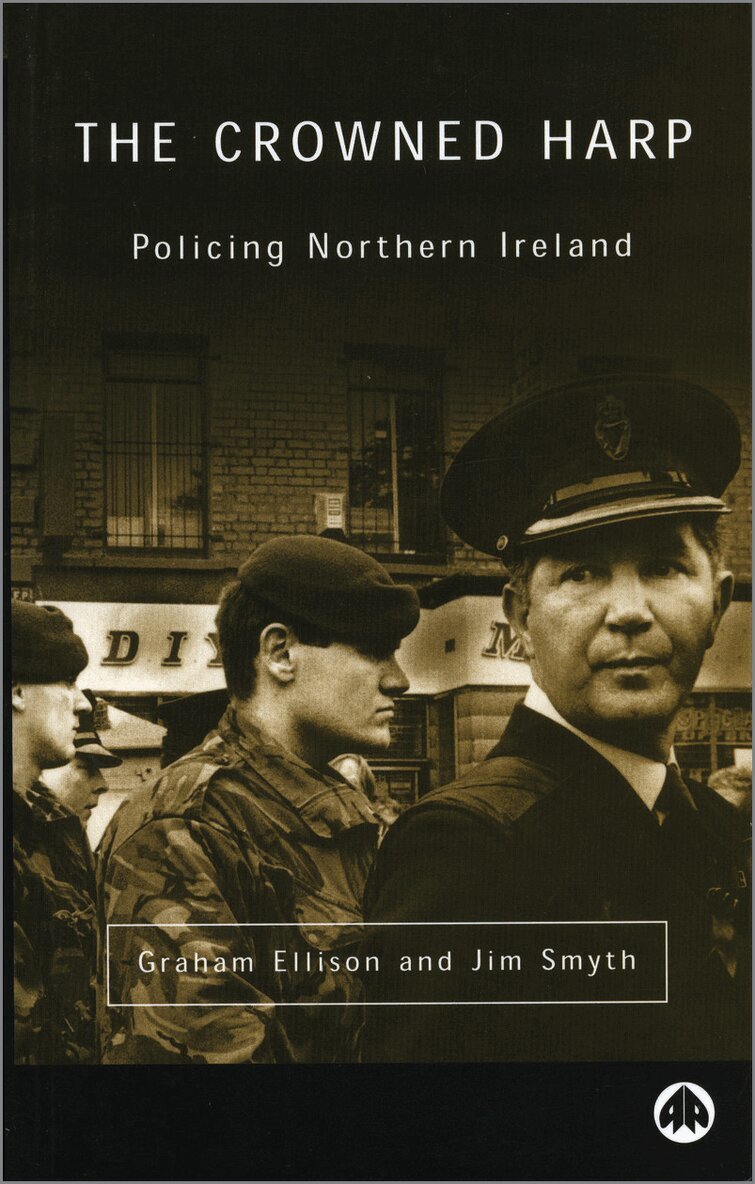
Crowned Harp
Policing Northern Ireland
Häftad, 2000
332 kr
Lägg i varukorg
This book is a detailed analysis of policing in Northern Ireland. Tracing its history from 1922, Ellison and Smyth portray the Royal Ulster Constabulary (RUC) as an organisation burdened by its past as a colonial police force. They analyse its perceived close relationship with unionism and why, for …
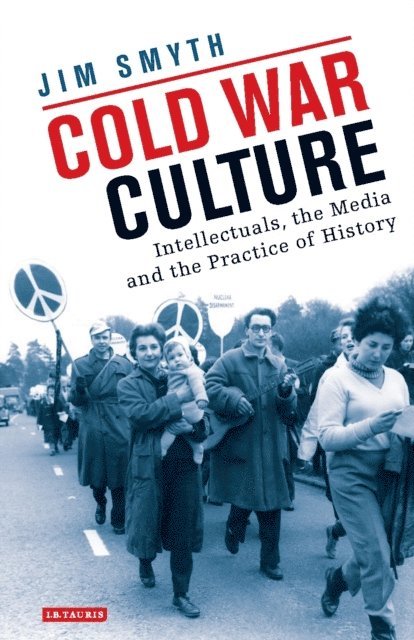
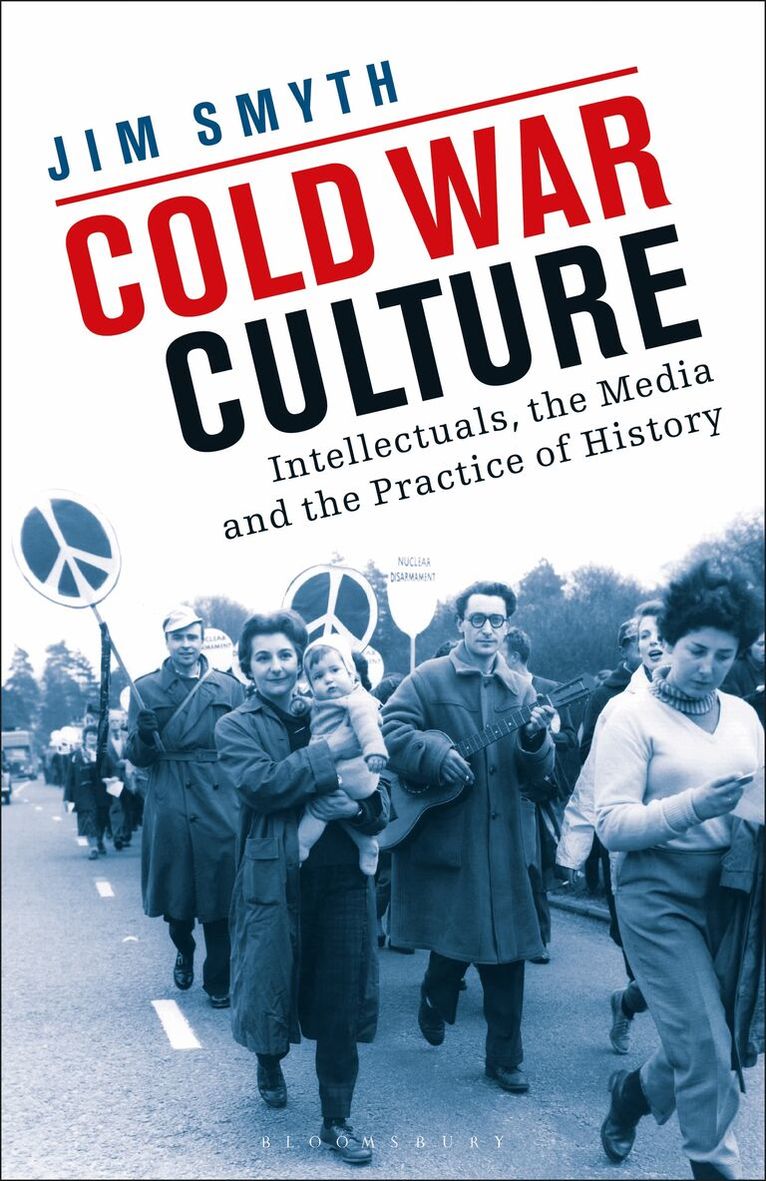
Cold War Culture
Intellectuals, the Media and the Practice of History
Av Jim Smyth
E-bok, 2016
534 kr
Lägg i varukorg
Britain in the 1950s had a distinctive political and intellectual climate. It was the age of Keynesianism, of welfare state consensus, incipient consumerism, and, to its detractors - the so-called 'Angry Young Men' and the emergent New Left - a new age of complacency. While Prime Minister Harold …
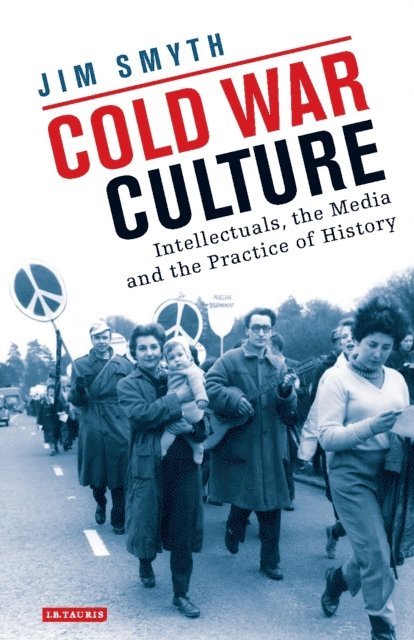
Cold War Culture
Intellectuals, the Media and the Practice of History
Av Jim Smyth
E-bok, 2016
546 kr
Lägg i varukorg
Britain in the 1950s had a distinctive political and intellectual climate. It was the age of Keynesianism, of welfare state consensus, incipient consumerism, and, to its detractors - the so-called 'Angry Young Men' and the emergent New Left - a new age of complacency. While Prime Minister Harold …
Men of No Property
Av Jim Smyth
E-bok, 1998
892 kr
Lägg i varukorg
The paperback edition of the extremely popular The Men of No Property is a study of the popular dimensions of Irish radicalism in the age of the French revolution. It focuses on the lower-class secret society, the Defenders, and the more familiar face of radicalism in this period, the Society of …
Cold War Culture
Intellectuals, the Media and the Practice of History
Av Jim Smyth
Häftad, 2020
501 kr
Lägg i varukorg
Britain in the 1950s had a distinctive political and intellectual climate. It was the age of Keynesianism, of welfare state consensus, incipient consumerism, and, to its detractors - the so-called 'Angry Young Men' and the emergent New Left - a new age of complacency. While Prime Minister Harold …
Cold War Culture
Intellectuals, the Media and the Practice of History
Av Jim Smyth
Inbunden, 2016
2043 kr
Lägg i varukorg
Britain in the 1950s had a distinctive political and intellectual climate. It was the age of Keynesianism, of welfare state consensus, incipient consumerism, and, to its detractors - the so-called 'Angry Young Men' and the emergent New Left - a new age of complacency. While Prime Minister Harold …
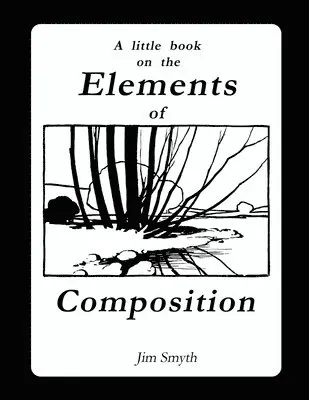
Little Book on the Elements of Composition
Elements of Classical Composition Theory
Häftad, 2024
128 kr
Tillfälligt slut