Joanna M. Williams – författare
Visar alla böcker från författaren Joanna M. Williams. Handla med fri frakt och snabb leverans.
3 produkter
3 produkter
220 kr
Skickas
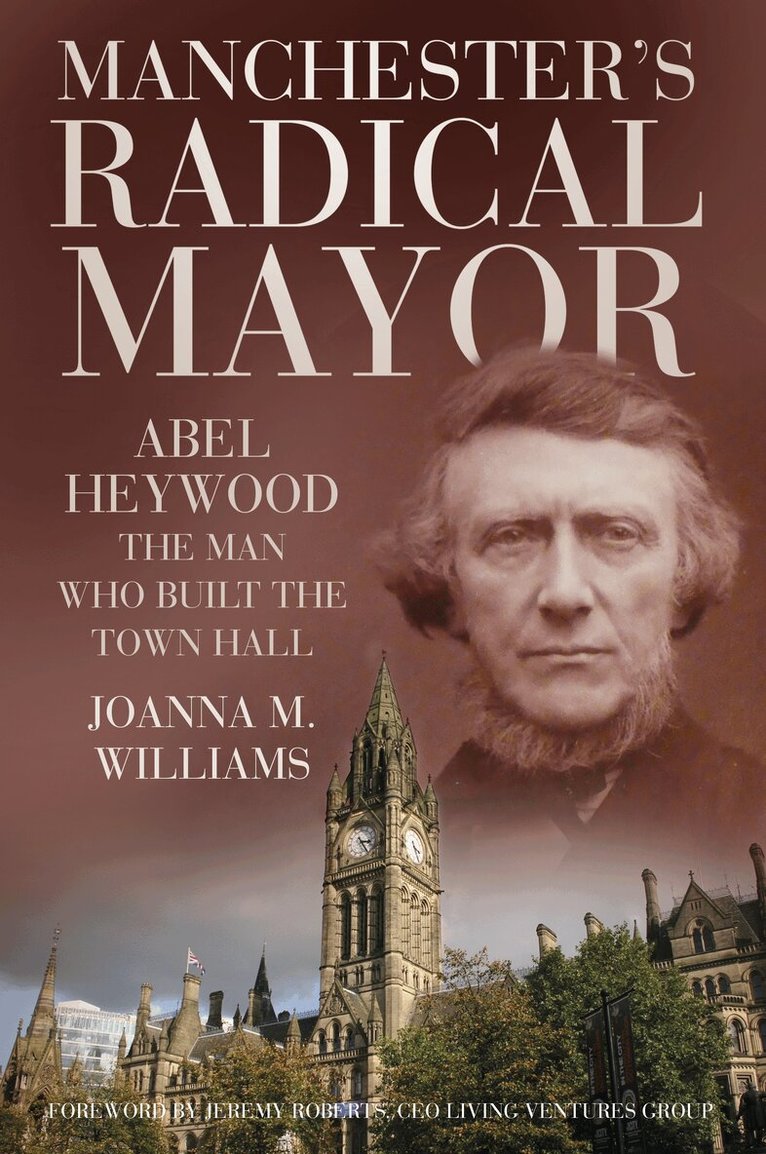
Known in his day as the man who built the Town Hall, Abel Heywood was a leading Manchester publisher who entertained royalty at his home and twice became Mayor of Manchester. Yet before he found success his life was one of poverty and hardship, marked by a prison term in his pursuit of a free press. A campaigner for votes for all and social reform, Heywood attempted to enter Parliament twice, but his working-class origins and radical ideas proved an insurmountable obstacle. As councillor, alderman and mayor, he worked passionately and tirelessly to build the road, railway and tram systems, develop education, improve the provision of hospitals, museums and libraries, better the living conditions of the poor, and make Manchester a great city. Going beyond the experiences of one man, this book explores the wider political, cultural and class context of the Victorian city. It is an honest tale of rags to riches that will appeal to all who wish to discover more about the dramatic history of industrial Manchester and its people.
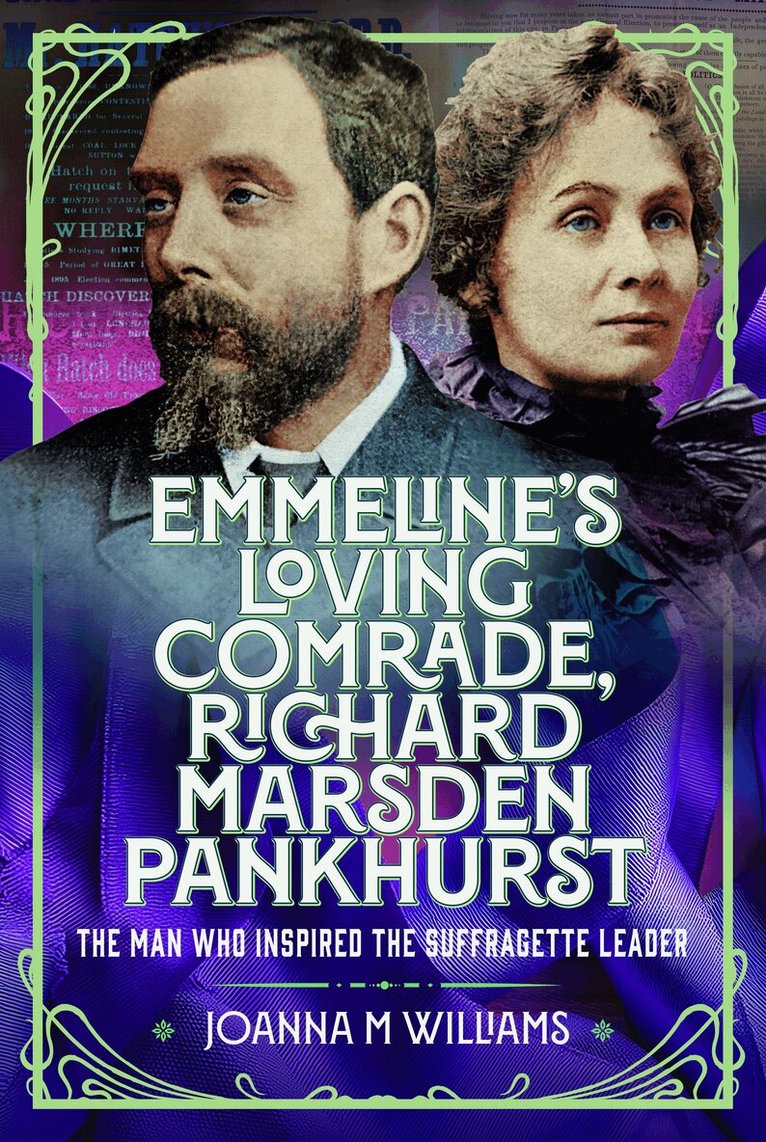
Emmeline's Loving Comrade, Richard Marsden Pankhurst
The Man Who Inspired the Suffragette Leader
Inbunden, Engelska, 2026
273 kr
Skickas
Richard Marsden Pankhurst is an obscure figure, forgotten by history because he has been overshadowed by his dazzling wife, Emmeline, the great leader of the Suffragettes. Yet their partnership as campaigners was a critical element in her development and success. Her reaction to his death in 1898 led to her decision five years later to convene the Women's Social and Political Union, popularly known as the Suffragettes.Richard's intense character and devotion to ideals made him an object of both admiration and derision. He was widely respected as an honest man who put principle before self and party. Yet in worldly terms he was a failure. As a barrister, he should have been able to provide a comfortable home life for his family, but his political extremism hindered success in his career and the family struggled to afford the life to which they aspired. Even as a political campaigner Richard failed in several attempts to enter parliament.Nevertheless his marriage to young and beautiful Emmeline lent him a new glamour and soon resulted in a growing family. He moulded their beliefs and actions, creating a campaigning machine. Women's equality was a significant focus, but so too were the other radical causes they espoused on behalf of the poor, workers, children, and world peace.Emmeline had already begun to take the lead in political activism, due in no small measure to the support of her devoted and unconventional spouse. The startling tactics of the Suffragettes in the early 20th century owed much to the influence of Richard Pankhurst. Later overshadowed by his extraordinary wife and daughters, his memory has been erased, but his story is a vital component in understanding the remarkable Pankhurst women.
257 kr
Skickas
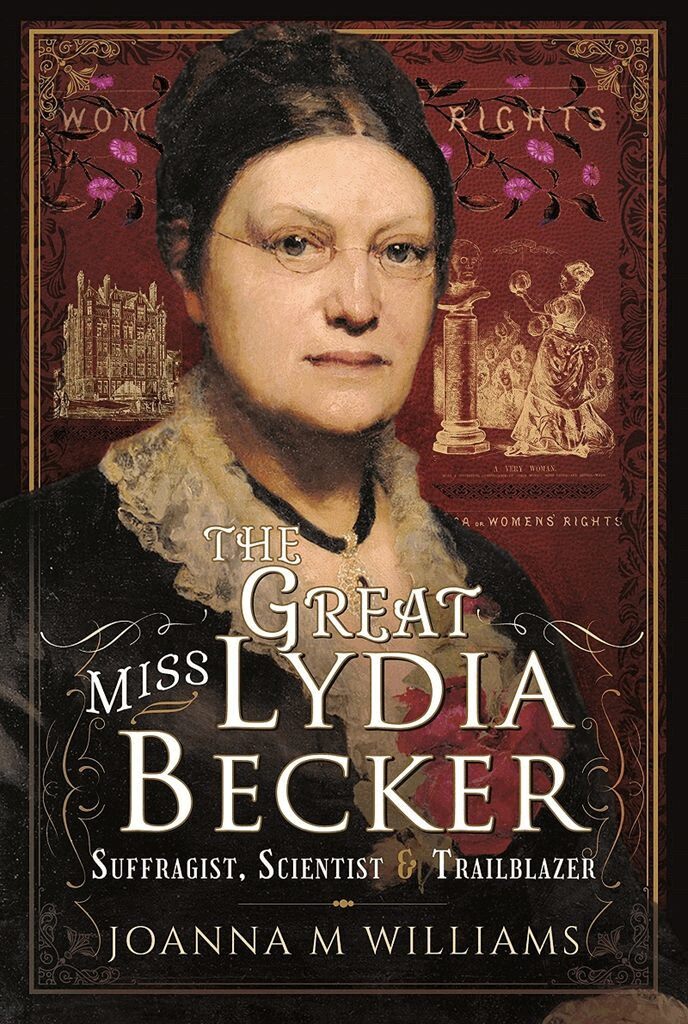
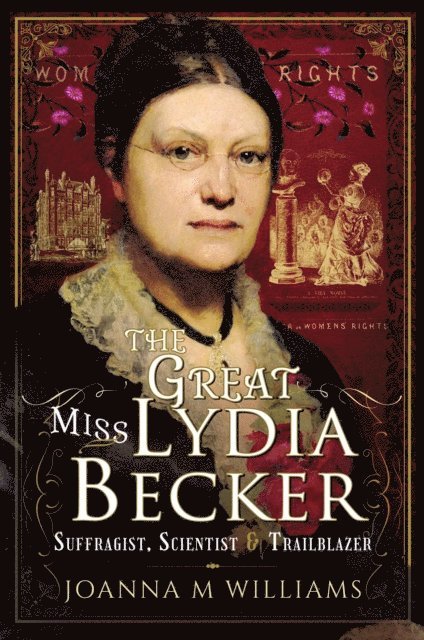
Fifty years before women were enfranchised, a legal loophole allowed a thousand women to vote in the general election of 1868\. This surprising event occurred due to the feisty and single-minded dedication of Lydia Becker, the acknowledged, though unofficial, leader of the women's suffrage movement in the later 19th century.Brought up in a middle-class family as the eldest of fifteen children, she broke away from convention, remaining single and entering the sphere of men by engaging in politics. Although it was considered immoral for a woman to speak in public, Lydia addressed innumerable audiences, not only on women's votes, but also on the position of wives, female education and rights at work. She battled grittily to gain academic education for poor girls, and kept countless supporters all over Britain and beyond abreast of the many campaigns for women's rights through her publication, the Women's Suffrage Journal.Steamrollering her way to Parliament as chief lobbyist for women, she influenced MPs in a way that no woman, and few men, had done before. In the 1860s the idea of women's suffrage was compared in the Commons to persuading dogs to dance; it was dismissed as ridiculous and unnatural. By the time of Lydia's death in 1890 there was an acceptance that the enfranchisement of women would soon happen. The torch was picked up by a woman she had inspired as a teenager, Emmeline Pankhurst, and Lydia's younger colleague on the London committee, Millicent Fawcett. And the rest is history.