
João Miguel Ferreira da Rocha – författare
1 504 kr
Skickas inom 10-15 vardagar
1 413 kr
Läs direkt efter köp
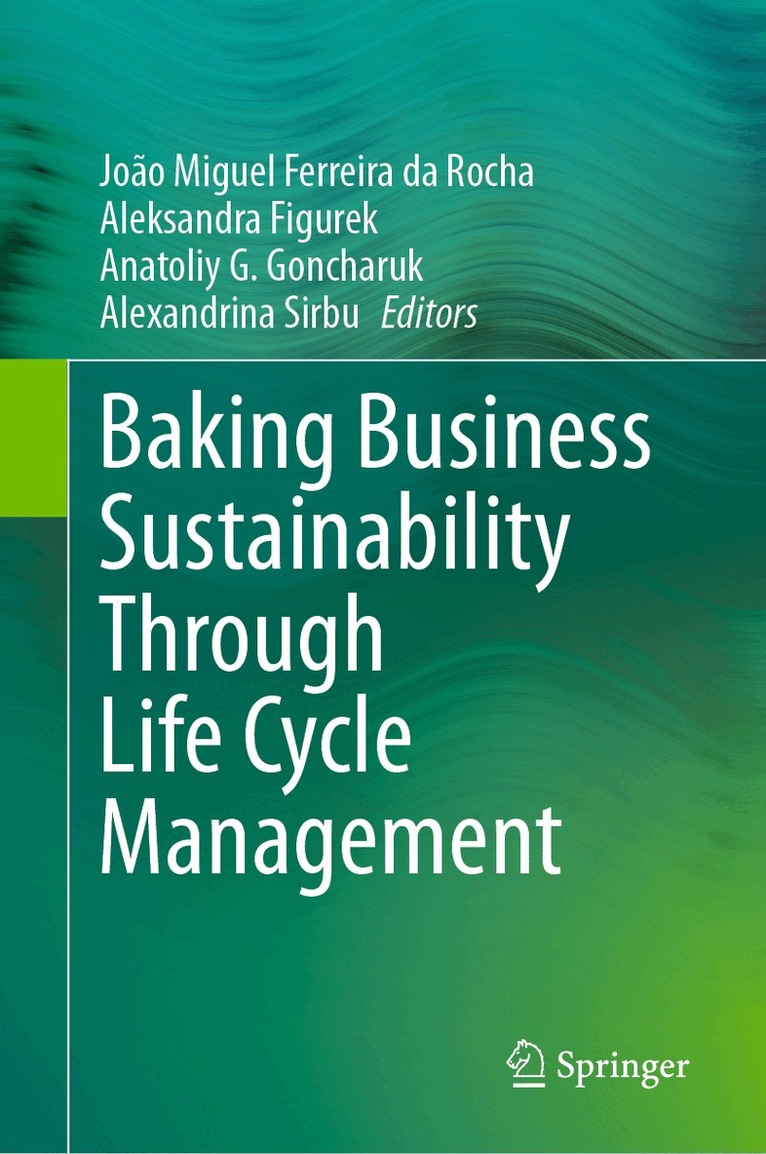
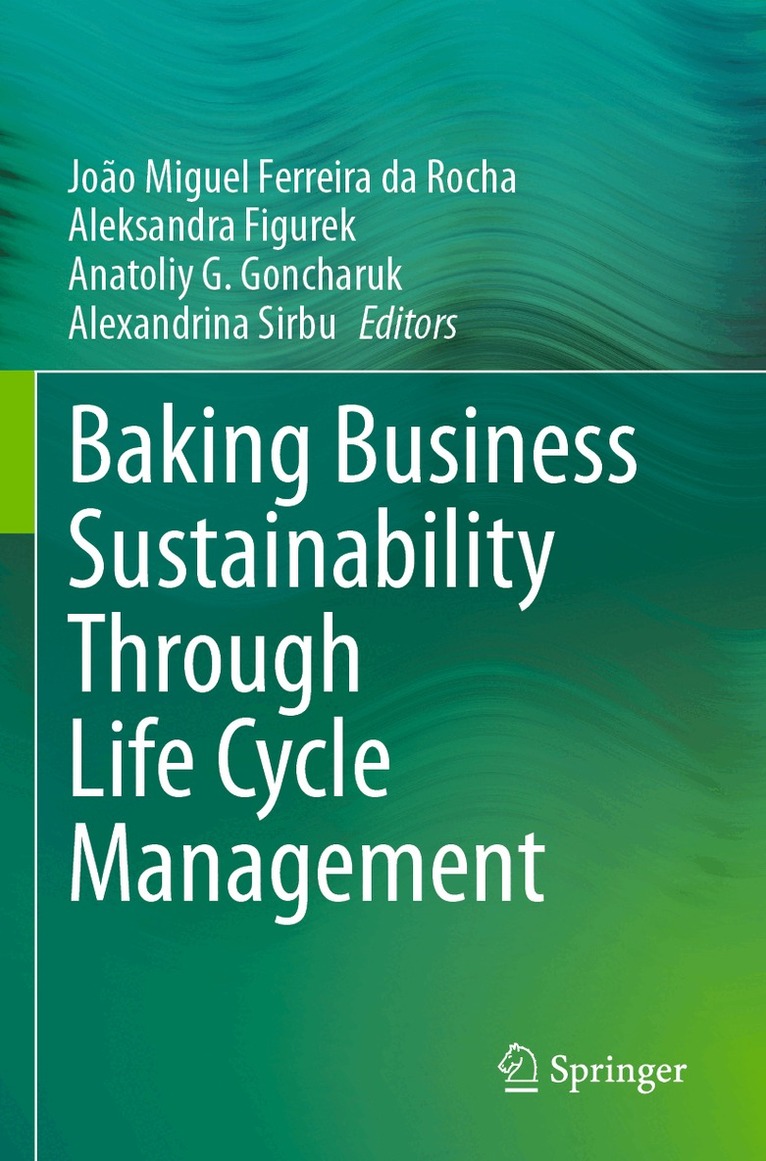
This timely and comprehensive text focuses on important recent advances in applied sustainability in the baking industry, connecting all the current methods and strategies into a single book. Those involved in bread production will find the latest developments at the theoretical and practical levels, including information and communication requirements, reporting and regulatory aspects, economic and environmentally sustainable business models, supply chain management, life cycle assessment, product and organizational environmental footprints and more. For small bakery business owners to industry leaders and policymakers, governmental authorities, regulatory authorities and standardization bodies, this book offers a compilation of technical information about sustainability in the market for the bakery sector.
Baking Business Sustainability Through Life Cycle Management begins by presenting basic information on the life cycle assessment and product environmental footprint of the bread industry, proposing an analysis of sustainability assessment using environmental and social footprints and providing recommendations for integral optimization of economic and environmental performance. A second section focuses on sustainability in the baking industry, providing a regional focus from Europe to the Americas to Africa and beyond. The third section takes a deep look at economic feasibility and efficiency in the bread industry, including the economic viability of different scenarios for bread-based value chains, and forming efficient business models for bakeries. A final section zeroes in on the most up-to-date innovations in the current bakery industry, including the impact of bakery innovation on business resilience growth, commercial systems, and new business models in regional food systems for farmers and companies, based on multi-actor approach.
Innovations within the bakery industry are at an all-time high, with new sustainability and economic models being introduced, along with associated market risks. This timely and ambitious text aims to cover all the most recent advances and methods for successful incorporation into bakery businesses.

648 kr
Skickas inom 5-8 vardagar
1 077 kr
Skickas inom 10-15 vardagar
2 681 kr
Skickas inom 10-15 vardagar
2 524 kr
Läs direkt efter köp
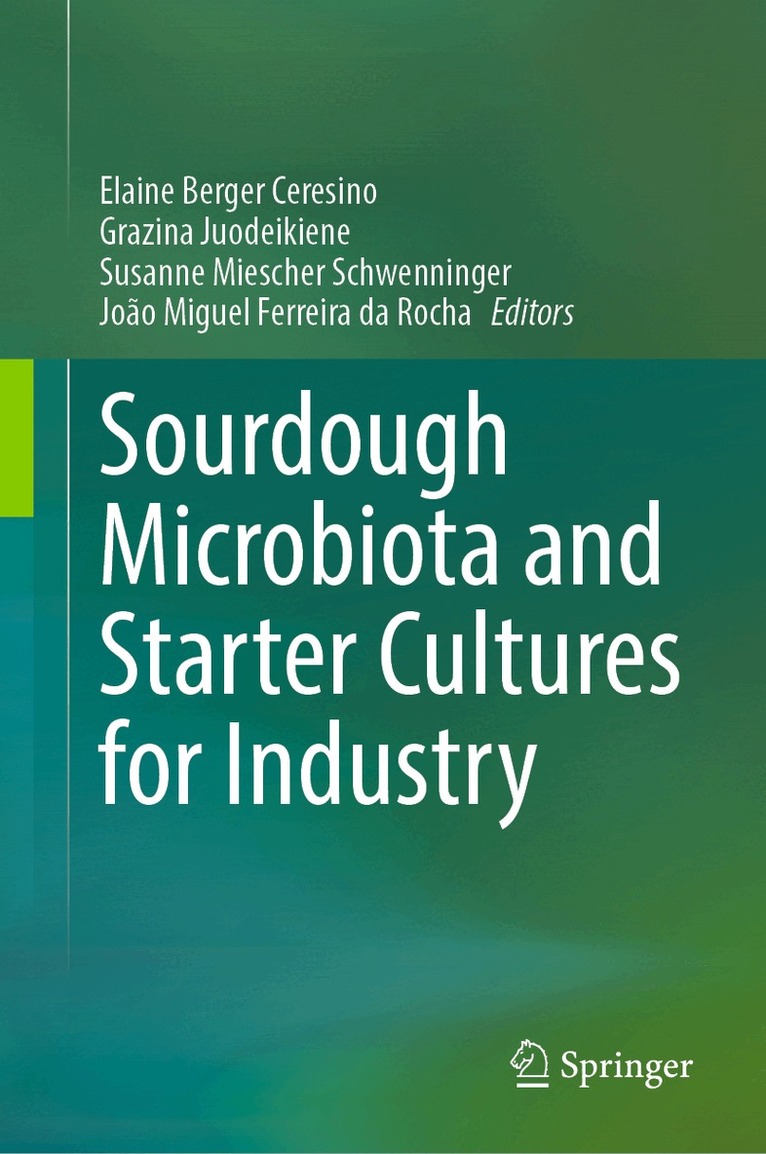
Traditional sourdough bread refers to spontaneous fermentation of cereals by lactic acid bacteria and yeasts, leading to natural selections of microorganisms. The metabolic activity of these microorganisms promotes the formation of organic acids, flavor development and leavening in food matrices, which most know as sourdough bread. This bread is still widely manufactured at farm level across Europe and worldwide, being highly appreciated by consumers for its distinct flavor, texture, healthy attributes and natural origin.
Sourdough bread is expected to grow 6.9% annually through 2023. Once stagnant, the bread market has experienced a revival specifically through sourdough bread consumption. Consumers have been avoiding bread in the recent years due to the presence of extra ingredients such as chemical dough conditioners, preservatives and added sugar. However, the increasing popularity of fermented foods and their multiple health benefits are prompting the growthof sourdough market. This fast-growing market has been demanding a dynamic response from industries producing starter cultures to accelerate sourdough fermented bread production in increasing quantities while keeping its “made-for-you” characteristics. By bringing together top sourdough experts in Europe and beyond, this book compiles the latest knowledge in all areas of sourdough starter culture and advantages in using sourdough fermentation.
Sourdough Microbiota and Starter Cultures for Industry supplies a biosciences’ audience with a hands on view of the latest advances from sourdough microbiota characterization to starter culture potentials targeting industrial application, including specific techno-functional and safety improvements obtained by clean-labeling strategies. Insights on health and improved quality shed light on new shifting consumer preferences and why choosing sourdough fermentation is a great expansion opportunity in one’s portfolio as thescience behind sourdough starter cultures meets improved nutrition-impact opportunities. This text teaches methods to exploit sourdough technology through the entire value chain from sourdough natural microflora through the development of novel starter cultures for producing fermented food, introducing the advantages that sourdough fermentation offers for improving the sensorial, technological and nutritional properties of breads.
1 932 kr
Skickas inom 10-15 vardagar