Joel Perlmann – författare
Visar alla böcker från författaren Joel Perlmann. Handla med fri frakt och snabb leverans.
5 produkter
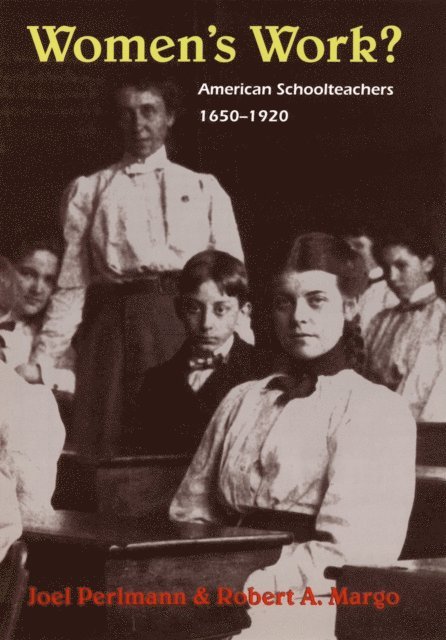
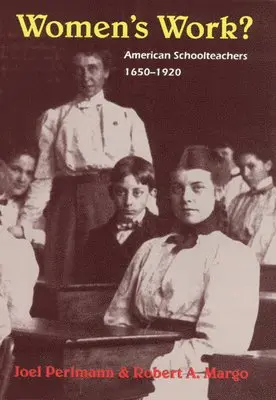
Women's Work?
American Schoolteachers, 1650-1920
Av Robert A. Margo, Joel Perlmann
E-bok, 2001
1061 kr
Lägg i varukorg
American schoolteaching is one of few occupations to have undergone a thorough gender shift yet previous explanations have neglected a key feature of the transition: its regional character. By the early 1800s, far higher proportions of women were teaching in the Northeast than in the South, and …
Immigrants, Schooling and Social Mobility
Does Culture Make a Difference?
Av NA NA, Hans Vermeulen m. fl.
Inbunden, 2000
536 kr
Lägg i varukorg
Immigrants, Schooling and Social Mobility confronts a central issue in the study of immigration and ethnicity of the opposition between culture and structure, and presents a collection of essays that transcend simplistic either/or approaches to this issue. The contributions explore educational and …
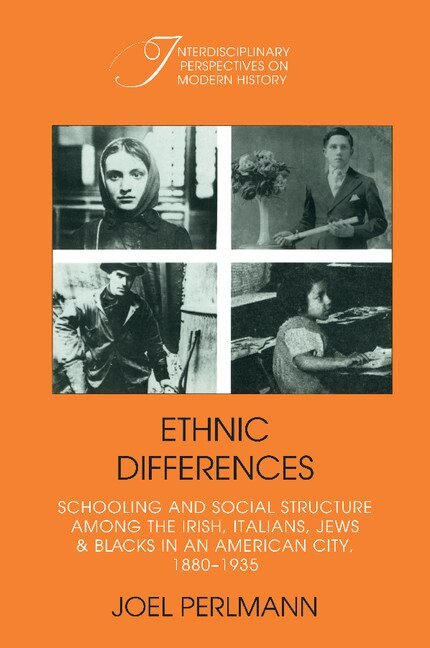
Ethnic Differences
Schooling and Social Structure among the Irish, Italians, Jews, and Blacks in an American City, 1880-1935
Av Joel Perlmann, Robert Fogel
Häftad, 1989
569 kr
Lägg i varukorg
Ethnic Differences, first published in 1989, explores how and why the Irish, Italians, Jews, and blacks of Providence, Rhode Island differed in their schooling and economic success. Drawing on evidence from thousands of students records of public, Catholic, and private schools, as well as on census …
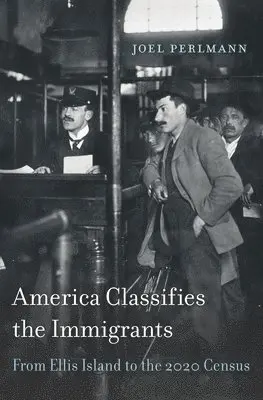
America Classifies the Immigrants
From Ellis Island to the 2020 Census
Inbunden, 2018
523 kr
Lägg i varukorg
When more than twenty million immigrants arrived in the United States between 1880 and 1920, the government attempted to classify them according to prevailing ideas about race and nationality. But this proved hard to do. Ideas about racial or national difference were slippery, contested, and yet …
Women's Work?
American Schoolteachers, 1650-1920
Av Joel Perlmann, Robert A. Margo
Inbunden, 2001
498 kr
Tillfälligt slut
American schoolteaching is one of few occupations to have undergone a thorough gender shift yet previous explanations have neglected a key feature of the transition: its regional character. By the early 1800s, far higher proportions of women were teaching in the Northeast than in the South, and …