Johannes Kananen - Böcker
Visar alla böcker från författaren Johannes Kananen. Handla med fri frakt och snabb leverans.
5 produkter
5 produkter
Conceptualising Public Health
Historical and Contemporary Struggles over Key Concepts
Häftad, Engelska, 2023
651 kr
Skickas inom 10-15 vardagar
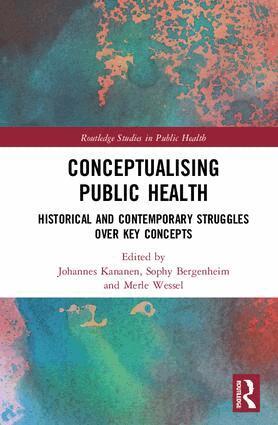
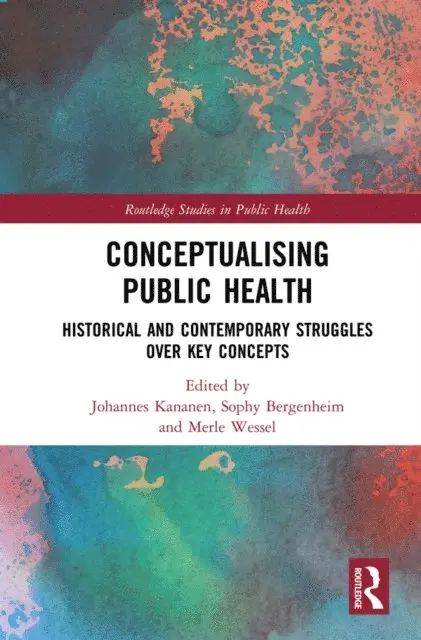
In Germanic and Nordic languages, the term for ‘public health’ literally translates to ‘people’s health’, for example Volksgesundheit in German, folkhälsa in Swedish and kansanterveys in Finnish. Covering a period stretching from the late nineteenth century to the present day, this book discusses how understandings and meanings of public health have developed in their political and social context, identifying ruptures and redefinitions in its conceptualisation. It analyses the multifaceted and interactive rhetorical play through which key concepts have been used as political tools, on the one hand, and shaped the understanding and operating environment of public health, on the other.Focusing on the blurred boundaries between the social and the medico-scientific realms, from social hygiene to population policy, Conceptualising Public Health explores the sometimes contradictory and paradoxical normative aims associated with the promotion of public health. Providing examples from Northern Europe and the Nordic countries, whilst situating them in a larger European and international context, it addresses questions such as: How have public health concepts been used in government and associated administrative practices from the early twentieth century up to the present? How has health citizenship been constructed over time? How has the collective entity of ‘the people’ been associated with and reflected in public health concepts? Drawn from a range of disciplinary backgrounds, the authors collected here each examine a particular way of understanding public health and assess how key actors or phenomena have challenged, altered or confirmed past and present meanings of the concept. Conceptualising Public Health is of interest to students and scholars of health and welfare state development from diverse backgrounds, including public health, sociology of health and illness, and social policy as well as medical, conceptual and intellectual history.
1 435 kr
Skickas inom 7-10 vardagar
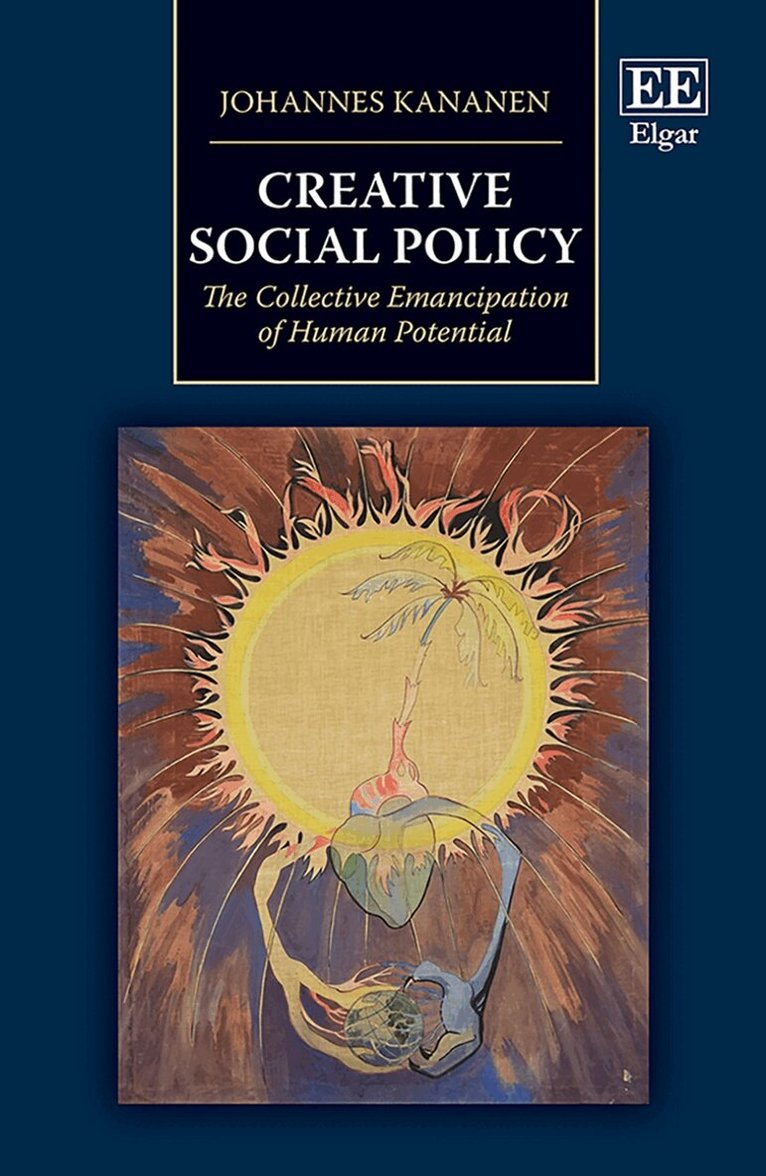
Innovative and forward-thinking in its approach, this book advocates for the liberation of people’s creative potential through the systematic transformation of work and capital. Providing a detailed account and analysis of current social policy, Johannes Kananen envisions an emancipatory societal development that prioritises fulfilling human need as opposed to the accumulation of private capital.Creative Social Policy argues that recent strands of academic social policy have contributed to economics imperialism and that practical social policy has become subordinate to the functions of capitalist production. In order to address this, Kananen makes crucial strategic proposals as a means of creating sustainable economic opportunities for all, including Universal Seed Money and Universal Basic Income. Given the instabilities caused by the COVID-19 pandemic, European war, austerity, the rise of right-wing populism and the climate crisis, Kananen highlights the urgent need to challenge the existing foundations of current policy making, and advocates for both emancipatory societal development and a cycle of co-creation of social policy knowledge to build a more sustainable future.This novel approach will make essential reading for students, scholars and academics specialising in social policy, political economy, political theory and sociology. Offering a unique outlook on social policy as we understand it, this book will also be of value to professionals and policy makers working in social, economic and ecological sustainability.
Conceptualising Public Health
Historical and Contemporary Struggles over Key Concepts
Inbunden, Engelska, 2018
2 246 kr
Skickas inom 10-15 vardagar
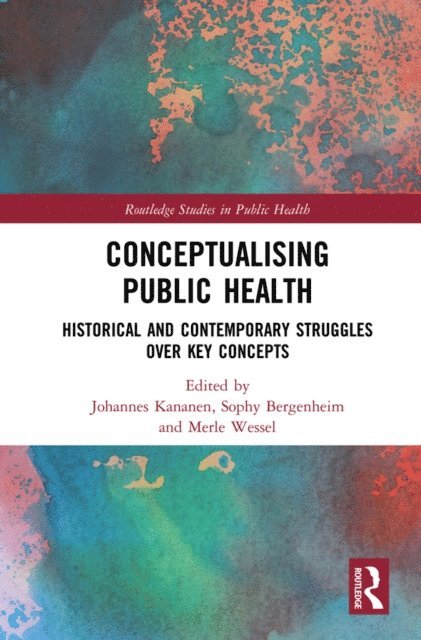
In Germanic and Nordic languages, the term for ‘public health’ literally translates to ‘people’s health’, for example Volksgesundheit in German, folkhälsa in Swedish and kansanterveys in Finnish. Covering a period stretching from the late nineteenth century to the present day, this book discusses how understandings and meanings of public health have developed in their political and social context, identifying ruptures and redefinitions in its conceptualisation. It analyses the multifaceted and interactive rhetorical play through which key concepts have been used as political tools, on the one hand, and shaped the understanding and operating environment of public health, on the other.Focusing on the blurred boundaries between the social and the medico-scientific realms, from social hygiene to population policy, Conceptualising Public Health explores the sometimes contradictory and paradoxical normative aims associated with the promotion of public health. Providing examples from Northern Europe and the Nordic countries, whilst situating them in a larger European and international context, it addresses questions such as: How have public health concepts been used in government and associated administrative practices from the early twentieth century up to the present? How has health citizenship been constructed over time? How has the collective entity of ‘the people’ been associated with and reflected in public health concepts? Drawn from a range of disciplinary backgrounds, the authors collected here each examine a particular way of understanding public health and assess how key actors or phenomena have challenged, altered or confirmed past and present meanings of the concept. Conceptualising Public Health is of interest to students and scholars of health and welfare state development from diverse backgrounds, including public health, sociology of health and illness, and social policy as well as medical, conceptual and intellectual history.
795 kr
Skickas inom 10-15 vardagar
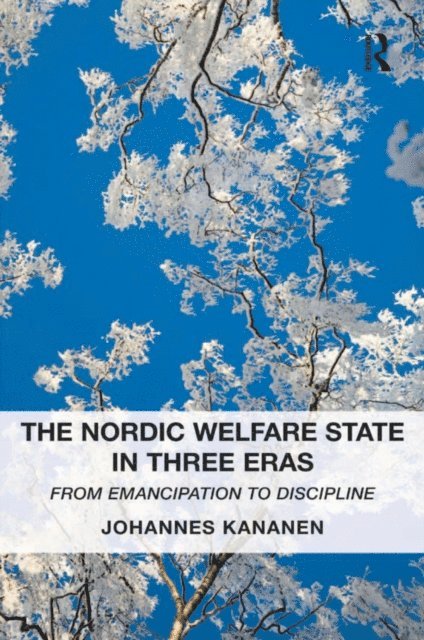
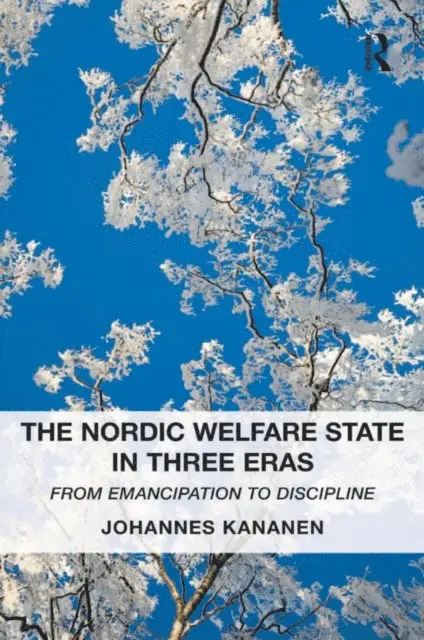
Nordic welfare states are known for a unique combination of equity and efficiency and for political institutions facilitating compromise and consensus between conflicting interests. The Nordic Welfare State in Three Eras: From Emancipation to Discipline analyses the historical and contemporary evolution of Nordic welfare states in Denmark, Sweden and Finland during three periods: the developmental period until the end of WWII, the period of emancipatory welfare institutions until the 1980s, and the period of restructuring from the 1980s until present times. The three eras discussed are shared in one way or another by all welfare states. However, Nordic welfare institutions are unique in the sense that they were particularly compatible with the ideas of Keynesian macro-economic management that constituted the blueprint of international economic ideas during the post-war period. This ground-breaking book will show how preceding emancipating elements of Nordic welfare states were largely lost in the process of renegotiating the post-war social order, and replaced by new elements of discipline and control.
2 181 kr
Skickas inom 10-15 vardagar
Nordic welfare states are known for a unique combination of equity and efficiency and for political institutions facilitating compromise and consensus between conflicting interests. The Nordic Welfare State in Three Eras: From Emancipation to Discipline analyses the historical and contemporary evolution of Nordic welfare states in Denmark, Sweden and Finland during three periods: the developmental period until the end of WWII, the period of emancipatory welfare institutions until the 1980s, and the period of restructuring from the 1980s until present times. The three eras discussed are shared in one way or another by all welfare states. However, Nordic welfare institutions are unique in the sense that they were particularly compatible with the ideas of Keynesian macro-economic management that constituted the blueprint of international economic ideas during the post-war period. This ground-breaking book will show how preceding emancipating elements of Nordic welfare states were largely lost in the process of renegotiating the post-war social order, and replaced by new elements of discipline and control.