Johansson Stig Johansson – författare
Visar alla böcker från författaren Johansson Stig Johansson. Handla med fri frakt och snabb leverans.
2 produkter
2 produkter
E-bok
Engelska, 20213 422 kr
Läs direkt efter köp
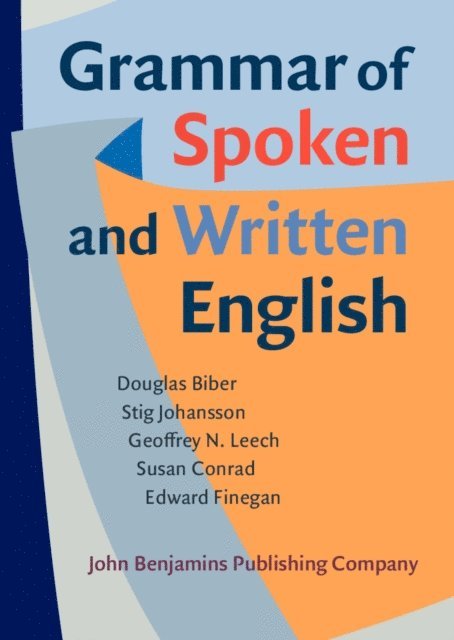
The completely redesigned Grammar of Spoken and Written English is a comprehensive corpus-based reference grammar. GSWE describes the structural characteristics of grammatical constructions in English, as do other reference grammars. But GSWE is unique in that it gives equal attention to describing the patterns of language use for each grammatical feature, based on empirical analyses of grammatical patterns in a 40-million-word corpus of spoken and written registers. Grammar-in-use is characterized by three inter-related kinds of information: frequency of grammatical features in spoken and written registers, frequencies of the most common lexico-grammatical patterns, and analysis of the discourse factors influencing choices among related grammatical features. GSWE includes over 350 tables and figures highlighting the results of corpus-based investigations. Throughout the book, authentic examples illustrate all research findings. The empirical descriptions document the lexico-grammatical features that are especially common in face-to-face-conversation compared to those that are especially common in academic writing. Analyses of fiction and newspaper articles are included as further benchmarks of language use. GSWE contains over 6,000 authentic examples from these four registers, illustrating the range of lexico-grammatical features in real-world speech and writing. In addition, comparisons between British and American English reveal specific regional differences. Now completely redesigned and available in an electronic edition, the Grammar of Spoken and Written English remains a unique and indispensable reference work for researchers, language teachers, and students alike.
E-bok
PDF, Engelska, 20071 499 kr
Läs direkt efter köp
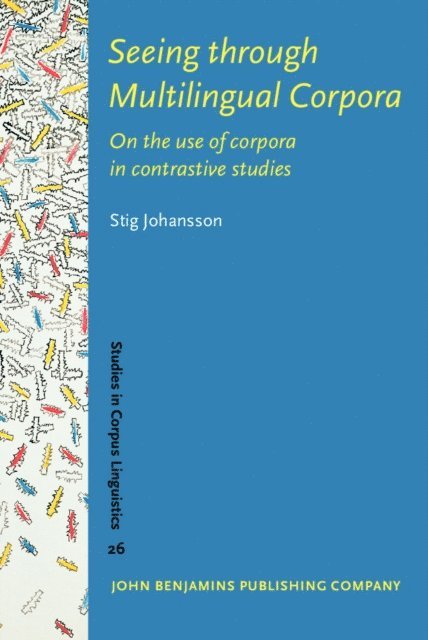
Through electronic corpora we can observe patterns which we were unaware of before or only vaguely glimpsed. The availability of multilingual corpora has led to a renewal of contrastive studies. We gain new insight into similarities and differences between languages, at the same time as the characteristics of each language are brought into relief. The present book focuses on the work in building and using the English-Norwegian Parallel Corpus and the Oslo Multilingual Corpus. Case studies are reported on lexis, grammar, and discourse. A concluding chapter sums up problems and prospects of corpus-based contrastive studies, including applications in lexicography, translator training, and foreign-language teaching. Though the main focus is on English and Norwegian, the approach should be of interest more generally for corpus-based contrastive research and for language studies in general. Seeing through corpora we can see through language.