John A. Thompson - Böcker
Visar alla böcker från författaren John A. Thompson. Handla med fri frakt och snabb leverans.
8 produkter
8 produkter
1 228 kr
Skickas inom 7-10 vardagar
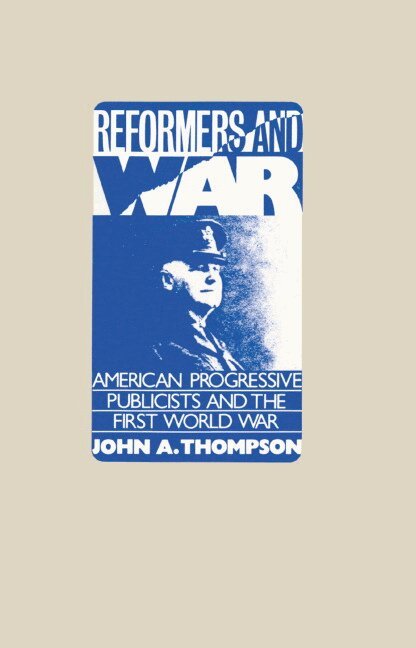
The subject of this book is the confrontation between the American reform tradition, historically inward-looking, and the first of the world conflicts in which the United States has been involved in the twentieth century. It focuses upon those writers and journals most prominently associated with 'the progressive movement' and examines their response to the First World War and the effect of the war on their thinking. During 'the progressive era' a number of journalists and authors had acquired national reputations as social critics or as spokesmen for reform. This thoroughly researched account revises earlier views about both the attitudes of progressives toward the war and the decline of 'the progressive movement.' It will be of interest to students of the intellectual history of American foreign policy as well as of progressivism.
428 kr
Skickas inom 7-10 vardagar
The subject of this book is the confrontation between the American reform tradition, historically inward-looking, and the first of the world conflicts in which the United States has been involved in the twentieth century. It focuses upon those writers and journals most prominently associated with 'the progressive movement' and examines their response to the First World War and the effect of the war on their thinking. During 'the progressive era' a number of journalists and authors had acquired national reputations as social critics or as spokesmen for reform. This thoroughly researched account revises earlier views about both the attitudes of progressives toward the war and the decline of 'the progressive movement.' It will be of interest to students of the intellectual history of American foreign policy as well as of progressivism.
727 kr
Skickas inom 10-15 vardagar
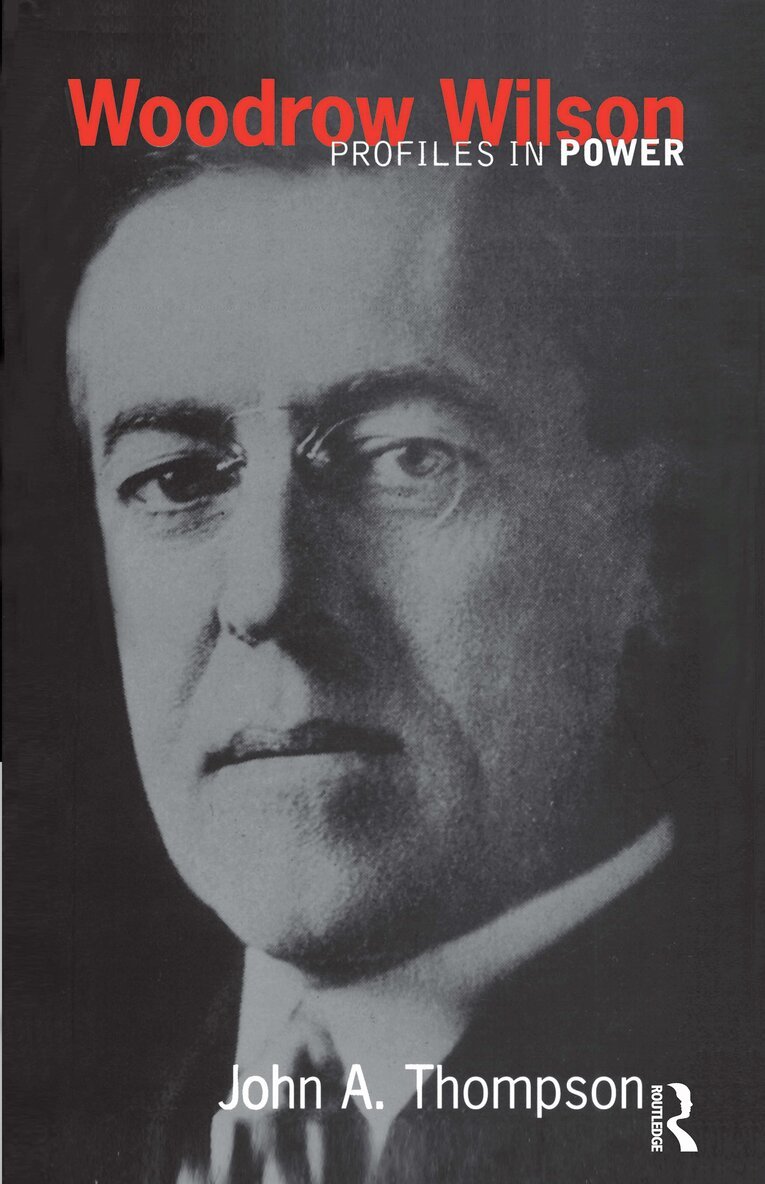
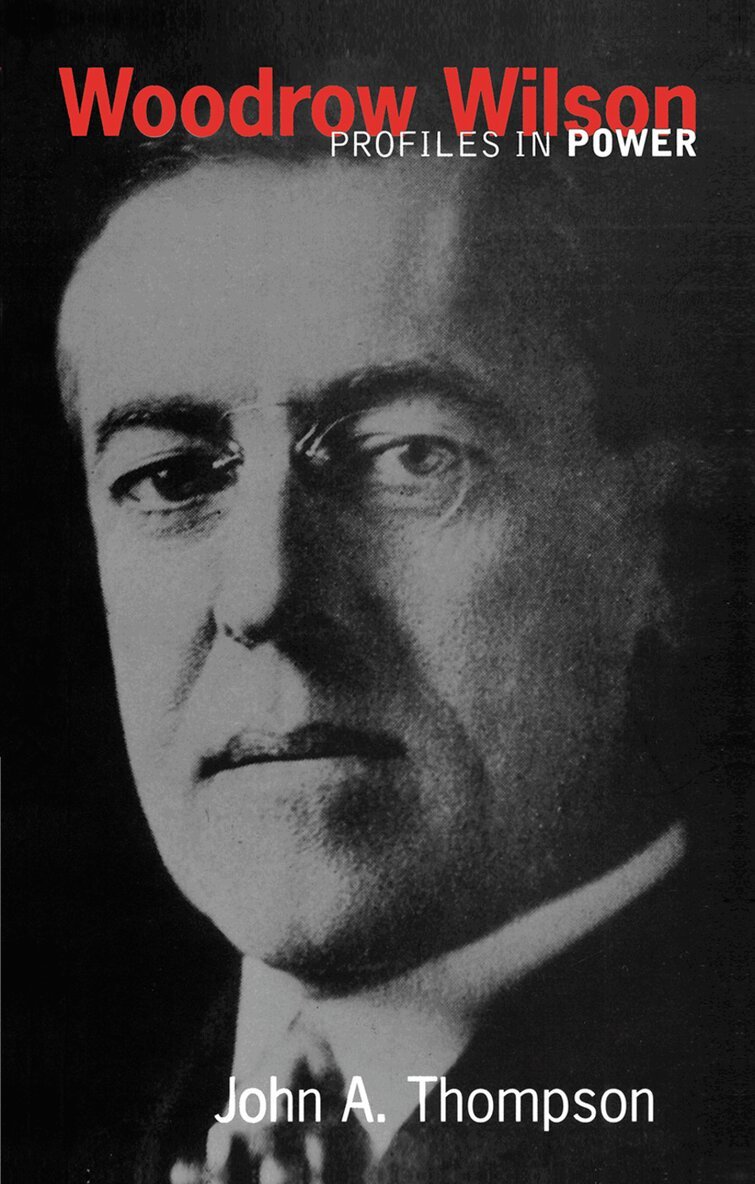
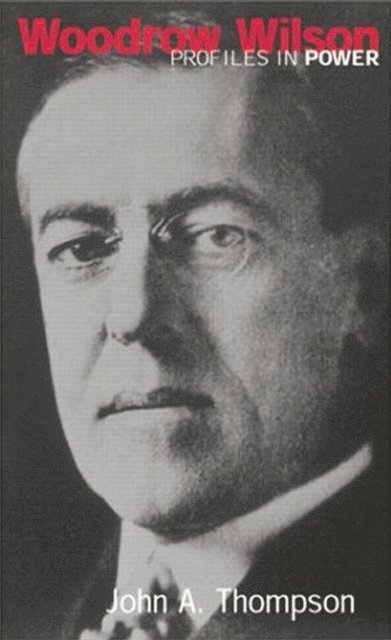
Most famous in Europe for his efforts to establish the League of Nations under US leadership at the end of the First World War, Woodrow Wilson stands as one of America’s most influential and visionary presidents. A Democrat who pursued progressive domestic policies during his first term in office, he despised European colonialism and believed that the recipe for world peace was the self-determination of all peoples, particularly those under the yoke of the vast Ottoman and Austro-Hungarian Empires. His efforts to resist heavy reparations on Germany fell on deaf ears, while the refusal of France, Russia and Britain to accept a League of Nations led by America, together with the US Senate’s refusal to ratify the League, led to its ultimate failure. Woodrow Wilson has traditionally been seen by both admirers and critics as an idealist and a heroic martyr to the cause of internationalism. But John Thompson takes a different view, arguing that Wilson was a pragmatist, whose foreign policy was flexible and responsive to pressures and events. His conclusion, that Wilson was in fact an exceptionally skilful politician, who succeeded in maintaining national unity whilst leading America onto the world stage for the first time in its history, offers a challenging interpretation for anyone interested in the man and his era.
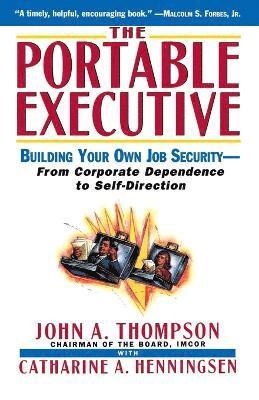
Portable Executive
Building Your Own Job Security from Corporate Dependency to Self-Direction
Häftad, Engelska, 1996
265 kr
Skickas inom 3-6 vardagar
342 kr
Skickas inom 11-20 vardagar
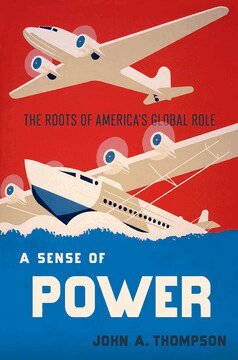
Why has the United States assumed so extensive and costly a role in world affairs over the last hundred years? The two most common answers to this question are "because it could" and "because it had to." Neither answer will do, according to this challenging re-assessment of the way that America came to assume its global role. The country's vast economic resources gave it the capacity to exercise great influence abroad, but Americans were long reluctant to meet the costs of wielding that power. Neither the country's safety from foreign attack nor its economic well-being required the achievement of ambitious foreign policy objectives. In A Sense of Power, John A. Thompson takes a long view of America's dramatic rise as a world power, from the late nineteenth century into the post–World War II era. How, and more importantly why, has America come to play such a dominant role in world affairs? There is, he argues, no simple answer. Thompson challenges conventional explanations of America's involvement in World War I and World War II, seeing neither the requirements of national security nor economic interests as determining. He shows how American leaders from Wilson to Truman developed an ever more capacious understanding of the national interest, and why by the 1940s most Americans came to support the price tag, in blood and treasure, attached to strenuous efforts to shape the world. The beliefs and emotions that led them to do so reflected distinctive aspects of U.S. culture, not least the strength of ties to Europe. Consciousness of the nation's unique power fostered feelings of responsibility, entitlement, and aspiration among the people and leaders of the United States. This original analysis challenges some widely held beliefs about the determinants of United States foreign policy and will bring new insight to contemporary debates about whether the nation should—or must—play so active a part in world politics.
188 kr
Skickas inom 5-8 vardagar
2 151 kr
Skickas inom 10-15 vardagar
Most famous in Europe for his efforts to establish the League of Nations under US leadership at the end of the First World War, Woodrow Wilson stands as one of America’s most influential and visionary presidents. A Democrat who pursued progressive domestic policies during his first term in office, he despised European colonialism and believed that the recipe for world peace was the self-determination of all peoples, particularly those under the yoke of the vast Ottoman and Austro-Hungarian Empires. His efforts to resist heavy reparations on Germany fell on deaf ears, while the refusal of France, Russia and Britain to accept a League of Nations led by America, together with the US Senate’s refusal to ratify the League, led to its ultimate failure. Woodrow Wilson has traditionally been seen by both admirers and critics as an idealist and a heroic martyr to the cause of internationalism. But John Thompson takes a different view, arguing that Wilson was a pragmatist, whose foreign policy was flexible and responsive to pressures and events. His conclusion, that Wilson was in fact an exceptionally skilful politician, who succeeded in maintaining national unity whilst leading America onto the world stage for the first time in its history, offers a challenging interpretation for anyone interested in the man and his era.
Charter and Ordinances of the City of Chicago (to Sept. 15, 1856, Inclusive) Together with Acts of the General Assembly Relating to the City, and
Häftad, Engelska, 2013
418 kr
Skickas inom 3-6 vardagar