John Cheney-Lippold – författare
Visar alla böcker från författaren John Cheney-Lippold. Handla med fri frakt och snabb leverans.
3 produkter
3 produkter
Häftad, Engelska, 2018
330 kr
Skickas
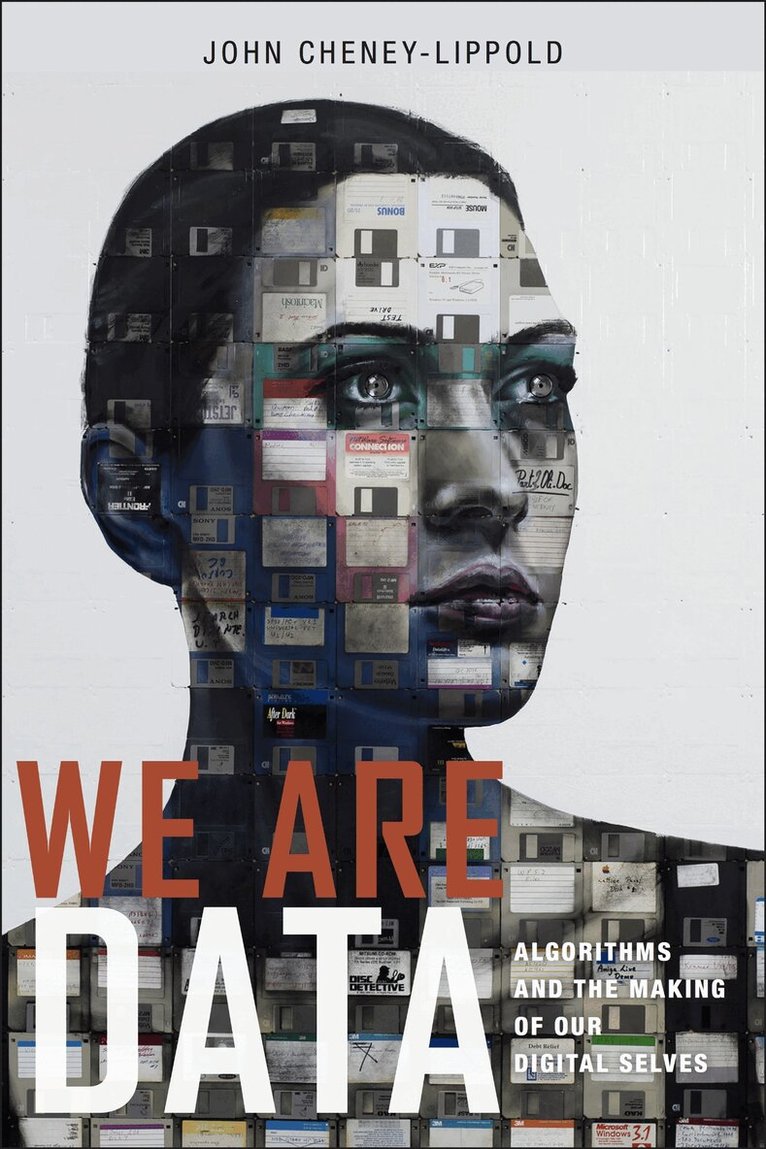
What identity means in an algorithmic age: how it works, how our lives are controlled by it, and how we can resist itAlgorithms are everywhere, organizing the near limitless data that exists in our world. Derived from our every search, like, click, and purchase, algorithms determine the news we get, the ads we see, the information accessible to us and even who our friends are. These complex configurations not only form knowledge and social relationships in the digital and physical world, but also determine who we are and who we can be, both on and offline. Algorithms create and recreate us, using our data to assign and reassign our gender, race, sexuality, and citizenship status. They can recognize us as celebrities or mark us as terrorists. In this era of ubiquitous surveillance, contemporary data collection entails more than gathering information about us. Entities like Google, Facebook, and the NSA also decide what that information means, constructing our worlds and the identities we inhabit in the process. We have little control over who we algorithmically are. Our identities are made useful not for us—but for someone else. Through a series of entertaining and engaging examples, John Cheney-Lippold draws on the social constructions of identity to advance a new understanding of our algorithmic identities. We Are Data will educate and inspire readers who want to wrest back some freedom in our increasingly surveilled and algorithmically-constructed world.
Inbunden, Engelska, 2017
737 kr
Skickas
What identity means in an algorithmic age: how it works, how our lives are controlled by it, and how we can resist itAlgorithms are everywhere, organizing the near limitless data that exists in our world. Derived from our every search, like, click, and purchase, algorithms determine the news we get, the ads we see, the information accessible to us and even who our friends are. These complex configurations not only form knowledge and social relationships in the digital and physical world, but also determine who we are and who we can be, both on and offline. Algorithms create and recreate us, using our data to assign and reassign our gender, race, sexuality, and citizenship status. They can recognize us as celebrities or mark us as terrorists. In this era of ubiquitous surveillance, contemporary data collection entails more than gathering information about us. Entities like Google, Facebook, and the NSA also decide what that information means, constructing our worlds and the identities we inhabit in the process. We have little control over who we algorithmically are. Our identities are made useful not for us—but for someone else. Through a series of entertaining and engaging examples, John Cheney-Lippold draws on the social constructions of identity to advance a new understanding of our algorithmic identities. We Are Data will educate and inspire readers who want to wrest back some freedom in our increasingly surveilled and algorithmically-constructed world.
Häftad, Engelska, 2026
325 kr
Skickas inom 5-8 vardagar
The essays collected in this book honor H. Chandler Davis (1926-2022), a University of Michigan faculty member who became a symbol of principled dissent when suspended and fired in 1954 for refusing to testify about his political affiliations to the House Un-American Activities Committee. Invoking academic freedom and First Amendment protection, Davis was convicted of contempt of Congress. He served six months in prison before moving to Canada, where he established himself as a brilliant mathematician, prolific writer, and ardent and much beloved advocate for justice.At a time when a new McCarthyism has come roaring back to threaten free inquiry everywhere, the 12 contributors to this book argue against censorship, the suppression of protest, the policed and surveilled campus, the self-silencing of "institutional neutrality," and other enemies of academic freedom. Also included in this volume is posthumously published work by Davis and by his late wife, the historian Natalie Zemon Davis, which reflects on the importance of facing, and not accepting, authoritarian threats. Inspired by Chandler Davis’ courage, integrity, and devotion to the struggle against oppression, injustice, and the persecution of speech, these essays offer crucial insights into the importance of defending intellectual independence, institutional autonomy, and the right to free expression.Contributors: Michael Bérubé, Juan Cole, H. Chandler Davis, Stefan Hanß, Marjorie Heins, Dima Khalidi, Gene Nichol, Henry Reichman, Ellen Schrecker, Joan Scott, Catharine R. Stimpson, Alan Wald, Silke-Maria Weineck, and Natalie Zemon Davis.