John Cimprich – författare
Visar alla böcker från författaren John Cimprich. Handla med fri frakt och snabb leverans.
3 produkter
3 produkter
Häftad, Engelska, 2011
279 kr
Skickas inom 10-15 vardagar
At the now-peaceful spot of Tennessee's Fort Pillow State Historic Area, a horrific incident in the nation's bloodiest war occurred on April 12, 1864. Just as a high bluff in the park offers visitors a panoramic view of the Mississippi River, John Cimprich's absorbing book affords readers a new vantage on the American Civil War as viewed through the lens of the Confederate massacre of unionist and black Federal soldiers at Fort Pillow.Cimprich covers the entire history of Fort Pillow, including its construction by Confederates, its capture and occupation by federals, the massacre, and ongoing debates surrounding that affair. He sets the scene for the carnage by describing the social conflicts in federally occupied areas between secessionists and unionists as well as between blacks and whites. In a careful reconstruction of the assault itself, Cimprich balances vivid firsthand reports with a judicious narrative and analysis of events. He shows how Major General Nathan B. Forrest attacked the garrison with a force outnumbering the Federals roughly 1,500 to 600, and a breakdown of Confederate discipline resulted. The 65 percent death toll for black unionists was approximately twice that for white unionists, and Cimprich concludes that racism was at the heart of the Fort Pillow massacre.Fort Pillow, a Civil War Massacre, and Public Memory serves as a case study for several major themes of the Civil War: the great impact of military experience on campaigns, the hardships of military life, and the trend toward a more ruthless conduct of war. The first book to treat the fort's history in full, it provides a valuable perspective on the massacre and, through it, on the war and the world in which it occurred.
Inbunden, Engelska, 2022
523 kr
Skickas inom 10-15 vardagar
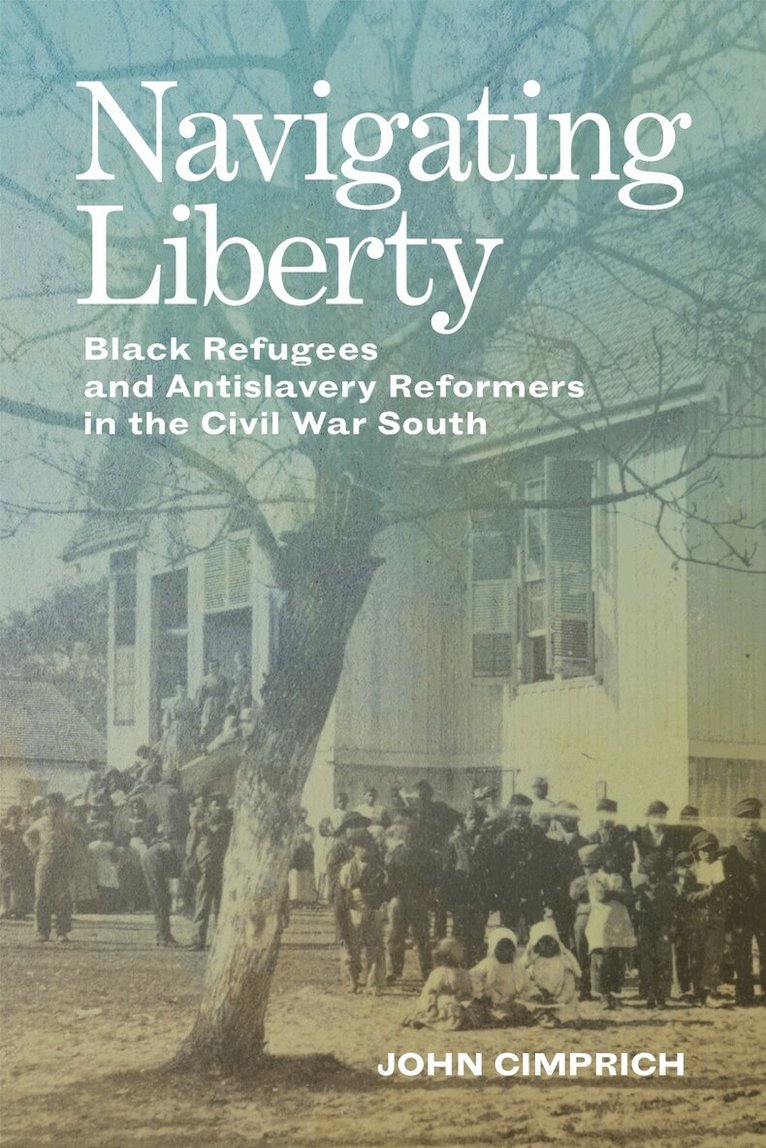
When thousands of African Americans freed themselves from slavery during the American Civil War and launched the larger process of emancipation, hundreds of northern antislavery reformers traveled to the federally occupied South to assist them. The two groups brought views and practices from their backgrounds that both helped and hampered the transition out of slavery. While enslaved, many Blacks assumed a certain guarded demeanor when dealing with whites. In freedom, they resented northerners' paternalistic attitudes and preconceptions about race, leading some to oppose aid programs—included those related to education, vocational training, and religious and social activities—initiated by whites. Some interactions resulted in constructive cooperation and adjustments to curriculum, but the frequent disputes more often compelled Blacks to seek additional autonomy.In an exhaustive analysis of the relationship between the formerly enslaved and northern reformers, John Cimprich shows how the unusual circumstances of emancipation in wartime presented new opportunities and spawned social movements for change yet produced intractable challenges and limited results. Navigating Liberty serves as the first comprehensive study of the two groups' collaboration and conflict, adding an essential chapter to the history of slavery's end in the United States.
E-bok
Engelska, 2002568 kr
Läs direkt efter köp
This is the first book-length work on wartime race relations in Tennessee, and it stresses the differences within the slave community as well as Military Governor Andrew Johnson’s role in emancipation. In Tennessee a significant number of slaves took advantage of the disruptions resulting from federal invasion to escape servitude and to seek privileges enjoyed by whites. Some rushed into theses changes, believing God had ordained them; others acted simply from a willingness to seize any opportunity for improving their lot. Both groups felt a sense of dignity that their slaves initiated a change; they lacked the power and resources to secure and expand the gains they made on their own. Because most disloyal slaves supported the Union while most white Tennesseans did not, the federal army eventually decided to encourage and capitalize upon slave discontent. Idealistic Northern reformers simultaneously worked to establish new opportunities for Southern blacks. The reformers’ paternalistic attitudes and the army’s concern with military expediency limited the aid they extended to blacks. Black poverty, white greed, and white racial prejudice severely restricted change, particularly in the former slaves’ economic position. The more significant changes took the form of new social privileges for the freedmen: familial security, educational opportunities, and religious independence. Masters had occasionally granted these benefits to some slaves, but what the disloyal slaves wanted and won was the formalization of these privileges for all blacks in the state.